Tracking the last signs of Schistosomiasis in Puerto Rico
Tracking the last signs of Schistosomiasis in Puerto Rico
PAHO is collaborating with the University of New Mexico and supporting public health officials in Puerto Rico to strengthen surveillance and move closer to verifying the elimination of the parasitic infection transmitted by freshwater snails from the island.
January 2026
In the freshwater habitats of Puerto Rico, a dedicated group of scientists and public health professionals are searching for tiny clues that hold the key to verifying the end of one of the longest-standing parasitic diseases in the region and the world.
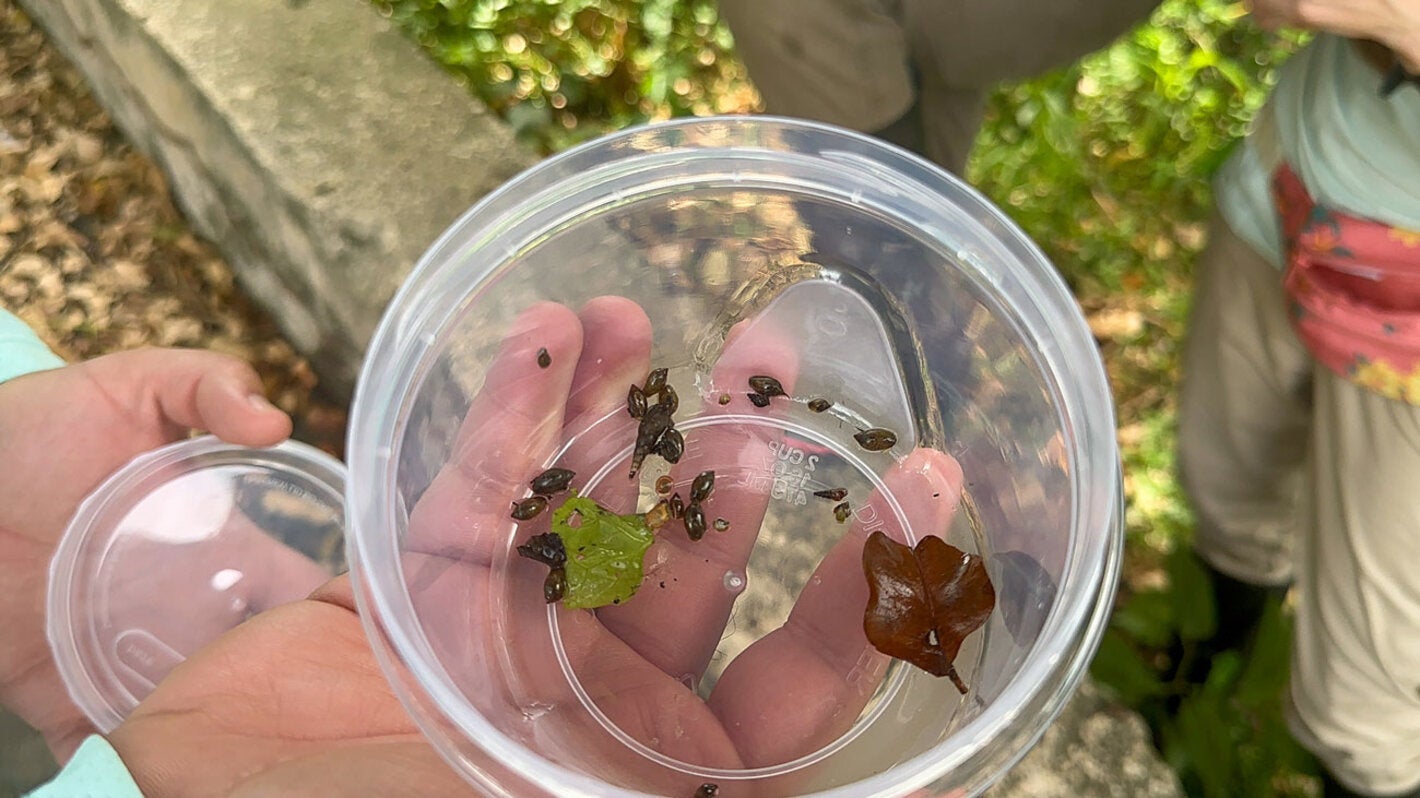
The Pan American Health Organization (PAHO) is partnering with scientists from the University of New Mexico and working alongside Puerto Rico’s public health experts to monitor freshwater snails—the intermediate hosts of the parasitic flatworm responsible for schistosomiasis, a chronic parasitic disease most prevalent in rural and impoverished communities.
Schistosomiasis, also known as bilharzia, can cause acute symptoms like itchy skin rashes, fever, chills, abdominal pain, diarrhea, and blood in urine or stool. In chronic cases, it leads to severe complications including liver and spleen enlargement, anemia, fibrosis, stunted growth in children, reduced productivity, and—in rare instances—neurological issues or infertility, perpetuating cycles of poverty and disability.
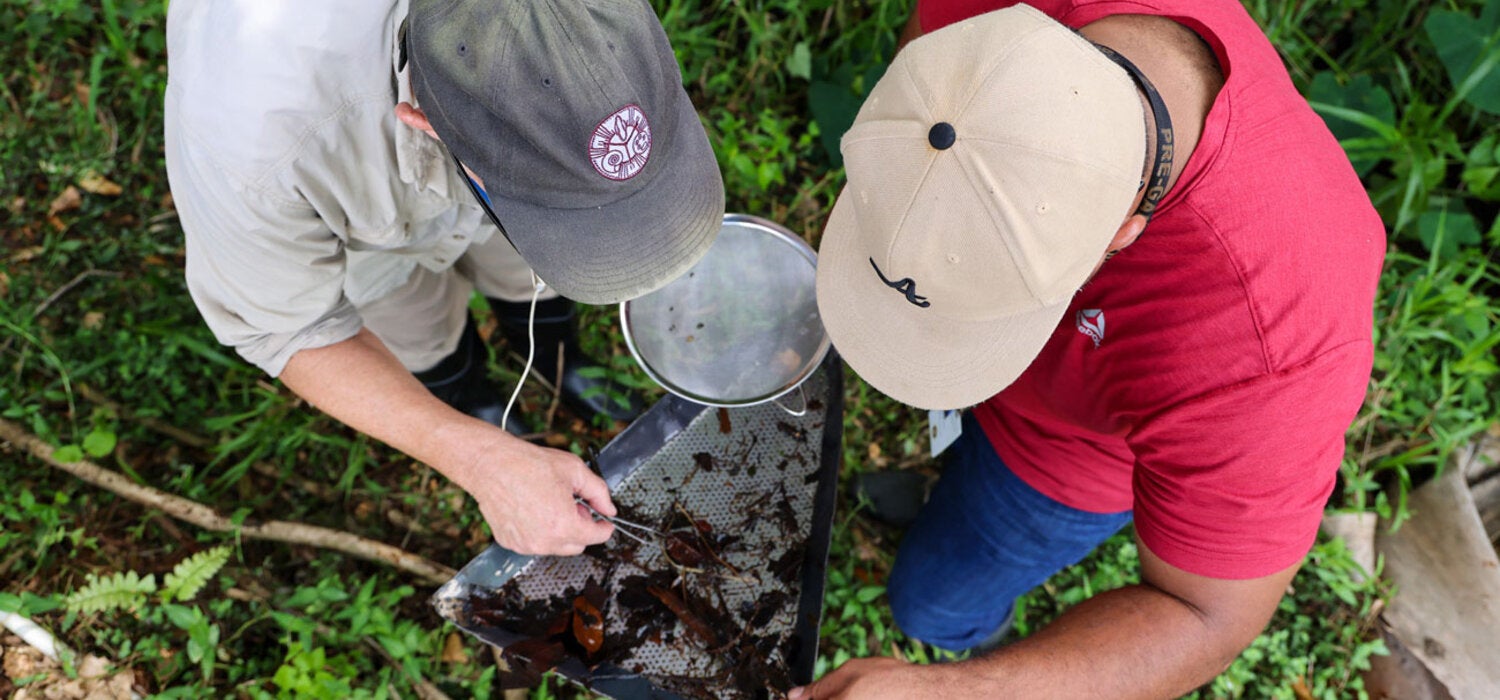
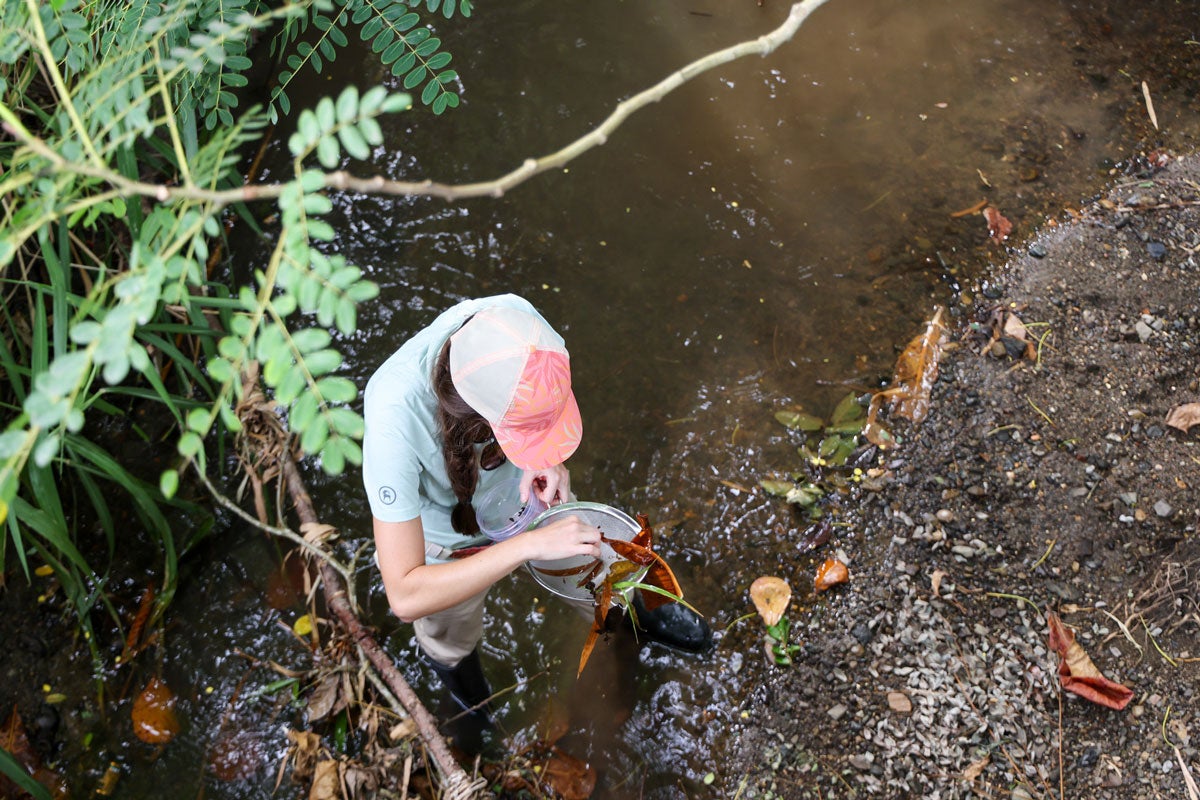
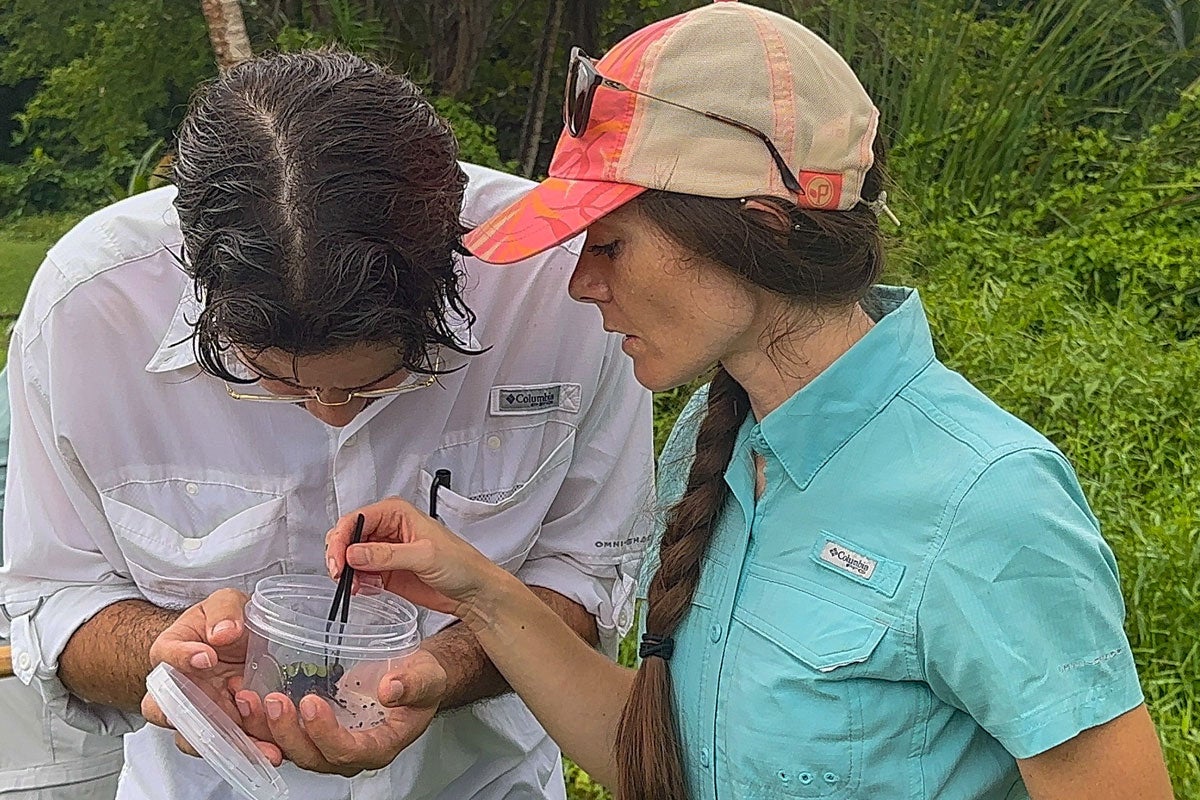
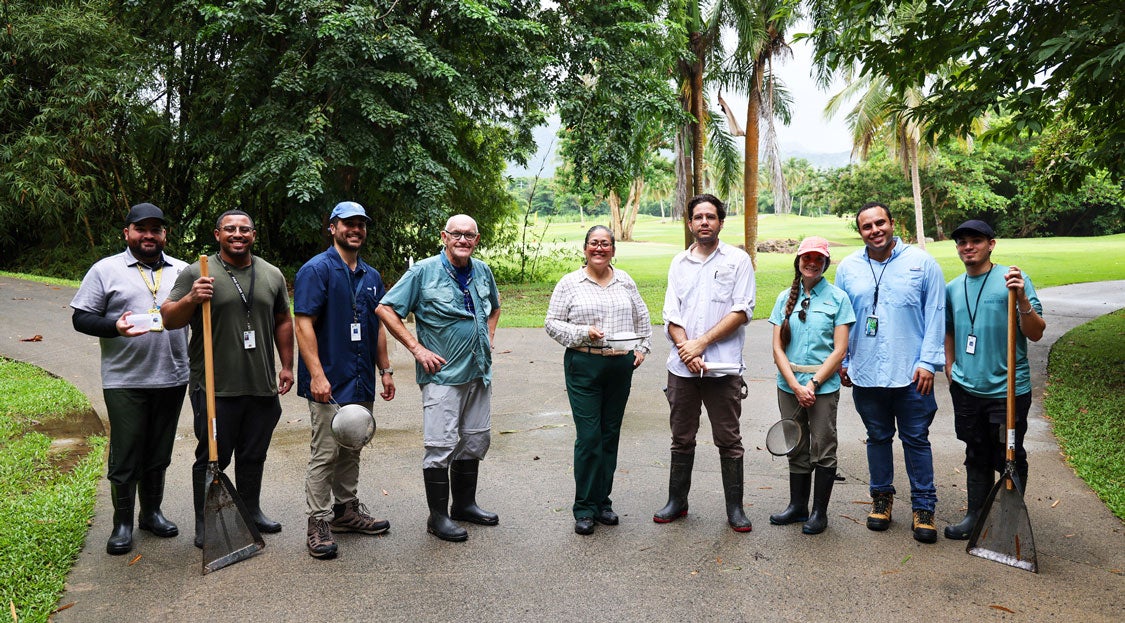
During the PAHO-supported training, approximately 30 local public health workers learned about schistosomiasis on the island and received hands-on training in snail identification, collection, and preservation for testing. Teams visited around 115 lakes and streams in five regions of Puerto Rico.
“We’re on the cusp of being able to say we have eliminated one of the world's most important neglected tropical diseases in the Caribbean region, where historically it has had a negative impact on public health,” explains Eric Loker, professor emeritus at the University of New Mexico specialized in parasitology.
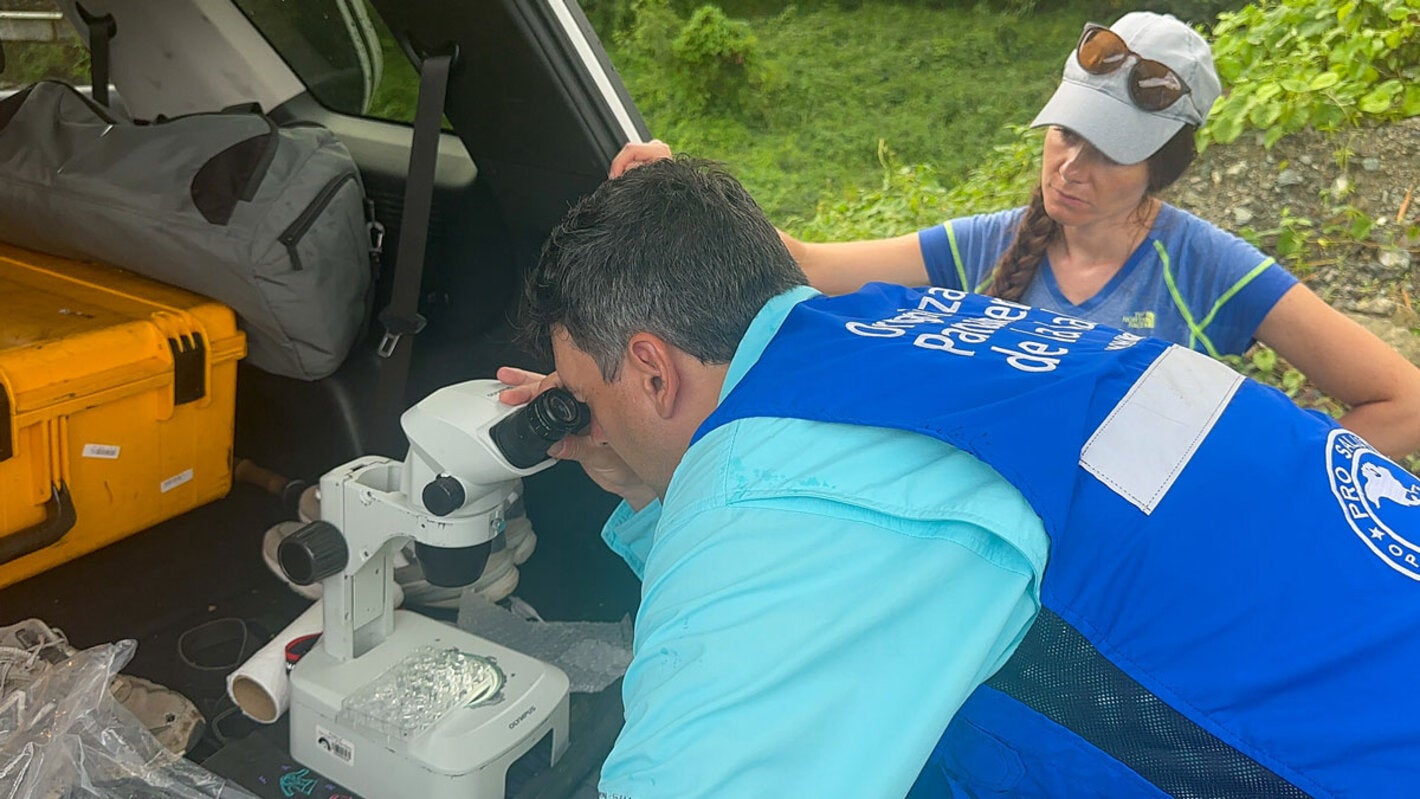
Following the field visit, the snails were analyzed in the laboratory at the University of New Mexico, where scientists use modern diagnostic tools like molecular precision tests (PCR, environmental DNA, and biosensors) for accurate detection and monitoring of transmission.
The aim of the training is to continue strengthening Puerto Rico’s capacity to monitor potential transmission sites and support the ongoing verification of schistosomiasis elimination on the island.
“If we manage to document the elimination of schistosomiasis in Puerto Rico—and I believe we will—it will be like closing a cycle. Once the disease is eliminated, I think it will stand as a tribute to the great work of the many doctors, researchers, and professionals,” said Dr. Victor Ramos, Puerto Rico’s Health Secretary.
Puerto Rico: A history to reach near elimination
Schistosomiasis was first detected in Puerto Rico in 1903, and then after 1943, national programs began to improve water and sanitation infrastructure, aiming to reduce transmission of the tropical disease.
From 1953 to 1980, a comprehensive schistosomiasis control program focused on biological, environmental, and chemical control of snails, health education, and public health improvements. Over decades, these efforts led to the introduction and spread of competitor snails that displaced the schistosomiasis host snails (Biomphalaria glabrata), substantially reducing disease prevalence.
A study from 1997 examined 495 people and found a prevalence of 0.6%, or just a handful of individuals over 36 years old, indicating interrupted transmission and no infections among younger populations. Between 1998 and 2007, there was no evidence of ongoing transmission, and the last case of schistosomiasis detected in Puerto Rico occurred in 2005.
Historical surveillance timeline
Puerto Rico’s surveillance program has tracked a remarkable decline in the presence of the parasite that causes schistosomiasis over time.
To be certified free of schistosomiasis by the World Health Organization (WHO), a country or region must demonstrate interruption of transmission, defined as no locally acquired cases reported in humans for at least five consecutive years.
“The work in Puerto Rico demonstrates how elimination is not just about treating disease—it’s about building resilient systems, empowering local professionals, and sustaining vigilance even after transmission appears to have ended,” explains Ana Lucianez, PAHO’s Neglected Infectious Diseases Advisor.
This period of zero transmission must be confirmed through ongoing surveillance. The WHO 2022 guidelines on control and elimination of human schistosomiasis emphasize the importance of accurate diagnostic tools and robust monitoring over this timeframe to avoid premature cessation of control measures. While Puerto Rico stands as a model for schistosomiasis control, with transmission largely halted, ongoing surveillance is recommended to verify elimination status.
“My team and I have learned a lot from the doctors, including the different types of snails, the diseases they transmit, and the importance of constantly checking whether the population returns so that we can be prepared,” explains Rubén Lugo, Director of Vector Control at the Puerto Rico Department of Health. “This helps us to continue the search for snails and conduct follow-up. We’re going to keep monitoring, investigating, and including it in our work.”
Regional outlook
Across the Caribbean, scientists believe the transmission of schistosomiasis has been eliminated in nearly every country, but the disease persists in areas of Brazil, Suriname, and Venezuela. Schistosomiasis is a disease under PAHO’s Disease Elimination Initiative, which aims to eliminate 30 communicable diseases and related conditions by 2030.
Under PAHO’s Best Buys, which are simple, smart actions that countries can take to fight diseases like schistosomiasis effectively and affordably, PAHO recommends: mass drug administration (MDA) with praziquantel covering at least 75% of at-risk populations, expanding access to safe water, sanitation, and hygiene (WASH) to prevent reinfection, and scaling up effective snail control via molluscicides and environmental management based on molecular diagnosis.
Every January 30, the world marks World Neglected Tropical Diseases (NTD) Day, a moment to shine a light on a group of preventable and treatable diseases that continue to affect millions of people, particularly those living in conditions of poverty and with limited access to health services.