• emergency supplies arrive

When every hour counts: Mobilizing supplies to respond to the earthquake in Venezuela

Following the June 24 earthquake that struck north-central Venezuela, thousands of people saw their lives upended in a matter of seconds. While hospitals received patients with fractures, burns, trauma, and other injuries, many families faced the uncertainty of staying outside their homes and maintaining access to the health services they needed. In this scenario, the country's healthcare personnel took on the challenge of responding to the emergency without neglecting those who already depended on these services for their ongoing treatment and care.

— July 2026 —

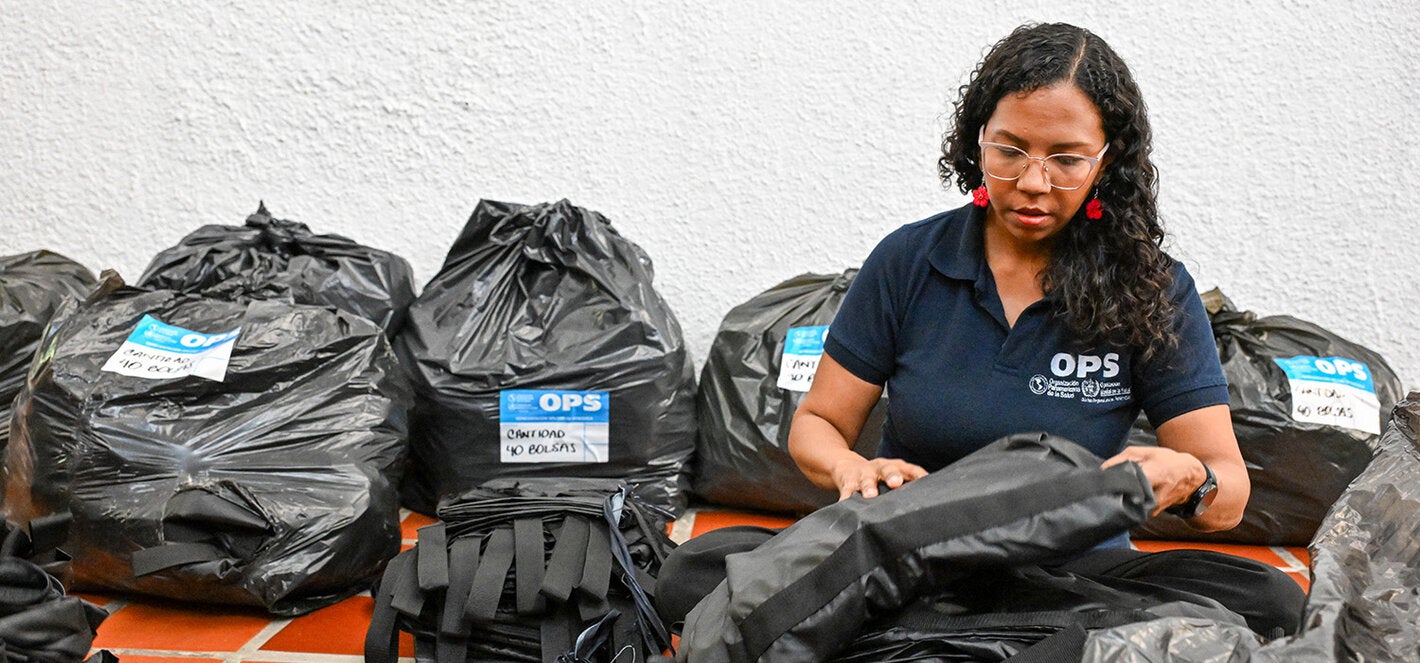
While hospitals and healthcare centers responded to the arrival of injured patients, a logistical operation was also underway to guarantee the availability of essential medical supplies. These supplies were critical to complement emergency care and maintain the continuity of health services.

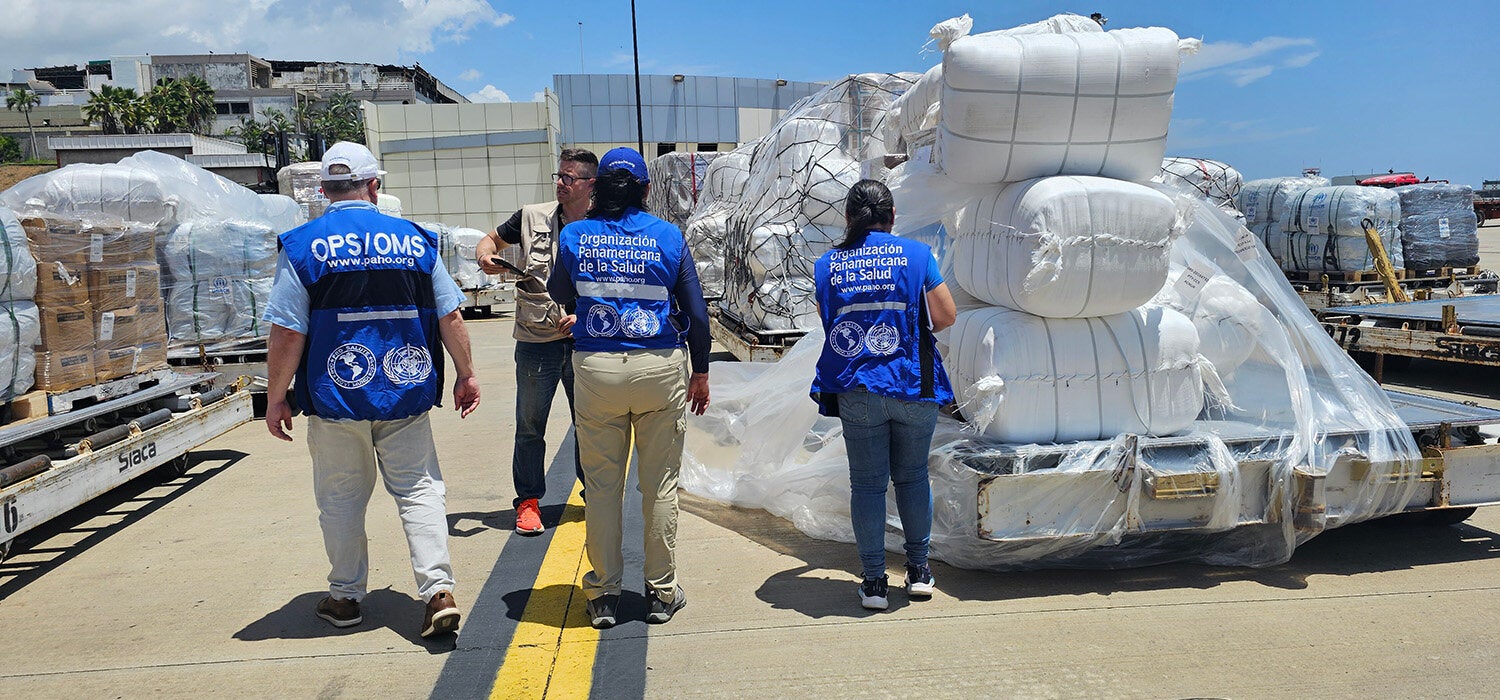
As part of this response, the Pan American Health Organization (PAHO)—which also acts as the regional office of the World Health Organization (WHO) for the Americas—in coordination with the Ministry of People's Power for Health (MPPS), supported the mobilization of 6.98 tons of medical supplies. This included trauma care supplies, emergency medical kits, and medications for non-communicable diseases to strengthen care for affected individuals, treat severe injuries, and support the continuity of essential treatments.

Behind this operation lies an organized regional capacity designed to support countries when an emergency strains or exceeds their response capabilities.
Preparation That Begins Before the Emergency

When an emergency strikes, the speed of the response depends heavily on decisions made long before the disaster. In the case of the earthquake that affected Venezuela, essential medicines, equipment, and supplies were already prepositioned and ready for shipment from PAHO's Strategic Reserve in Panama—a regional logistical hub designed to support the countries of the Americas during health crises, disasters, and other emergencies.

"The supplies are ready, standardized, and organized into modules, which drastically reduces support times. Furthermore, the medicines and equipment meet international standards of quality, storage, and distribution, facilitating their deployment according to the needs of each emergency," explains Leonardo Hernández, head of PAHO's Emergency Operations Unit.

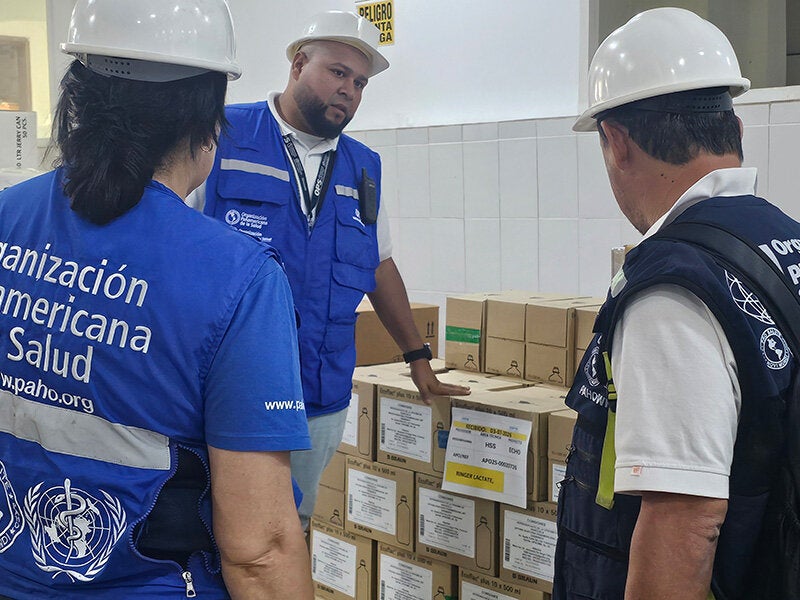
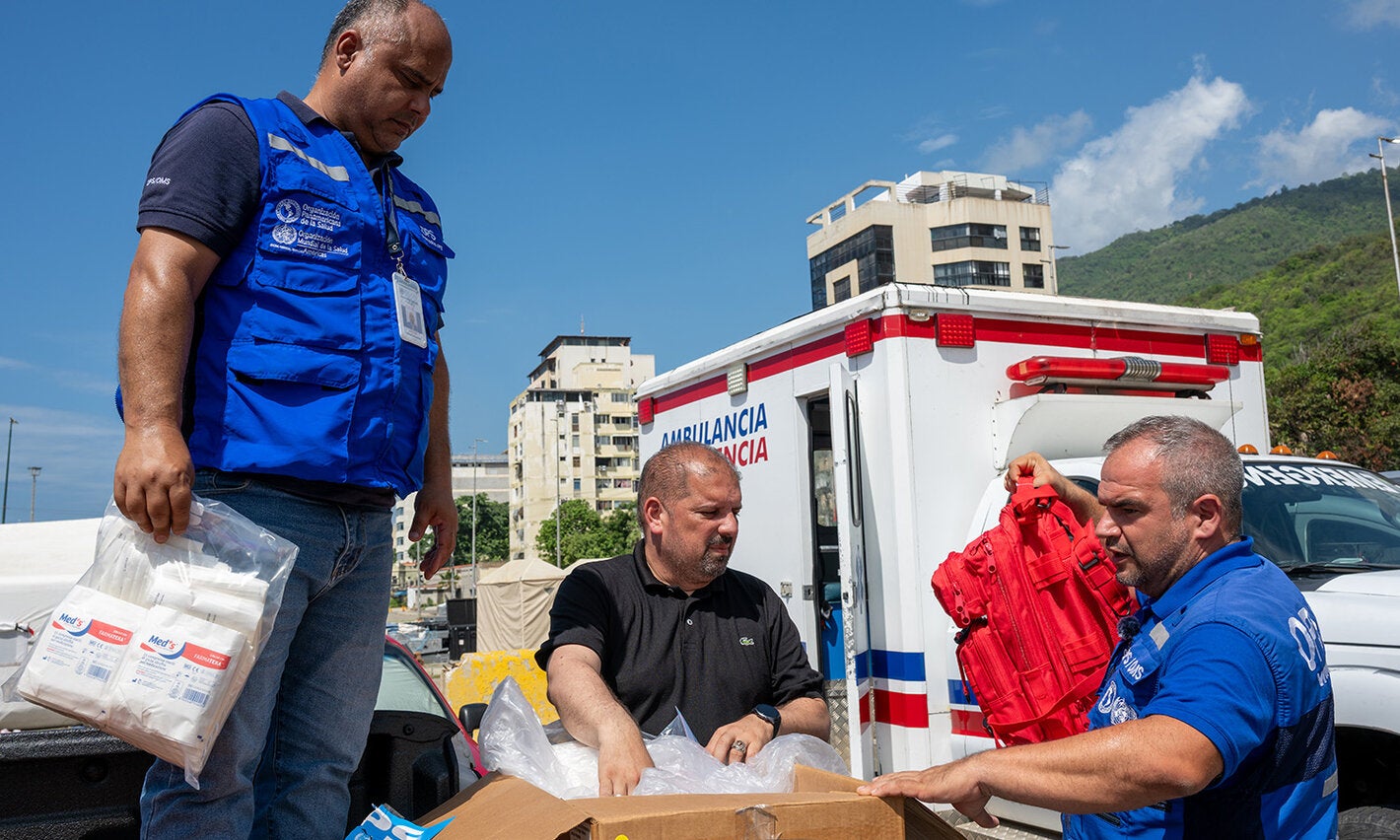
This capacity allowed for the rapid mobilization of the supplies needed to complement the earthquake response in Venezuela. The supplies arrived at the Maiquetía International Airport within days of the emergency and were transferred to PAHO's logistical center in El Consejo, Aragua state. From there, in coordination with the MPPS, distribution was organized toward the Regional Health Directorate of La Guaira, prioritized hospitals, and Comprehensive Community Health Areas (ASIC), selected based on the needs identified during the emergency.

The supplies were distributed to:

  • Hospital Dr. Miguel Pérez Carreño
  • Hospital Ricardo Baquero González
  • Hospital Dr. Domingo Luciani
  • Maternidad Concepción Palacios
  • ASICs of Catia La Mar, Guaracarumbo, 10 de Marzo, Maiquetía, and La Guaira
supplies
supplies

Strategic Supplies to Strengthen Hospital Care

The distribution of supplies corresponded to the strategic role of each facility within the national health service network and the specific needs generated by the emergency.

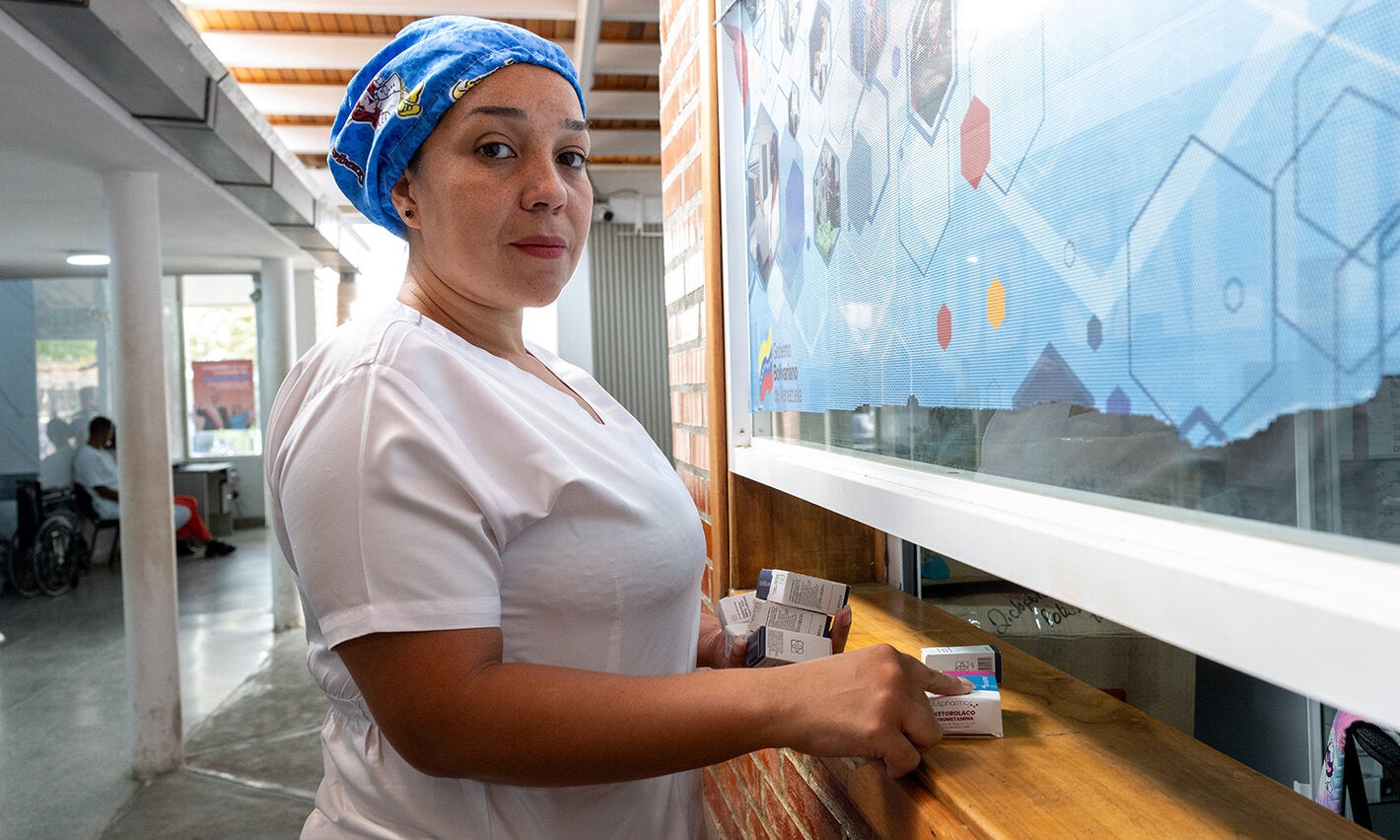
One of the prioritized centers was the Hospital Dr. Miguel Pérez Carreño, one of the country's main reference centers for trauma and neurosurgery. During the first hours of the emergency, it treated patients with complex injuries from various affected areas. Consequently, it received materials for trauma surgery, anesthesia, sterilization, intensive care, intubation, general surgery, neurosurgery, and osteosynthesis.

The hospital's director, Dr. José Enrique Díaz, highlighted that he was able to quickly count on the necessary supplies to treat arriving patients. "That made the response efficient and effective. Now we are in a second phase: providing definitive treatment to those who required damage control surgeries," he assured.

Other strategic hospitals also received supplies to strengthen critical areas of care:

  • Hospital Ricardo Baquero González: Supplied with intravenous solutions, infusion equipment, and suture material to respond to patient needs in its area of influence, particularly given its location near the Caracas-La Guaira corridor.
  • Hospital Dr. Domingo Luciani: Received specialized supplies for basic surgery, orthopedics, and traumatology.
  • Maternidad Concepción Palacios: Received the gynecological module of the trauma kit and other materials aimed at strengthening obstetric and surgical care.

From Hospital Care to the Communities

It is estimated that around 10,000 people remain in temporary camps in La Guaira state, many after their homes sustained damage. For these families, the emergency does not end when the initial care of the injured concludes. It continues through the ongoing need for medications, prenatal checkups, mental health care, and treatment for chronic diseases.

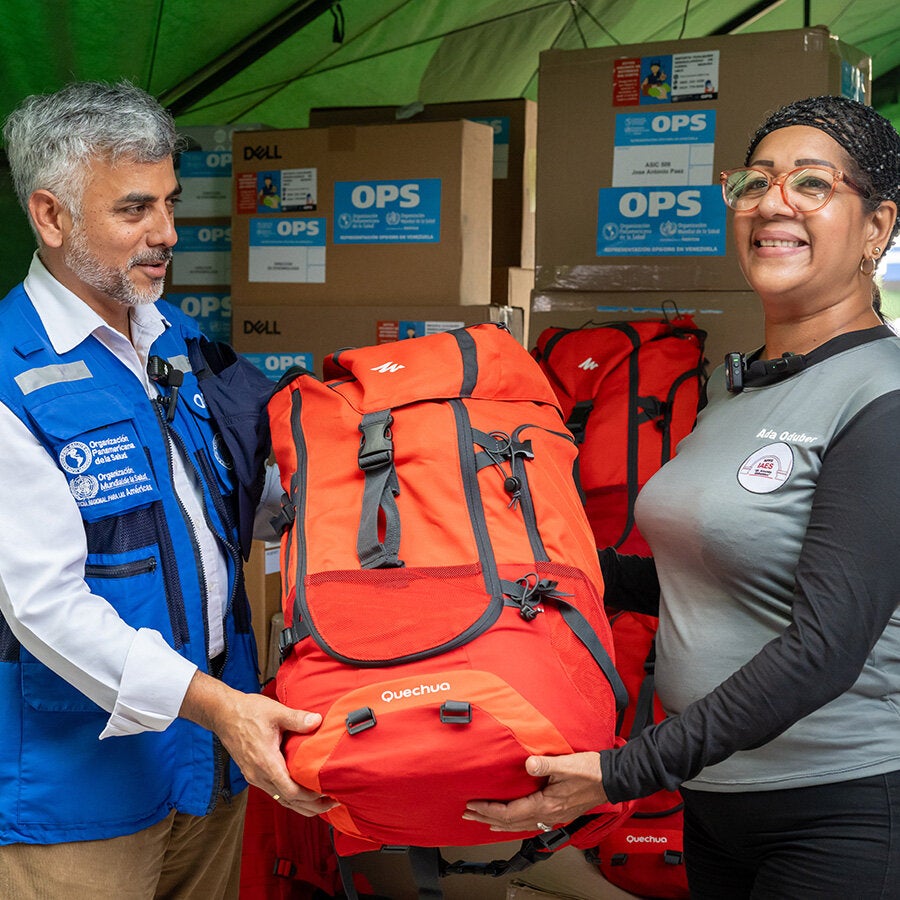
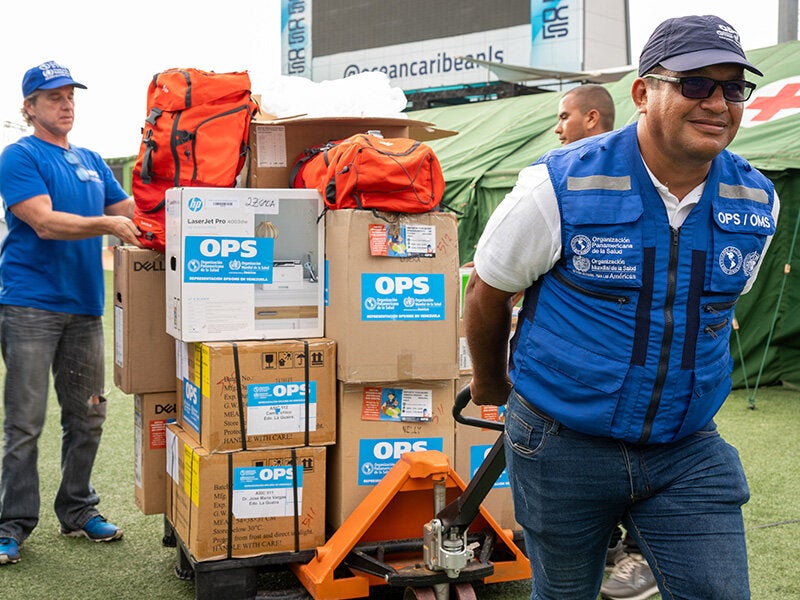
In response to these needs, nine ASICs in La Guaira state and the regional health authority received computer equipment to strengthen epidemiological surveillance, improve data collection and analysis, and facilitate localized decision-making. Response teams were also equipped with rapid-deployment and primary-care backpacks to strengthen field actions.

"This support is very important for our users. It allows us to give a more immediate response in the camps and send timely information about what is happening in the communities," explains Elisea Rosario, an epidemiologist from one of the Comprehensive Community Health Areas (ASIC).

supplies distribution
response team

A Response Built on Coordination

The magnitude of an emergency of this nature demands more than just resources; it requires coordination, preparation, and the ability to mobilize institutions and allies around a common goal. The Vice Minister of Collective Health Networks, Magda Magris Crestini, emphasized the importance of organizing these efforts to respond to the needs of both the population and the health personnel themselves, who have also been affected by the event.

"Despite this tragedy, we Venezuelans have shown how to overcome these situations. We have allies helping us, and the challenge is to organize all these alliances for the benefit of the population—because we are also part of that population: our families, our colleagues. The fight is to minimize losses for any reason," she noted.

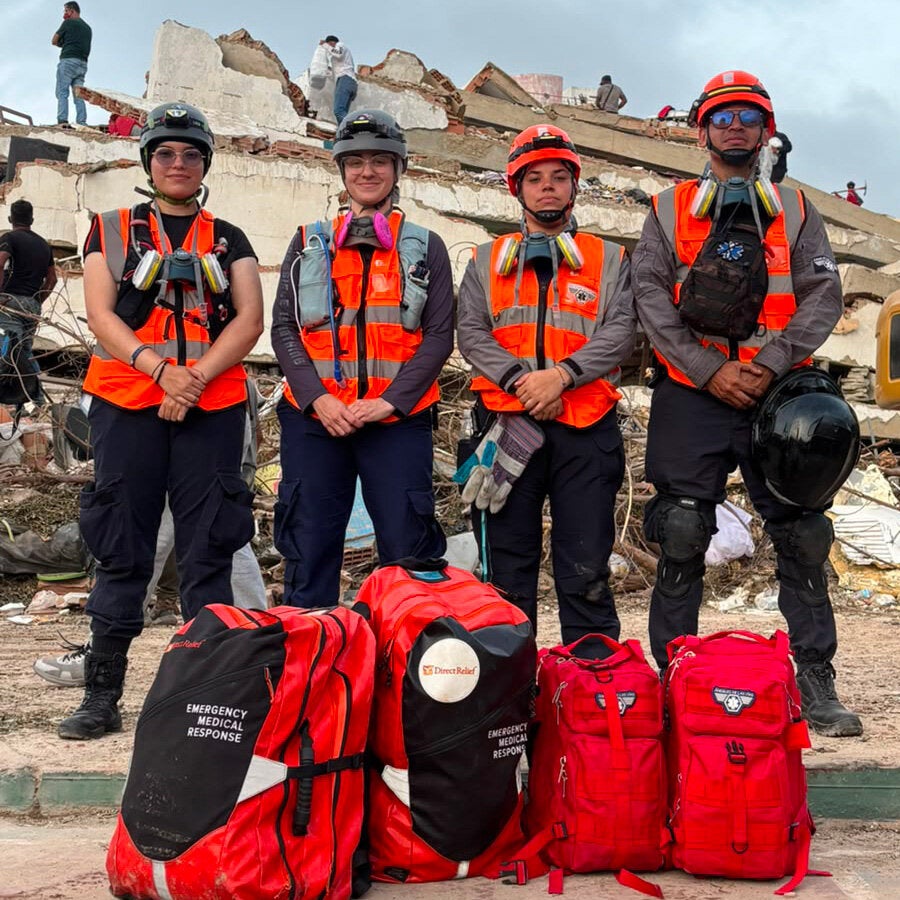
The response has also drawn solidarity from other countries in the region. In coordination with the Ministry of People's Power for Health, and based on damage and needs assessments carried out after the earthquake, PAHO has supported the coordination of international cooperation to channel shipments of medicines, vaccines, and medical supplies from Brazil, Colombia, and Chile. Likewise, strategic partners of the Organization, such as Direct Relief, have contributed by sending supplies and assisting with planned restocking for the subsequent phases of the emergency.

From Panama to the hospitals of Caracas and the camps of La Guaira, the supplies traveled a path built long before the emergency occurred. This logistical capability continues to accompany a response that keeps evolving, proving that when every hour counts, prior preparation bridges the gap to support national efforts where they are needed most.