

Alcohol consumption poses significant challenges for the social and economic development of many countries, including those in the Region of the Americas. The level of alcohol consumption in the Region is approximately 40% higher than the global average and is characterized by particularly risky drinking patterns.
Alcohol is a causal factor in more than 200 diseases and health conditions, including injuries, several types of cancer, cardiovascular diseases, liver diseases, mental health disorders, and injuries. It is also associated with important social consequences such as interpersonal and domestic violence, road traffic injuries, loss of productivity, and substantial economic costs for health systems and societies.
In the Americas, in addition to high levels of consumption, higher-risk drinking patterns are observed, particularly heavy episodic drinking, which significantly increases the risk of injuries, diseases, and premature mortality.
- Alcohol consumption in the Americas is approximately 40% higher than the global average.
- Alcohol contributes significantly to the burden of disease in the Region and is associated with noncommunicable diseases, mental health disorders, injuries, and violence.
- Approximately 54% of the adult population in the Americas consumes alcohol.
- Among those who drink alcohol, consumption levels are high: the average annual consumption among drinkers exceeds 15 liters of pure alcohol per person.
- More than 40% of drinkers engage in heavy episodic drinking, a pattern associated with increased risk of injuries, violence, and disease.
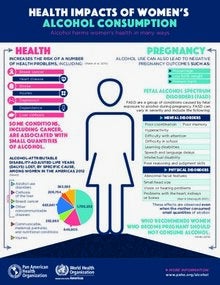
- Men experience higher levels of alcohol consumption and alcohol-related harm, although alcohol consumption among women is increasing in several countries.
- Coverage of treatment for alcohol use disorders remains low in many countries in the Region.
- Stigma and discrimination against people with substance use disorders continue to hinder access to health services and treatment.
Explore the data interactively in the ENLACE portal
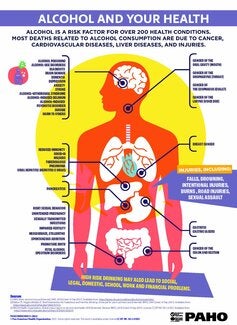
Alcohol is associated with more than 200 diseases and health conditions, including liver diseases, road injuries, violence, cancers, cardiovascular diseases, suicides, mental health disorders, tuberculosis, HIV/AIDS.
Alcohol affects every country in the Region. In general, the lower a country’s level of development, the higher the relative burden of disease attributable to alcohol. However, in countries where alcohol consumption is highest, the absolute burden of alcohol-related diseases and injuries is greater.
The Region of the Americas has one of the highest levels of alcohol consumption in the world, second only to the European Region. If effective public health policies are not implemented, alcohol consumption and related harms are expected to increase in several countries.
Learn about the impact of alcohol use on different aspects of health on the Alcohol and Health fact sheets series:
The Pan American Health Organization provides technical leadership and supports Member States in strengthening public health policies to prevent and reduce alcohol-related harm.
PAHO generates and disseminates scientific evidence on alcohol consumption and its health impacts, promotes evidence-based policies and interventions, and supports countries in monitoring alcohol consumption levels and patterns, as well as the associated burden of disease.
Among the psychoactive substances consumed in the region, alcohol is one of the leading risk factors for the burden of disease, particularly in relation to noncommunicable diseases, injuries, and mental health disorders.
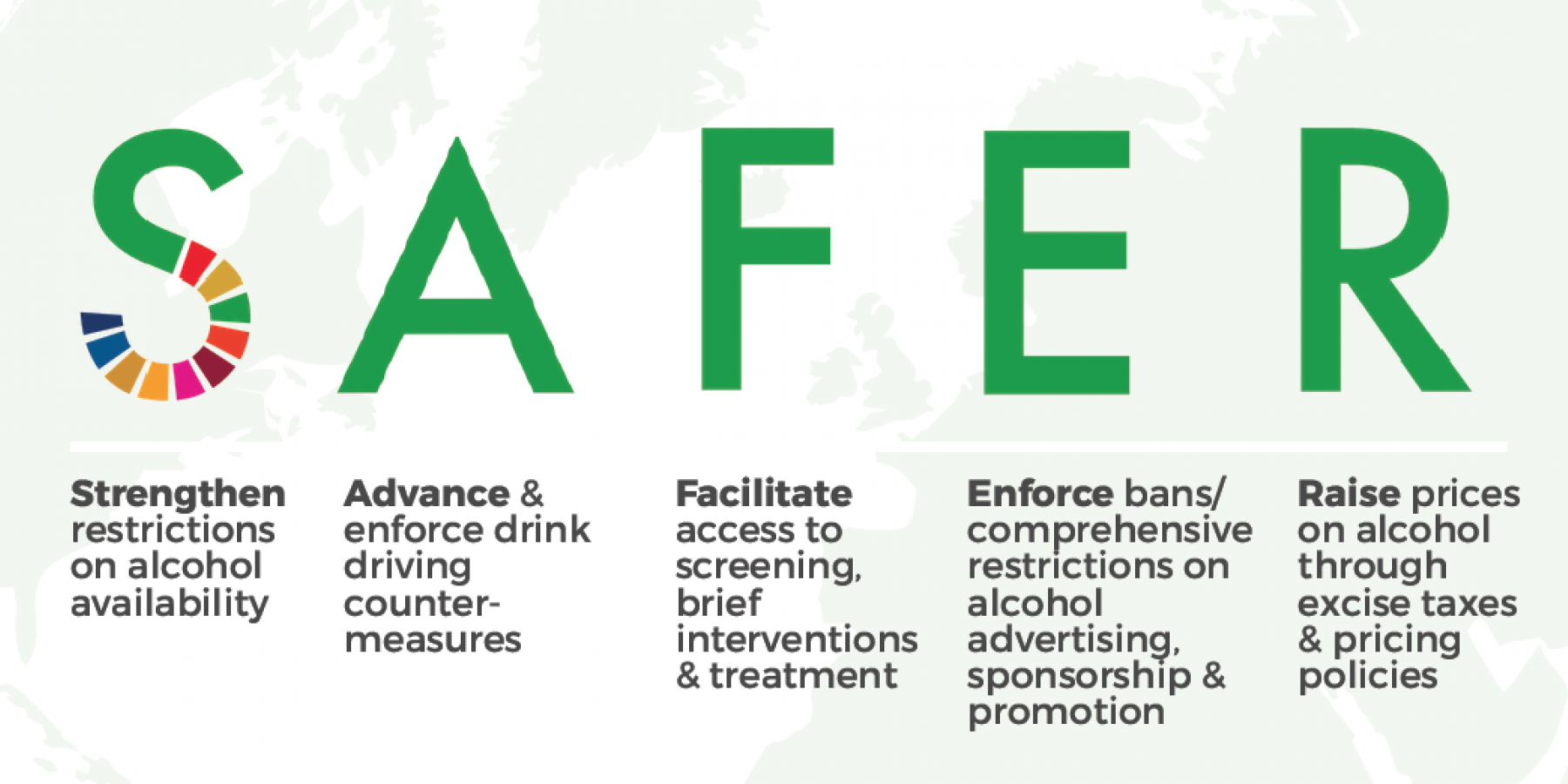
PAHO works with countries to strengthen the design, implementation, and evaluation of effective alcohol policies. In particular, the Organization promotes the implementation of the SAFER technical package, a WHO initiative that brings together five cost-effective interventions to reduce alcohol-related harm:
- Strengthen restrictions on alcohol availability
- Advance and enforce drink-driving countermeasures
- Facilitate access to screening, brief interventions, and treatment
- Enforce bans or restrictions on alcohol advertising, sponsorship, and promotion
- Raise alcohol prices through excise taxes and pricing policies
PAHO also supports countries in strengthening surveillance systems, generating strategic information for decision-making, and building technical capacity for the development and implementation of effective public health policies. Priority cross-cutting issues include gender, human rights, health promotion, and strengthening primary health care services.