Micronutrients, generally derived from food intake, are minute amounts of vitamins and minerals required by the body for most cellular functions. The most common micronutrient deficiencies include Vitamin A, Vitamin D, B12, iron, iodine, and zinc. Micronutrient deficiencies can result in poor ocular health, low birth weight, and negatively impact the physical and cognitive development of children, and increase the risk of adult chronic diseases.
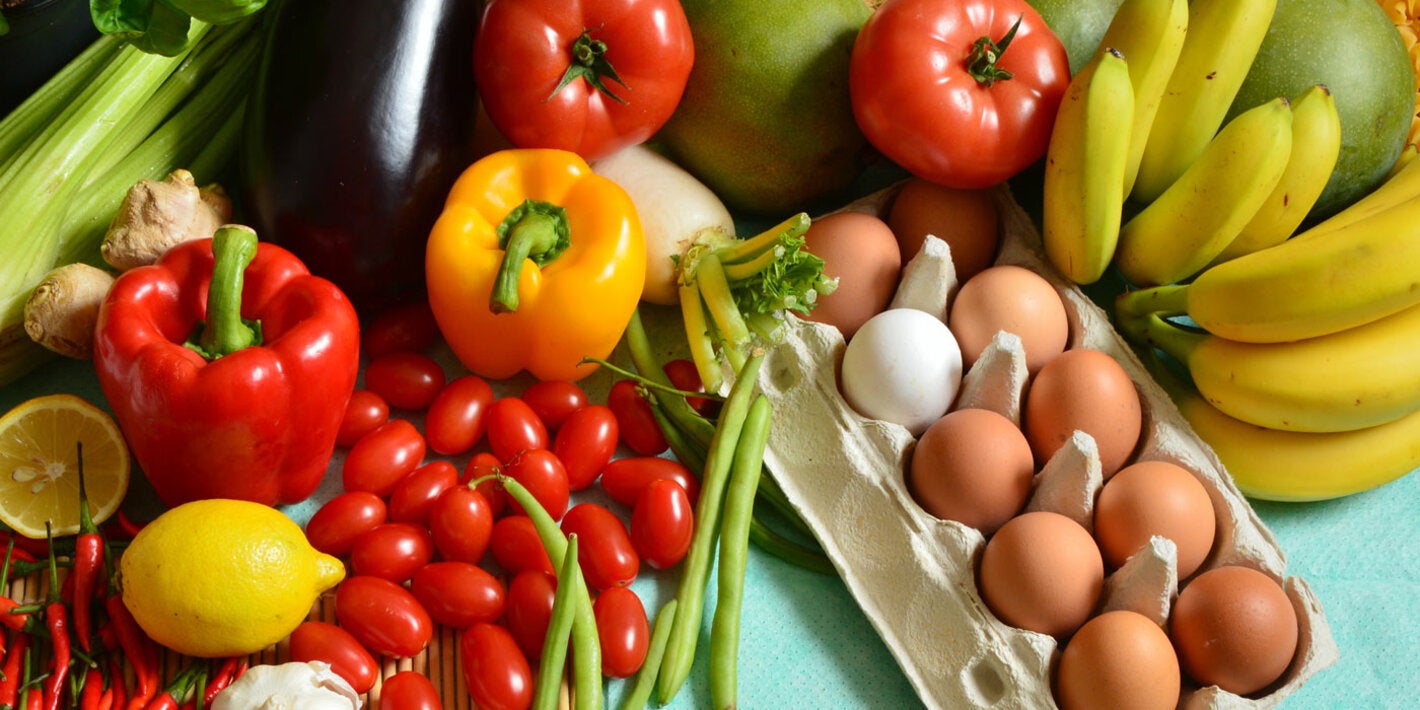
Strategies focused on nutrient-rich and diverse food intake, fortified foods, and vitamin supplementation can help with the prevention of micronutrient deficiencies.
- An estimated 42% of children under 5 years of age and 40% of pregnant women worldwide are anaemic.
- UNICEF estimates that 66% of households globally have access to iodized salt.
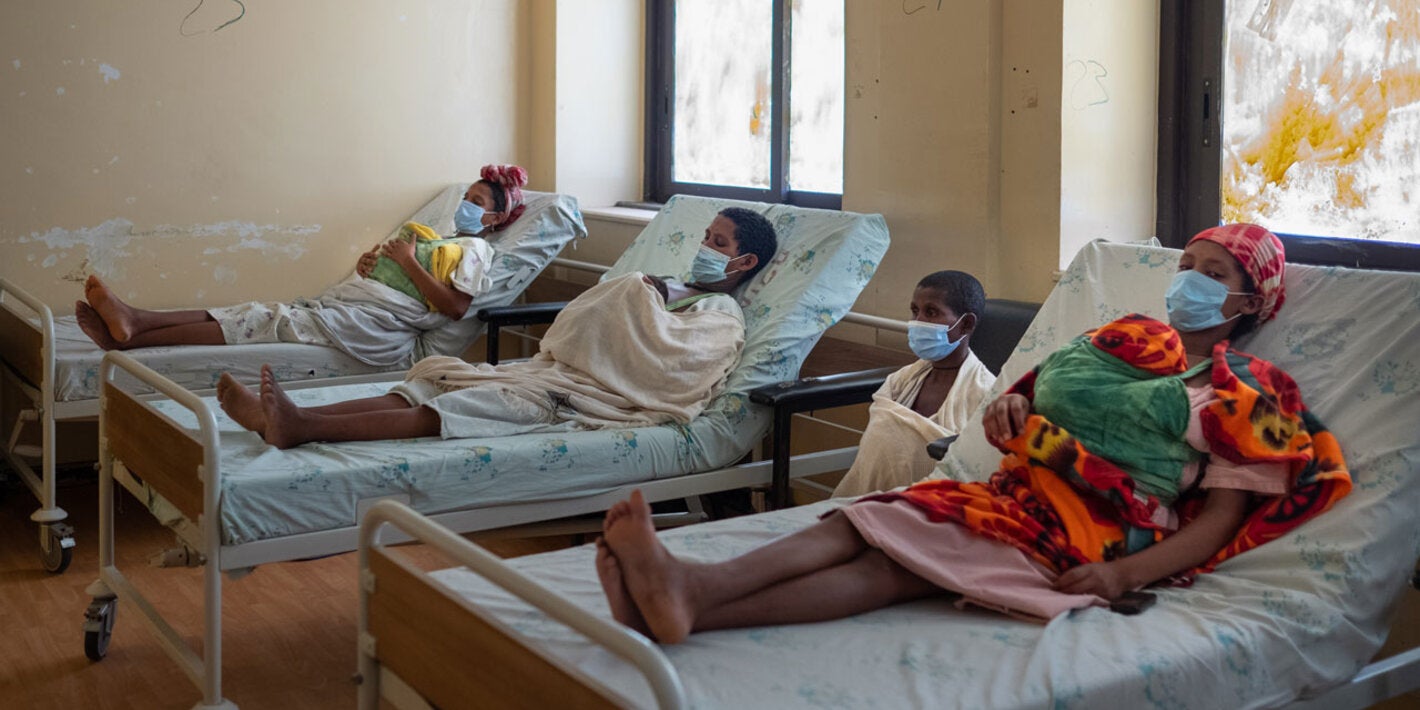
Micronutrient deficiencies can cause several serious health issues. A lack of iron, folate, and vitamins B12 and A can lead to anaemia. Anemia is a condition in which there is a reduced number of red blood cells or haemoglobin concentration, causing fatigue, weakness, shortage of breath, and dizziness. This can further lead to difficulties in functioning in work, education, and community engagement. An estimated 42% of children under 5 years of age and 40% of pregnant women worldwide are anaemic.
Severe iodine deficiency can lead to brain damage and, during pregnancy, can cause a number of issues, including stillbirth, spontaneous abortion, and congenital anomalies. Less severe iodine deficiency may still cause mental impairment that reduces intellectual capacity. The preferred strategy for the control of iodine deficiency remains universal salt iodization, which requires that all food-grade salt used in household and food processing be fortified with iodine. UNICEF estimates that 66% of households globally have access to iodized salt.
Vitamin A deficiency is the leading cause of preventable blindness in children and increases the risk of disease and death from severe infections such as diarrhoeal disease and measles. Vitamin A deficiency may also occur in women during the last trimester of pregnancy in high-risk areas. Breastfeeding is the best way to protect babies from vitamin A deficiency, and in areas where vitamin A deficiency is a public health problem, vitamin A supplementation is recommended in infants and children 6-59 months of age.
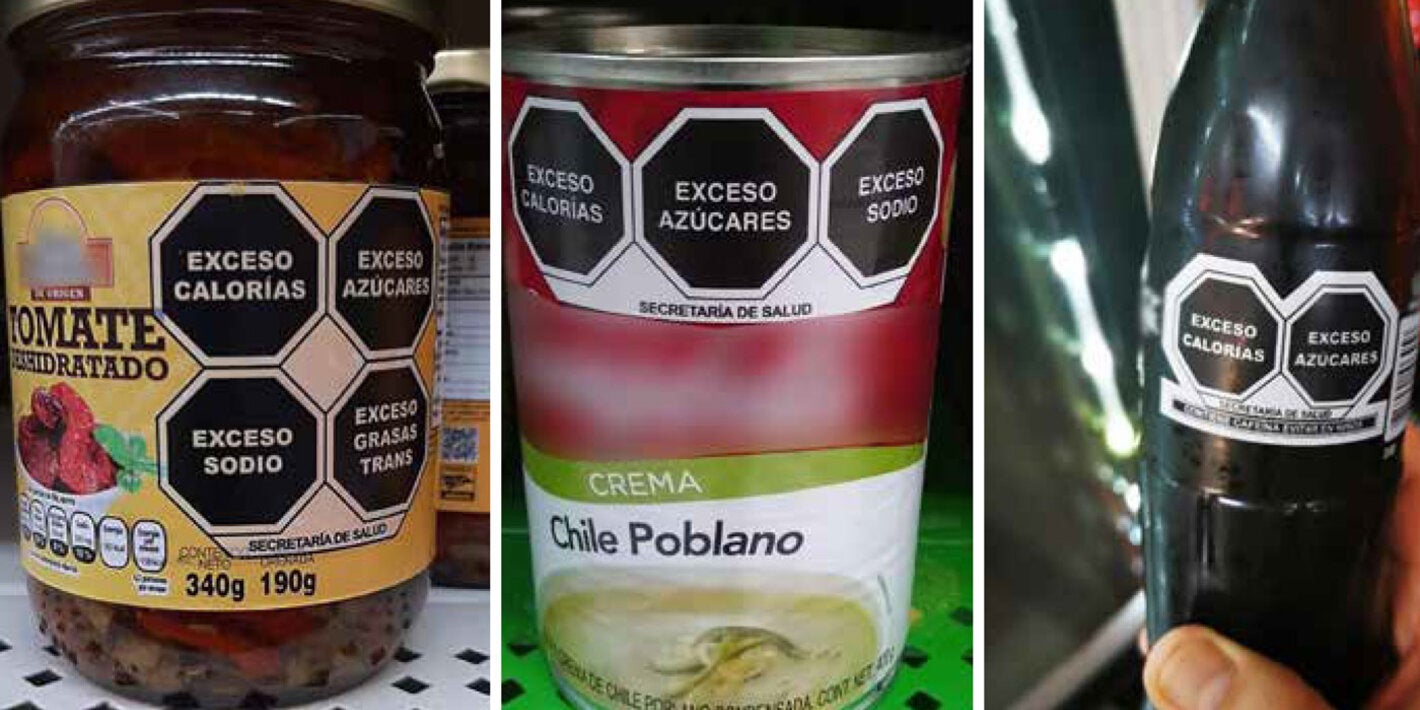
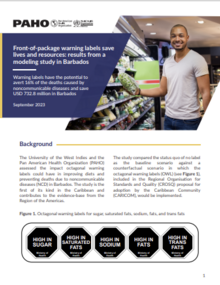
PAHO provides leadership and technical cooperation to Member States on healthy nutrition, such as breastfeeding and complementary feeding, front-of-package labelling, obesity prevention, salt reduction, and elimination of trans-fatty acids.
PAHO promotes, generates, and disseminates information on these key topics, evidence-based policies and interventions, and monitors trends.
The Pan American Health Organization Nutrient Profile Model is a tool to classify processed and ultra-processed food and drink products that are in excess of critical nutrients such as sugars, sodium, total fat, saturated fat, and trans-fatty acids.
The Better Care for NCDs initiative promotes nutrition and healthy diet counseling. Discover how we're transforming the approach to NCDs in primary health care.