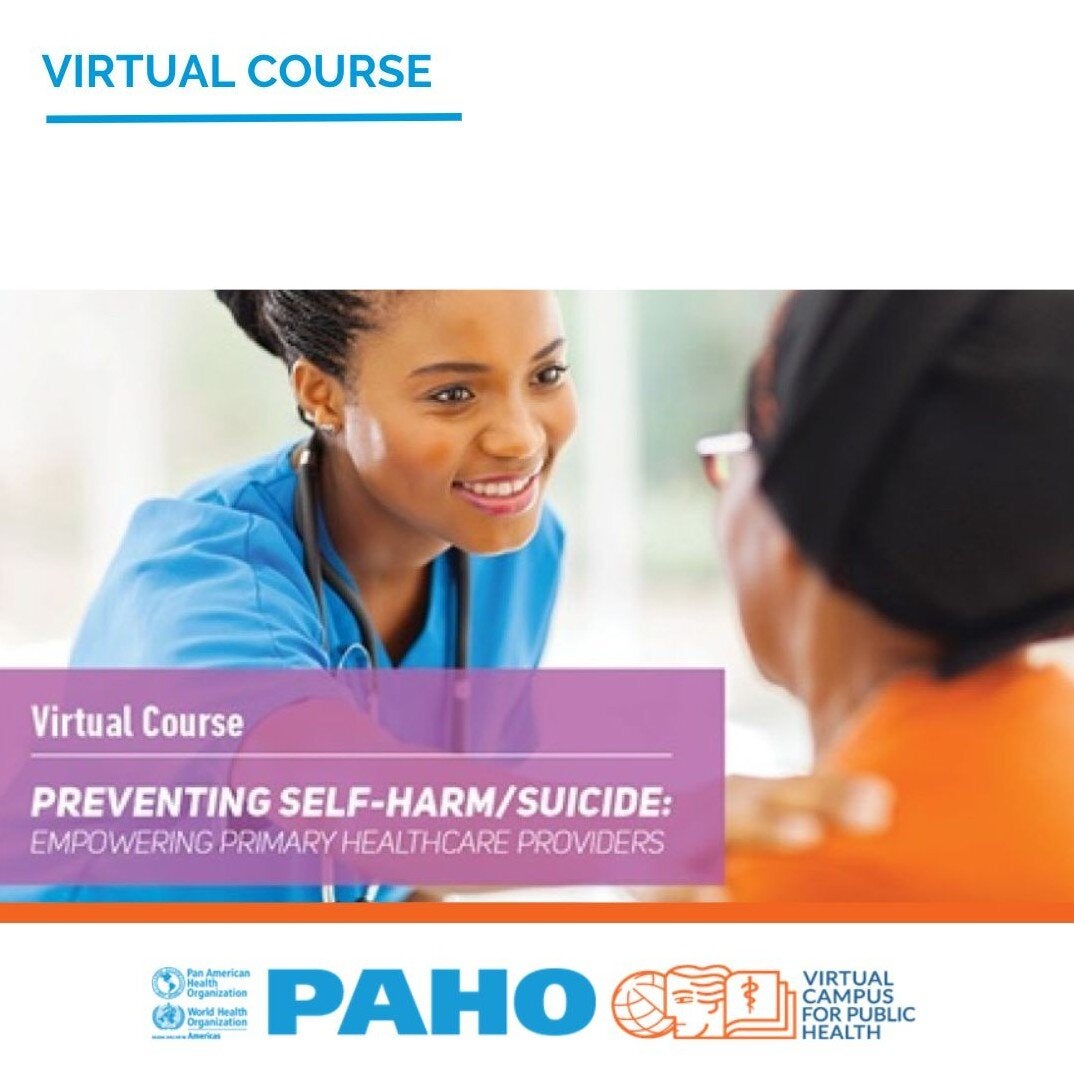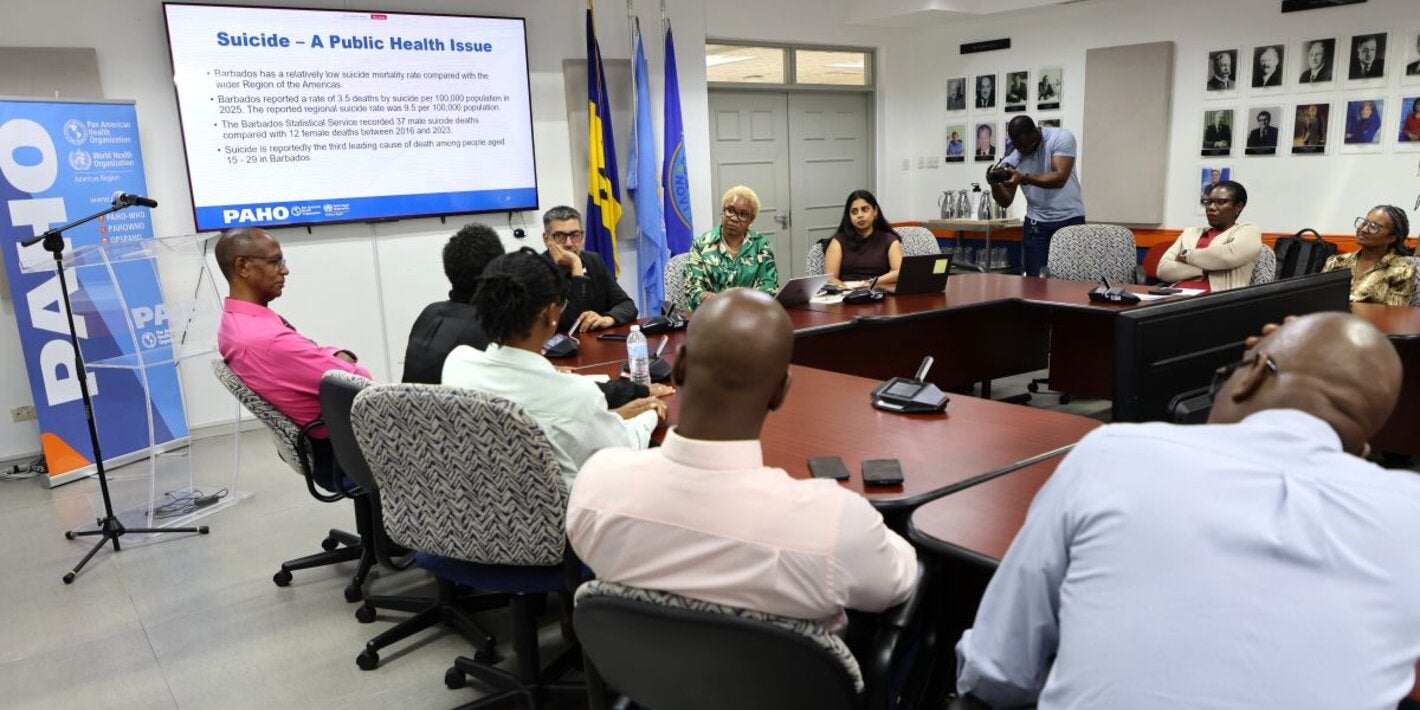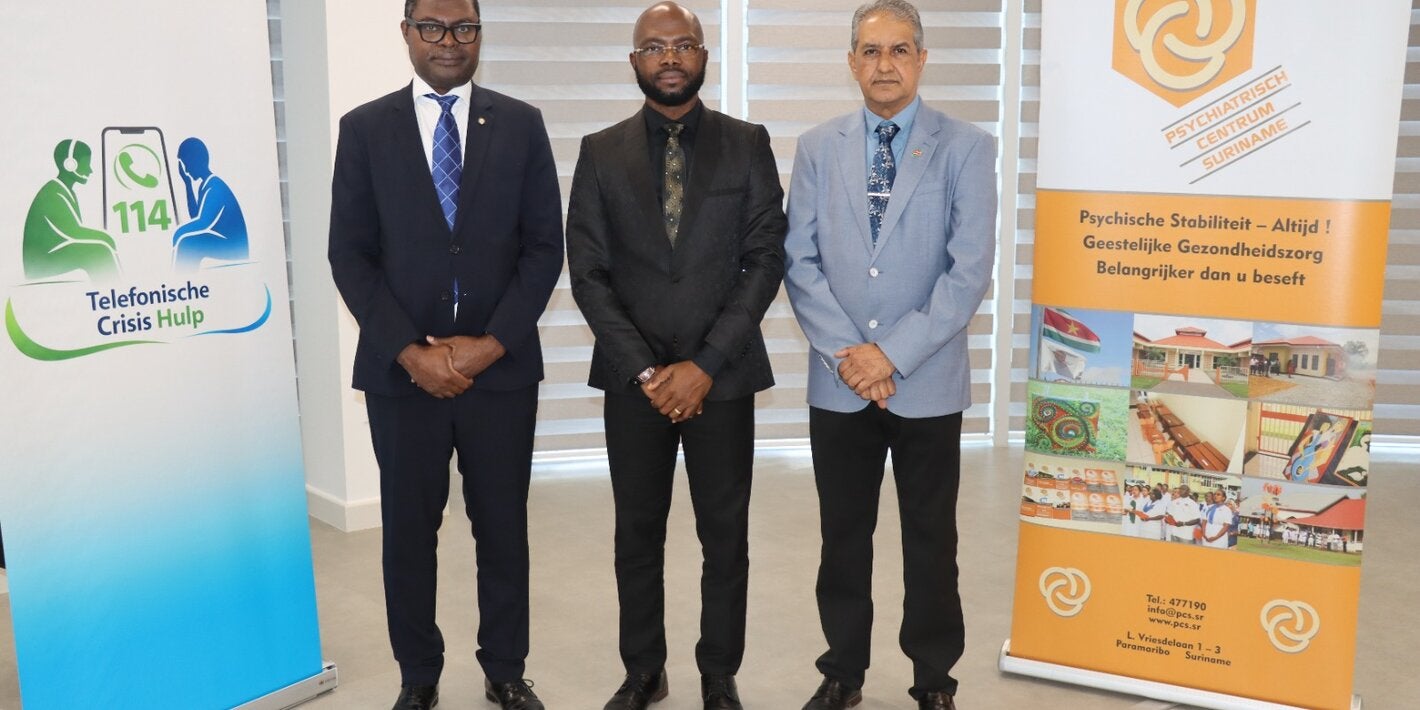
Suicide is a major public health issue still surrounded by stigma, myths, and taboos. Every suicide is a tragedy that affects not only individuals but also families and communities. In 2021, an estimated 727,000 people worldwide lost their lives to suicide. The Region of the Americas is the only WHO Region where suicide rates have increased. The fifth regional report, Suicide in the Americas (September 2025), provides the most up-to-date epidemiological data on suicide for all countries and subregions, offering valuable insights to address this challenge.
Although suicide is a complex phenomenon, it is largely preventable. In June 2021, WHO launched LIVE LIFE, an implementation guide with four key interventions to prevent suicide worldwide:
- Limiting access to the means of suicide
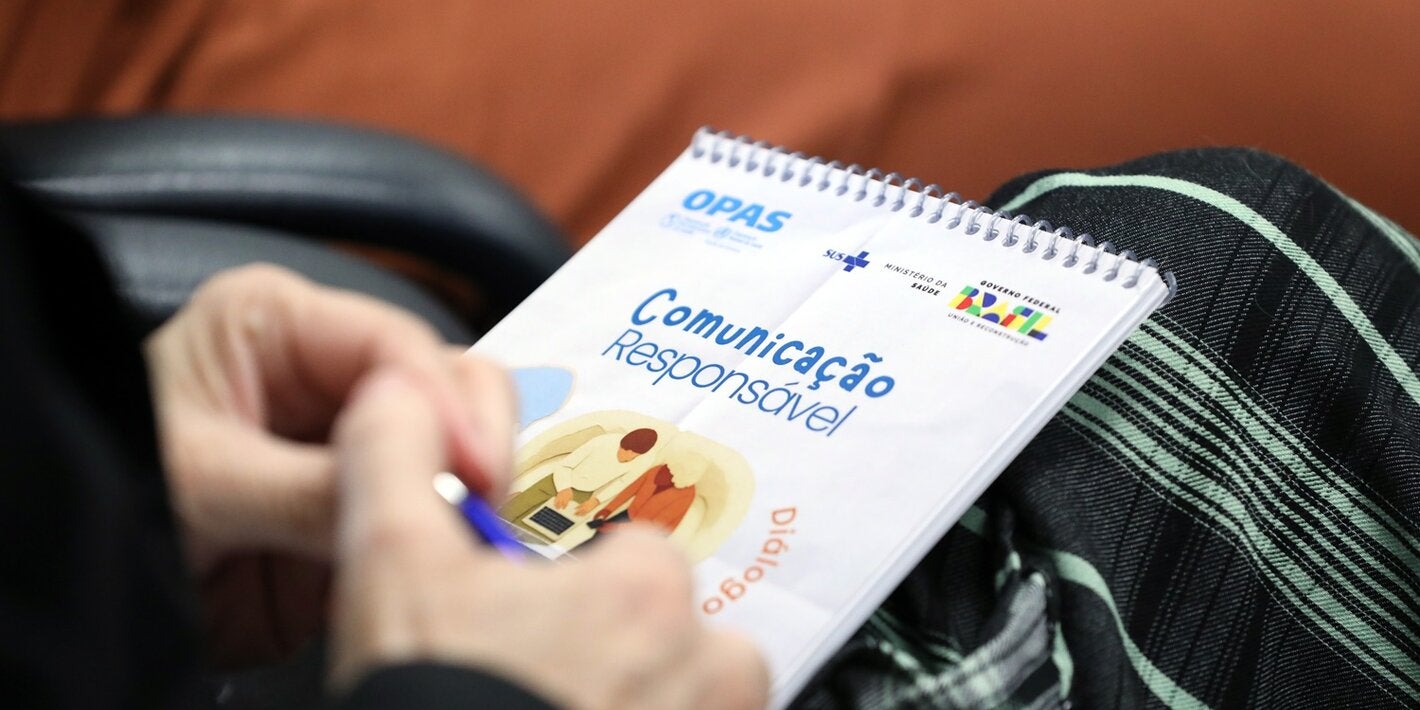
- Interacting with the media for responsible reporting of suicide
- Fostering socio-emotional life skills in adolescents
- Early identification, assessment, management, and follow-up for anyone impacted by suicidal thoughts and behaviours
- Approximately 100,760 people in the Region of the Americas died by suicide in 2021, with an age-standardized mortality rate of 9.2 deaths per 100,000 population.
- North America had the highest suicide mortality rate in 2021 at 13.5 per 100,000 population, while the Andean Area recorded the lowest at 5.1 per 100,000 population.
- For every death by suicide, there are about eight suicide attempts. This ratio is 4.8 times higher among females than among males.
- Suicide mortality rates are notably higher among males, with approximately 3.7 male deaths by suicide for every one female death in 2021.
- From 2000 to 2021, the suicide mortality rate rose more sharply among females (23.1%) than among males (14.4%).
- People aged 50 and older account for the largest proportion of suicides in the Region.
- There are significant variations in suicide burden across subregions and countries.
Suicide in the Region of the Americas stems from a range of interconnected risk factors. Mental health problems—particularly depression and substance use—play a central role, while social isolation, discrimination, violence, and gender-based inequities increase vulnerability. Economic hardship, limited access to quality mental health services, and the availability of lethal means such as firearms or toxic substances also compound risk. Addressing these drivers is essential to designing responses that meet both individual mental health needs and broader social determinants of suicide.
Countries across the Americas are encouraged to adopt comprehensive national suicide prevention plans. Evidence-based strategies include restricting access to lethal means, expanding mental health care and crisis services, promoting responsible media reporting, and reducing stigma around help-seeking. Community- and school-based initiatives—such as peer support programs, awareness campaigns, and gatekeeper training—strengthen prevention efforts. Integrating suicide prevention into primary health care and leveraging robust data and surveillance systems are also critical for tracking progress and guiding resources effectively.
PAHO works closely with governments, civil society, health systems, and communities across the Americas to prevent suicides. Under the Sustainable Development Goals (SDGs), Target 3.4 aims to reduce premature mortality from non-communicable diseases by one-third by 2030, while promoting mental health and well-being. Suicide mortality (indicator 3.4.2) remains a key outcome measure. Building on the Strategic Plan 2020–2025, PAHO has adopted the “Strategy for Improving Mental Health and Suicide Prevention in the Region of the Americas (2024–2030)” to help Member States scale up prevention efforts.
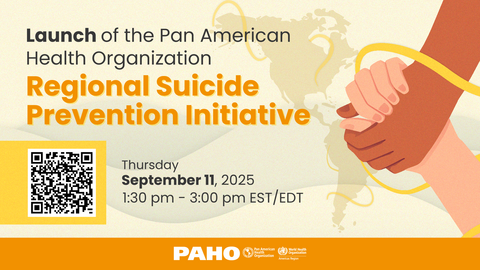
Building on this momentum, PAHO has launched a three-year regional suicide prevention initiative focused on reducing suicide mortality in the Americas, with particular attention to countries experiencing the highest and rising rates. The initiative emphasizes the implementation of evidence-informed interventions, including those outlined in the WHO’s LIVE LIFE Implementation Guide. This includes working with governments to restrict access to highly hazardous pesticides and other lethal means—a step shown to be one of the most effective ways to prevent self-poisoning suicides.
The initiative comprises five strategic areas:
- Strengthen suicide prevention plans – Develop and coordinate evidence-based, multisectoral strategies and action plans using a whole-of-society approach, ensuring engagement of health, education, labor, media, justice, and community sectors.
- Improve surveillance and monitoring – Enhance data systems on self-harm and suicide to inform interventions and track progress.
- Expand access to care – Provide high-quality, person-centered mental health services, including digital solutions, to support people at risk and their families.
- Address underlying risk factors – Tackle social and environmental determinants of poor mental health to reduce vulnerability and promote well-being across the life course.
- Raise awareness and reduce stigma – Promote public understanding of mental health, self-harm, and suicide to improve help-seeking and early identification of at-risk individuals, and encourage responsible media reporting of suicide to reduce harm and prevent contagion.