World Food Safety Day
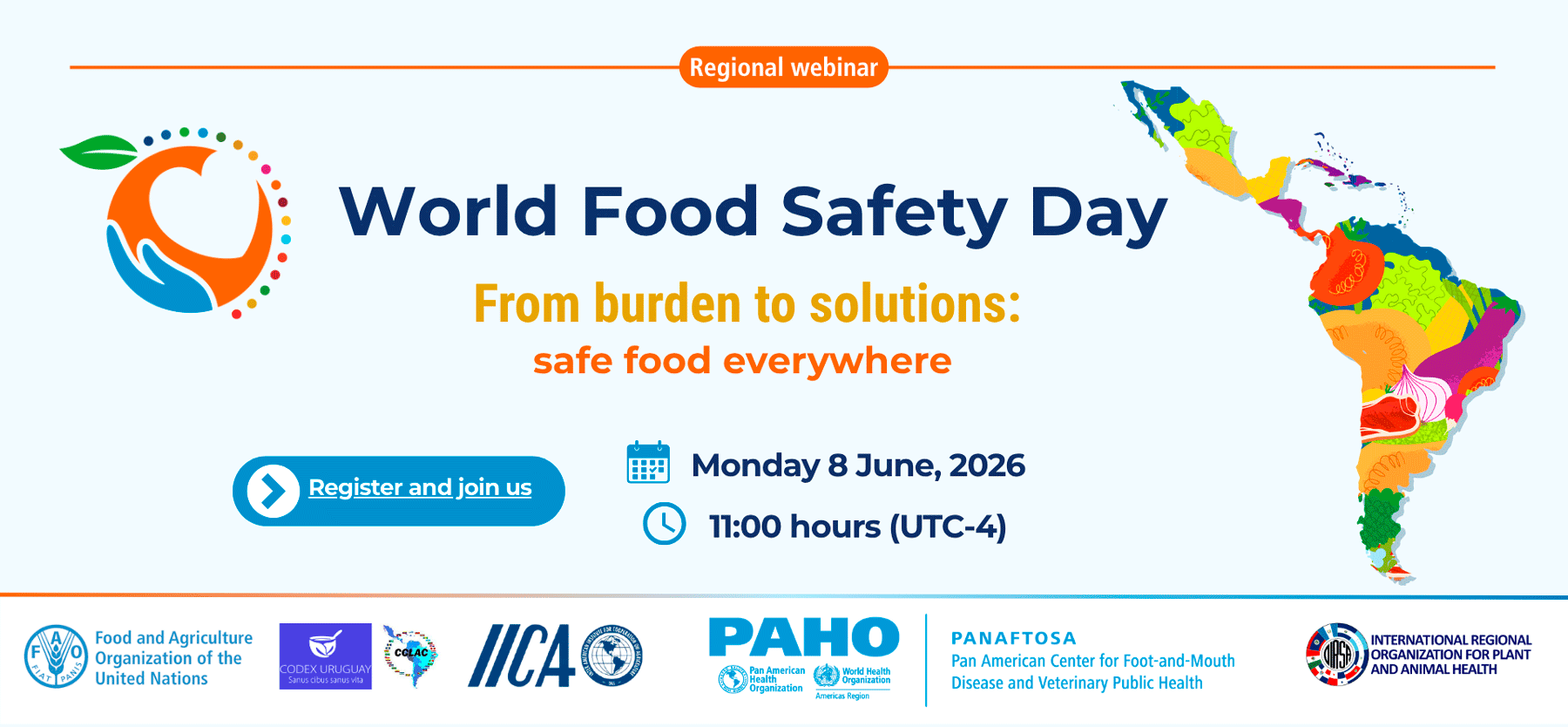
June 7 – “From Burden to Solutions: Safe Food Everywhere”
World Food Safety Day (WFSD) is celebrated every June 7, and in 2026 marks its eighth edition. Each year, 600 million people fall ill due to the 200 different types of diseases that can be transmitted through food. Low-income populations and young people are among the most affected. Foodborne diseases cause 420,000 preventable deaths annually.
This observance aims to raise awareness and promote concrete actions to prevent, detect, and control foodborne risks, thereby supporting human health, safe trade, responsible agriculture, and sustainable development.
Foodborne diseases have significant impacts on public health, the economy, and social well-being. Reliable data and scientific evidence are essential to understanding the scale of these risks and strengthening prevention and control measures throughout the entire food chain.
Within the framework of World Food Safety Day, PANAFTOSA highlights the importance of science and evidence-based information in protecting people’s health. From production and transportation to marketing, preparation, and consumption, all actors in the food chain play a fundamental role in preventing contamination and foodborne diseases.
The generation and use of data enable governments to develop more effective public policies, businesses to strengthen their food safety practices, and consumers to make informed decisions. A sustained commitment to science, surveillance, and multisectoral cooperation is key to reducing the burden of foodborne diseases and ensuring safe food for everyone, everywhere.
Ensuring food safety begins with understanding which populations are most affected, where they are located, and what the main causes of foodborne diseases are. Data collection and analysis make it possible to identify priority risks and guide more effective actions to protect public health.
Measuring the burden of foodborne diseases and identifying their causative agents provide key information for countries to strengthen surveillance systems, develop targeted interventions, and allocate resources strategically. Likewise, these data support risk managers in adopting evidence-based food safety standards and measures tailored to their national contexts.
Strengthening information systems and promoting science-based decision-making are fundamental steps toward safer food and more resilient food systems.