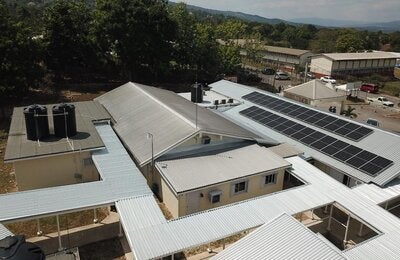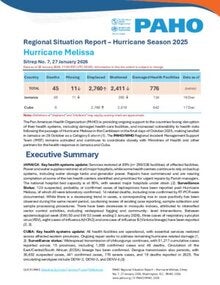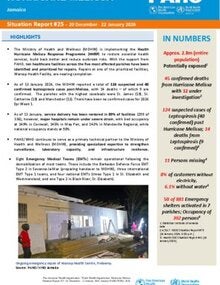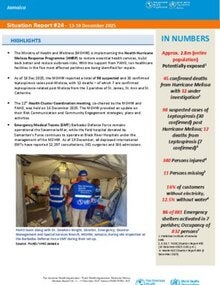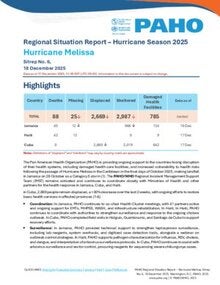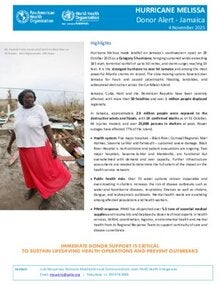
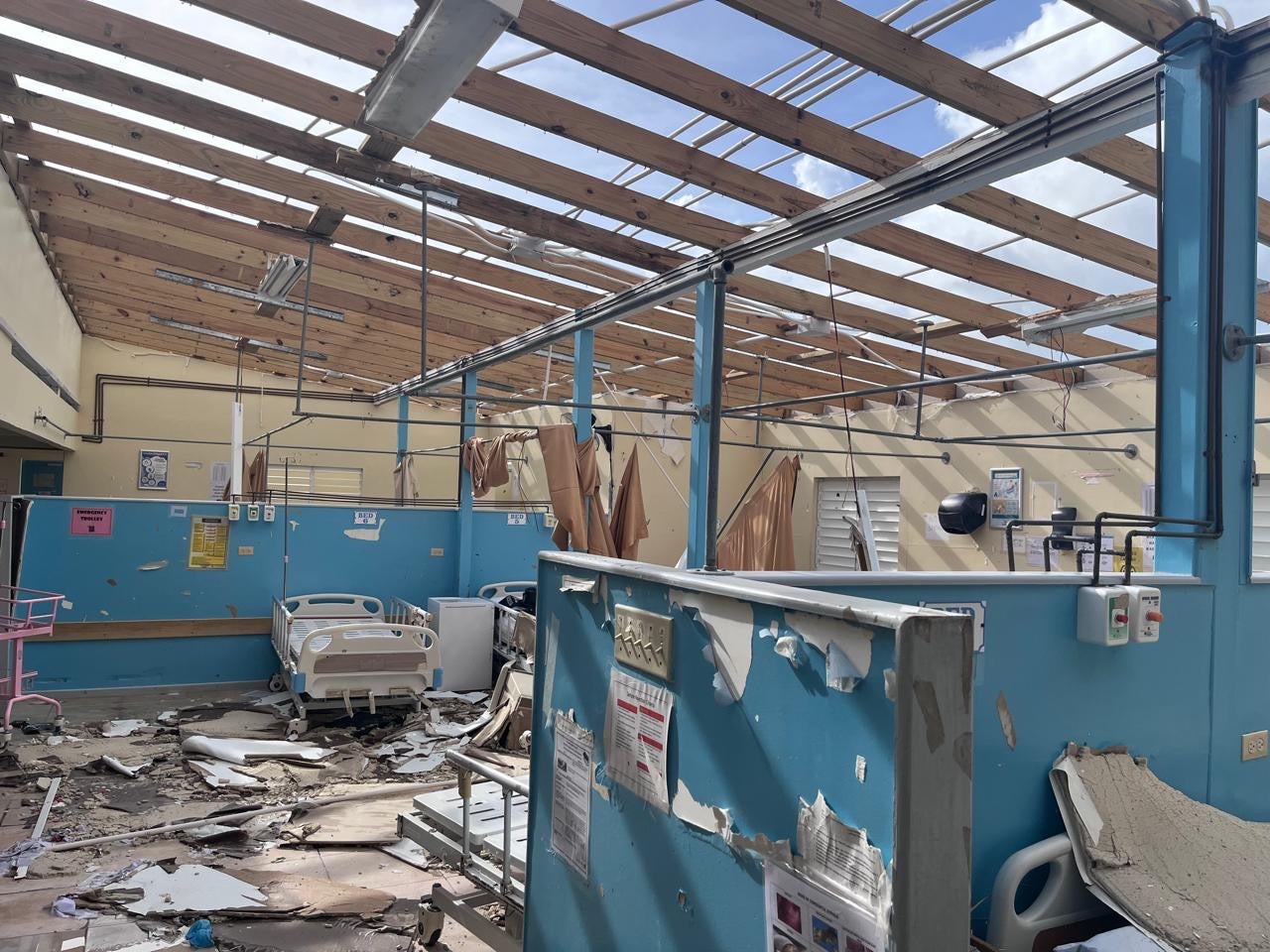
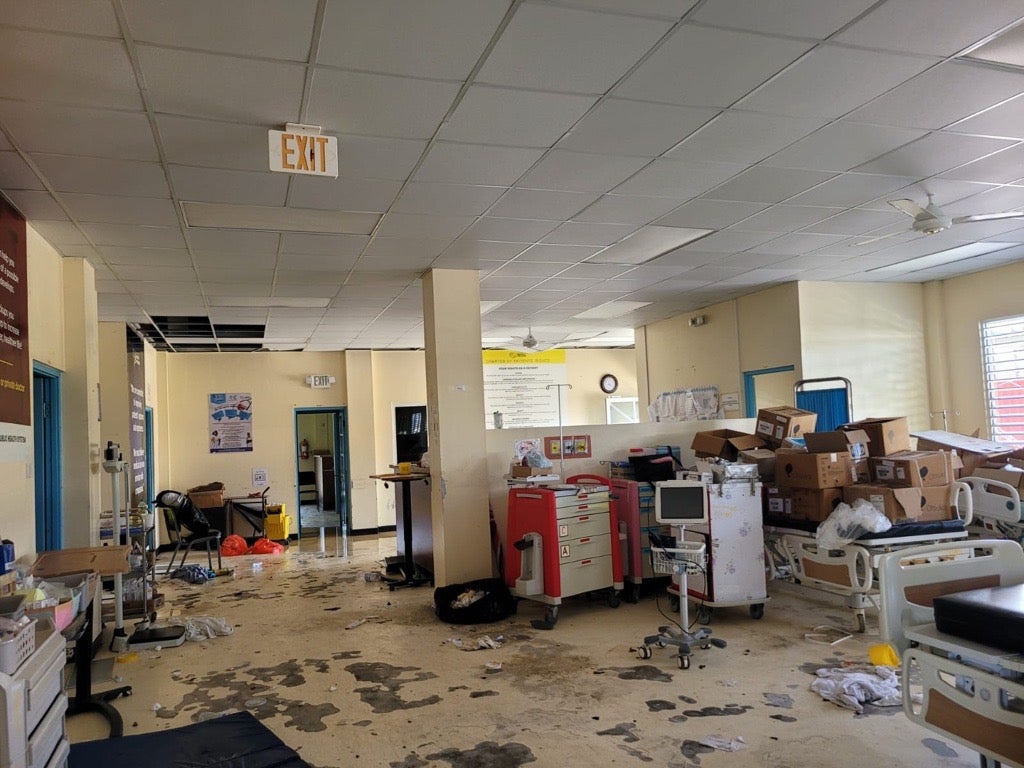
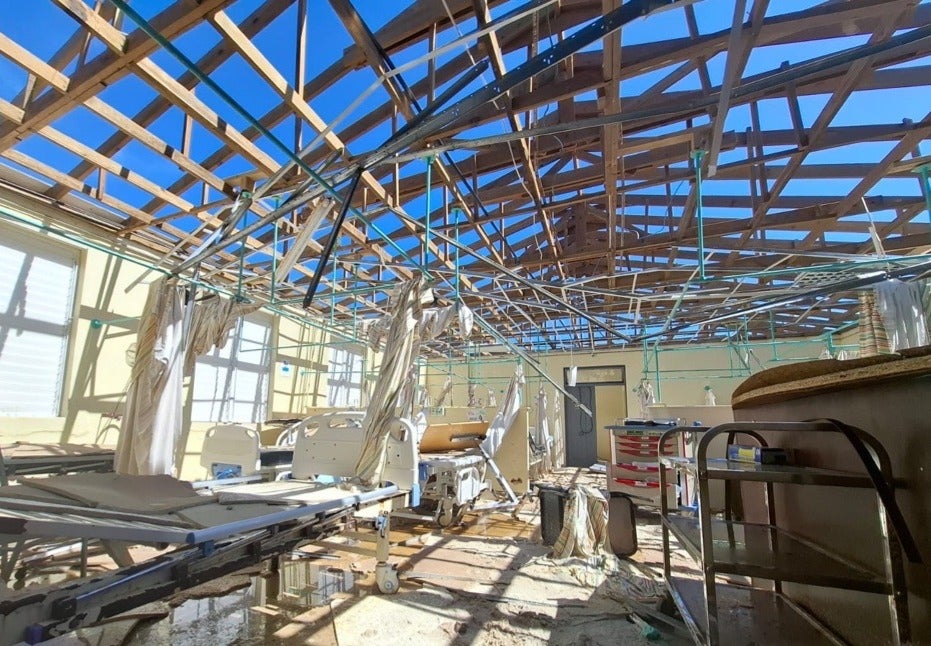
Hurricane Melissa made landfall in Jamaica on October 28, 2025, as a Category 5 storm. Hurricane Melissa affected Cuba, Haiti, the Bahamas, Bermudas, and the Dominican Republic, causing severe impacts in Jamaica. While Jamaica is the most affected country, with major damage to health infrastructure and disruptions to essential health services, Cuba and Haiti are also facing the compounded impact of the hurricane on already strained health systems amid ongoing socioeconomic challenges.
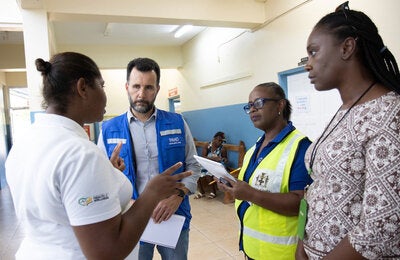
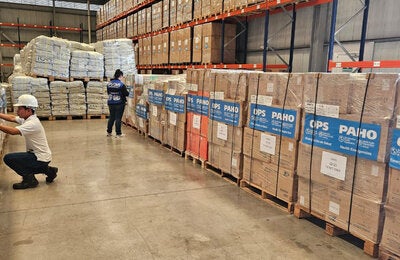
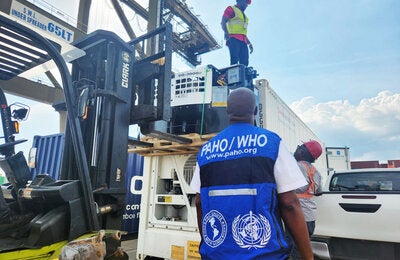
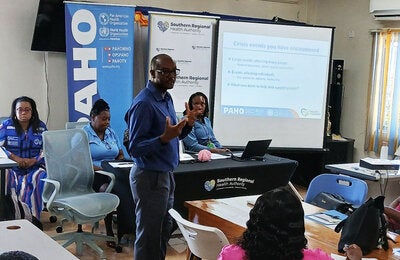
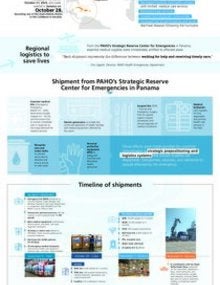
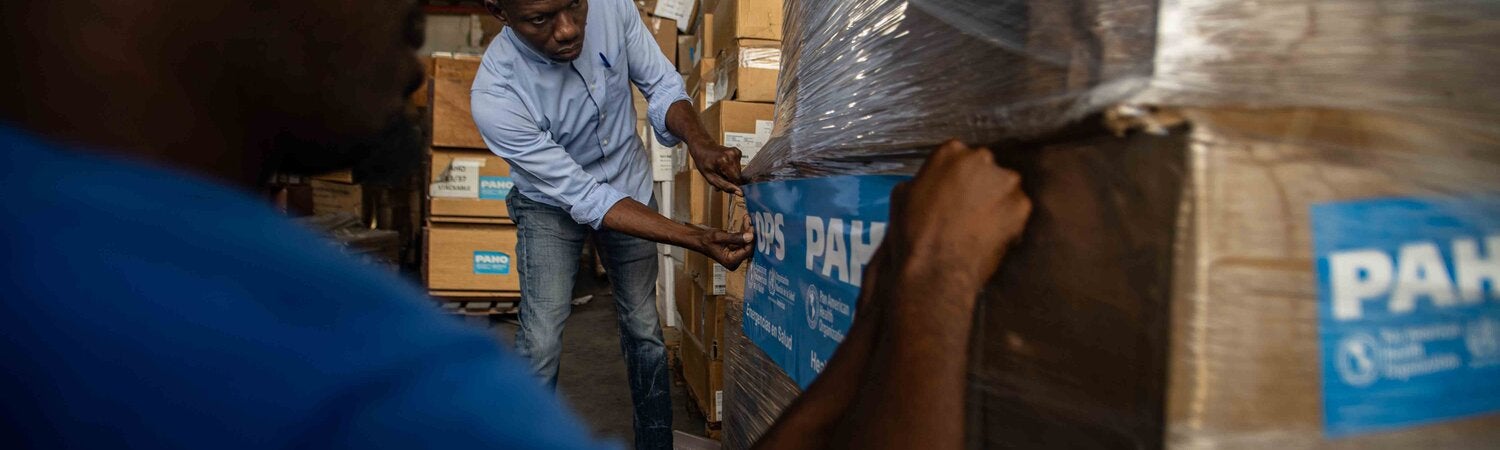
PAHO is collaborating with Ministries of Health and partners in the affected countries to support damage and needs assessments, provide immediate humanitarian assistance, and strengthen the health response to mitigate the impact on the population.
For more information, please refer to PAHO’s situation reports.



Main Health Threats
- Water- and foodborne diseases
- Leptospirosis
- Trauma and injuries
- Psychosocial conditions
- Respiratory diseases
- Vector-borne diseases
In Jamaica, preliminary assessments estimate that between 98,000 and 359,000 people may need food assistance. Mental health has become a critical priority, with growing psychosocial needs among children, displaced families, and health workers. Epidemiological surveillance is being carried out in all health facilities and shelters to quickly detect and respond to potential outbreaks, including leptospirosis.
In Cuba, active dengue transmission and a sharp increase in chikungunya cases have been reported, while Oropouche virus disease has recently emerged and expanded beyond its usual range. Hurricane Melissa coincides with increased arbovirus transmission, and flooding is likely to worsen the situation.
See detailed information in the Public Health Situation Analysis.
PAHO's Response
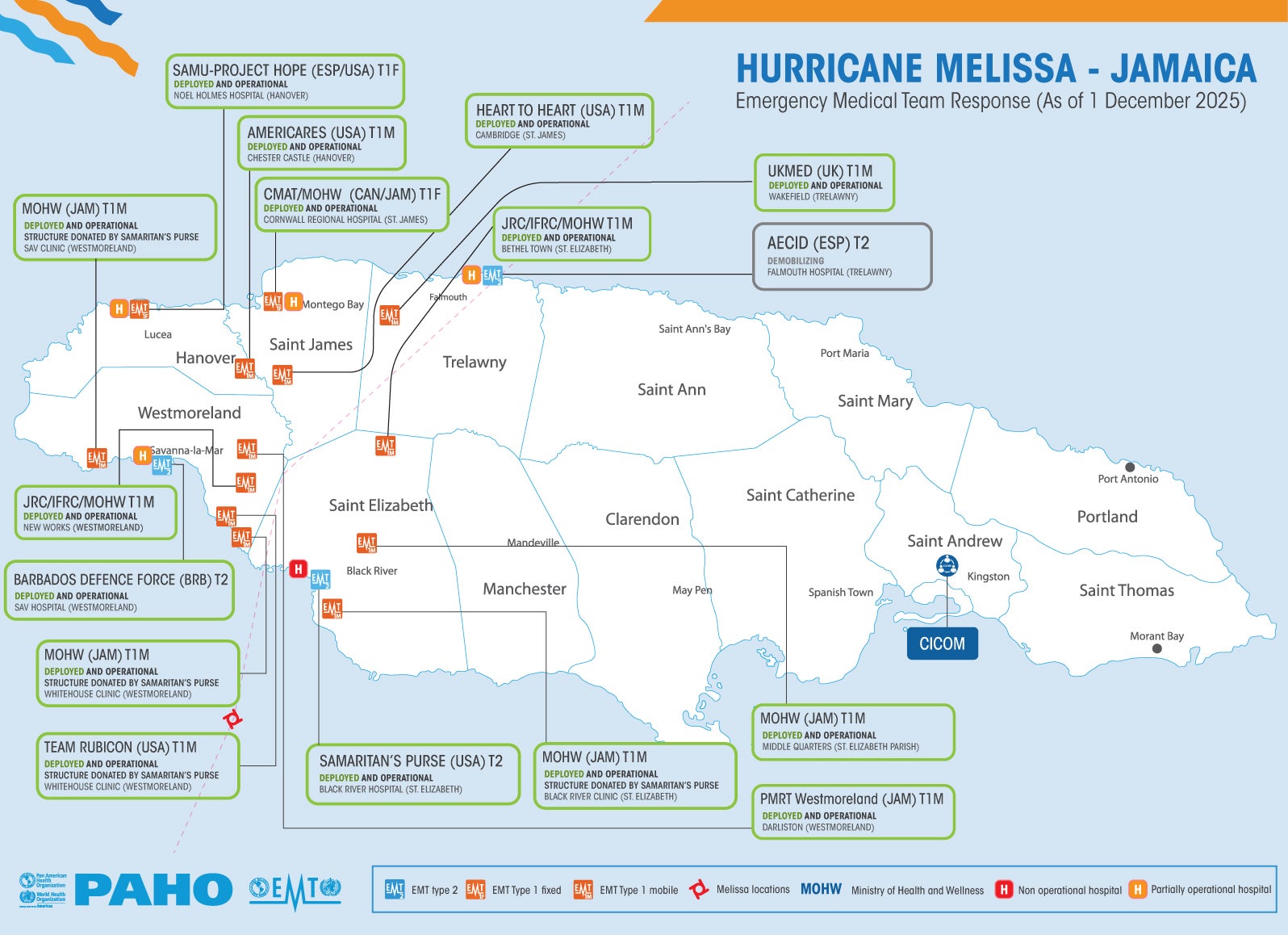
Funding requirement to support urgent health priorities for the first six months of the response is estimated at US$ 14.2 million.
Immediate donor support is critical to sustain lifesaving health operations and prevent outbreaks.