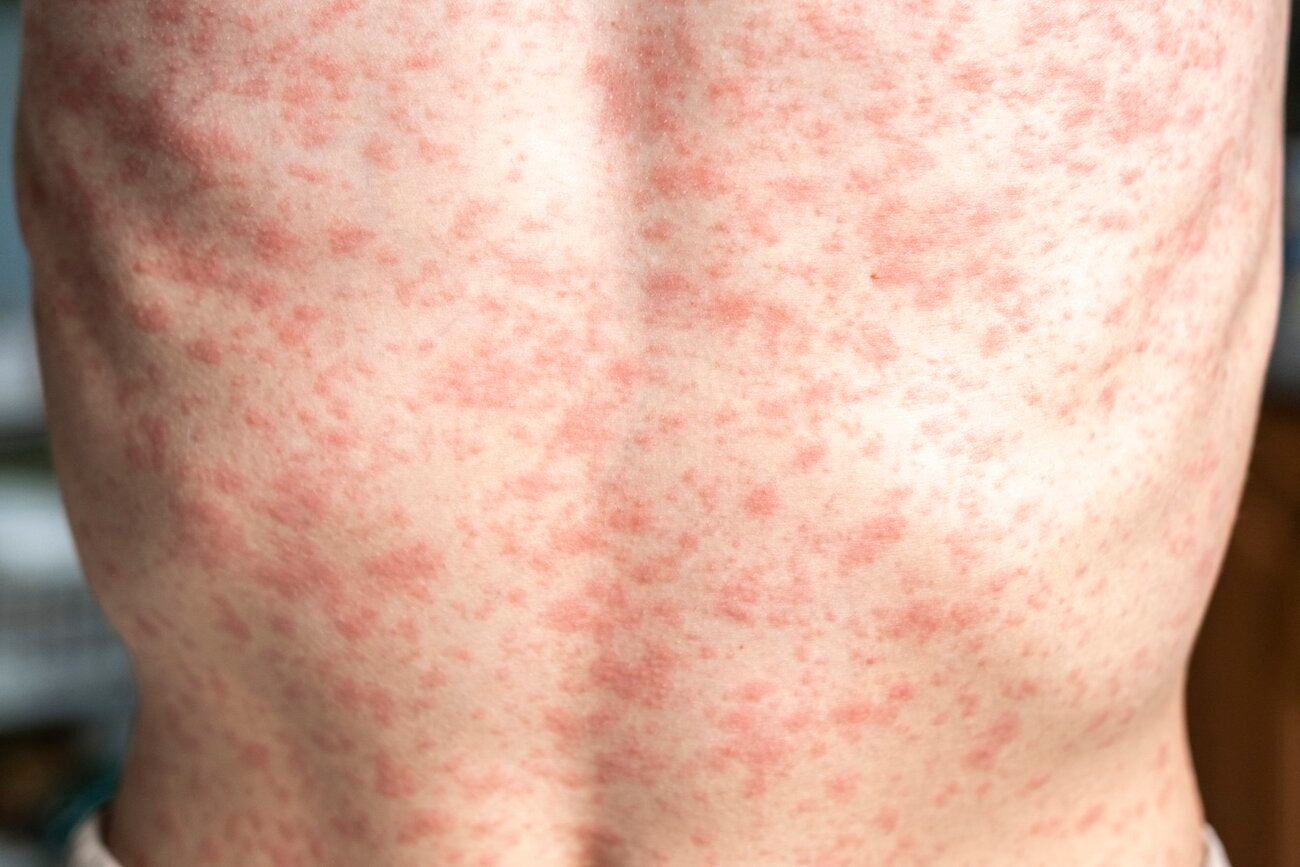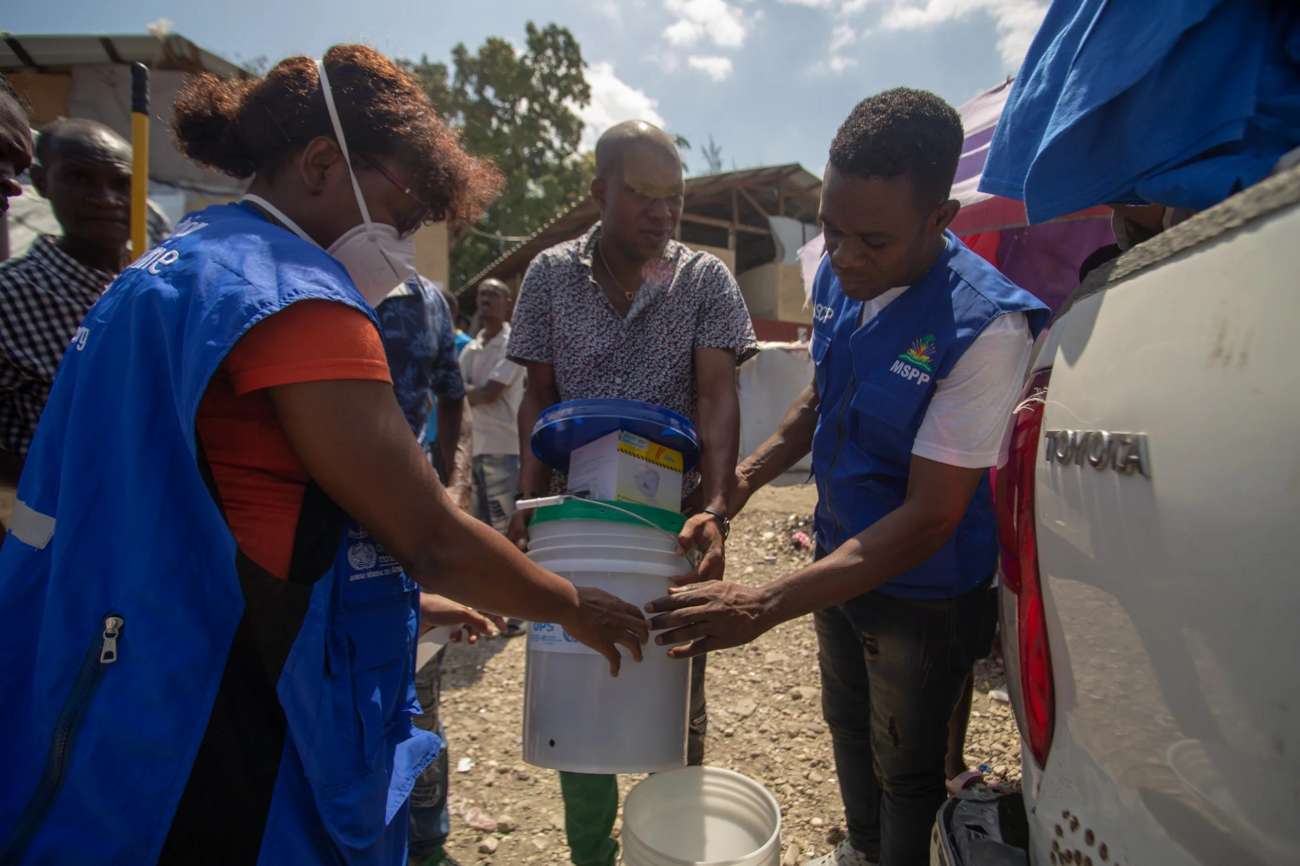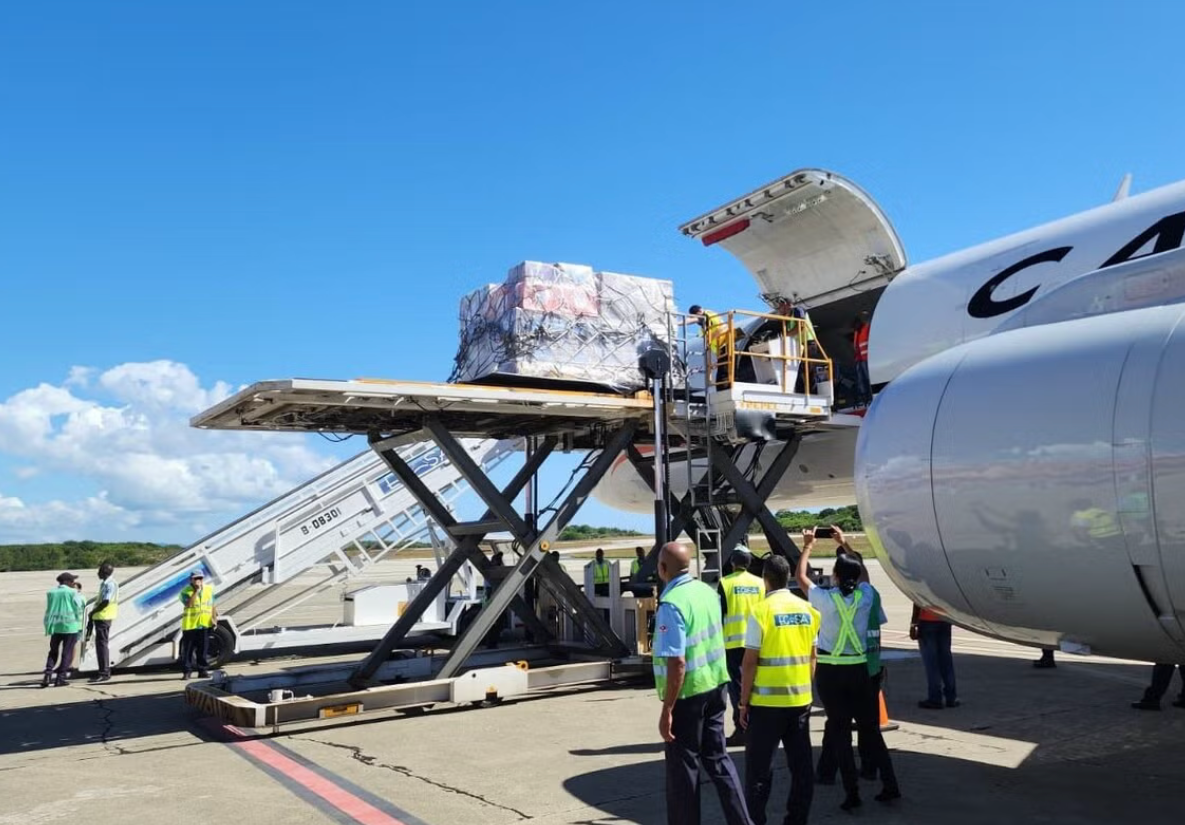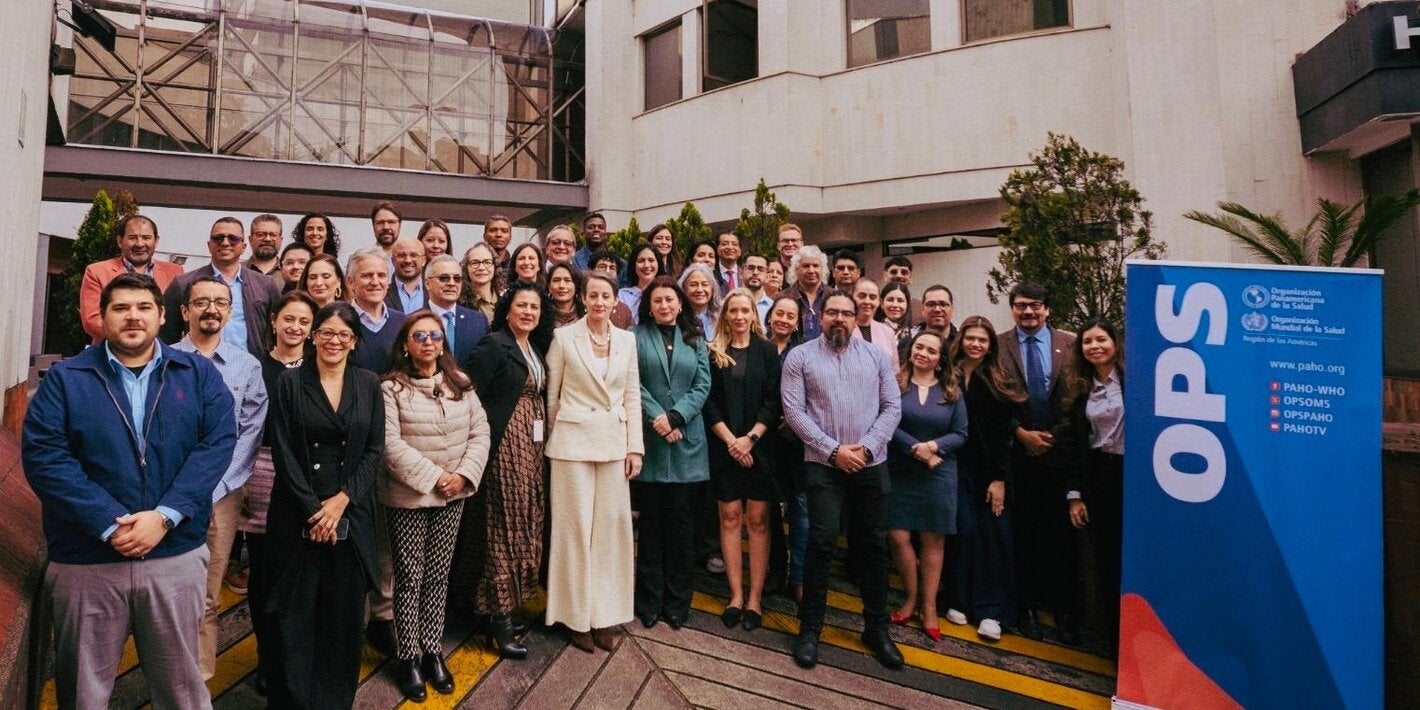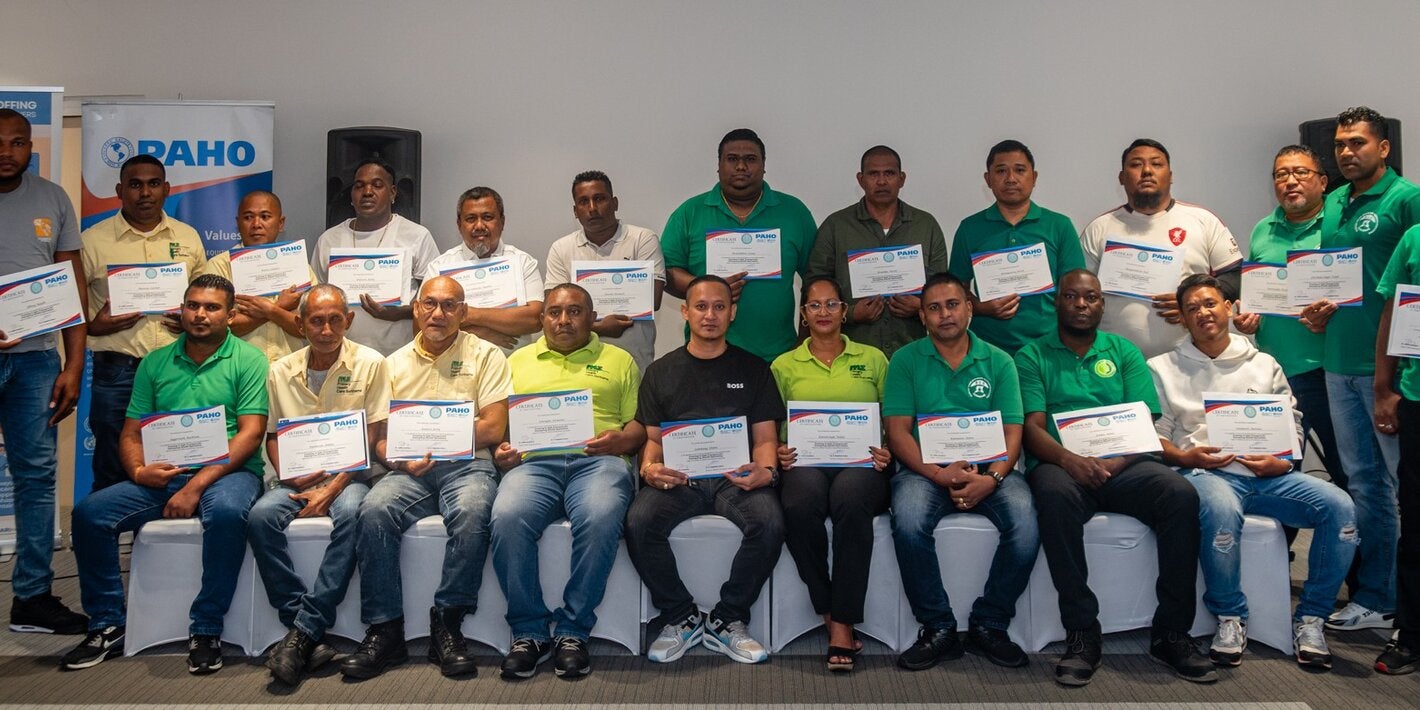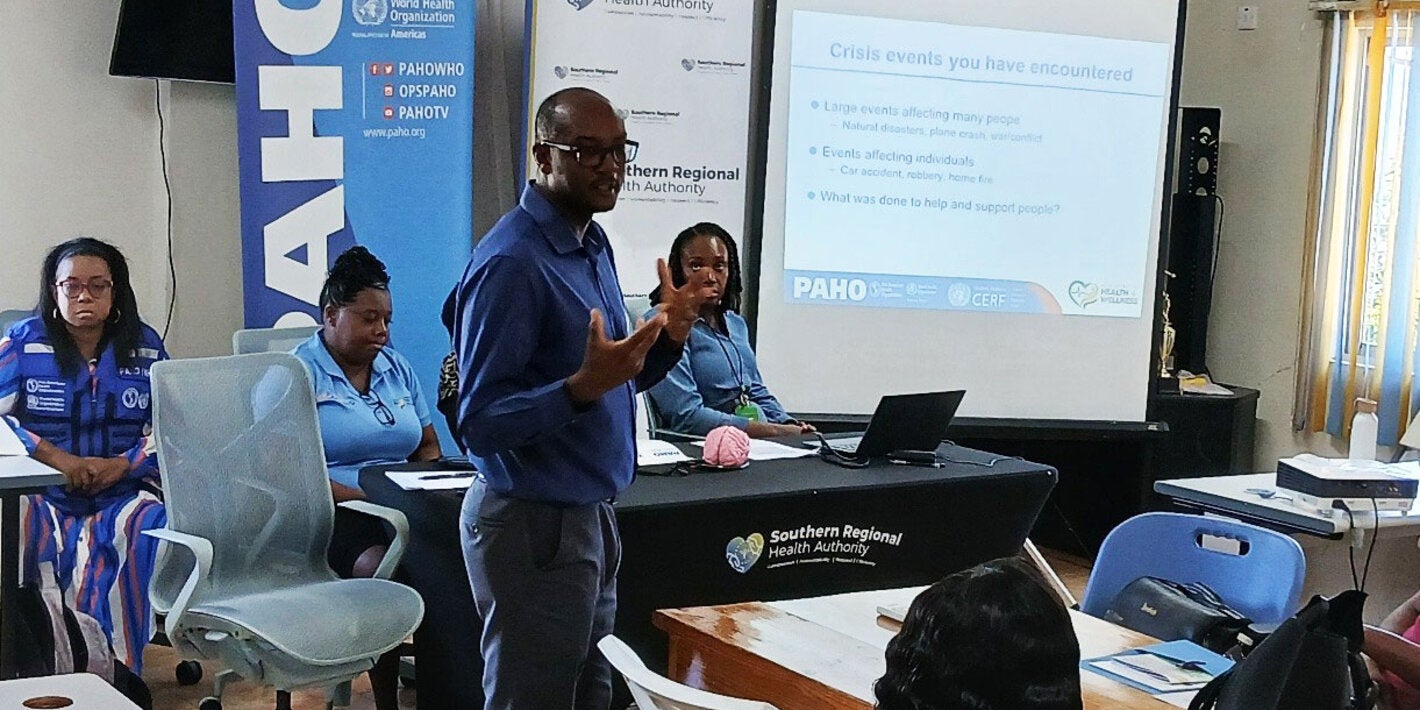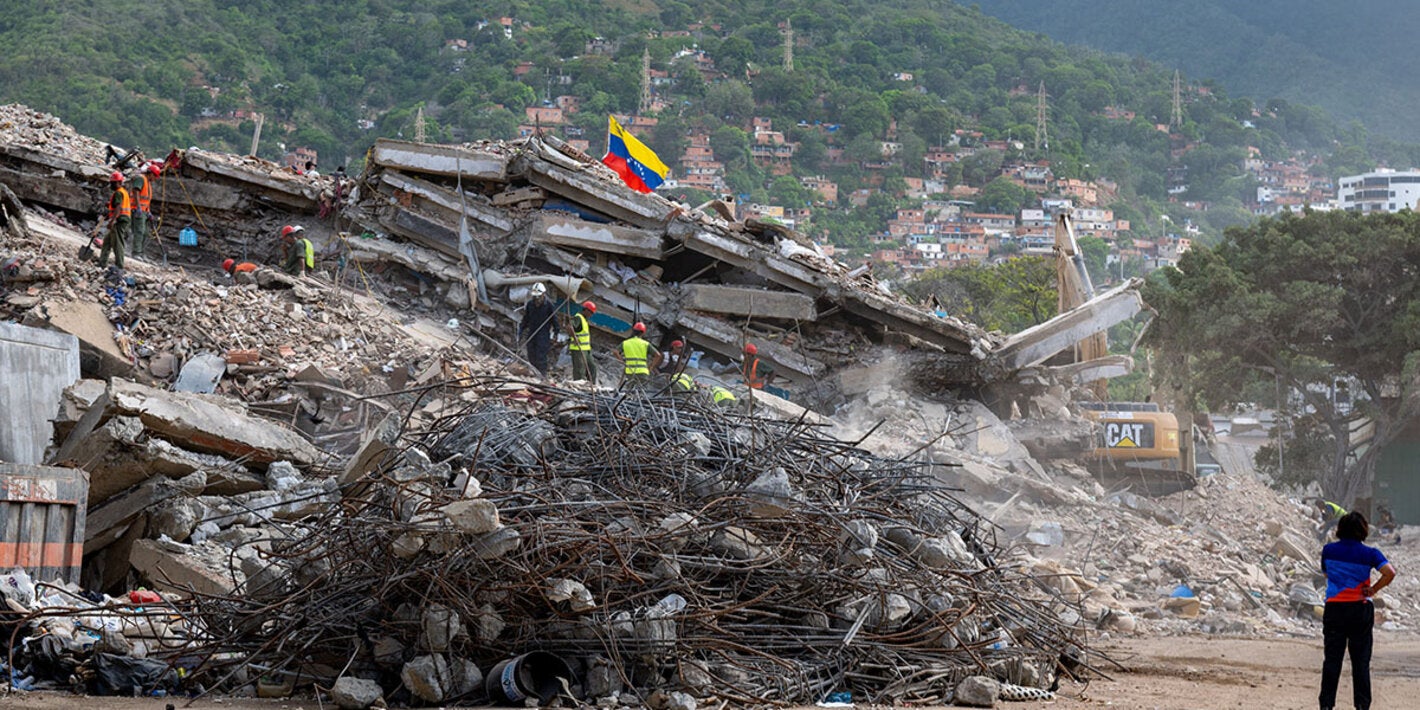
The Latin American and Caribbean Region is exposed to a wide variety of health emergencies and disasters (natural, man-made, biological, chemical, radiological and others) of increasing scale and frequency, which affect the Region each year. These events significantly impact populations' health and constitute a major challenge for Latin American and Caribbean countries in protecting their people’s well-being. When national capacities are overwhelmed, PAHO supports countries to lead and coordinate the international health response to contain disasters, including outbreaks, and to provide effective relief and recovery to affected populations.
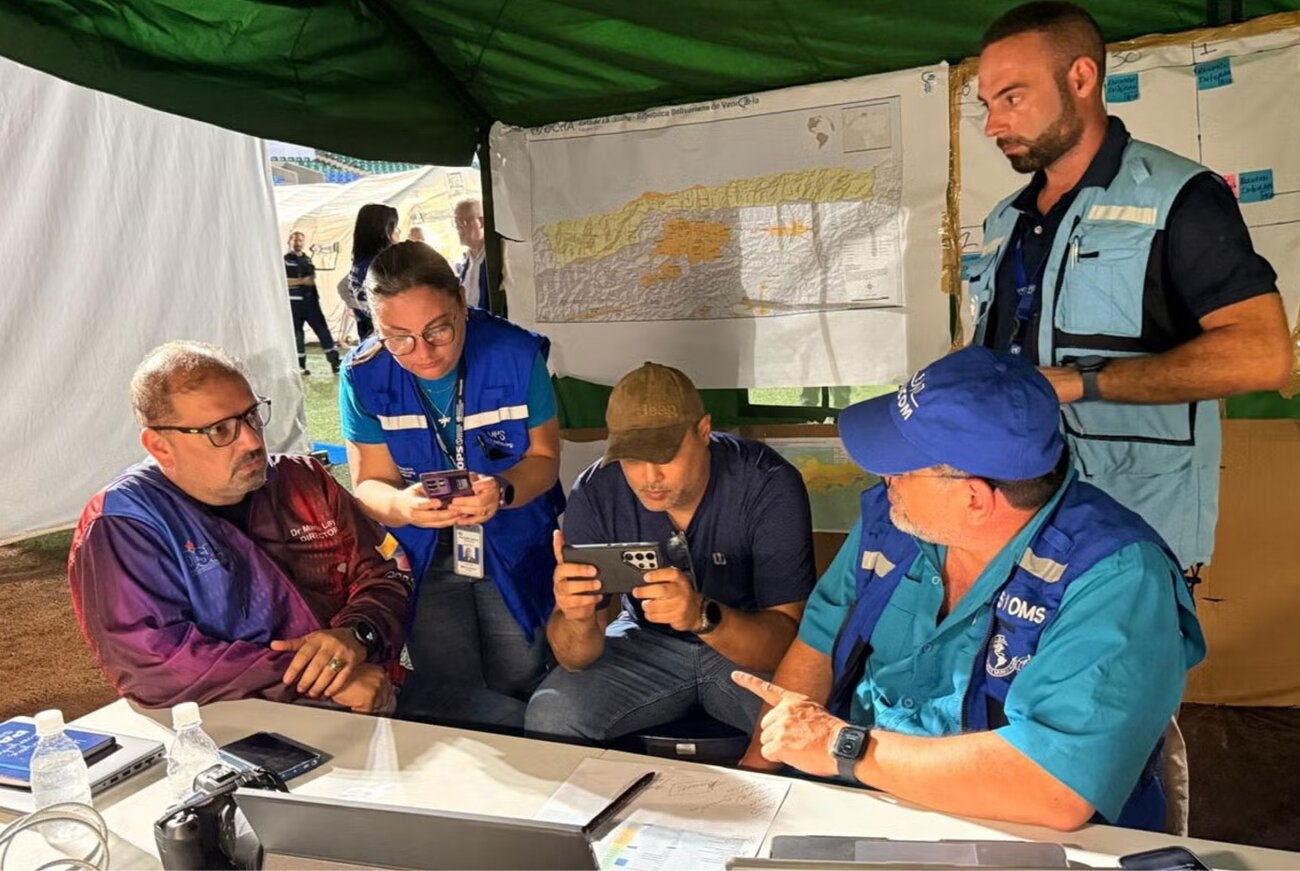
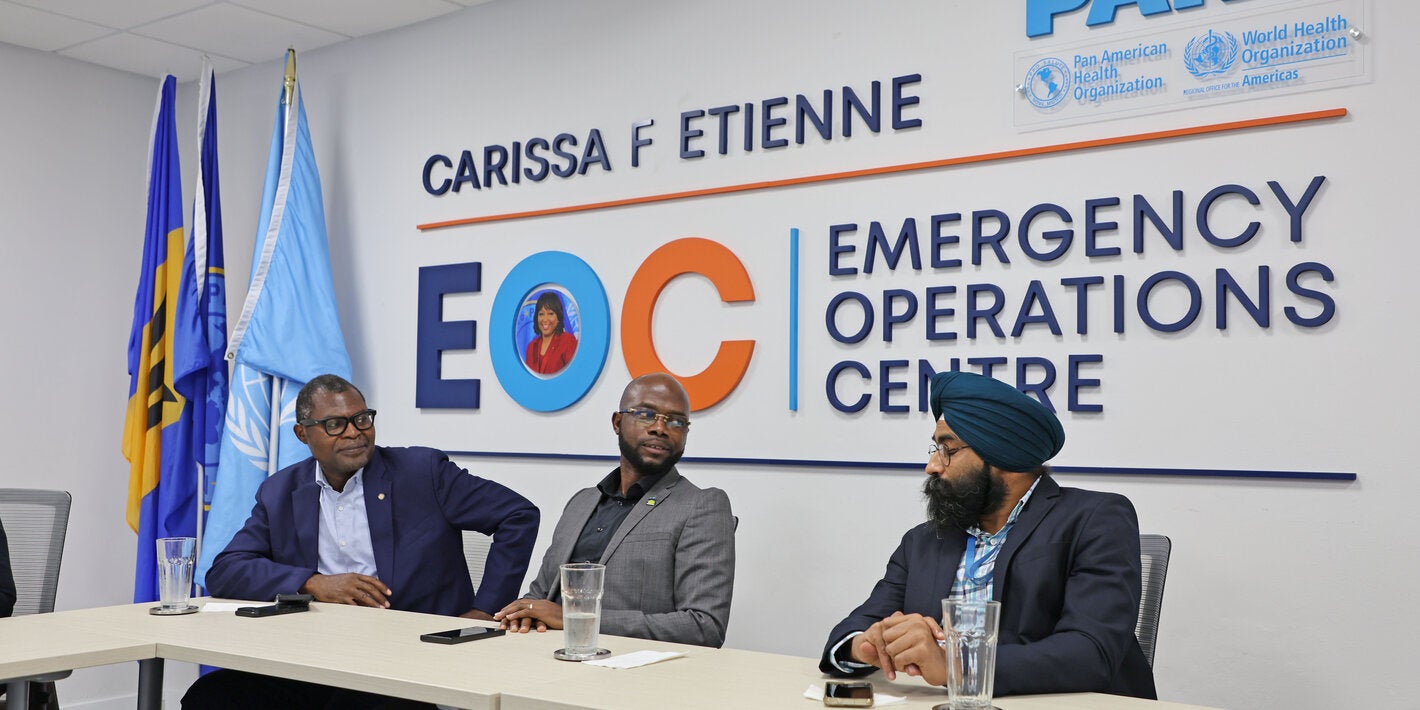
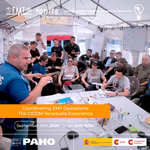
PAHO’s Response to Emergencies and Disasters is based on the incident management model. This model describes the particular way in which an organization and its various components should operate during an emergency situation and how an organization’s emergency procedures should be adapted in order to mitigate the incident’s impact to save lives. Additionally, the Emergency Operations Centre (EOC) coordinates the Organization’s overall response and information, connecting all points of operations to ensure that the response to an emergency or disaster is timely and effective. The EOC is the center of operations for the entire Organization, regardless of the location or the nature of the emergency or disaster. At all times, the EOC attends to its permanently assigned tasks, a responsibility it continues to hold, to the extent possible, during crisis.
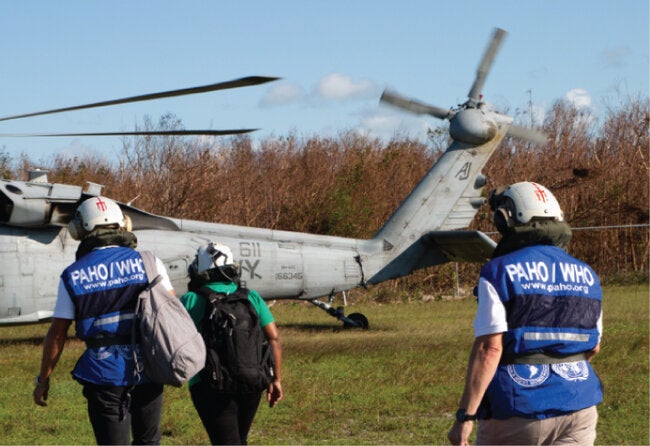
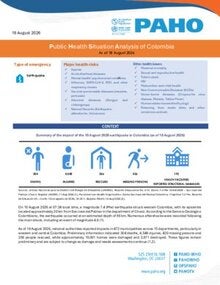
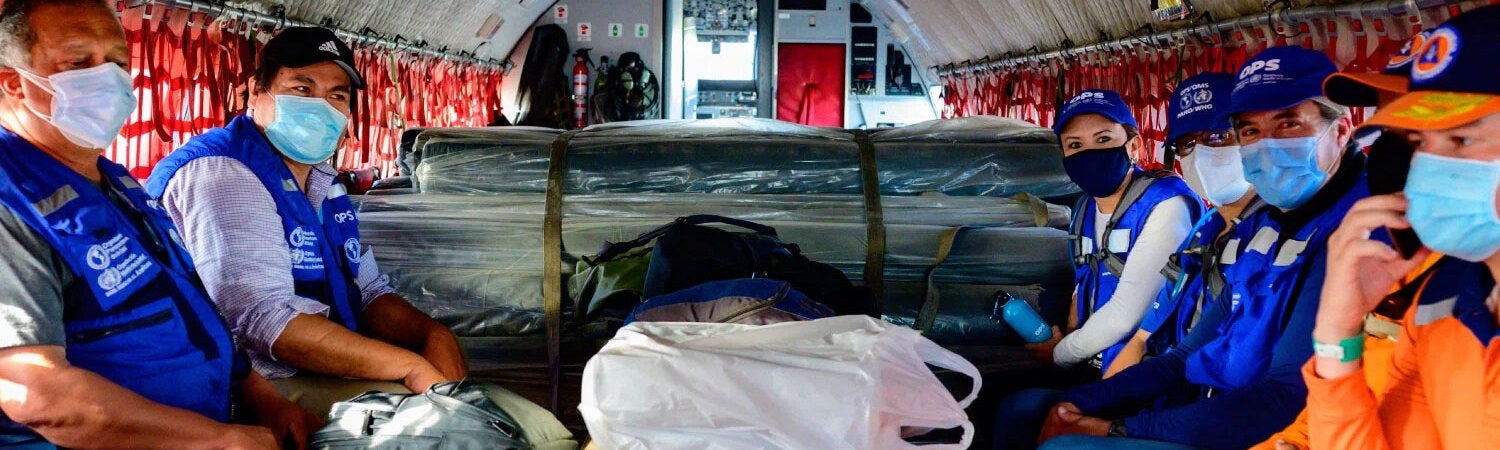
PAHO provides technical cooperation and advises health authorities on immediate actions to protect public health during emergencies and disasters. The Organization activates and mobilizes its institutional response mechanisms, supports Member States in assessing the health situation and potential public health risks, and facilitates the coordination and deployment of public health experts to strengthen response operations. PAHO also collects, analyzes, and disseminates timely public health information to support decision-making and guide effective emergency response efforts.