Building a coordinated regional architecture to detect and respond to health emergencies
A Regional Framework Takes Shape
The Pan American Health Organization (PAHO) has made measurable advances in strengthening epidemic intelligence across the Americas — contributing directly to the broader WHO global architecture for health emergency preparedness and early warning.
At the core of this progress is the SILC approach, a regional collaborative surveillance framework structured as a "network of networks." PAHO established a formal platform linking three major systems: the International Health Regulations (IHR) network, INFOSAN (the global food safety information network), and PAHO's regional laboratory networks. This structure enables cross-sectoral information sharing, allowing health authorities to detect, verify, and assess threats more rapidly than traditional siloed systems allow.
Bridging Laboratory Data and Epidemic Intelligence
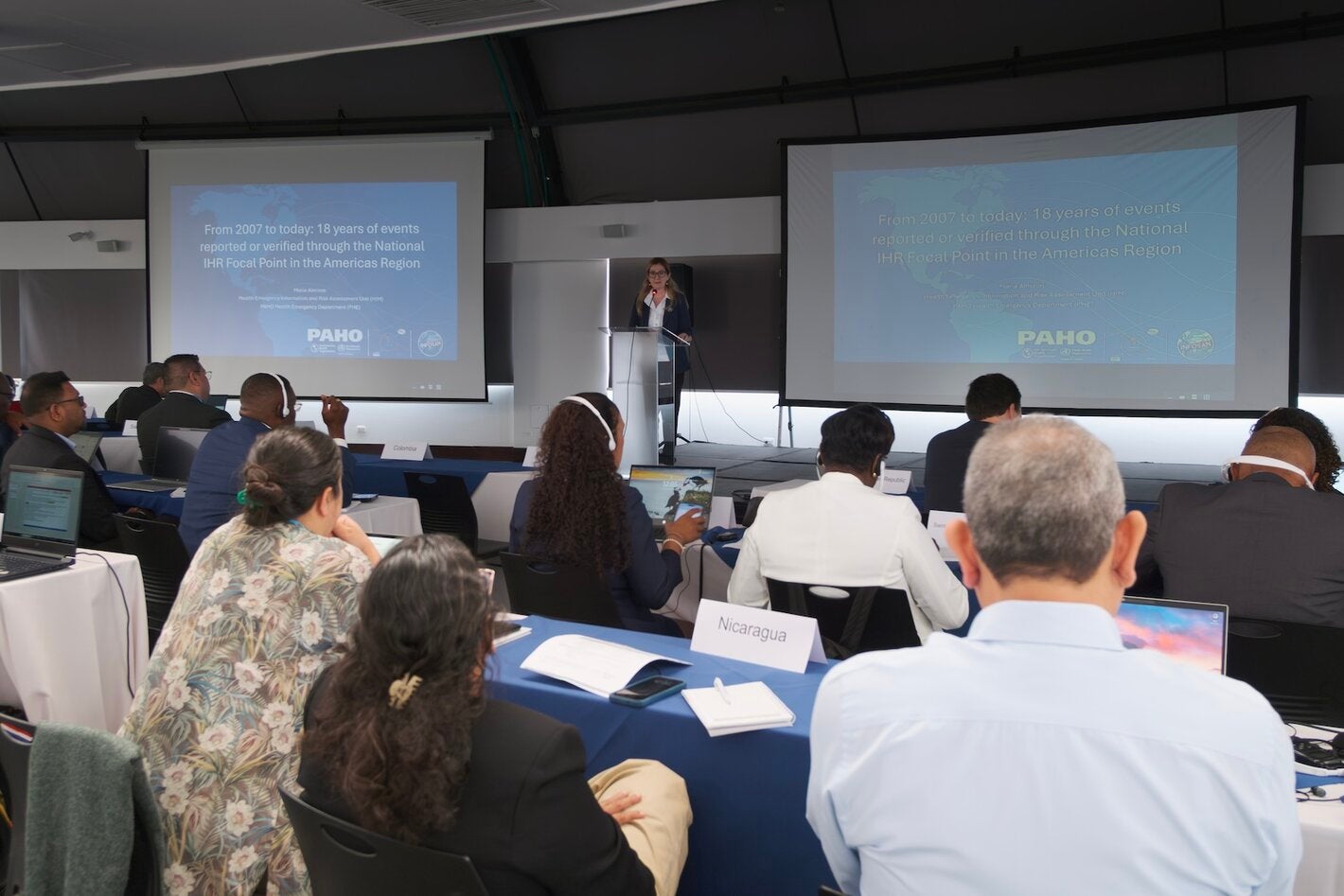
To operationalize this approach, PAHO convened a joint Genomics–INFOSAN–IHR meeting with more than 150 participants from public health authorities, food safety agencies, and laboratory networks. The meeting produced a strategic roadmap for integrating laboratory data into epidemic intelligence functions — translating fragmented data streams into a coordinated framework for early warning.
A key outcome was the development of the first global joint action protocol formally connecting IHR National Focal Points, INFOSAN Emergency Contact Points, and genomic surveillance networks. The protocol establishes clear operational procedures for information sharing and coordinated response when multi-sectoral threats emerge. A regional simulation exercise involving 32 Member States tested these procedures, strengthening readiness before real events occur.
Strengthening National Surveillance Capacity
At the country level, PAHO developed a dedicated methodology for Epidemic Intelligence Landscape Analyses — a systematic approach to mapping existing national surveillance capacities, identifying structural gaps, and defining priority actions. Four countries — El Salvador, Guyana, Paraguay, and Saint Lucia — completed in-country technical missions under this methodology, marking a concrete step toward embedding epidemic intelligence into national public health infrastructure.
A Regional Action Plan with Accountability Mechanisms
These developments converged in a regional action plan aligned with PAHO's Strategy on Epidemic Intelligence for Strengthening Early Warning of Health Emergencies 2024–2029. To support accountability, PAHO piloted a dedicated monitoring dashboard to track progress across Member States — providing a shared, transparent view of regional commitments.
Connecting Surveillance to Development Agendas
Recognizing that trade routes, population mobility, and regional connectivity all shape transboundary health risks, epidemic intelligence has been formally linked to broader regional development initiatives, including the Bi-Oceanic Corridors initiative in South America. Embedding surveillance within development frameworks ensures that health security is considered alongside economic and infrastructure planning — reinforcing that effective early warning is essential to sustainable development.