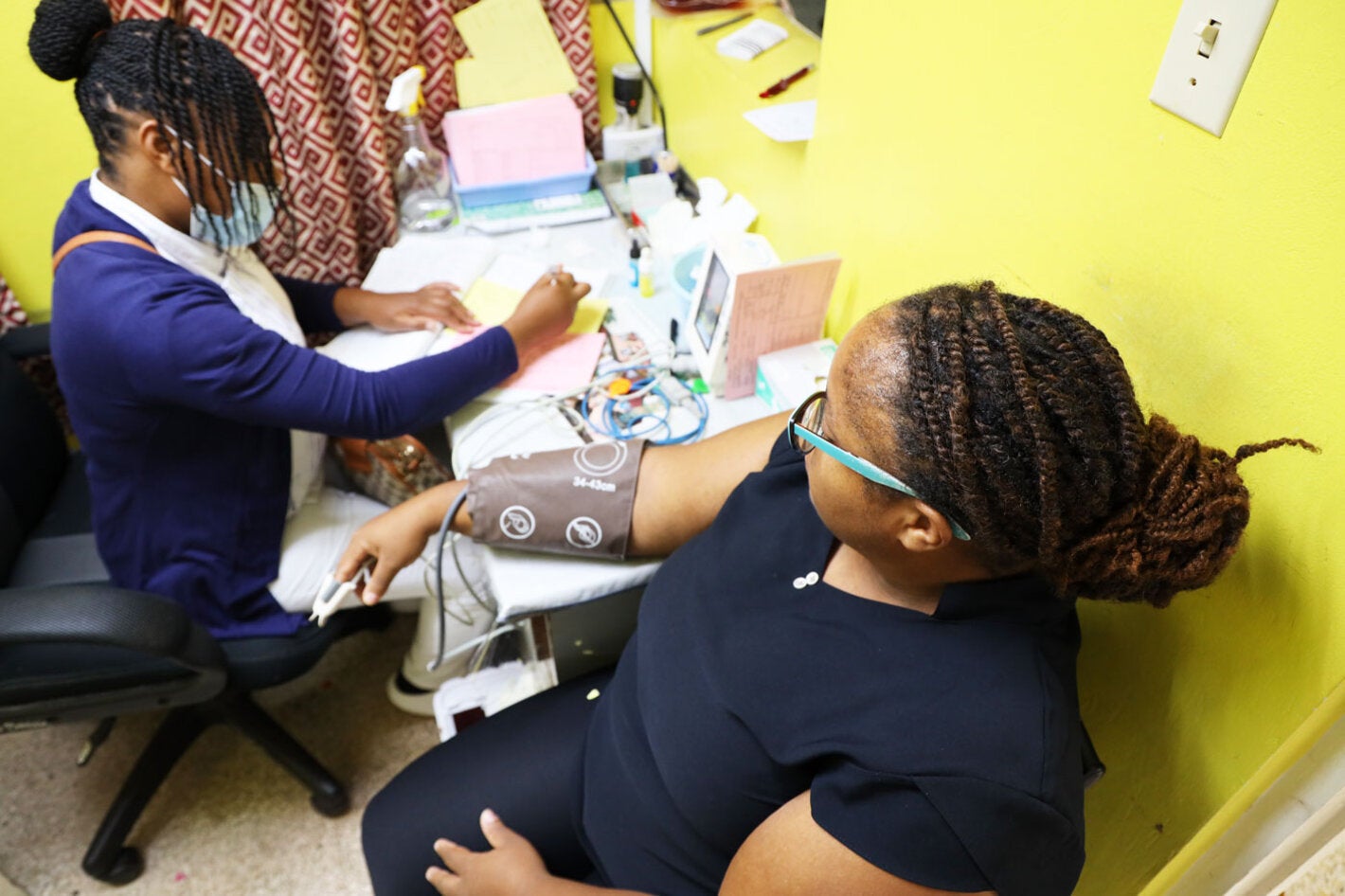
Kingston, Jamaica, 15 July 2026 (PAHO) - For people living with non-communicable diseases (NCDs), managing their health often comes with a significant financial burden. Beyond the cost of consultations and medication, many individuals require ongoing access to specialist care, diagnostic tests, hospital services, transportation, special dietary needs, medical equipment, and rehabilitation. Over time, these expenses can place considerable pressure on households, forcing some to rely on savings, borrow money or reduce spending on other necessities.
This challenge is particularly significant as NCDs, including cardiovascular diseases, diabetes, cancer, and mental health disorders, remain among the leading causes of illness and death in Jamaica. Although important progress has been made in strengthening prevention and treatment services, many Jamaicans continue to face financial barriers in accessing essential care, particularly for screening, diagnosis, treatment, long-term management, and rehabilitation.
Recognizing the need to better understand and address these financial barriers, a technical working group (TWG) was convened for a first meeting at the Pan American Health Organization (PAHO) Jamaica Country Office on 10 July 2026, to advance Phase II of an assessment examining the adequacy of health insurance coverage for NCD care in Jamaica.
The assessment will examine Jamaica’s current health insurance landscape and explore opportunities to strengthen the role of health insurance in supporting access to NCD prevention, screening, diagnosis, treatment, and long-term management. The consultancy will provide an important opportunity to identify practical, evidence-based options to improve financial protection and promote equitable access to care for people living with, or at risk of, NCDs.
“PAHO/WHO remains committed to supporting Jamaica’s efforts towards Universal Health Coverage and Universal Access to Health, ensuring that all persons can obtain the health services they need without suffering financial hardship. Strengthening financial protection for people living with NCDs is critical to reducing barriers to care and ensuring that access to essential health services is not determined by an individual’s ability to pay,” said Ian Stein, PAHO/WHO Representative for Jamaica, Bermuda and the Cayman Islands.
NCDs often require a complex and prolonged cascade of care, beginning with prevention and screening and extending through diagnosis, treatment, management, rehabilitation, and, where necessary, palliative care. When coverage is inadequate, the financial responsibility frequently falls on individuals and families through out-of-pocket payments. High out-of-pocket expenditure can place households at risk of financially devastating healthcare costs, where expenses consume a substantial share of household income and affect their ability to meet other essential needs.
Health insurance can play an important role in reducing these financial barriers by pooling resources, providing protection against high healthcare costs, and improving access to essential services. For people living with chronic diseases, adequate health insurance coverage can help reduce out-of-pocket expenses and protect individuals and families from financial hardship associated with ongoing healthcare needs.
As part of the assessment, the consultancy will review Jamaica’s regulatory and policy environment for public and private health insurance, while also examining existing private health insurance policies, including coverage conditions, premiums, eligibility requirements, and utilization patterns. The assessment will also explore whether persons diagnosed with pre-existing NCDs faced higher premiums and considered opportunities to expand coverage to reach at-risk and underserved population groups.
Building on this review, particular attention will be given to the potential contribution of the health insurance industry in supporting earlier detection, treatment, and long-term management of priority NCDs, including hypertension and cardiovascular disease, depression and other mental health disorders, diabetes mellitus type 2, breast cancer, cervical cancer, colorectal cancer, and prostate cancer.
Strengthening health insurance coverage requires careful consideration of equity and financial protection. While private and voluntary health insurance arrangements can complement public health financing efforts, appropriate regulation and effective risk pooling mechanisms are important to ensure that access to care is not limited by income or health status.
The technical working group meeting provided an opportunity for stakeholders to review progress, share technical guidance, identify potential challenges, and strengthen collaboration in advancing the assessment. Perspectives from partners across the public and private sectors are critical to shaping recommendations that are practical, evidence-based, and responsive to Jamaica’s health financing context.
The findings and recommendations arising from this assessment will support efforts to strengthen health insurance coverage for NCDs, reduce the financial burden on individuals and families, improve access to essential services, and contribute to broader national discussions on health financing, social protection, and approaches to achieving better health outcomes for the Jamaican population.