The Region has surpassed pre-pandemic routine vaccination levels, but immunity gaps continue to fuel measles outbreaks, particularly among unvaccinated and under-vaccinated communities
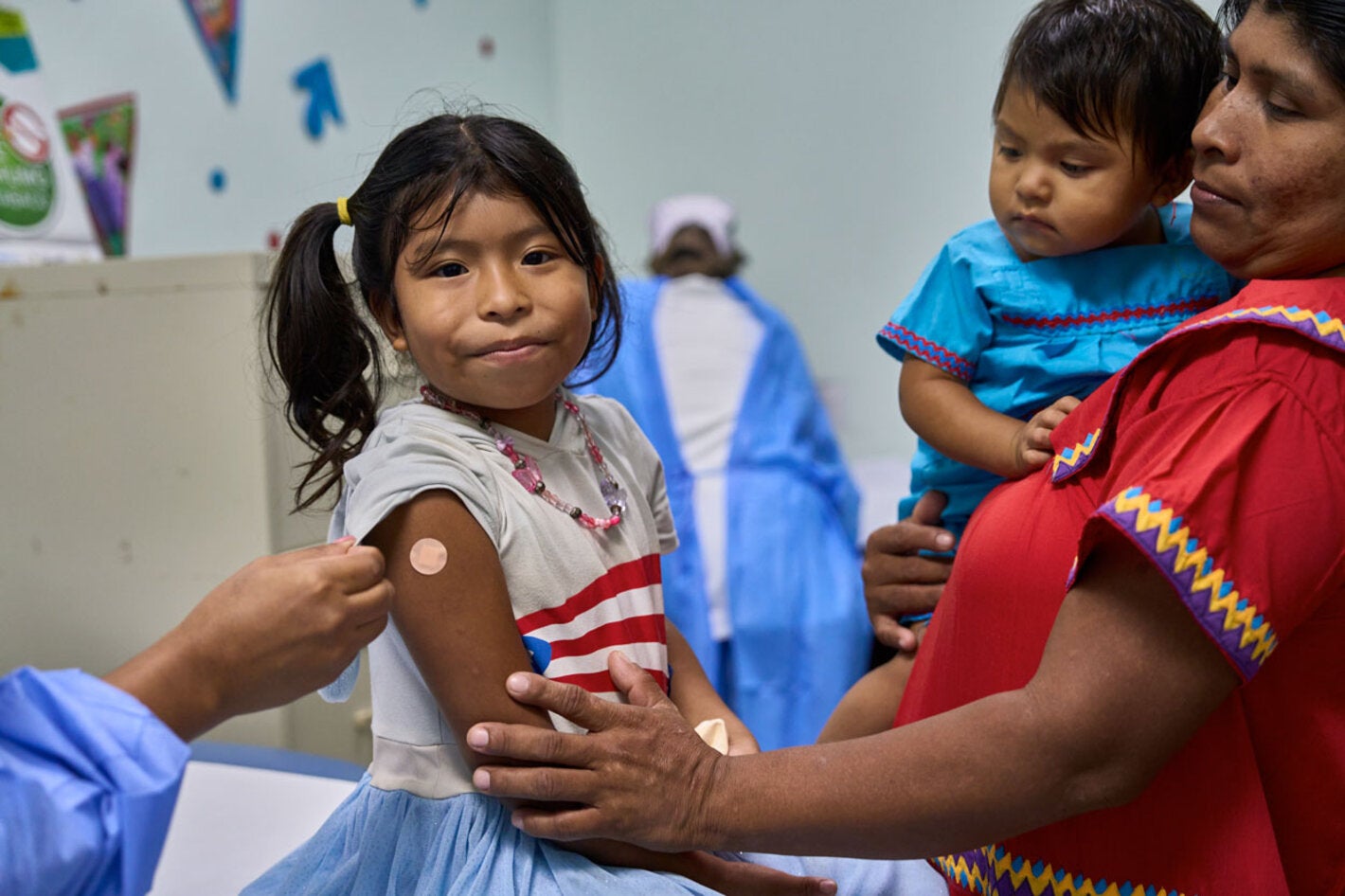
Washington, D.C., 15 July 2026 (PAHO) – Childhood vaccination in the Americas continued to recover in 2025, with the number of unvaccinated children under the age of one falling from 1.3 million to 1.1 million. However, declining measles vaccination coverage is leaving communities increasingly vulnerable to outbreaks, according to the latest WHO and UNICEF Estimates of National Immunization Coverage (WUENIC), released today.
Progress towards strengthening routine immunization programmes in the region is moving forward: Coverage with the first dose of diphtheria, tetanus and pertussis vaccine (DTP1) reached 92%, while coverage with the third dose (DTP3) held steady at 86%, confirming that the Americas have not only recovered from pandemic-related setbacks but also surpassed pre-pandemic routine immunization levels.
“The Americas have demonstrated that progress is possible. Countries have strengthened routine immunization programmes, reduced the number of children missing lifesaving vaccines, and continue to lead globally in important areas such as HPV vaccination. But the resurgence of measles is a warning that we cannot take these achievements for granted,” said Dr. Jarbas Barbosa, Director of PAHO.
Persistent challenges in measles coverage
Measles vaccination coverage, which increased in 2024, experienced a decline in 2025. Since 2024, coverage with the first dose of measles-containing vaccine (MCV1) has fallen from 89% to 88%, while second-dose coverage (MCV2) has dropped from 79% to 78% - both well below the 95% required to prevent outbreaks of this highly contagious disease.
The estimates also reveal marked differences in coverage both between and within countries. While some have consistently achieved measles vaccination coverage above 90%, others remain well below this threshold, reflecting persistent geographic and socio-economic inequalities in access to immunization services.
Several countries in the region continue to respond to measles outbreaks, most of which have occurred among people who were not vaccinated or who had not received all recommended doses. These outbreaks highlight how quickly measles can spread when immunity gaps persist, underscoring the importance of continued investment in maintaining high vaccination coverage, strong surveillance systems, and rapid outbreak response capacities.
“As long as measles continues to circulate anywhere in the world, no country or community can afford to lower its guard. Vaccination is our strongest protection, and we must continue working to reach every child, close immunity gaps, and maintain the high levels of coverage needed to prevent outbreaks,” added Dr. Jarbas Barbosa.
Measles is one of the most contagious diseases in the world. Even small pockets of under-immunized populations can allow transmission to continue and fuel outbreaks. Achieving and sustaining at least 95% coverage with two doses of a measles-containing vaccine in every community remains essential to interrupt transmission and protect vulnerable populations.
A global leader in HPV vaccination
Alongside continued progress in routine childhood immunization, the Americas remain the global leader in human papillomavirus (HPV) vaccination. Coverage reached 71% in 2025, reflecting sustained political commitment and investment in protecting adolescents against cervical cancer, the second leading cause of cancer death among women in many countries of the Region.
This achievement demonstrates what is possible when countries prioritize immunization, expand equitable access to vaccines, and build programmes that protect people throughout the life course.
Maintaining progress requires sustained investment
The recovery of routine immunization in the Americas marks an important public health milestone, but the latest estimates make clear that the work is far from over. Persistent immunity gaps continue to leave communities vulnerable to vaccine-preventable diseases, particularly measles, and threaten decades of hard-won progress.
PAHO is working closely with countries to strengthen national immunization programs, reach children who have missed routine vaccination, increase confidence in vaccines through clear, evidence-based communication, and reinforce surveillance and outbreak response systems. Through the PAHO Revolving Fund, the Organization also supports countries in securing timely, affordable access to quality-assured vaccines, helping them strengthen immunization programmes, increase coverage, and close immunity gaps.
Maintaining high vaccination coverage in every community will be essential not only to prevent future outbreaks, but also to protect the health gains achieved across the Americas and ensure that every child benefits from the lifesaving protection vaccines provide.
Notes to editors:
Download multimedia content here.
Access the WHO dataset: Global dashboard, country profiles, and additional resources
Access the UNICEF dataset: Overview page, Full datasets, Data visualisation, Regional data visualisation, Country profiles
WUENIC estimates, including historical data, are revised annually as new country data become available. Figures in this release should not be compared against previous years' published reports.
Based on country-reported data, the WHO and UNICEF estimates of national immunization coverage (WUENIC) provide the world’s largest and most comprehensive dataset on immunization trends for vaccinations against 13 diseases given through regular health systems - normally at clinics, community centres, outreach services, or health worker visits. For 2025 data were provided from 185 countries.
WHO and UNICEF are working with Gavi, the Vaccine Alliance and other partners to deliver the global Immunization Agenda 2030 (IA2030), a strategy for all countries and relevant global partners to achieve set goals on preventing diseases through immunization and delivering vaccines to everyone, everywhere, at every age.