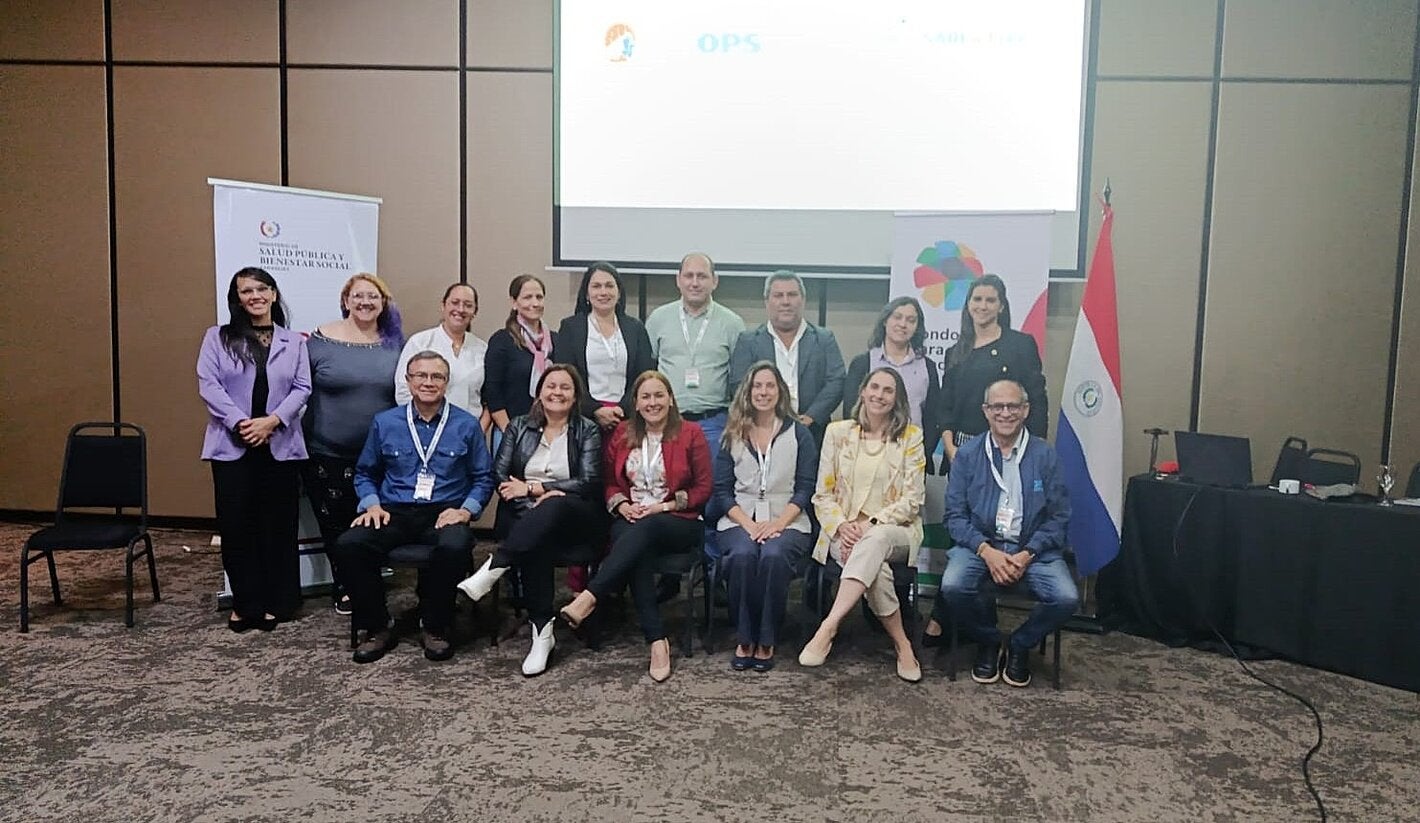
Asunción, April 17, 2026 (PANAFTOSA/SPV-PAHO/WHO). Paraguay is making progress in strengthening its preparedness, surveillance, and intersectoral response to zoonotic avian influenza through the workshop “Intersectoral Risk Assessment for Zoonotic Avian Influenza (EVIR),” which brought together professionals from the human health, animal health, and environmental sectors
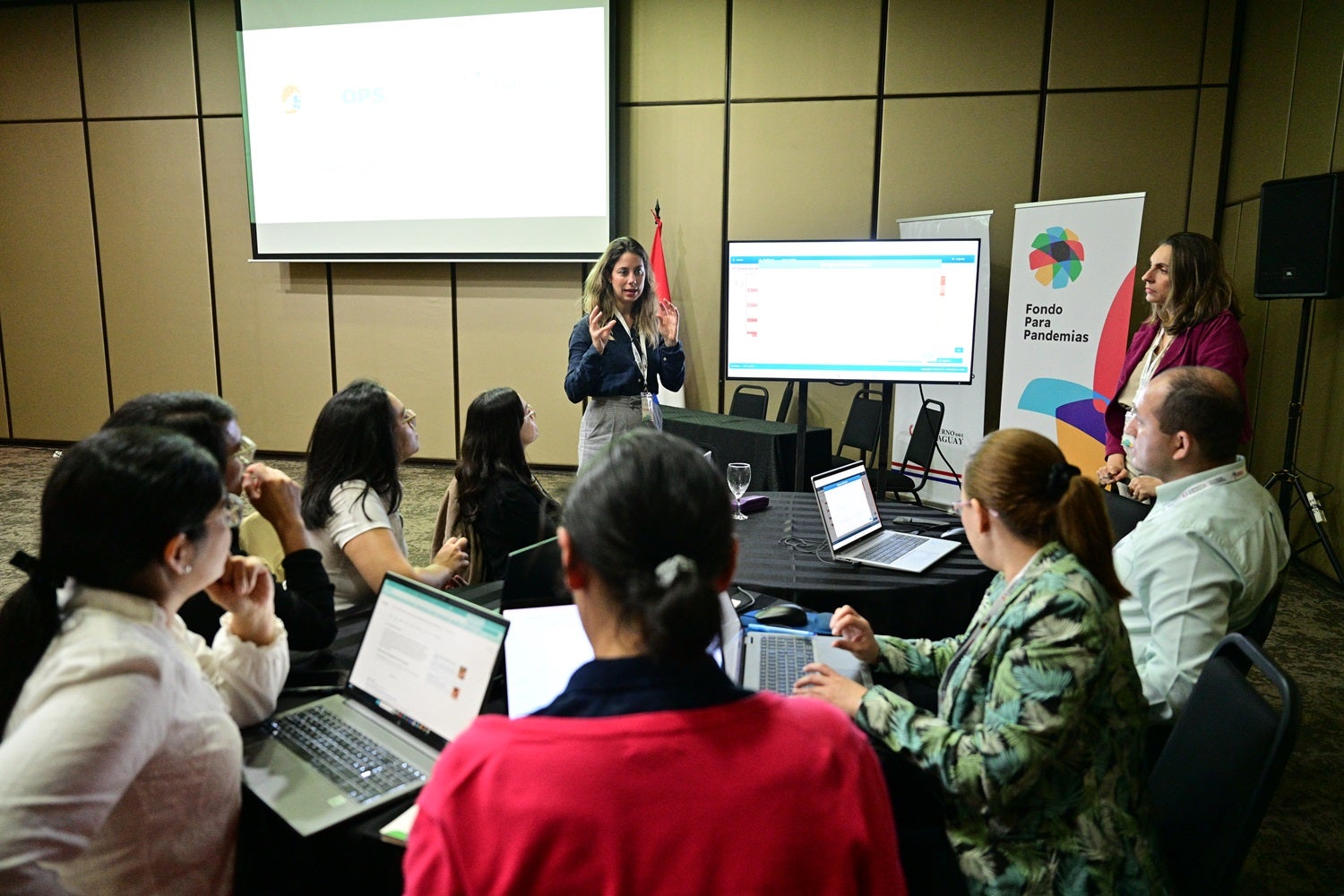
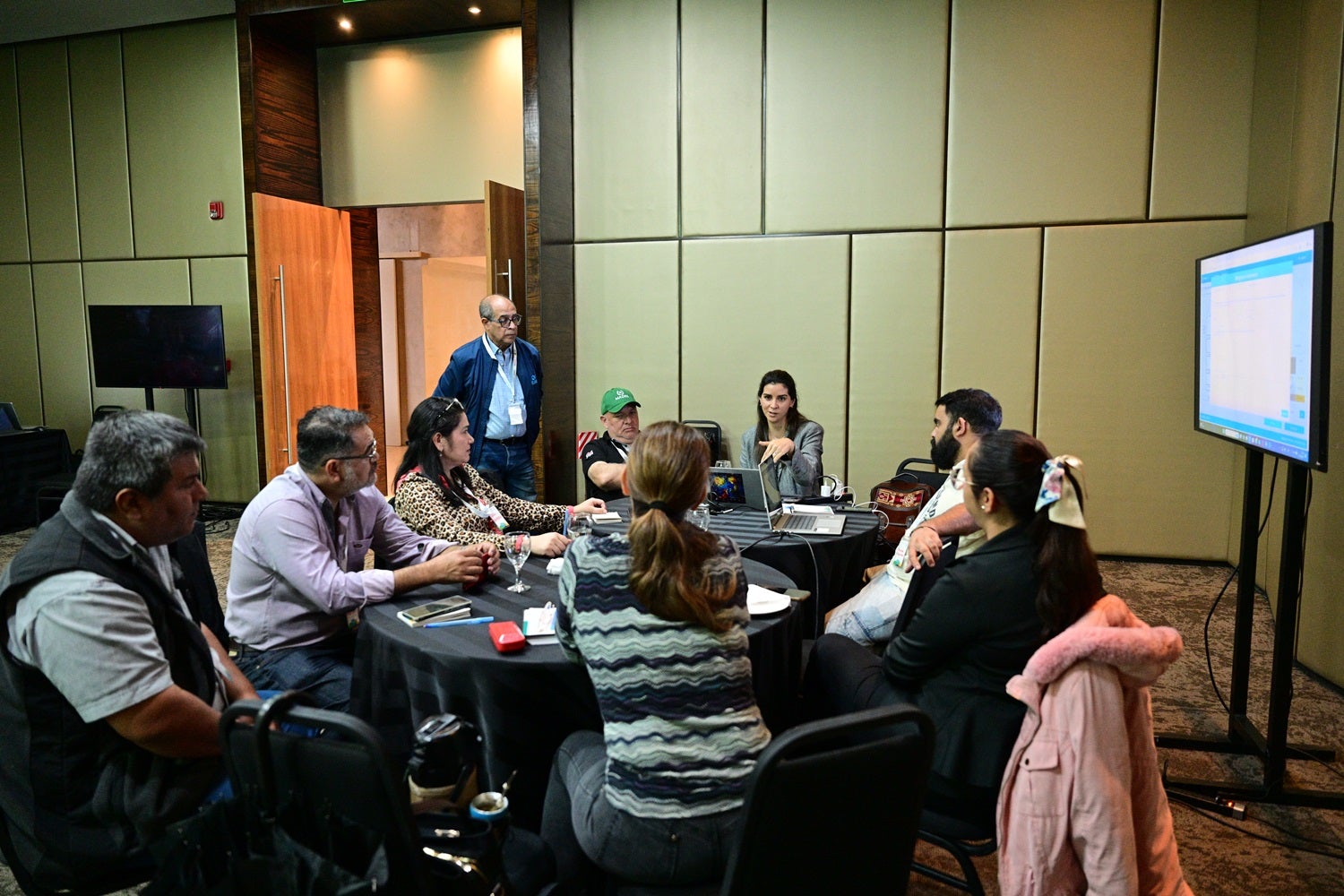
The workshop, held April 14–16 in Asunción, aimed to coordinate efforts to identify critical points in avian influenza transmission and strengthen surveillance at the human-animal-environment interface in two regions considered to be at the highest risk in the country: the Chaco and Ñeembucú regions.
The event was organized at the initiative of the General Directorate of Health Surveillance of the Ministry of Public Health and Social Welfare (MSPBS) and included the participation of professionals from the National Service for Quality and Animal Health (SENACSA) and the Ministry of Environment and Sustainable Development (MADES).
The initiative, which receives technical cooperation from the Pan American Health Organization/World Health Organization (PAHO/WHO) and the Pan American Center for Foot-and-Mouth Disease and Veterinary Public Health (PANAFTOSA), was carried out within the framework of the regional PROTECT project, funded by the Pandemic Fund.
Using the EVIR methodology developed by PANAFTOSA and implemented in collaboration with the PAHO/WHO Department of Public Health Emergencies (PHE) with support from the PAHO Office in Paraguay, participants from the three ministries analyzed key aspects, such as risk characterization by the country’s subregions and the definition of roles and responsibilities, with the aim of establishing intersectoral working agreements to strengthen surveillance, prevention, and response to potential outbreaks, under the One Health approach.
Regional context and the challenge of preparedness and response
Avian influenza A(H5N1) continues to pose a risk to public health in the Region of the Americas. In this context, conducting the EVIR in Paraguay helps guide evidence-based decision-making, improve intersectoral coordination, and strengthen national preparedness for emerging zoonotic events.
This initiative responds to the recommendations of the Intersectoral Commission for the Prevention and Control of Zoonotic Influenza in the Americas (CIPCIZA) and reaffirms the country’s commitment to protecting the population’s health against priority health threats.
In this context, Dr. Martin Acosta, PAHO/WHO Health Emergencies Advisor in Paraguay, emphasized that this assessment is taking place against a particularly relevant regional and national backdrop, marked by the unprecedented spread of highly pathogenic avian influenza A(H5N1) in the Americas since 2022, with sustained, y transmission among birds, detections in mammals, and the occurrence of human cases in some countries.
She also noted that, in Paraguay, the outbreaks recorded in backyard poultry in 2023 reinforce the need to maintain and strengthen national preparedness, especially given the interaction between production systems, wildlife, and people. A Key Tool for Anticipating Risks
The Intersectoral Risk Assessment (EVIR) applied to zoonotic avian influenza is a strategic tool for identifying and mapping critical points of potential exposure to the virus, analyzing the highest-risk transmission routes based on local conditions, and strengthening coordination among sectors under the One Health approach to prevent and address potential outbreaks of the disease in the country, emphasized Lia Buzanovsky, an epidemiology specialist at PANAFTOSA. This process enables the country to identify strengths and gaps, define clear roles and responsibilities, and help safeguard poultry production and biodiversity while reducing the risk of zoonotic transmission, thereby protecting public health.