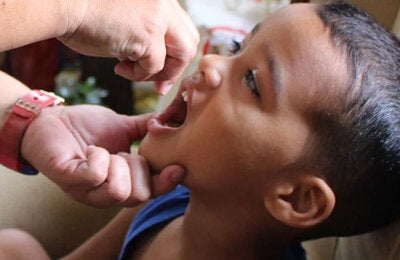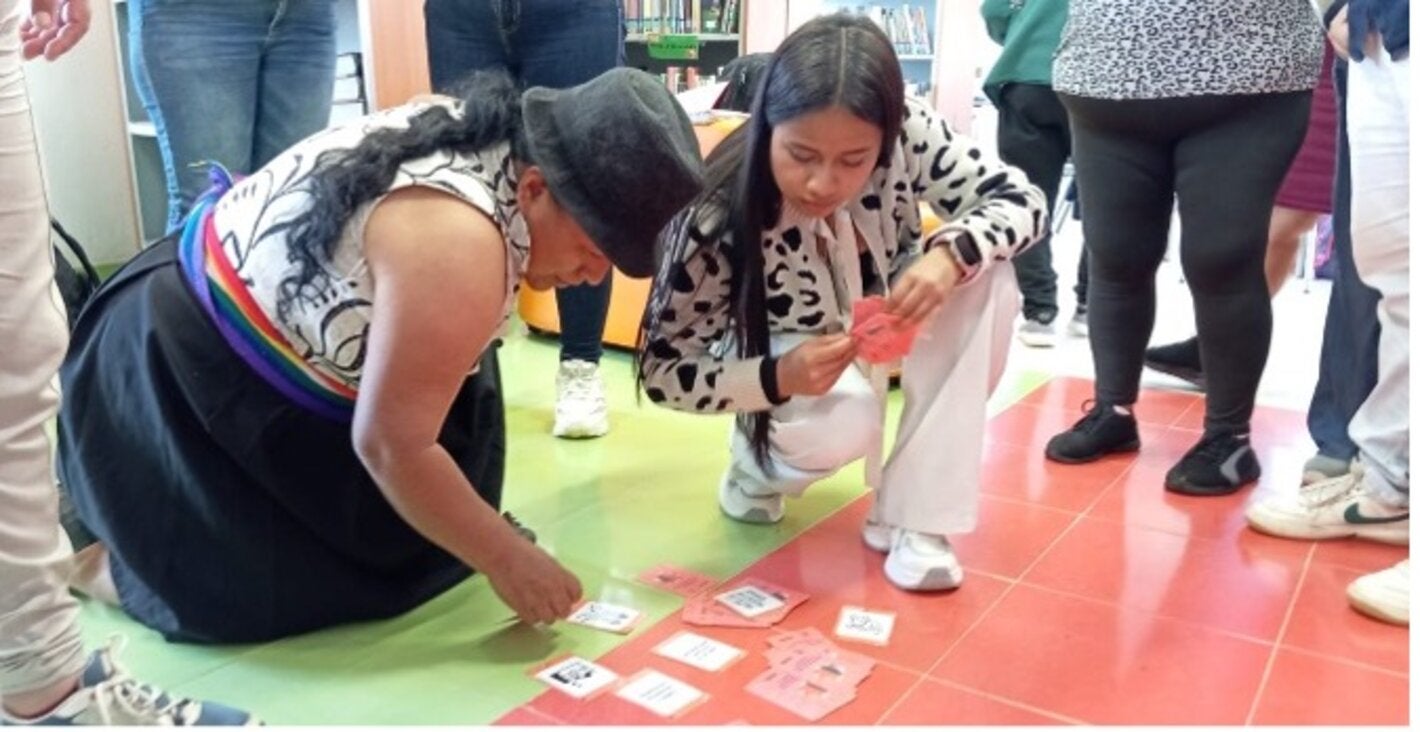
Community members participate in a workshop on the signs and symptoms of yellow fever and rash-related illnesses, using interactive learning activities and the Community-Based Surveillance (CBS)/SIVIGILA tool. Putumayo, Colombia.
Colombia, June 16, 2026 (PAHO) — Across Putumayo, Community-Based Surveillance is showing that preparedness for future health emergencies begins at the community level. Through a joint initiative involving the National Institute of Health and the Departmental Health Secretariat, with support from the PROTECT project ("Pandemic Response Optimization Through Engaged Communities and Territories"), community leaders, Indigenous Peoples and other ethnic communities, young people, and older adults have strengthened their ability to identify health risks early, issue timely alerts, and develop community-driven solutions.
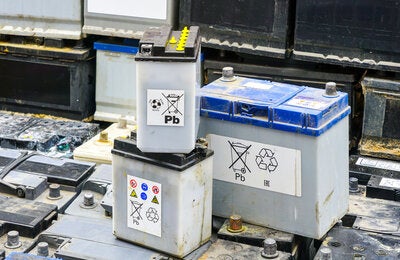
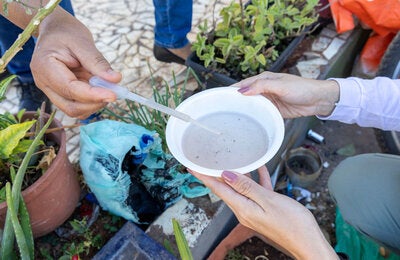
The experience in Putumayo demonstrates that community-based surveillance goes far beyond detecting and reporting diseases. It has become a local platform for comprehensive risk management under the One Health approach and for promoting safer environments, transforming local challenges into opportunities to protect health and collective well-being. Initiatives led by community monitors have driven efforts to improve solid waste management, reduce risks associated with pests and zoonotic diseases, promote mental health, strengthen support networks for women facing situations of vulnerability, and support the care of older adults.
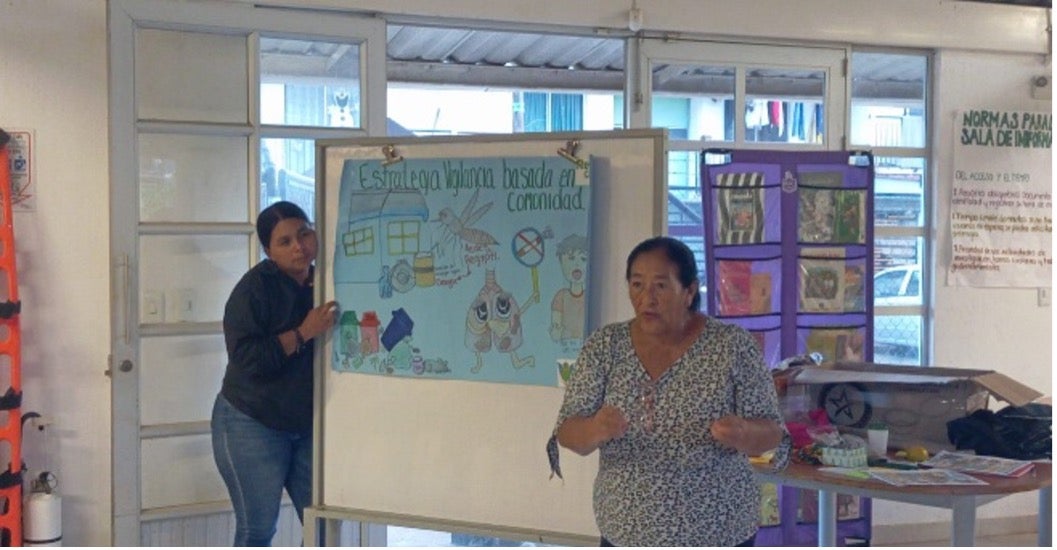
Community members take part in a workshop on solid waste management and initiatives to support the health and well-being of older adults. Puerto Asís, Putumayo, Colombia.
These experiences demonstrate how communities across Putumayo are leading concrete actions to protect human, animal, environmental, and social health. By strengthening connections between communities and institutions, the Community Surveillance Network (REVCOM) is building a territorial network capable of anticipating risks, generating timely responses, and helping build more resilient communities that are better prepared to face future public health threats and pandemics.
About PROTECT
PROTECT ("Pandemic Response Optimization Through Engaged Communities and Territories") aims to strengthen the capacity, preparedness, and engagement of participating countries for the early detection of and response to future pandemics through multisectoral and multilevel coordination and cooperation among stakeholders across the Amazon Basin.
The project is a collaboration among the Ministries of Health and Agriculture of seven countries, the Pan American Health Organization (PAHO) and the World Bank as implementing partners, and PAHO’s Pan American Foot-and-Mouth Disease Center and Veterinary Public Health Center (PANAFTOSA/VPH).