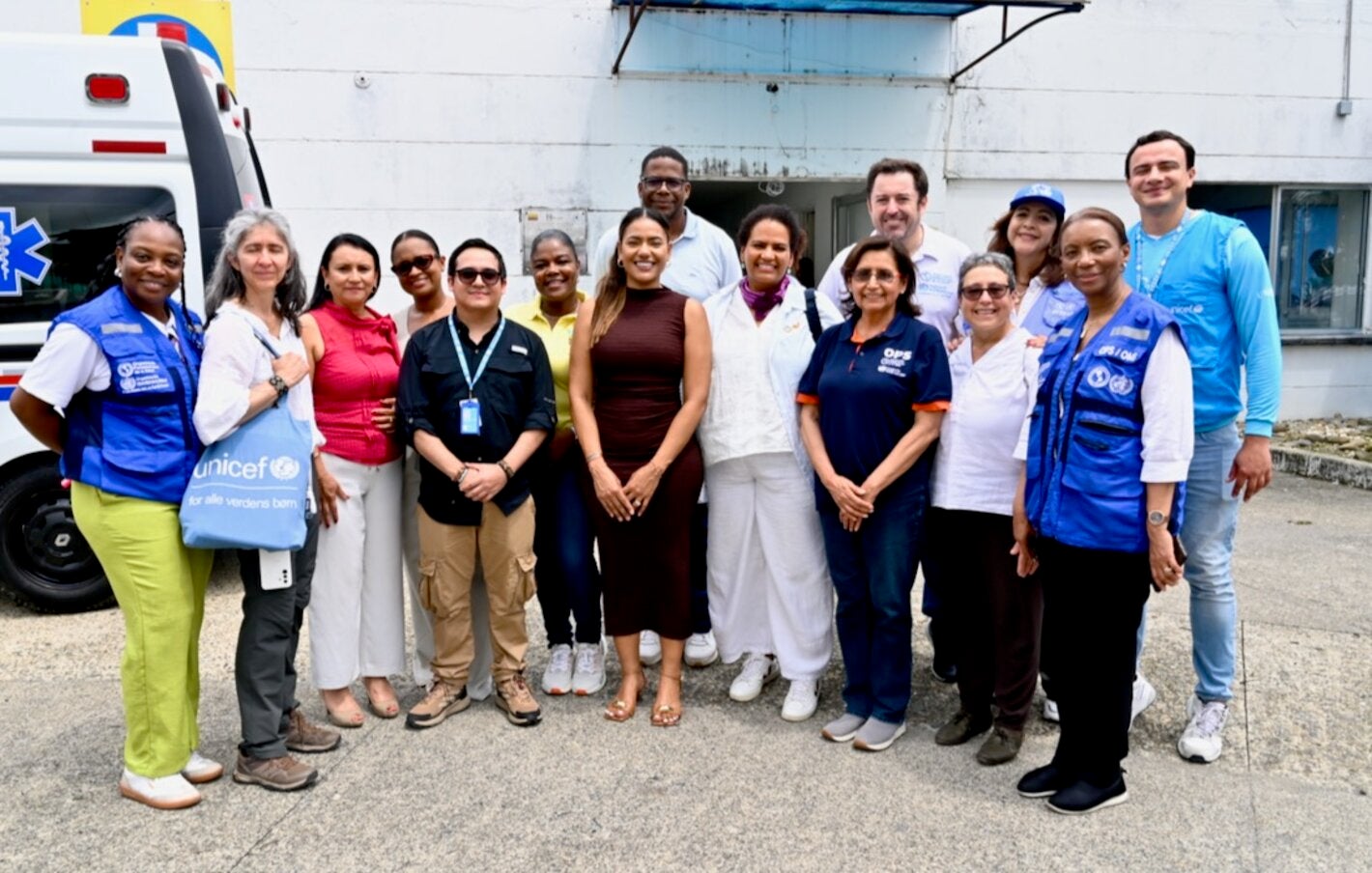
Bogotá. July 2026 (PAHO/WHO). From July 8 to 10, Canadian Ambassador Elizabeth Williams visited the city of Quibdó, Chocó, to observe firsthand the impact of projects implemented by the Pan American Health Organization (PAHO/WHO) with support from the Government of Canada. The visit was also attended by Dr. Gina Tambini Gómez, PAHO/WHO Representative in Colombia.
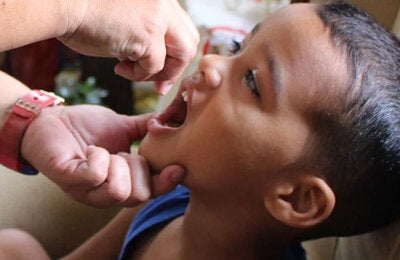
The agenda began with a tour of Hospital Ismael Roldán, where the Hospital Director presented the main challenges facing the facility’s operations. Ambassador Williams then had the opportunity to observe the progress achieved through the Expanded Program on Immunization (EPI), made possible through the joint efforts of PAHO, UNICEF, and the Embassy of Canada. As a result of this collaboration, a cold room was installed and the storage center was upgraded, significantly improving the storage conditions for vaccines and other supplies. In addition, improvements were made to the office infrastructure of personnel responsible for implementing the Program in Chocó, as well as to the administrative areas of the Departmental Health Secretariat, substantially enhancing working conditions for staff. To address connectivity challenges, a persistent issue in the department, telecommunications equipment was also donated, including 29 computers and 32 satellite antennas, which were distributed to municipalities across Chocó.
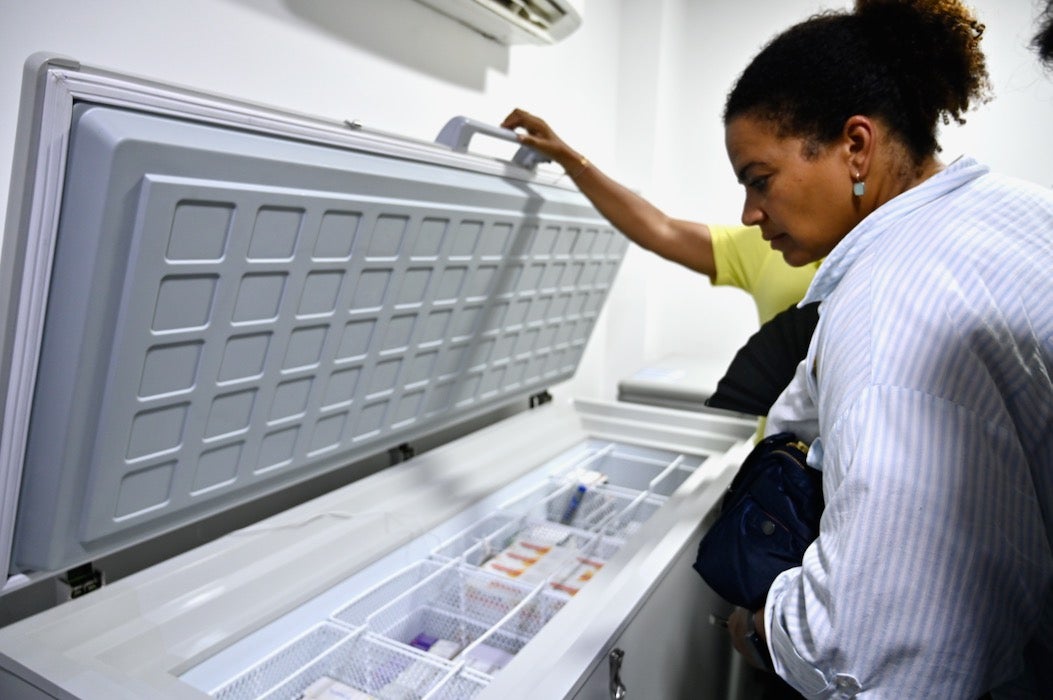
Regarding these results, which she was able to witness firsthand, Ambassador Williams stated: “The work that PAHO, UNICEF, and the Departmental Health Secretariat are doing demonstrates how important connections are. Thank you for being such successful partners. Congratulations, because what you do makes it possible to deliver services and access to communities in remote areas of the Department of Chocó.” For her part, Dr. Gina Tambini, PAHO/WHO Representative in Colombia, expressed her appreciation to the vaccinators involved in the Program and to PAHO’s team of national consultants in the department, as well as for the trust placed in them by the Departmental Health Secretariat, all of which has made these tangible achievements possible.
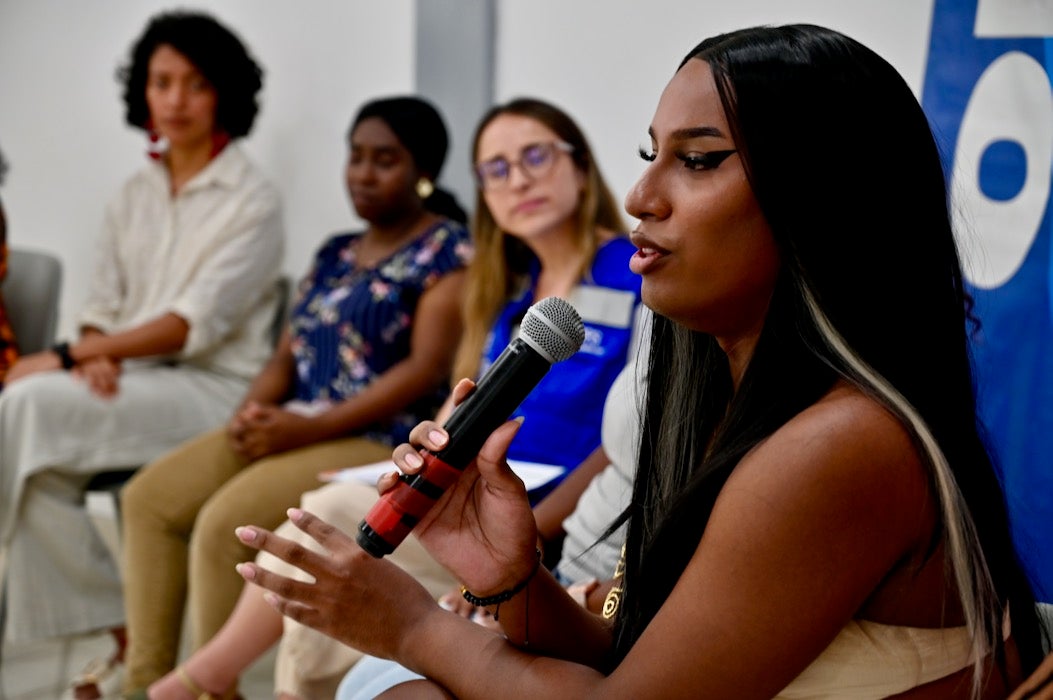
As part of the visit, the Ambassador also had the opportunity to participate in a meeting with young members of the Interethnic Network for Sexual and Reproductive Health of Chocó, held within the framework of the project “Closing the Gaps in Sexual and Reproductive Health and Rights for Women and Adolescent Girls” (C-Gaps in SRHR). During the event, 28 young people from different municipalities across Colombia’s Pacific region shared ideas, discussed challenges in accessing sexual and reproductive health services, and developed proposals to improve them.
Opening the session, Dr. Gina Tambini Gómez stated: “The Government of Canada has been instrumental in building pathways toward equity in sexual and reproductive health, enabling young people in the most vulnerable territories to fully exercise their rights, free from barriers and stigma. Canada has been an exemplary partner because it understands that the health of women and young people cannot wait. Its cooperation with PAHO reflects a deep conviction: that the well-being of new generations is the foundation upon which more just, prosperous, and sustainable societies are built.”
The visit agenda concluded with a meeting with the Association of the Interethnic Network of Traditional Midwives of Chocó (ASOREDIPARCHOCO). During this dialogue, participants shared the experience of strengthening traditional midwifery, an effort that PAHO has supported with funding from Canada and that has benefited more than 70 midwives working across the Department of Chocó. Through this work, which PAHO has accompanied for several years, important progress has been made toward the official recognition of the ancestral knowledge of traditional midwives, integrating their expertise with the formal health system to provide culturally appropriate care and help save lives.
During this meeting, several midwives expressed their gratitude to PAHO and highlighted the impact that this capacity-strengthening process has had on their lives. “I was like a daughter who was helped to grow by PAHO. I started with an internship in Bogotá, and it changed my life. My tradition was strengthened thanks to PAHO. Today, we know how to measure oxygen levels, blood pressure, and more. We know how to care for newborns and their families. And throughout the process, our knowledge and beliefs were always respected,” shared Noemí Manco Varela, a traditional midwife from the municipality of Unguía.
At the conclusion of the visit, Canadian Ambassador Elizabeth Williams expressed her satisfaction at witnessing firsthand the tangible results of the partnership between PAHO and the Government of Canada in a department with as many challenges as Chocó. She affirmed that this joint effort will continue to be strengthened in order to address these needs and contribute to reducing them.
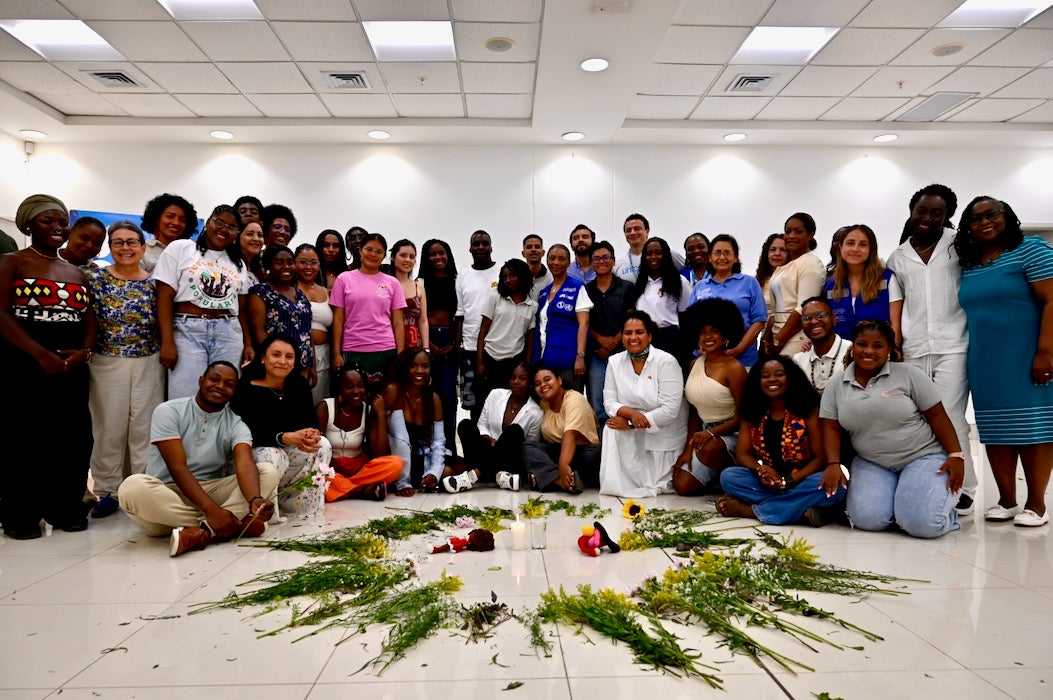
Chocó is a department where structural inequalities, geographic barriers, and cultural differences have historically limited access to quality health services for Afro-descendant and Indigenous populations. The partnership with the Government of Canada and the collaborative efforts carried out to date have been essential in sustaining hope through concrete actions that help reduce the vulnerability of these communities. PAHO reaffirms its commitment to continuing to work alongside Canada and departmental and local institutions to advance equity and universal access to health.