Kingstown, Saint Vincent and the Grenadines, 13 February 2026 (PAHO) – The Pan American Health Organization (PAHO) Office for Barbados and the Eastern Caribbean Countries continued its support to national laboratory system strengthening through a technical mission to Saint Vincent and the Grenadines under the Pandemic Fund Project for Eastern Caribbean Countries. The initiative focuses on improving core capacities required under the International Health Regulations (IHR 2005), with a particular emphasis on biosafety and biosecurity.
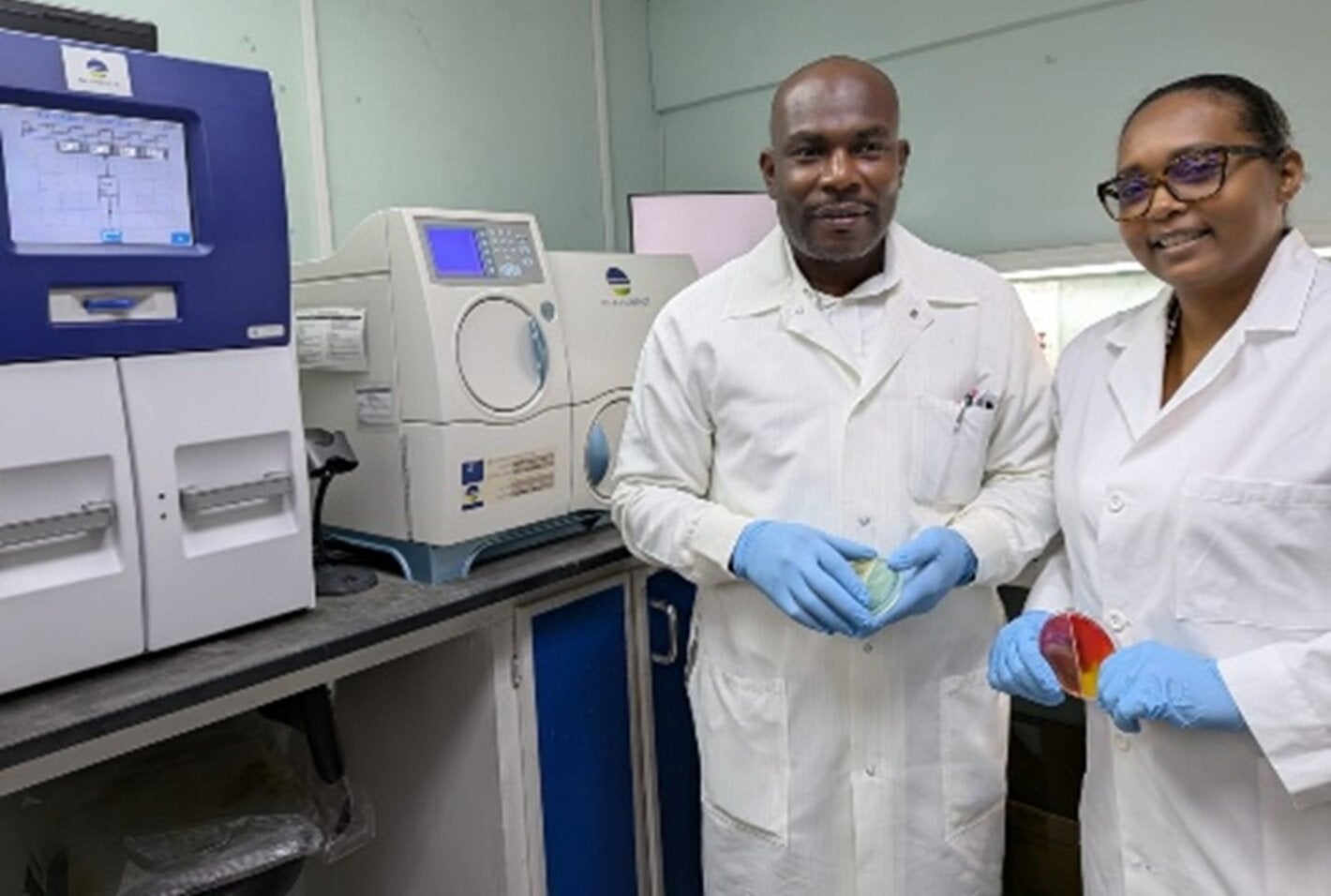
From February 9–12, 2026, a team conducted a series of assessments to evaluate biosafety and biosecurity conditions within public health laboratories, identify priority actions, and provide guidance to further advance the country’s progress toward meeting IHR laboratory core capacities. The mission also aimed to develop tailored recommendations, targeted training, and improved documentation to enhance national readiness.
The assessment was led by experts from the Caribbean Society for Biosafety and Biosecurity (CSBB), a delivery partner of the project and PAHO, including Mr. Shawn Kirk, Team Lead Assessor, CSBB, Mr. Nicholas Lalai, Secondary Assessor, CSBB, and Ms. Sacha Wallace-Sankarsingh, International PAHO Consultant.
The team conducted site visits across several public sector laboratory facilities, including the Public Health Laboratory and Molecular Laboratory Unit, Milton Cato Memorial Hospital, Kingstown, and the laboratory at the Georgetown Modern Medical Facility.
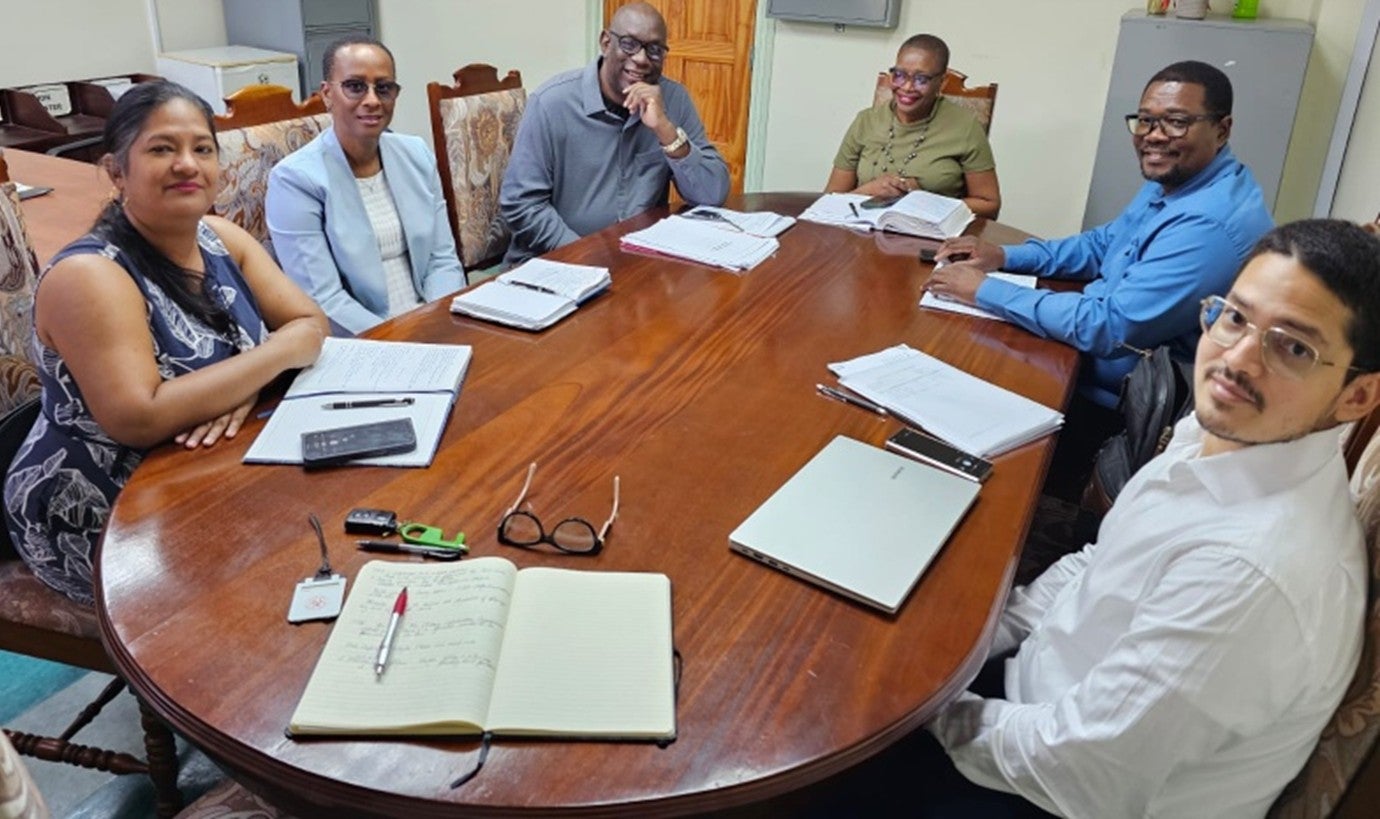
During a mid-assessment‑assessment debriefing, preliminary findings were shared with Ministry of Health officials including Permanent Secretary Nerissa Gittens and Chief Medical Officer Dr. Simone Keizer-‑Beache. The delegation highlighted immediate, low-cost‑cost areas for corrective action and discussed opportunities to strengthen biosafety and biosecurity practices within the national laboratory network.
The Chief Medical Officer noted that the assessment and recommendations would be used to assist with the merging of several other ongoing assessments including quality, waste management and the health work force evaluation aimed at strengthening the overall laboratory functioning and capacity. She noted that the Ministry was in transition to improving its governance and stewardship roles.
PAHO remains committed to supporting Saint Vincent and the Grenadines in strengthening its laboratory systems, biosafety, and biosecurity capacities. Through the Pandemic Fund project for the Eastern Caribbean Countries, we are working with national authorities to build sustainable, resilient systems that can better detect and respond to health threats. This assessment is an important step toward enhancing preparedness and ensuring the country’s laboratories operate at the highest standards of safety and quality,” said Dr. Amalia Del Riego, PAHO/WHO Representative for Barbados and the Eastern Caribbean Countries.
About the Pandemic Fund project for Eastern Caribbean Countries
The project "Strengthening Prevention, Preparedness and Response to Emerging Health Threats in the Eastern Caribbean" project aims to reduce the burden of disease, prevent deaths, and minimize socioeconomic disruptions caused by public health emergencies by implementing a collaborative, One Health approach. Its four main areas of work reflect the Pandemic Fund’s priorities: strengthening surveillance, enhancing laboratory systems, and advancing workforce development.
The project "Strengthening Prevention, Preparedness and Response to Emerging Health Threats in the Eastern Caribbean" aims to reduce the burden of disease, prevent deaths, and minimize socioeconomic disruptions caused by public health emergencies by implementing a collaborative, One Health approach. The project is jointly implemented by three entities, the Food and Agriculture Organization of the United Nations (FAO), the Pan American Health Organization (PAHO)/World Health Organization (WHO), and the World Bank, along with a diverse multisectoral collaboration that supports integrated action across human, animal, and environmental health.