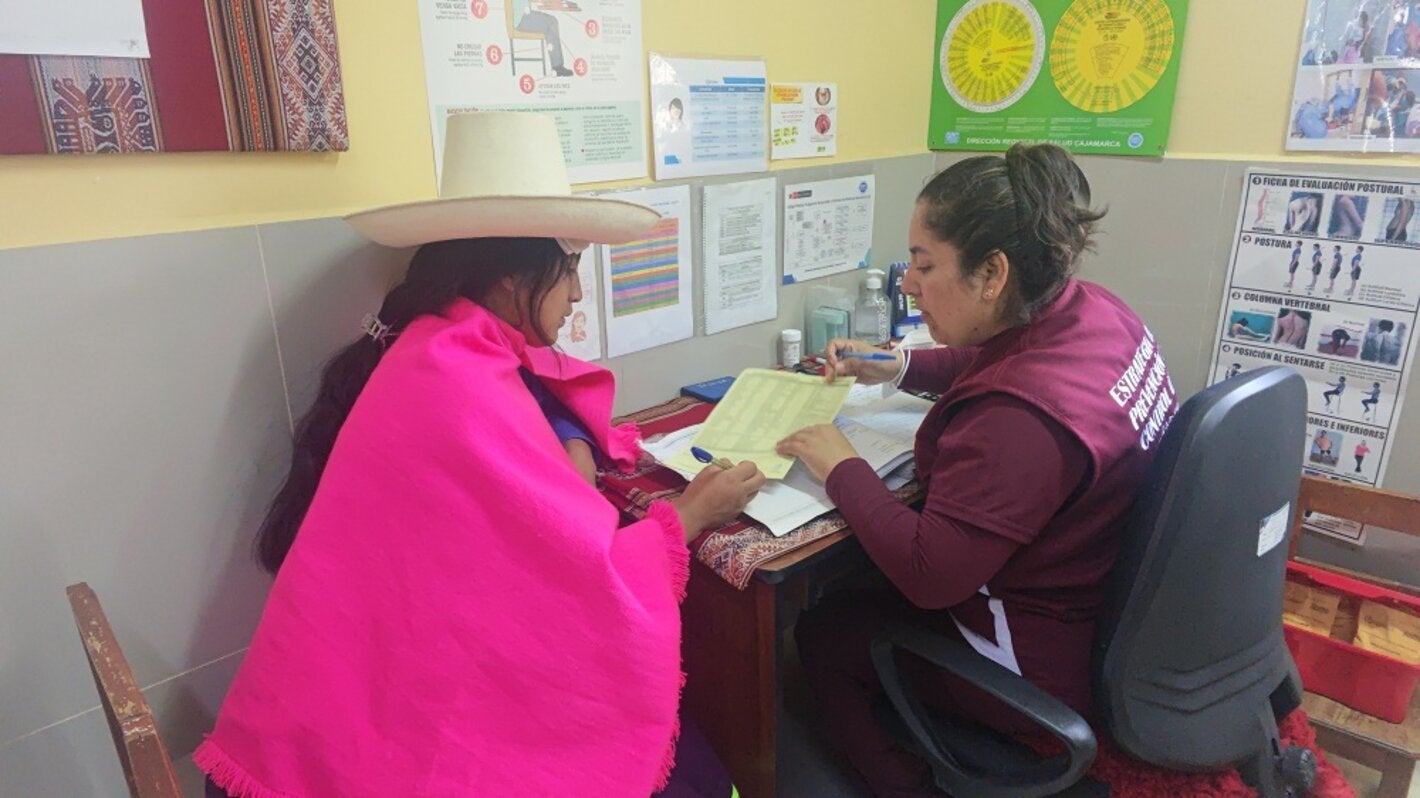
The Pan American Health Organization and the Directorate of Indigenous and Native Peoples of the Peruvian Ministry of Health organized workshops and training sessions to advance the positioning of intercultural health.
Washington, D.C., 18 July 2025 – The Pan American Health Organization (PAHO) collaborated in organizinga series of activities organized by the Directorate of Indigenous and Native Peoples of the Peruvian Ministry of Health, including training sessions for coordinators for indigenous and Afro-descendant populations in the country.
In Cajamarca, training on intercultural health and knowledge dialogues was held with coordinators from six regions of the country: Cajamarca, Tumbes, Piura, Lambayeque, La Libertad, and Áncash. The objective of this workshop was to help reduce health gaps and promote culturally relevant care, with the ultimate goal of ensuring equitable access to quality health services for all communities.
As part of this training, a comprehensive health campaign was carried out in the district of Chetilla, coordinated by the Cajamarca Regional Health Directorate, the Cajamarca Integrated Health Network, the local health facility, and the district municipality. More than 60 people received care in key areas such as oral health, general medicine, gynecology, and HPV screening, among others.
These campaigns not only provide essential services but also foster institutional trust and encourage community engagement in processes that improve collective health. They also reflect the commitment of the Ministry of Health and PAHO to strengthen primary and specialized care with an intercultural approach, recognizing and valuing Peru's cultural diversity to build a more inclusive and equitable health system for all people.
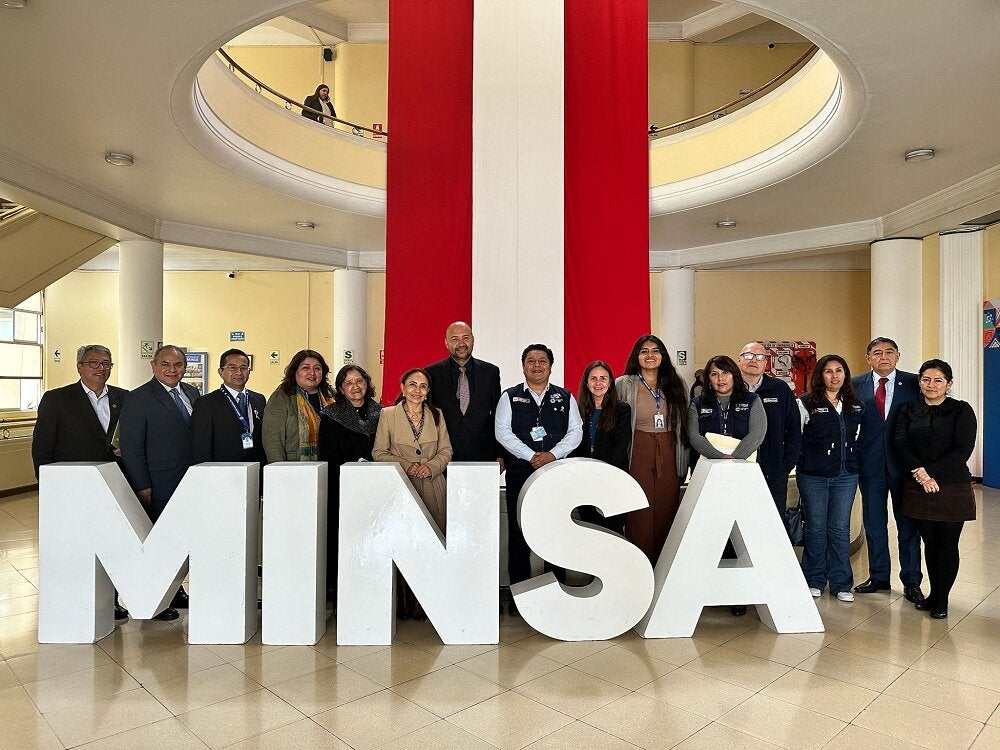
That same week, the Intercultural Health Capacity Building Conference was held in Lima, bringing together coordinators of indigenous peoples from 14 regions of the country. The conference aimedto position intercultural dialogues as a core component of technical cooperation. The activity, which was held in the auditorium of the National School of Public Health (ENSAP) of the Ministry of Health, responded to the need to promote spaces for intercultural dialogues to address the complex health challenges faced by indigenous and Afro-Peruvian populations in Peru.
During the meeting, regional coordinators shared their experiences and strategies for overcoming the barriers faced by these populations, with a focus on maternal and neonatal health, HIV, tuberculosis, malaria, and yellow fever. They highlighted the need for continued support to strengthen existing strategies, including through capacity building.
In addition, the Directorate of Indigenous and Native Peoples, in coordination with the National School of Public Health (ENSAP), launched a course to strengthen health capacities with an intercultural approach, a training program to which PAHO contributed the module on intercultural dialogues.
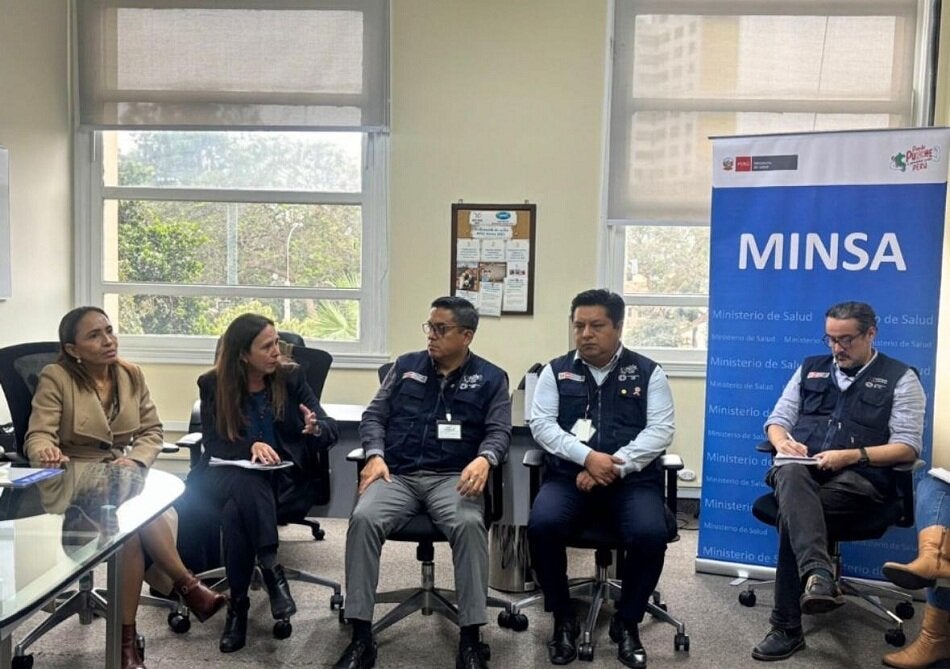
Working in an integrated manner
The MINSA Directorate for Indigenous and Native Peoples also convened a strategic policy dialogue involving the General Director of Strategic Public Health Interventions and officials from the directorates for Prevention and Control of Metaxenic Diseases and Zoonoses; Prevention and Control of Cancer; Prevention and Control of HIV and Hepatitis; Prevention and Control of Tuberculosis; Prevention and Control of Disability; Sexual and Reproductive Health; Life Course Care, as well as representatives of PAHO at the national and regional levels in the area of Cultural Diversity.
The exchange highlighted the need to work in an integrated manner, with the implementation of intercultural dialogues, to address the challenges faced by the indigenous and Afro-Peruvian populations, while respecting their different worldviews. This aligns with the implementation of the Ethnicity and Health Policy promoted by PAHO and its Strategy and Plan of Action on Ethnicity and Health 2019-2025, and positions knowledge dialogues as a central strategy for engagement with these groups.
During this exchange, the progress being made by the Indigenous Peoples' Health Department was presented, including some coordinated actions with the cancer and disability prevention and control programs,the accreditation of culturally relevant establishments, and the work with the 45 indigenous liaisons.
A key PAHO tool
“The knowledge dialogue tool offers a unique framework for working on an equal footing and collectively building strategies and initiatives with these communities to improve health indicators,” said PAHO Regional Advisor on Cultural Diversity, Sandra del Pino, who recalled that working with indigenous peoples and Afro-descendant populations requires a differentiated approach that promotes respect, empathy, and recognition of ancestral knowledge “not as a complementary element, but as a legitimate component of the health system.” She added “Through dialogue and co-construction, we seek to reduce cultural differences between conventional health services and the practices of indigenous communities.”
The director of the Ministry of Health's Directorate of Indigenous and Native Peoples, Edén Galán Rodas, stated: “For us, knowledge dialogues are fundamental to establishing a horizontal relationship with local authorities, community leaders, and ancestral medicine experts, in order to address the diverse worldviews presented by the different communities and identify t alternative solutions together,” he said.
Galán Rodas further emphasized “Knowledge dialogues are essential to building a more equitable and inclusive health system. Listening directly to the voices of our regional coordinators allows us to design policies and programs that truly respond to the needs of our indigenous peoples.”