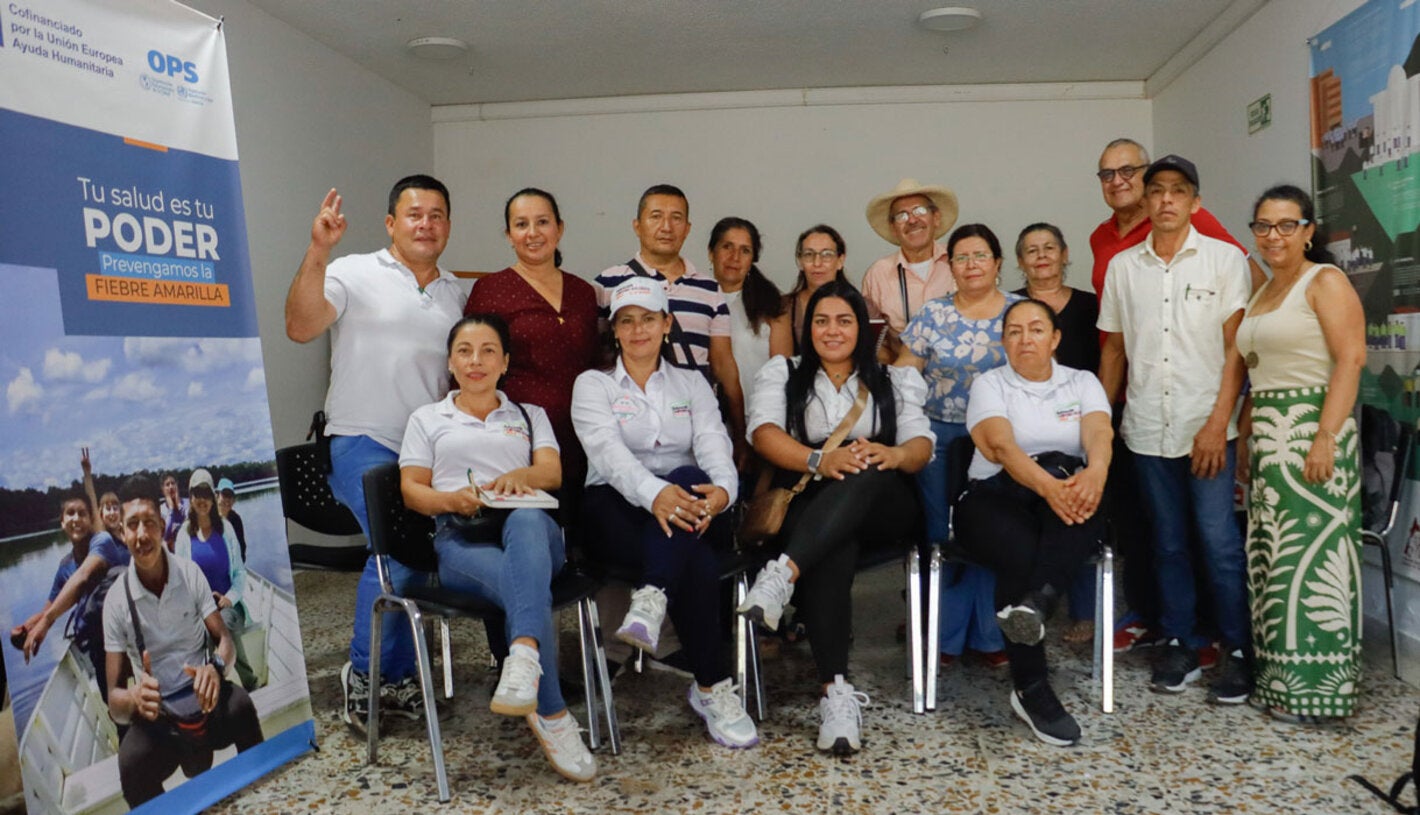
Bogotá, January 30, 2026 – Rural communities are joining efforts to prevent yellow fever through a regional project funded by the European Union to strengthen prevention of the disease in Colombia. As part of this cooperation initiative, the Pan American Health Organization/World Health Organization (PAHO/WHO) conducted five in-person community workshops aimed at strengthening dialogue between community and technical knowledge, supporting risk understanding, and generating strategic inputs for the design and implementation of Risk Communication and Community Engagement (RCCE) actions in the context of the country’s yellow fever outbreak.
The workshops were held in the priority territories of Purificación (Tolima), Puerto Guzmán (Putumayo), Palermo (Huila), Acacías (Meta), and Castilla La Nueva (Meta), with the participation of more than 80 rural community members. Participants were convened through grassroots organizations affiliated with the Agrarian Confederation Pacto Campesino, enabling engagement with organized communities that already had experience in collective processes, community training, and institutional dialogue.
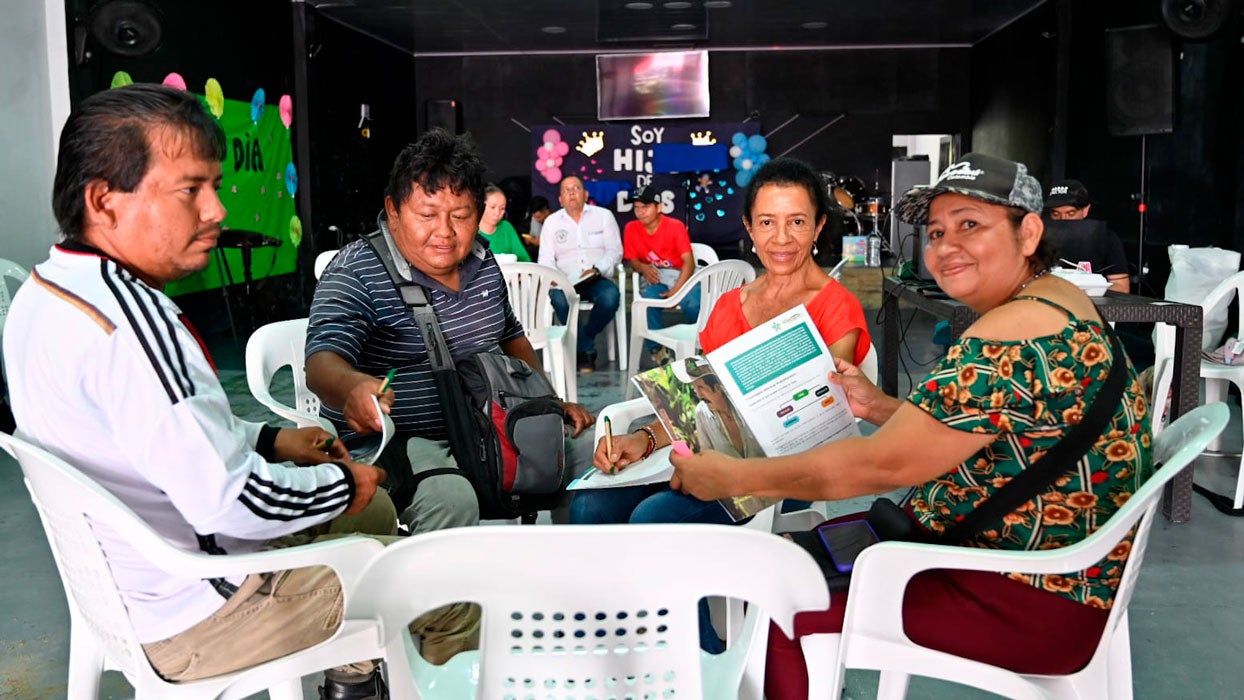
The workshops were designed as integrated spaces for dialogue, analysis, and collective production, with three complementary objectives. First, to listen to and better understand the knowledge, perceptions, attitudes, practices, and barriers that influence yellow fever prevention and vaccination-related decision-making in rural communities. Second, to address concerns and strengthen technical understanding through interactive explanations of key issues such as transmission, the sylvatic cycle, the role of epizootics, fatality risks, vaccination schedules, warning signs, and referral pathways, while responding to fears and uncertainties expressed by participants through a participatory and educational approach. Third, to co-create messages and communication materials based on local knowledge, experiences, and narratives, translating both community dialogue and technical information into culturally relevant and practical educommunication tools.
As part of the workshop methodology, activities included guided community discussions, educational sessions addressing technical questions raised by participants, clarification of key yellow fever concepts, and dialogue around misinformation or incomplete information. Participatory and expressive exercises — including group work, collective storytelling, and analysis of everyday situations — also helped participants share experiences, emotions, and concerns related to risk, while supporting the community co-creation of messages, key phrases, and narrative approaches aimed at developing communication materials that were accessible, relatable, and culturally relevant.
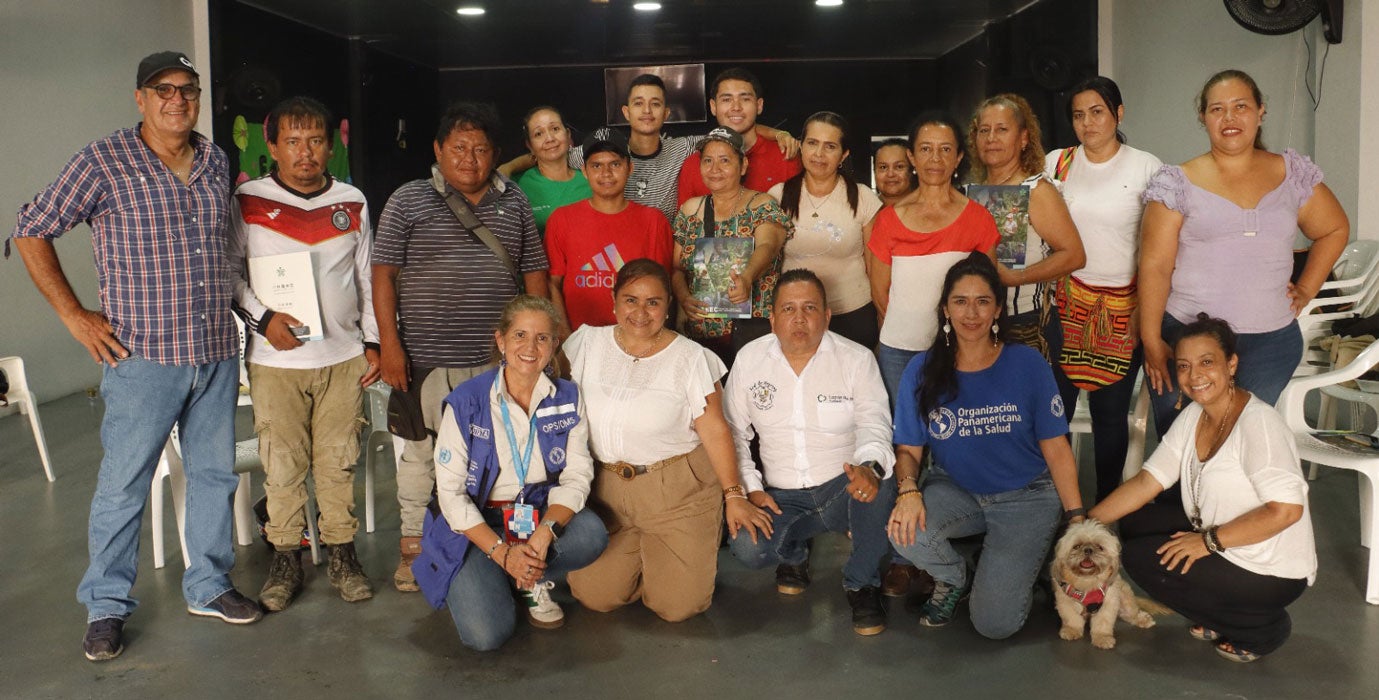
One of the main outcomes of the process was the participatory development of the educommunication booklet “Yellow fever is no fairy tale”, conceived as a narrative and educational reflection of the concerns, priorities, and knowledge shared by communities throughout the workshops.
The workshops fostered active and diverse participation, bringing together rural women and men from different age groups, primarily working-age adults, as well as young people. Participants included members of farmers’ associations, producer organizations, women’s networks, and territorial leadership groups — actors with strong potential to replicate key messages and strengthen local coordination. This diversity contributed directly to the quality of the discussions, the depth of the exchanges, and the future dissemination and local ownership of preventive messages in each territory.
About Yellow Fever
Yellow fever continues to represent a major public health challenge in Colombia, particularly in rural areas characterized by close interaction with jungle ecosystems, seasonal labor mobility, and structural barriers to accessing health services. During 2025, the persistence of risk, the occurrence of outbreaks, and the detection of epizootics in different parts of the country prompted renewed epidemiological alerts and intensified surveillance and vaccination efforts.
This context highlighted that the response to yellow fever cannot rely solely on biomedical or logistical interventions. It also requires strong Risk Communication and Community Engagement (RCCE) processes as strategic components of prevention, early detection, and the sustainability of public health actions.
Yellow fever is a serious viral disease transmitted by infected mosquitoes that can cause fever, muscle pain, vomiting, jaundice (yellowing of the skin and mucous membranes), and even severe bleeding. There is no specific treatment, making prevention — through vaccination, the use of mosquito repellent, elimination of mosquito breeding sites, and seeking early medical care — essential to protecting lives.
Learn more about yellow fever here.