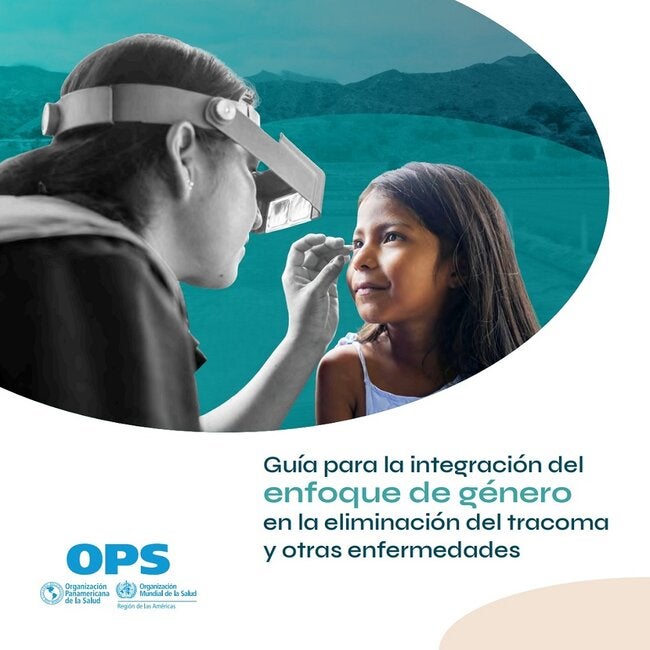
Washington, DC, 20 January 2026 — The Pan American Health Organization (PAHO) has launched the Guide for Integrating a Gender Approach in the Elimination of Trachoma and Other Diseases, a practical document designed to support the integration of a gender perspective, using an intercultural approach, into health actions and strategies related to trachoma. The guide was developed based on testimonies, knowledge, and lived experiences shared by Indigenous women and men leaders.
Trachoma is the leading infectious cause of blindness worldwide and is transmitted through direct contact with ocular and nasal secretions from people infected with certain strains of the bacterium Chlamydia trachomatis. In the Americas, trachoma remains a public health issue in rural areas of Brazil, Colombia, Guatemala, and Peru, affecting an estimated 5.6 million people—primarily women and children.
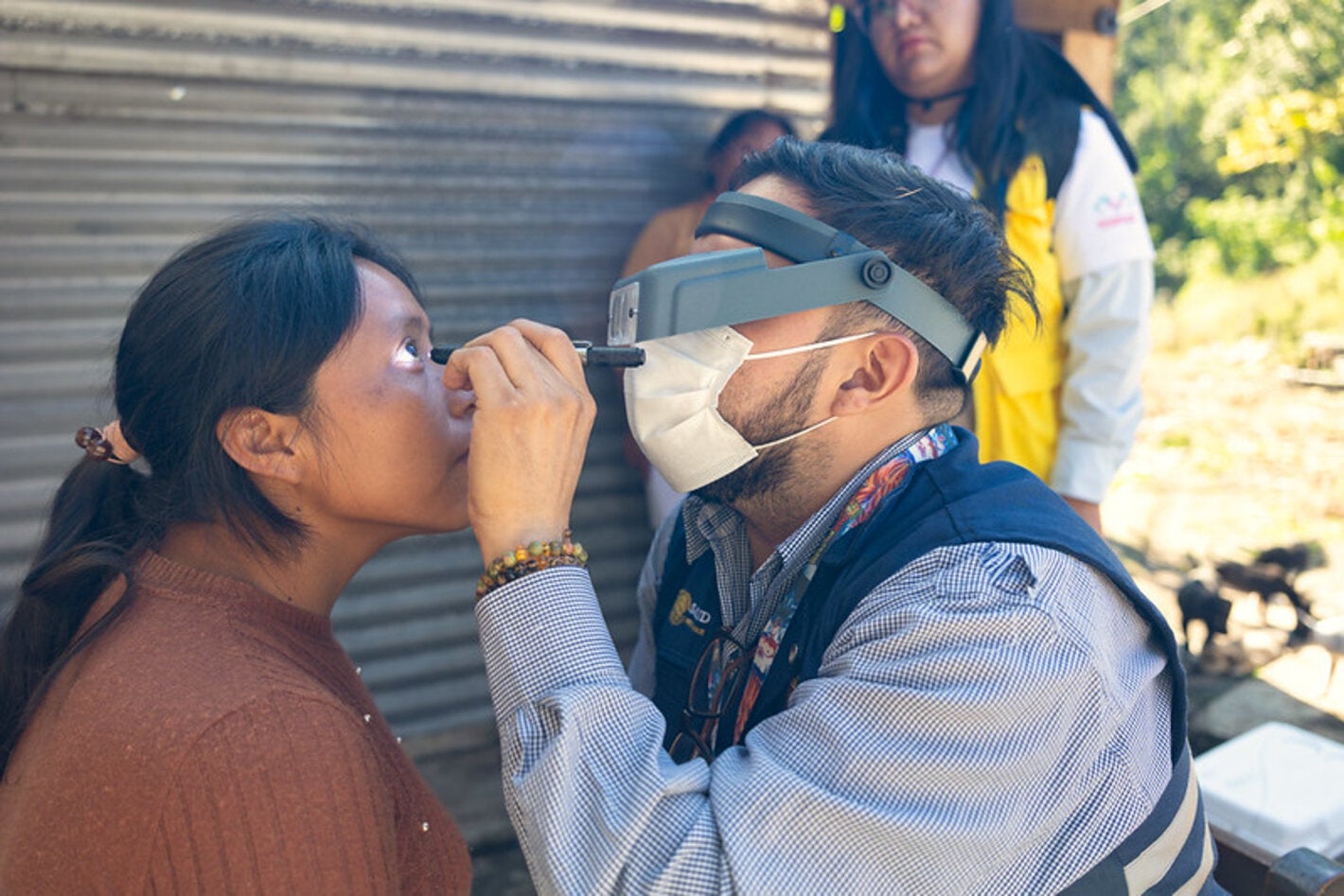
PAHO promotes the SAFE strategy (Surgery, Antibiotics, Facial cleanliness, and Environmental sanitation) through a regional initiative supported by the Government of Canada, with the goal of eliminating trachoma by 2030.
PAHO’s SAFE strategy takes a comprehensive approach to eliminating trachoma as a public health problem. In parallel, the Organization applies the dialogue of knowledge methodology—an approach developed by PAHO that facilitates meaningful engagement with communities.
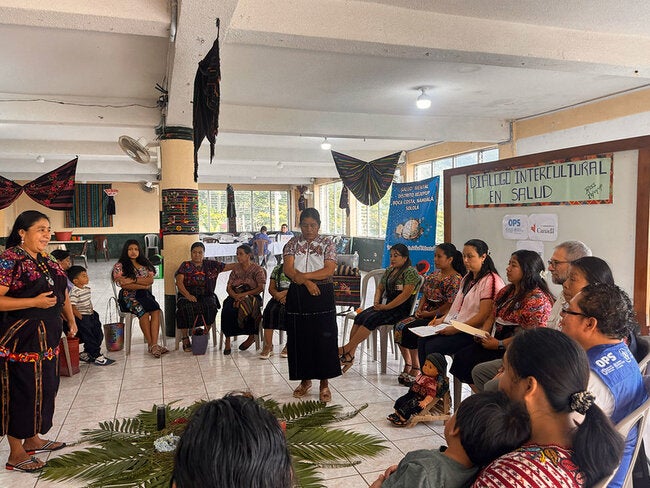
A key objective of the newly launched guide is to strengthen both the supply of and demand for SAFE strategy interventions in Indigenous communities affected by trachoma. This approach contributes not only to the successful elimination of trachoma, but also to the elimination of other diseases.
Gender approach
The risk of blindness from trachoma is up to four times higher in women than in men. Gender roles, such as the disproportionate burden of caregiving responsibilities, limited autonomy in health-related decision-making, restricted mobility, unequal access to education, exclusionary cultural norms, limited availability of information, and lack of basic services (including delayed or limited access to health care), increase women’s vulnerability to this and other neglected tropical diseases.
Indigenous Peoples have historically faced, and continue to face, structural barriers that limit their access to health care as defined within biomedical and Western frameworks.
The actions and strategies described are part of PAHO’s Initiative for the Elimination of Communicable Diseases and Related Conditions, which aims to eliminate more than 30 diseases by 2030, including trachoma, through a common, integrated, and sustainable approach that promotes linkages and synergies within health systems and across sectors. In 2017, Mexico became the first country in the Region to eliminate trachoma as a public health problem.