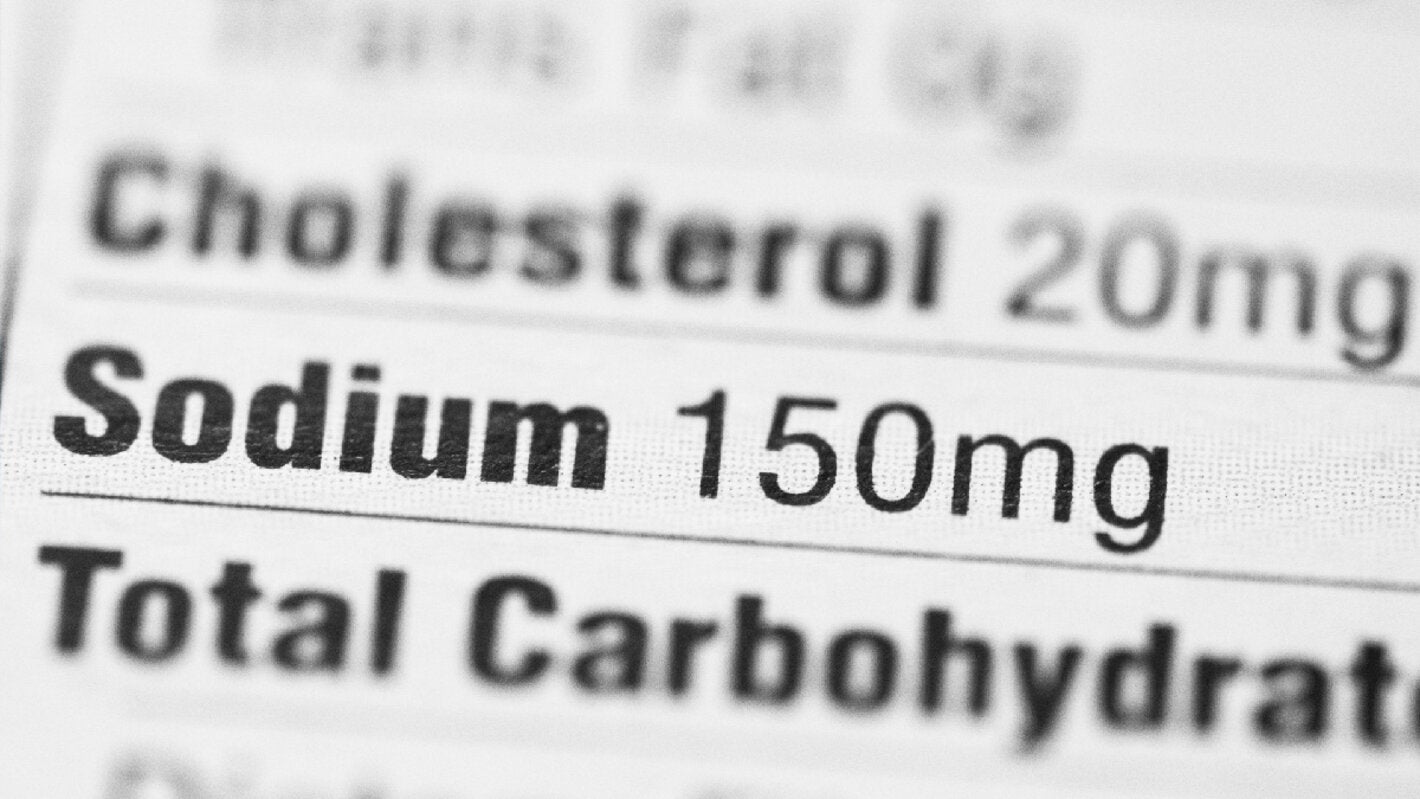
Washington, D.C., May 14, 2026 (PAHO) – The World Health Organization (WHO) recommends adults consume no more than 2000 mg/day of sodium, which is equivalent to one teaspoon, and even less for children. Excess salt consumption is one of the leading risk factors for hypertension and cardiovascular diseases—two of the main causes of death in the Americas. Yet across the Region, sodium intake remains far above recommended levels, often without people being aware of it, as the majority of it comes from processed and ultra-processed foods rather than the salt added at the table.

For this year’s Salt Awareness Week 2026 (May 11-17), Fabio da Silva Gomes, Advisor in Nutrition and Physical Activity (PAHO), talks about the risks of excessive salt consumption, offers advice on how to reduce its intake, and presents the challenges faced by the region.
Why are high sodium diets a major public health concern in the Americas, and what are the main health risks?
Excessive sodium consumption is one of the leading dietary risk factors for death in the Americas. Most people consume far more sodium than they realize, increasing the risk of high blood pressure, heart attacks, strokes, kidney disease, and other chronic conditions.
Many people associate salt with what they add at the table. Where is most sodium in the diet actually coming from today?
This is the trap many people fall into, thinking that avoiding the saltshaker is enough, but nearly 80% of the sodium in our diets comes from ultra-processed products such as processed meat like sausage, snacks, and breakfast cereals. Consumption of ultra-processed foods has increased significantly across the Region, making policies such as front-of-package warning labels essential to help consumers identify products with excessive amounts of sodium.
There are many types of salt on the market—sea salt, pink salt, and gourmet salts. Is there any difference between them for human health?
Pink Himalayan salt, sea salt, and table salt are all mostly sodium chloride. While some contain trace minerals, these do not offset the health risks of consuming too much sodium. Some low-sodium salt substitutes replace part of the sodium chloride with potassium chloride, which can help reduce sodium intake. However, WHO recommends these substitutes only for adults and not for pregnant women, children, or people with kidney disease or other conditions that affect potassium excretion.
What are some of the main obstacles to reducing sodium consumption in the Region?
The major obstacle is the food industry’s interference in policy making. Companies frequently seek to delay or weaken mandatory public health measures aimed at reducing sodium content, for example by casting doubt on the scientific evidence, promoting voluntary approaches or weaker regulatory alternatives, or by using litigation to deter governments from adopting stronger regulations.
What are the most effective steps individuals and families can take to reduce their sodium intake?
Number one: avoid ultra-processed products. The less we eat them, the better our diets will be. Secondly, the more we cook at home, the greater control we have over what we and our family eat, and in doing so gradually adjusting recipes helps further improve our diets and protect our health and the health of our loved ones.
What policies and actions have proven most effective in reducing sodium consumption and raising awareness?
The most effective measures are mandatory policies, particularly placing legal limits on sodium in processed and ultra-processed foods and requiring front-of-package warning labels that clearly alert consumers when a product is high in sodium. Countries like Argentina, Mexico, and Colombia already require these labels. Studies on the use of warning labels have shown a reduction in the purchase of products high in sodium. Regulating the marketing of these products and restricting their presence in schools are also vital steps for effective, sustained, long-term change.
How does PAHO support the Region to reduce sodium intake?
PAHO works with countries to promote healthier diets, strengthen policies, and raise public awareness. These efforts align with the global goal set by the World Health Organization to achieve a 30% relative reduction in salt intake—an ambitious target that remains a critical priority for improving public health.
We also support Member States and collaborate with civil society organizations to advance the adoption and implementation of front-of-package warning labels that alert consumers when products are high in sodium. This is one of our proudest initiatives, because it helps people make more informed choices at the point of purchase and supports food regulators to apply other cost-effective measures, such as restrictions on marketing and school food environments.
PAHO has also developed tools like the PAHO Regional Sodium Reduction Targets, which establish evidence-based maximum sodium levels for different food categories and support countries in regulating processed foods. We provide training to help countries monitor sodium intake and strengthen enforcement of regulatory measures, and provide free online courses such as the one on Regulatory Policies to Prevent Obesity and Diet-related Noncommunicable Diseases.
During the World Salt Awareness Week, we share information about the health risks associated with excessive sodium consumption and call for action to help protect public health.