Port of Spain, 20 October, 2026 (PAHO) - A death certificate may seem like a routine administrative document, but the information it contains helps shape important decisions about the nation's health. From understanding the leading causes of death to planning health services and allocating resources, accurate mortality data plays a critical role in improving the well-being of the population.
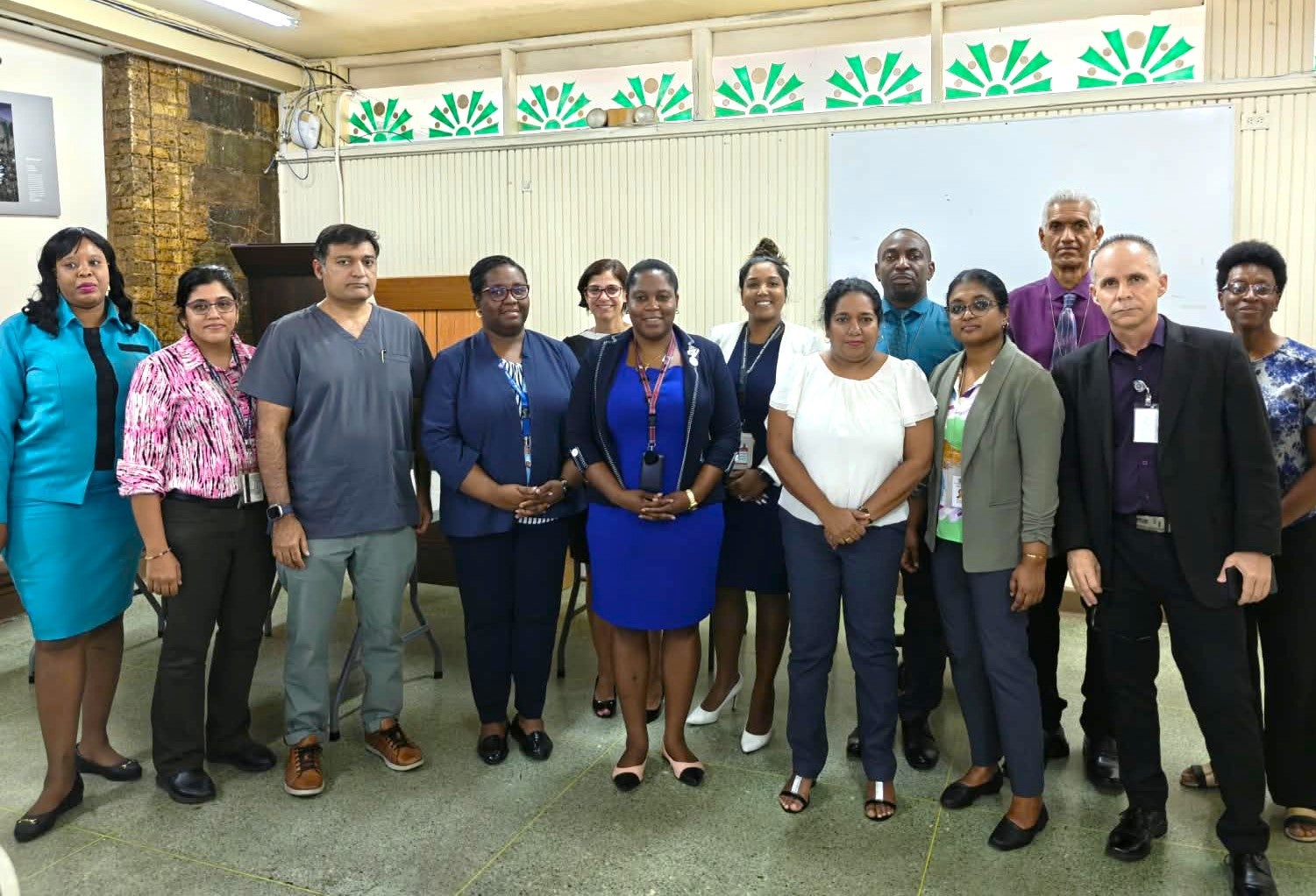
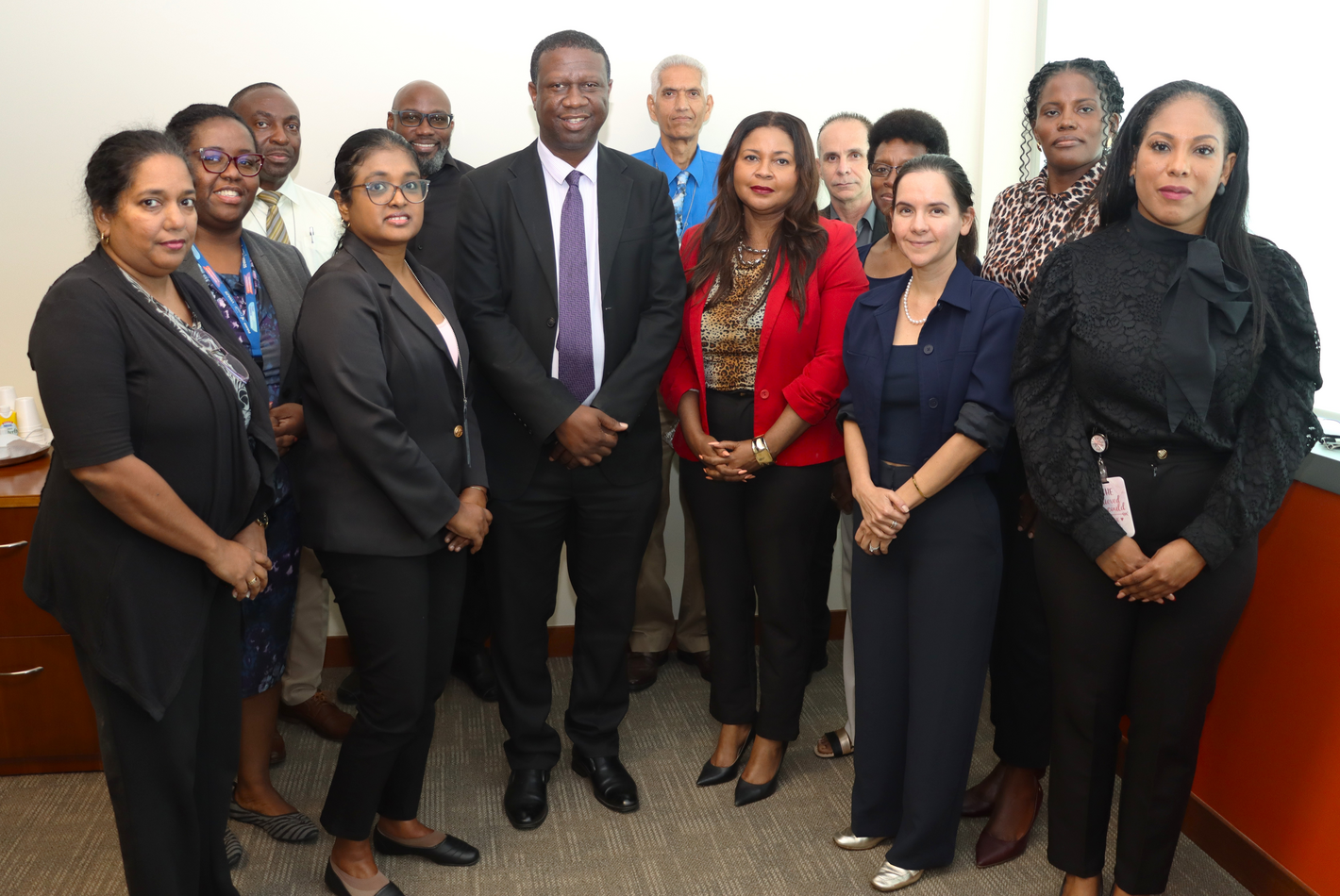
Recognizing the importance of reliable health information, the National Mortality Coding Assessment was successfully conducted from 1 to 16 October 2026 through a collaboration involving the Ministry of Health, PAHO/WHO, and Caribbean Public Health Agency, with financial support from Data for Health (D4H) Bloomberg Philanthropies.
The assessment brought together a wide range of professionals and institutions that contribute to the country's mortality information system, providing an opportunity to review current processes and identify areas for strengthening as Trinidad and Tobago prepares for the transition to the latest International Classification of Diseases, ICD-11.
Over the course of the assessment, teams visited Regional Health Authorities across Trinidad and Tobago and engaged with medical records personnel, physicians, pathologists, mortality coders, health information specialists, and information technology teams. Discussions also extended beyond the health sector to include funeral homes, the Trinidad and Tobago Police Service, the Forensic Science Centre, the Registrar General's Department, and other partners whose work contributes to the recording and reporting of deaths.
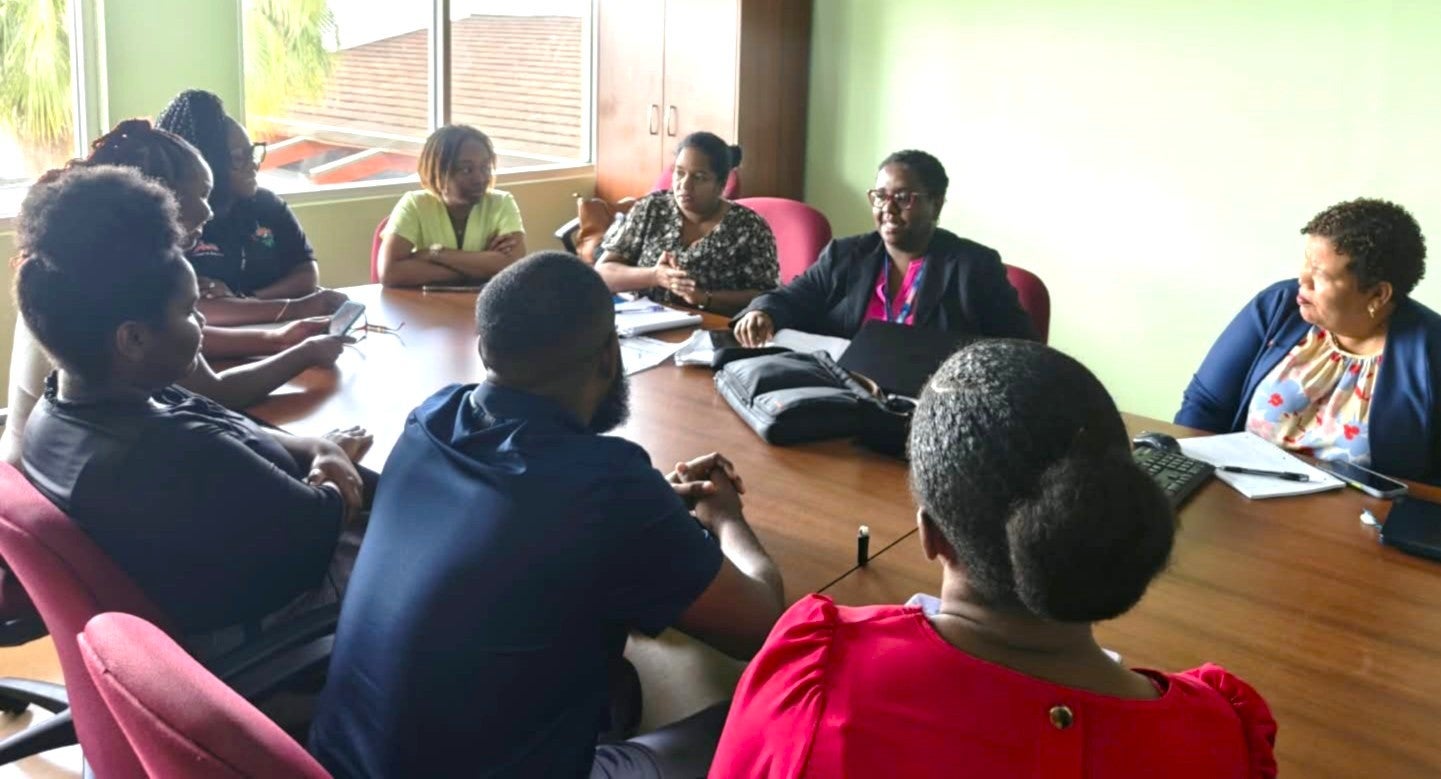
The assessment examined the journey of mortality information from the point at which a death occurs to its eventual inclusion in national statistics. This included reviewing how deaths are certified, registered, coded, validated, and reported, as well as how information moves between institutions.
For the average citizen, this work may seem technical, but its impact is far-reaching.
When mortality data is accurate, health authorities can better understand which diseases and conditions are affecting communities, identify emerging health challenges, and determine where investments and interventions are needed most. Reliable information helps guide decisions on everything from cancer prevention programmes and cardiovascular health initiatives to emergency preparedness and healthcare staffing.
Simply put, better data leads to better decisions, and better decisions contribute to better health outcomes for everyone.
The successful completion of the assessment reflects the commitment of stakeholders across multiple sectors to ensuring that Trinidad and Tobago's health information systems remain fit for purpose and responsive to the country's needs.
While much of the work took place behind the scenes, its benefits will be felt across the health sector and throughout society. By strengthening the quality of mortality data today, Trinidad and Tobago is building a stronger foundation for evidence-based decision-making and a healthier future for all.