July 20, 2026, La Paz, Bolivia (PAHO/WHO). — With a strong commitment to advancing health equity and ensuring the full realization of human rights, the implementation of the project “Closing the Gaps in Sexual and Reproductive Health and Rights for Women and Adolescent Girls” has officially begun. The initiative is led and technically coordinated by the Pan American Health Organization/World Health Organization (PAHO/WHO) and benefits from the invaluable financial support and cooperation of the Government of Canada.
The project was conceived as a strategic response to the persistent barriers to reproductive health in the region. While significant progress has been made in expanding overall coverage of health services, inequalities continue to disproportionately affect populations living in situations of greater vulnerability.
Geographic Coverage and Territorial Prioritization
To maximize the impact of the interventions, priority geographic areas were strategically selected in coordination with health authorities. In Bolivia, activities will focus on the departments of Santa Cruz and Tarija, with targeted implementation in the following areas:
Municipality of Santa Cruz de la Sierra, with priority given to the Eastern Health Network.
Municipality of Cercado (Tarija).
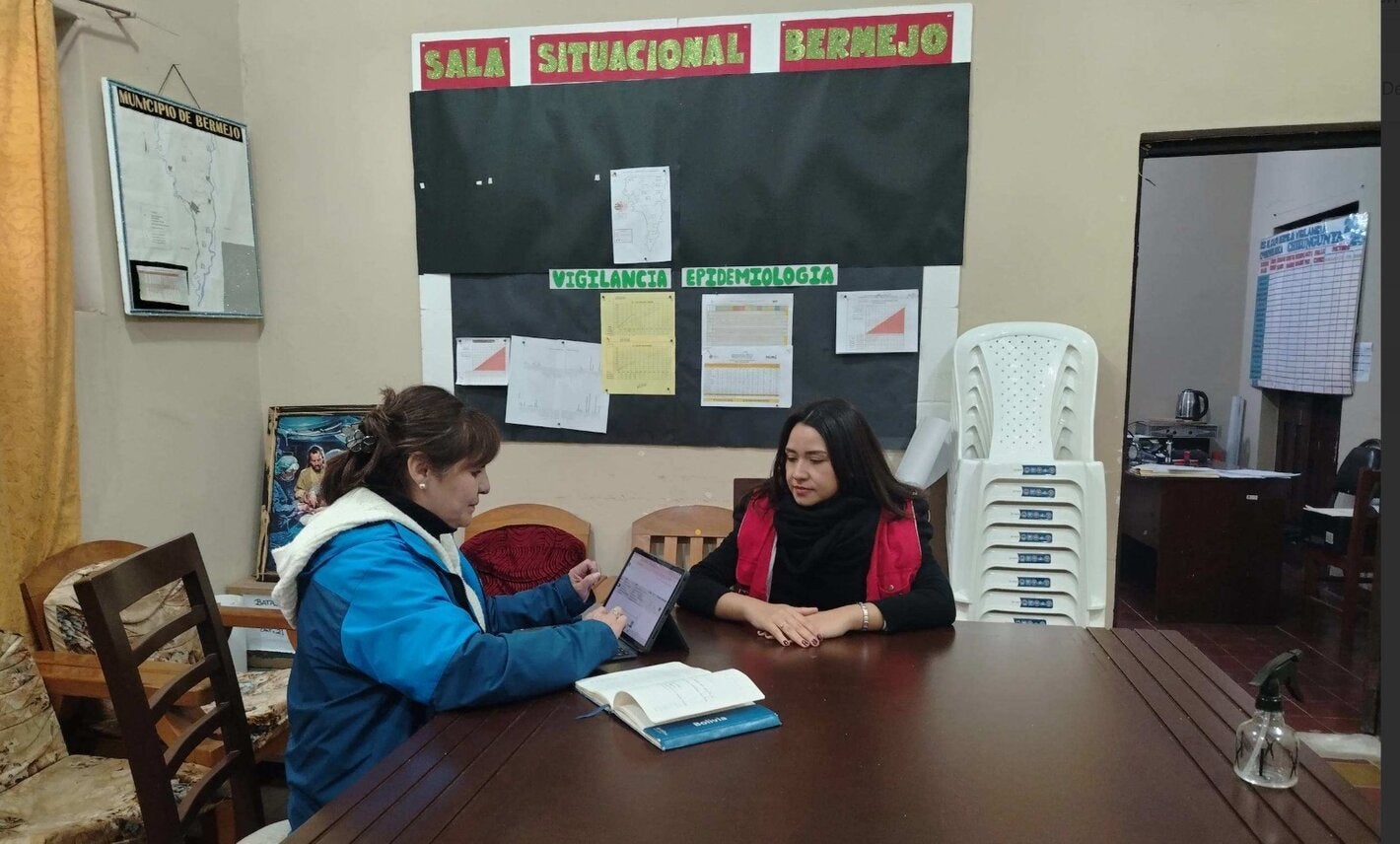
Municipality of Bermejo (Tarija).
Purpose and Strategic Pillars of the Initiative
The project is grounded in a comprehensive approach that places Primary Health Care (PHC) at the center of efforts to build resilient, community-based health systems. Its core objectives are organized around three key institutional pillars:
Ensure Universal Access to Quality Services: Sustainably increase access for women and adolescent girls to comprehensive sexual and reproductive health services that are gender-responsive, grounded in human rights, and culturally appropriate.
Promote Empowerment and Leadership: Strengthen the capacities of women and adolescent girls to become key actors in advocating for, promoting, and independently exercising their sexual and reproductive rights.
Strengthen Governance and Local Partnerships: Enhance the institutional protection of these rights through direct technical collaboration with subnational governments, healthcare personnel, and other strategic stakeholders within the local context.
Beneficiary Population: A Multisectoral Approach
The implementation of this initiative is expected to generate positive impacts across multiple levels of the social and health sectors, primarily benefiting:
Women and adolescent girls of reproductive age in the selected municipalities, who will have greater opportunities to access services and participate in local leadership initiatives.
Health personnel and service providers: Healthcare professionals and technical staff within the public health system who will benefit from ongoing capacity-building processes to strengthen their knowledge, technical competencies, and awareness.
Local authorities and decision-makers: Key stakeholders who will receive active support to enhance local governance and promote the design and implementation of public policies informed by scientific evidence.
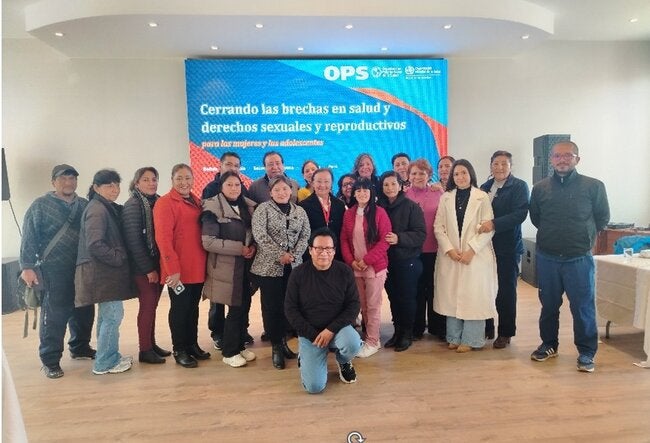
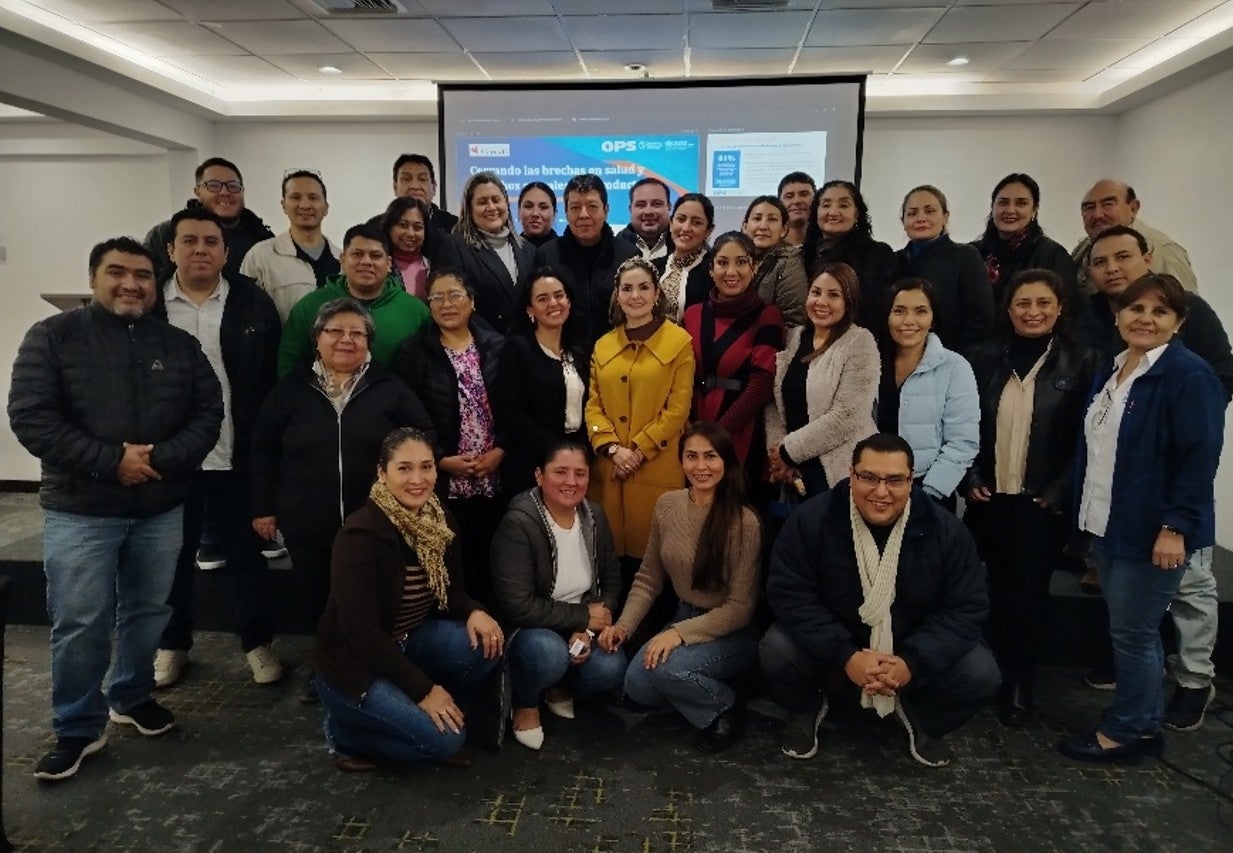
Marking the beginning of field-level activities, official project launch and participatory planning workshops were recently held with the participation of local authorities, technical teams from various programs of the Departmental Health Service (SEDES), directors of health facilities, and representatives of organized civil society.
These meetings not only provided an opportunity to thoroughly present the project's key guidelines, but also served as a platform to collaboratively and democratically design the agenda and schedule of activities to be implemented in the coming months. With these strong foundations in place, the project aims to generate lessons learned and best practices that can serve as a reference at both the national and regional levels in advancing the right to health.