Washington, D.C., 20 May 2026 — During the regular session of the Permanent Council of the Organization of American States (OAS), focused on ‘Women, Aging, and Empowerment Across the Life Course’, the Pan American Health Organization (PAHO) joined the Inter-American Commission of Women (CIM) and the O’Neill Institute to highlight key challenges and opportunities related to women’s aging in the Americas. The dialogue reflects ongoing collaboration between PAHO and the OAS under the Inter-American Task Force on Women’s Leadership, aimed at advancing more inclusive and equitable health systems across the region.
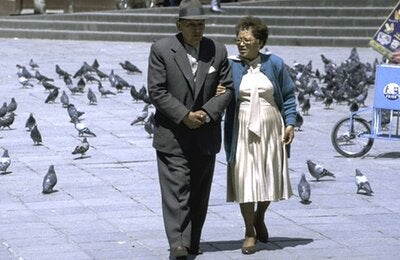
In her remarks, Aysa Saleh, PAHO Advisor on Gender and Health, underscored that one of the region’s most urgent structural challenges is ensuring that population aging occurs with dignity, equity, and full respect for human rights. She highlighted that, although women tend to live longer than men, they often experience a higher burden of chronic diseases (frequently underdiagnosed or dismissed as a natural part of aging), revealing persistent ageism compounded by gender inequalities throughout the life course. Moreover, all of these factors are more pronounced among women belonging to population groups in situations of vulnerability.
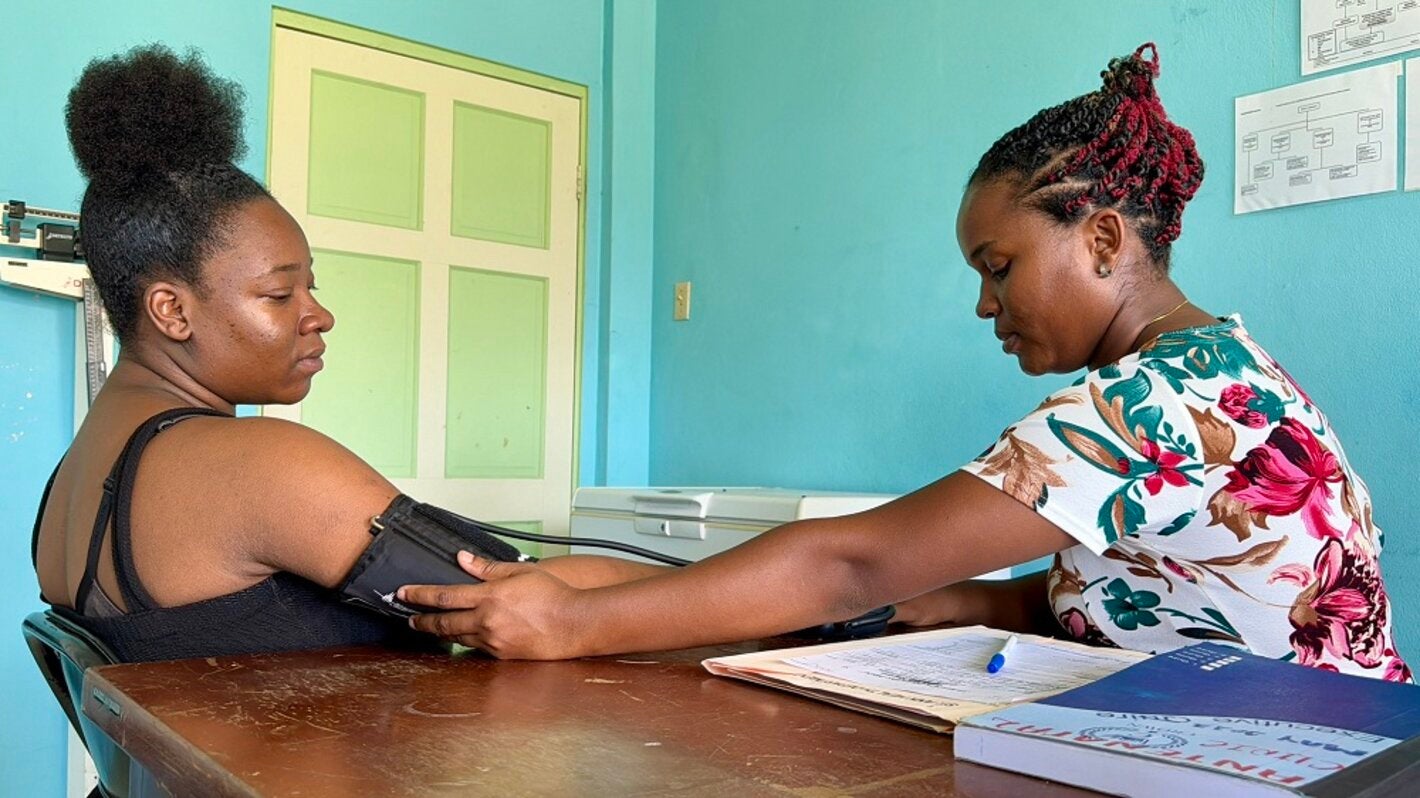
Saleh also highlighted how entrenched gender roles affect women’s health outcomes over time. “Many women prioritize caregiving responsibilities over their own well-being, a pattern that intensifies in older age and contributes to worsening physical and mental health”, she said, and drew attention to “critical biological transitions such as menopause, which remain insufficiently addressed by health systems despite their links to cardiovascular risks, osteoporosis, sleep disorders, and mental health challenges”.
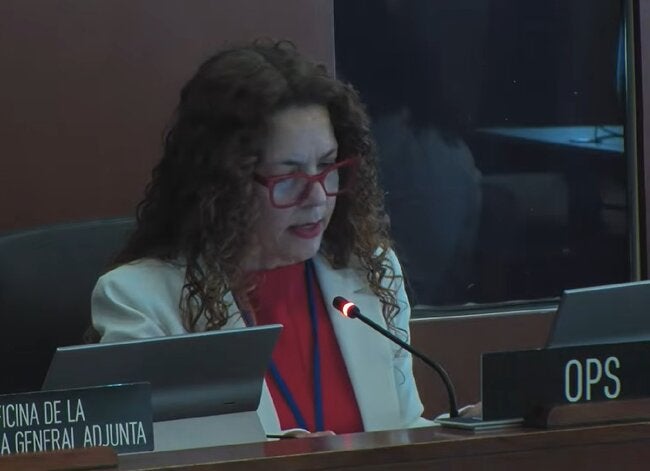
The PAHO advisor further called for closing major gaps in evidence, policy attention, and financing. Saleh noted that research has “historically focused on women’s reproductive years, leaving conditions that predominantly affect older women underexplored”. In this context, she outlined five priority lines of action, including promoting policies that ensure equitable access to comprehensive health services and social protection, strengthening training for health professionals on gender and aging, and improving data systems through disaggregated information to inform inclusive decision-making.
PAHO reiterated that addressing women’s health through a life-course approach is both a matter of rights and a strategic investment in more resilient and sustainable societies. Continued collaboration with the OAS and CIM remains essential to elevate these priorities on the regional agenda and to advance health and social protection systems that fully respond to the needs of women at every stage of life.