Brasília, August 22, 2024 – Meningitis remains a significant threat to international public health, even with the existence of effective vaccines to prevent the main causes of the disease. With the aim of strengthening actions to eliminate the bacterial meningitis epidemic, reduce deaths caused by it, prevent disability, and improve the quality of life of survivors, the Brazilian Ministry of Health is developing a national plan to defeat meningitis by 2030, in line with the regional and global goals set by the Pan American Health Organization (PAHO) and the World Health Organization (WHO).
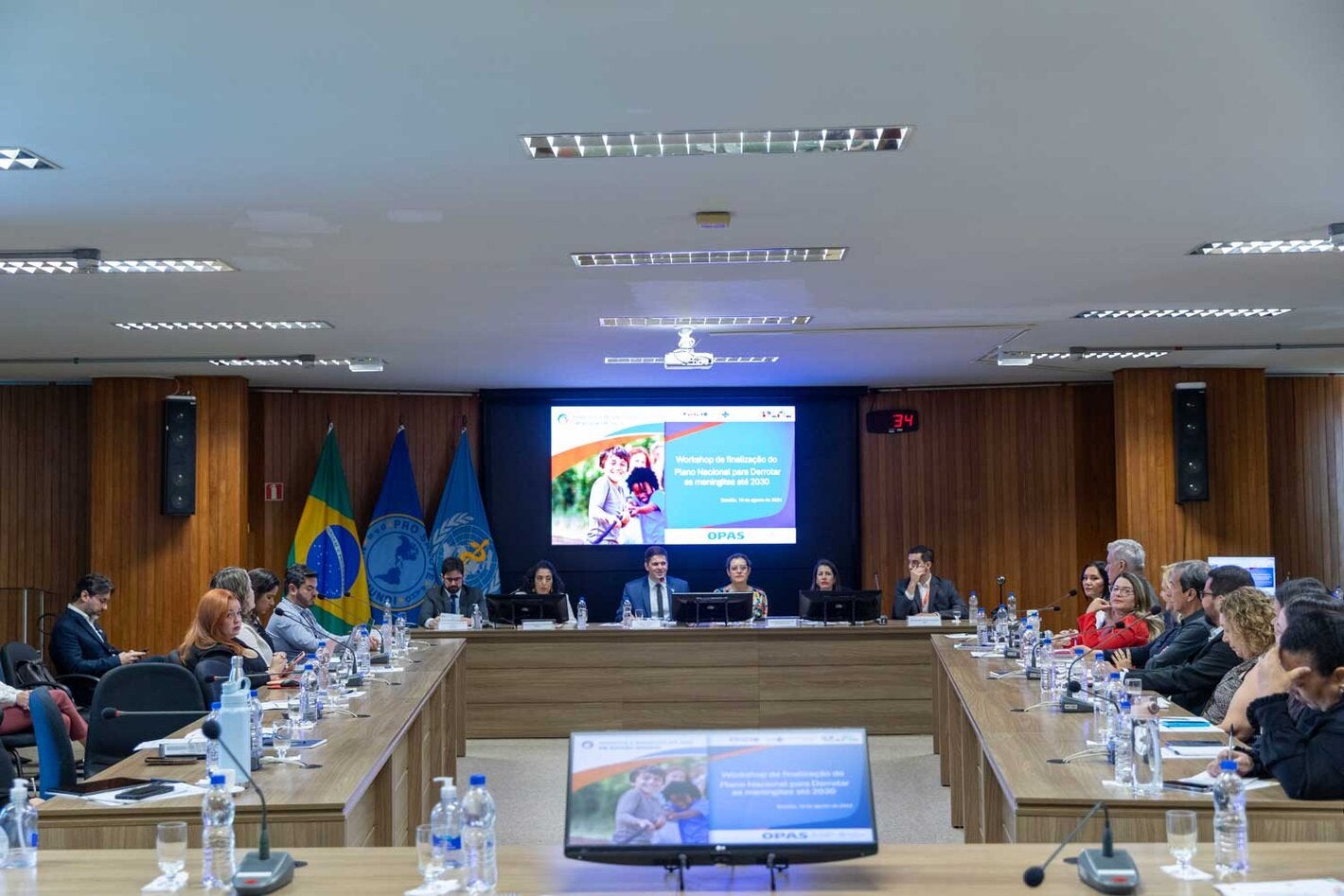
The process of developing Brazil's plan began in 2023 and will be completed in October 2024. This will make Brazil the first country in the Americas to have a structured plan for this purpose. The guidelines and activities proposed in the plan were discussed at a workshop held on August 19 and 20 in Brasilia, attended by representatives from various departments of the Ministry of Health and experts from PAHO and WHO.
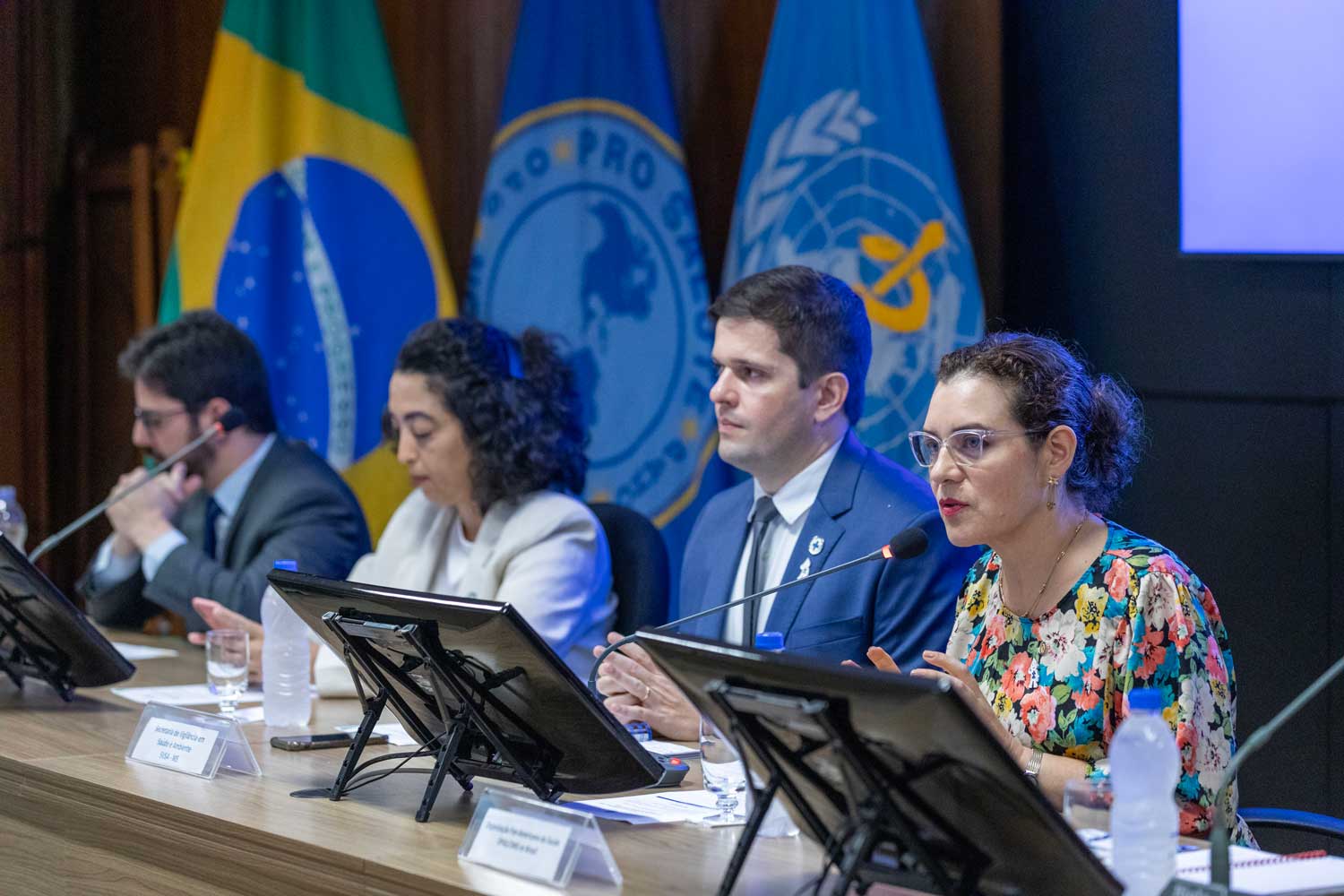
At the workshop's opening session, Lely Guzmán, coordinator of the Comprehensive Immunization Program at PAHO's office in Brazil, highlighted the importance of the country's acceptance of the challenge and commitment to defeating this potentially deadly disease.
“This commitment is also very important for the Region of the Americas, as it showcases Brazil's successful experience so that other countries can also implement plans like this one.”
The text proposes coordinated actions integrated with Brazil's Unified Health System (SUS), covering five essential pillars: prevention and control of epidemics; diagnosis and treatment; epidemiological surveillance; support and assistance for affected persons; and communication and commitment.
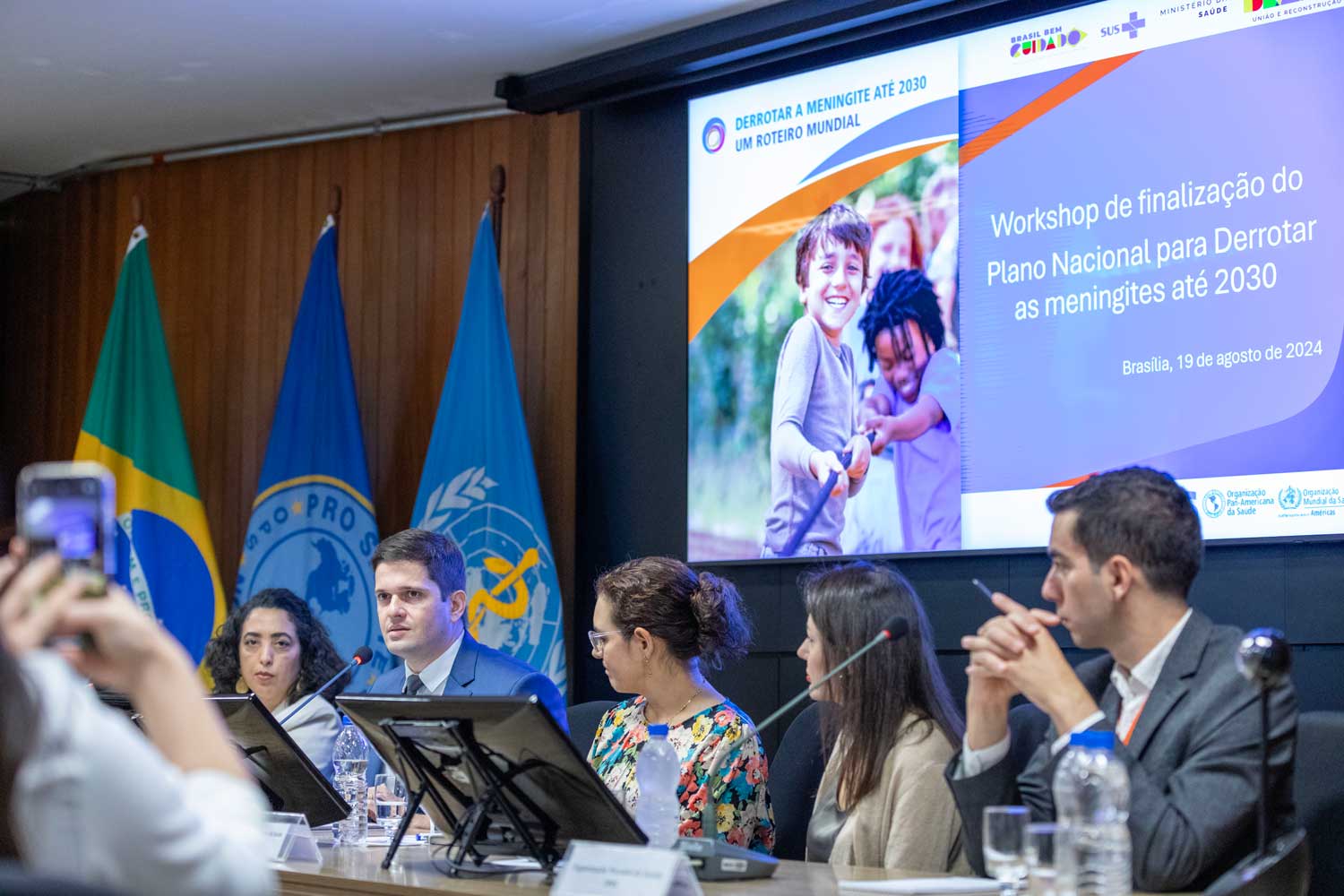
Also at the opening table, the director of the National Immunization Program Department of the Secretariat of Health and Environmental Surveillance (SVSA), Eder Gatti, highlighted the impact of vaccines on the epidemiological scenario of meningitis in recent decades and the importance of adding to this a broad approach to health, bringing together various departments of the Ministry, to defeat them by 2030.
“We are in a position to further improve the epidemiological scenario for our population, saving lives. I am sure that with the first-rate work being done here, with the support of PAHO and WHO, we will be able to respond and offer a good plan for our population.”
Also present were Joaquin Baruch, technical officer for meningitis representing the WHO Department of Emergencies; Nathalie El Omeiri, program advisor for antimicrobial resistance and focal point for the plan to defeat meningitis by 2030 at PAHO headquarters in Washington, D.C.; Maria Tereza da Costa, immunization consultant at PAHO headquarters in Washington, D.C.; Evellin Silva, director of the Department of Community Health Strategies and Policies of the Secretariat of Primary Care (SAPS); and Aristides Oliveira, director of the Department of Specialized and Thematic Care of the Secretariat of Specialized Care (SAES).
In addition to technicians from the Secretariat of Indigenous Health (SESAI), George Bôsco Barros de Araújo; from the Secretariat of Science, Technology, and Innovation and the Economic-Industrial Health Complex (SECTICS), Flávia Furtado Mulinari and Ana Luiza Machado Lacerda; and the Secretariat for Labor and Health Education Management (SGTES), Bethania Ramos Meireles.
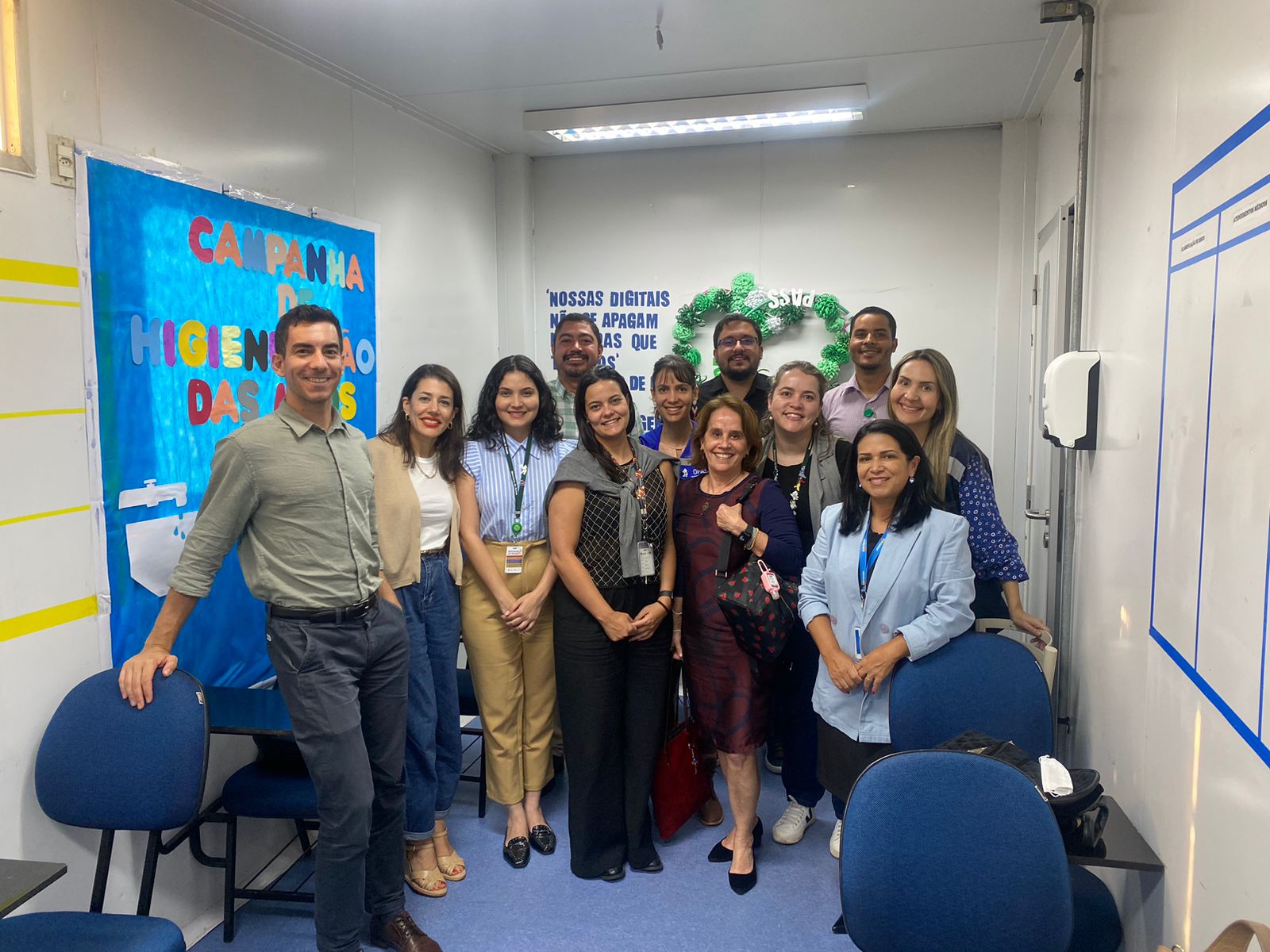
As part of the workshop activities, on August 22, visits were made to a Basic Health Unit (UBS) and an Emergency Care Unit (UPA) in the Federal District. PAHO and WHO experts, together with representatives from SAPS, SAES, SVSA, and focal points for the Federal District Government units, visited the Guara I UBS and the São Sebastião UPA to learn about local procedures for bacterial meningitis. The observations from the visits will also serve to improve the tool developed by PAHO that supports countries in developing national plans to defeat meningitis in the Region of the Americas by 2030.
Meningitis
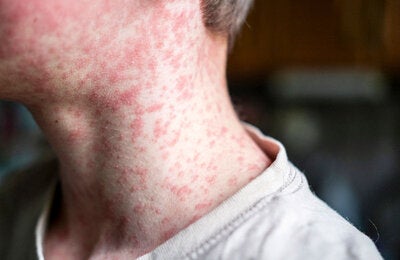
Meningitis is an inflammation of the meninges, the membranes that protect the brain and spinal cord, and can be caused by bacteria, viruses, fungi, and/or parasites, with viral and bacterial meningitis being the most common and most likely to cause outbreaks. The main symptoms include headache, neck stiffness, high fever, and malaise.
One in five infected people are left with a permanent disability after infection, which seriously impacts the well-being of affected families.
Brazil offers seven vaccines through the SUS against four bacteria that cause the disease (meningococcus - A, C, W, and Y - ; pneumococcus, Haemophilus influenzae type B, and tuberculosis bacillus).