Kingston, Jamaica, 22 August 2025 (PAHO/WHO) - The Pan American Health Organization/World Health Organization (PAHO/WHO), in partnership with Jamaica’s Ministry of Health and Wellness (MOHW), recently hosted a stakeholder consultation bringing together diverse voices to tackle gender-related barriers to vaccine access.
Supported by Global Affairs Canada through Canada’s Global Initiative for Vaccine Equity (CanGIVE), the meeting marked a pivotal moment in Jamaica’s ongoing Gender and Intersectional Analysis (GIA) in immunization. The GIA is a methodological approach used to examine how gender and other intersecting factors, such as age, socioeconomic status, and cultural norms, affect access to health services. In Jamaica, the GIA is being applied to better understand disparities in adult vaccination uptake between men and women.
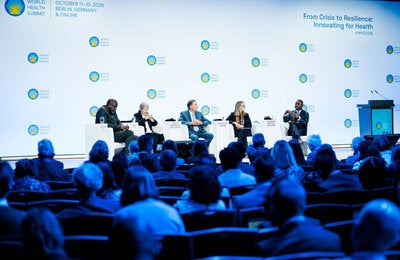
The consultation convened 24 participants representing government ministries, regional health authorities, civil society organizations, and United Nations partners. The session served as both a validation of earlier research and a platform for collective reflection on how gender norms and systemic challenges shape access to adult vaccination, particularly for men.
Presentations revealed persistent disparities in health service utilization, with men accessing primary care and vaccination services at significantly lower rates than women between 2019 and 2023. Stakeholders pointed to cultural expectations, fear of diagnosis, financial constraints, and limited clinic hours as key barriers. A problem tree analysis helped unpack these issues, focusing on three core challenges: restrictive clinic schedules, fear of knowing one’s health status, and masculinity norms that discourage health-seeking behavior.
Participants proposed a range of outcomes and exploratory ideas to address these challenges. Immediate outcomes included boosting health literacy among men and boys and expanding service hours to accommodate working populations. Intermediate outcomes emphasized greater male engagement with health services and outreach activities. Suggested activities ranged from wellness programs in schools and workplaces to targeted campaigns aimed at dismantling vaccine-related myths.
The consultation affirmed the findings of earlier GIA phases and generated fresh insights to guide future action. Next steps include finalizing a strategy and monitoring framework and integrating stakeholder input into the full GIA report. These contributions are expected to provide input to a proposal for Jamaica’s Adult Vaccination Policy and support the development of national men’s and women’s health programmes.
As Jamaica continues to shape inclusive health policies, the voices heard in this consultation will help ensure that no one is left behind in the journey toward equitable vaccine access.