San José, Costa Rica, July 23, 2025 (PAHO) - During March and April 2025, the National Influenza Centers (NICs) of Costa Rica and Honduras developed a technical collaboration focused on the implementation of a phenotypic assay to evaluate resistance to oseltamivir in circulating strains of influenza. The activity took place at the Instituto Costarricense de Investigación y Enseñanza en Nutrición y Salud (INCIENSA), within the framework of the Master in Infectious and Zoonotic Diseases of the Universidad Autónoma de Honduras (UNAH).
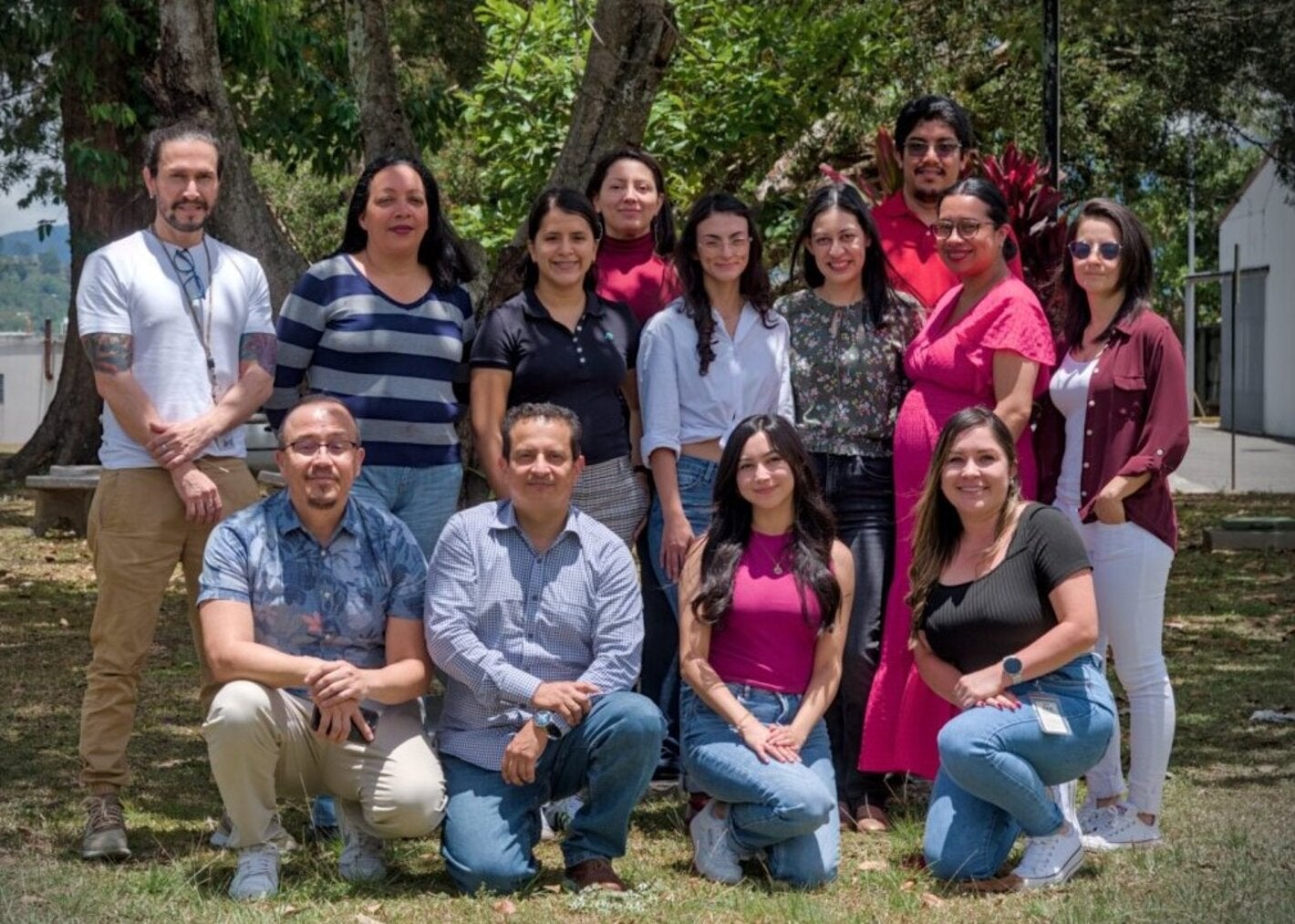
Dr. Dulce Durón, NICs coordinator at the National Health Surveillance Laboratory of Honduras, conducted an internship at INCIENSA together with Dr. Hebleen Brenes, NIC coordinator of Costa Rica, and Dr. Claudio Soto, technical manager of the Institute.
“For the NIC of Honduras, this internship was a valuable opportunity to gain hands-on experience in the application of essential virological techniques, such as cell culture, viral isolation, and antiviral susceptibility testing, in order to implement them at the NIC and, most importantly, to strengthen influenza virus surveillance in the country,” highlighted Dr. Durón.
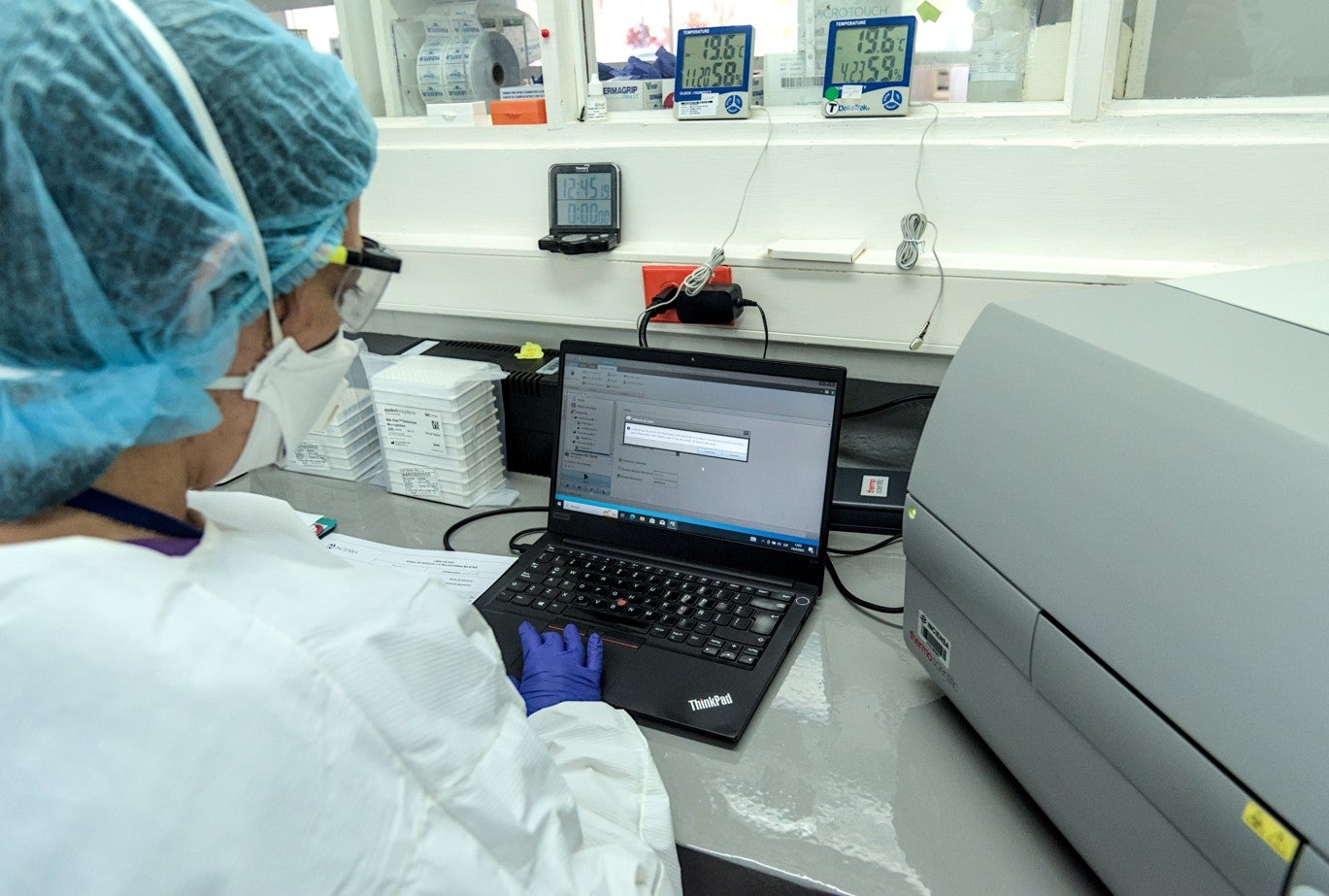
This experience made it possible to standardize the phenotypic assay in Costa Rica, train Honduran personnel in cell culture and viral isolation, and generate evidence on the susceptibility to oseltamivir of circulating Influenza A strains.
Dr. Brenes emphasized that "Dr. Durón's internship represented an opportunity to strengthen influenza surveillance in the region thanks to the exchange of experiences and technical capabilities, including the joint identification of strengths and opportunities for improvement. This generates a positive impact not only at the regional level, but also at the global level as part of GISRS.
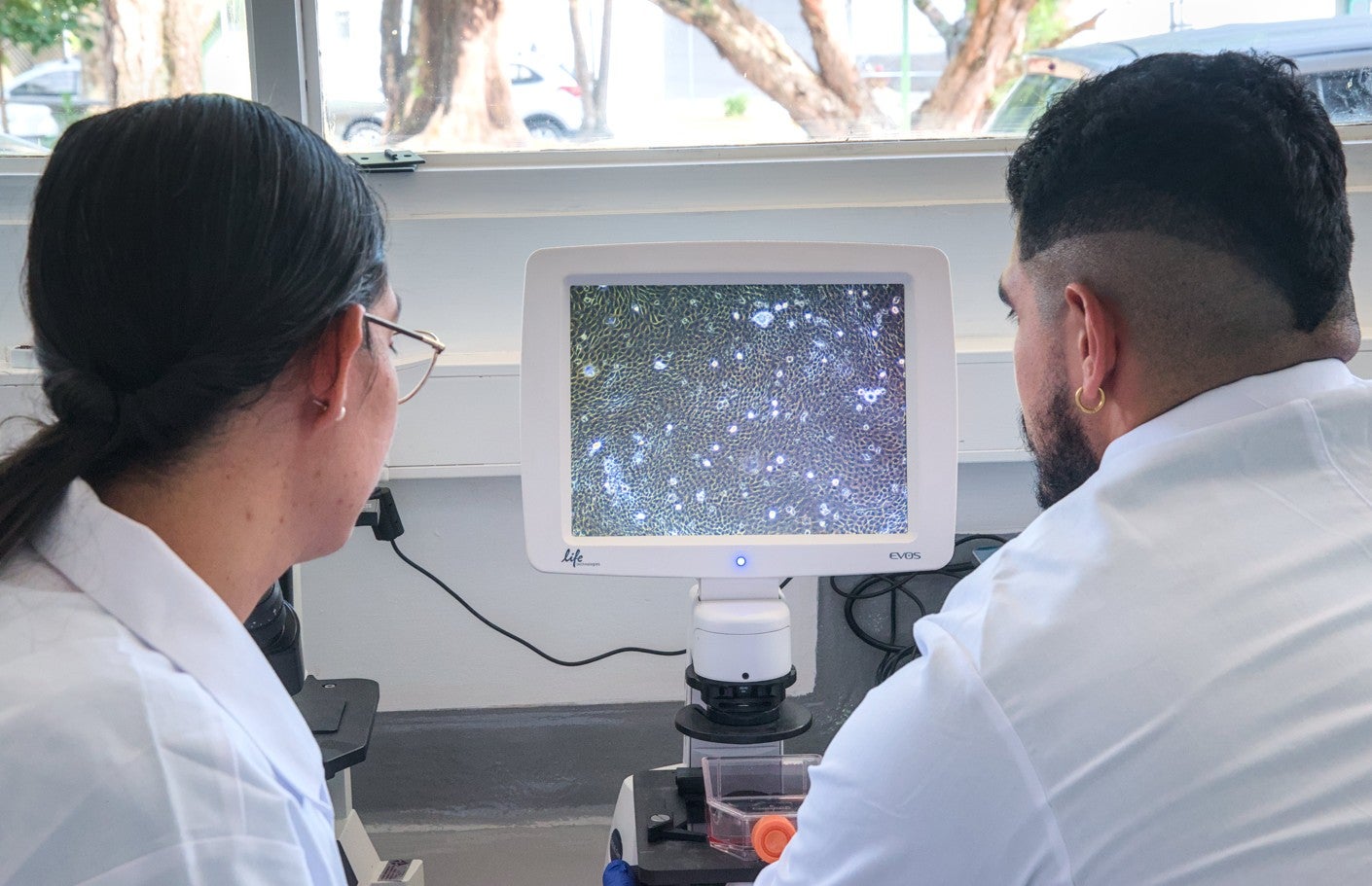
As a result of this cooperation, important advances were achieved: the validation of techniques in Costa Rica, the implementation and standardization of the phenotypic assay, and the strengthening of the capacities of the NIC of Honduras. In addition, relevant results were obtained on the antiviral susceptibility of Influenza A strains in Costa Rica. This work represented a key opportunity to strengthen regional collaboration within the Global Influenza Surveillance and Response System (GISRS), and INCIENSA's NIC reaffirms its commitment to continue actively participating in joint initiatives.
"These initiatives not only strengthen the technical capacities of the National Influenza Centers, but also reflect the collaborative work of the SARInet plus laboratory network under the Global Influenza Surveillance and Response System (GISRS)," said Juliana Leite, PAHO specialist in viral disease surveillance. "From a regional perspective, these collaborative experiences are strategic for strengthening laboratory response capacity and virological surveillance, contributing to the global monitoring of influenza viruses with antiviral resistance in a more timely manner."
This collaborative exercise between national laboratories reaffirms the commitment of the SARInet plus countries to support mutual strengthening among countries, under the technical leadership of PAHO and as an integral part of the GISRS.