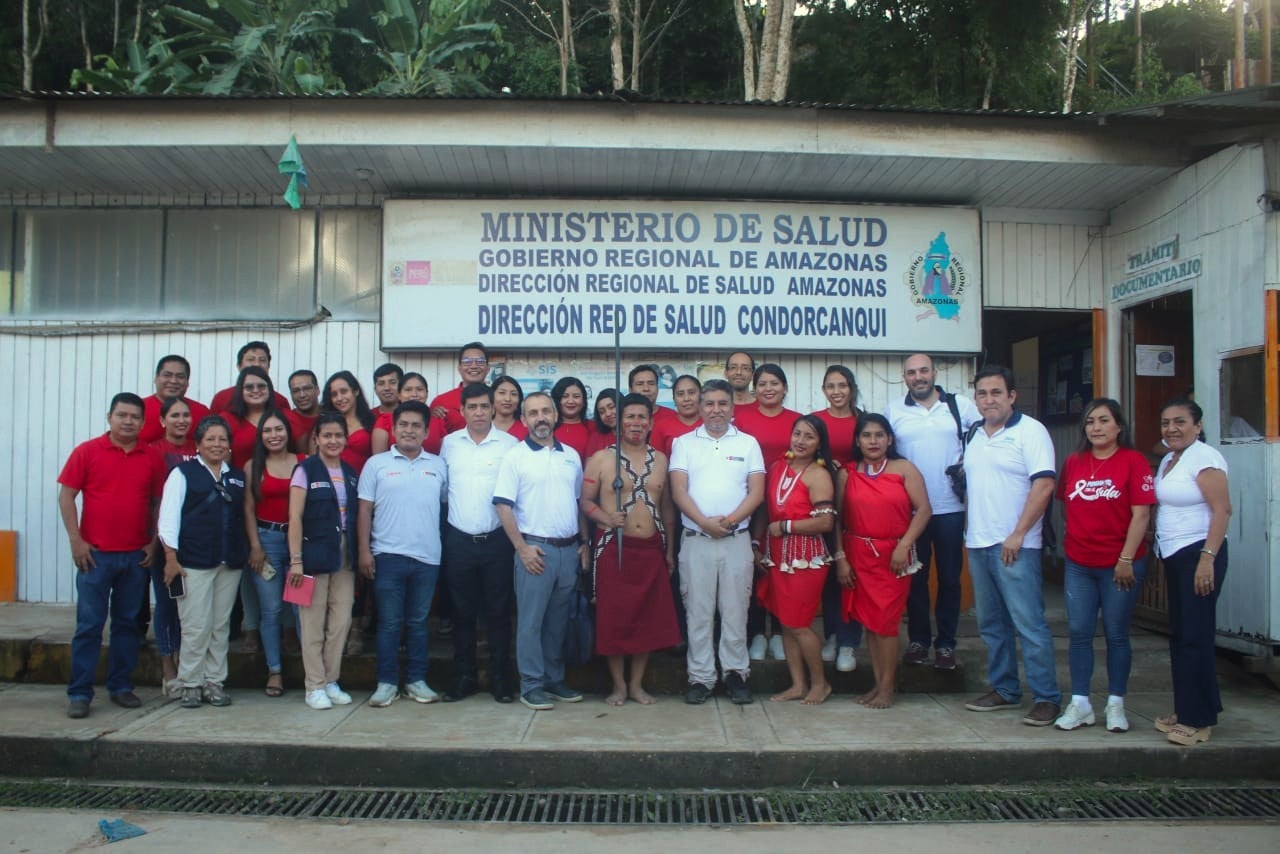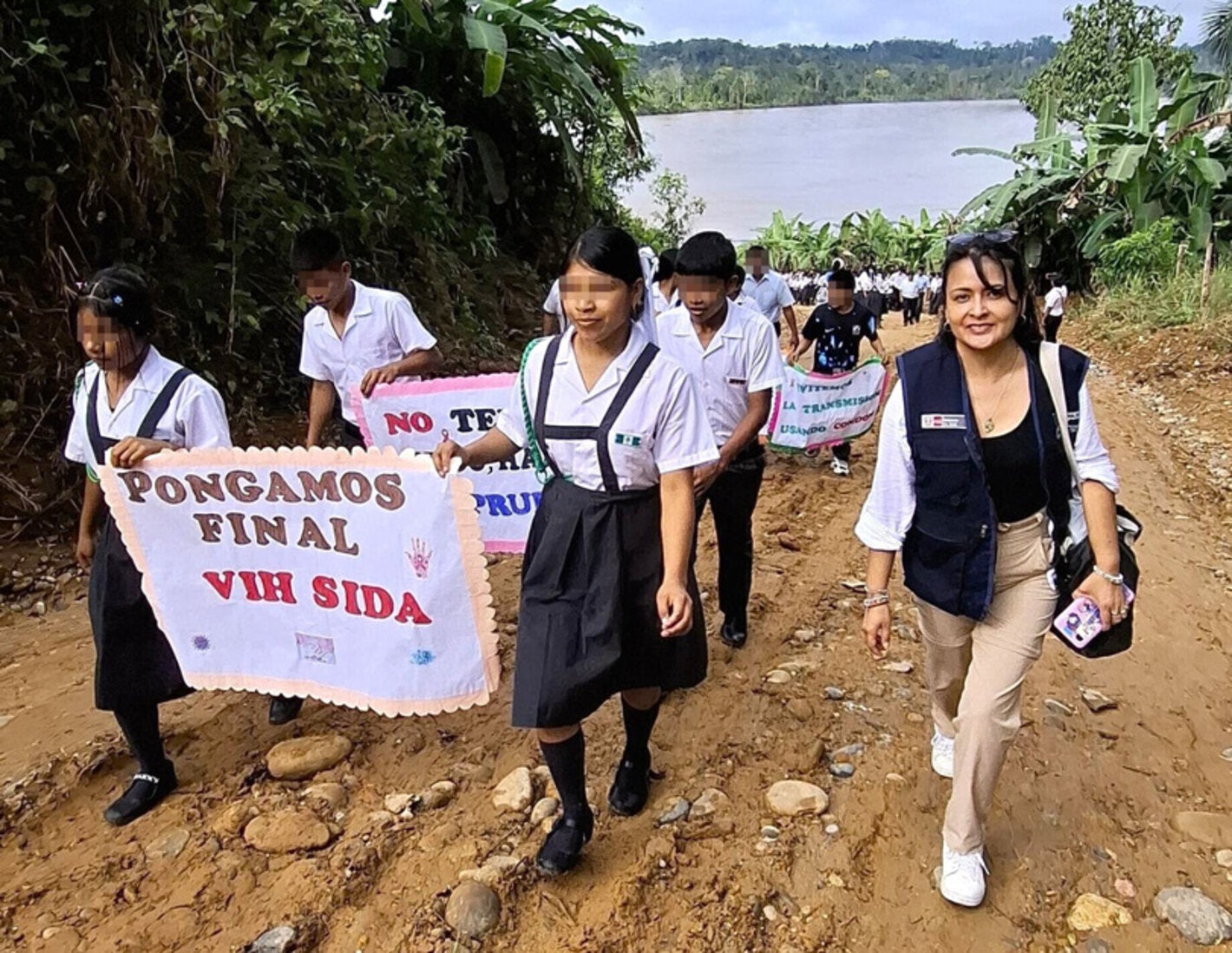
Condorcanqui, 25 June 2025 — In a key action to address health challenges affecting Indigenous peoples in the Peruvian Amazon, the Ministry of Health of Peru (MINSA) and the Pan American Health Organization (PAHO) carried out a joint series of activities in the territories of the Awajun and Huambisa communities, located in the province of Condorcanqui, Amazonas region. The purpose of this visit was to integrate local knowledge with public health practices to reduce the incidence of HIV and tuberculosis in the area.
Condorcanqui, one of the provinces with the highest poverty levels in the country, has a population of over 56,000 people (CDC, 2024). Between 2019 and 2024, a total of 756 cases of HIV were reported, with a peak of 212 cases in 2023. The prevalence among pregnant women reached 2.5% in 2024, and 76 children under one year of age were reported with HIV (MCLCP, 2024). The situation is worsened by low treatment adherence (28%) and gaps in early diagnosis and effective prevention (PubMed, 2023).
In relation to tuberculosis, the province has shown agrowing upward trend, with cases rising from 15 in 2019 to 40 in 2024. The district of Nieva has consistently been the most affected, accounting for more than half of the cases in some years, followed by Río Santiago (DPCTB, 2024).
The cycle of activities took place from June 16 to 20, with the participation of technical teams from the Directorate for the Prevention and Control of HIV/AIDS, Sexually Transmitted Diseases, and Hepatitis (DPVIH), and the Directorate for the Prevention and Control of Tuberculosis (DPCTB) of MINSA. At the local level, the Regional Health Directorate (DIRESA) Amazonas participated, along with PAHO/WHO’s regional and country office teams.
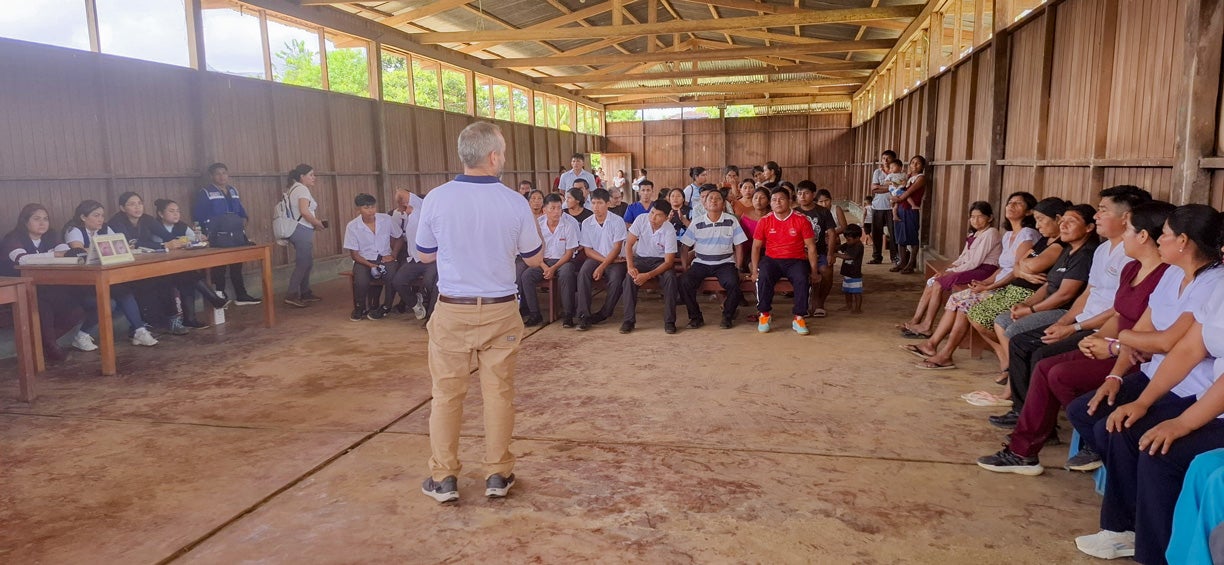
The delegation visited the cities of Chachapoyas, Bagua, Imaza, Santa María de Nieva, and Ciro Alegría to visit health facilities and meet with health authorities, healthcare providers, Indigenous leaders, and community members.
Information was gathered on access to health services related to HIV, tuberculosis, and viral hepatitis to inform the design of interventions that strengthen local capacities and integrate traditional knowledge into public health responses. This process identified opportunities for a more integrated health response, linking HIV, TB, Indigenous health, and sexual and reproductive health programs.
Local authorities demonstrated strong commitment, despite the challenges faced by communities regarding geography and transportation routes between towns and health centers. Young people expressed interest in learning more information about STI prevention, although myths and stigmas that limit service uptake still persist.
Through these actions, PAHO reaffirms its commitment to continue working closely with the country, in coordination with MINSA, subnational authorities, and communities, to ensure comprehensive and intercultural care that helps close historical health gaps and move toward ending HIV/AIDS, tuberculosis, and other preventable diseases as public health problems in the region.