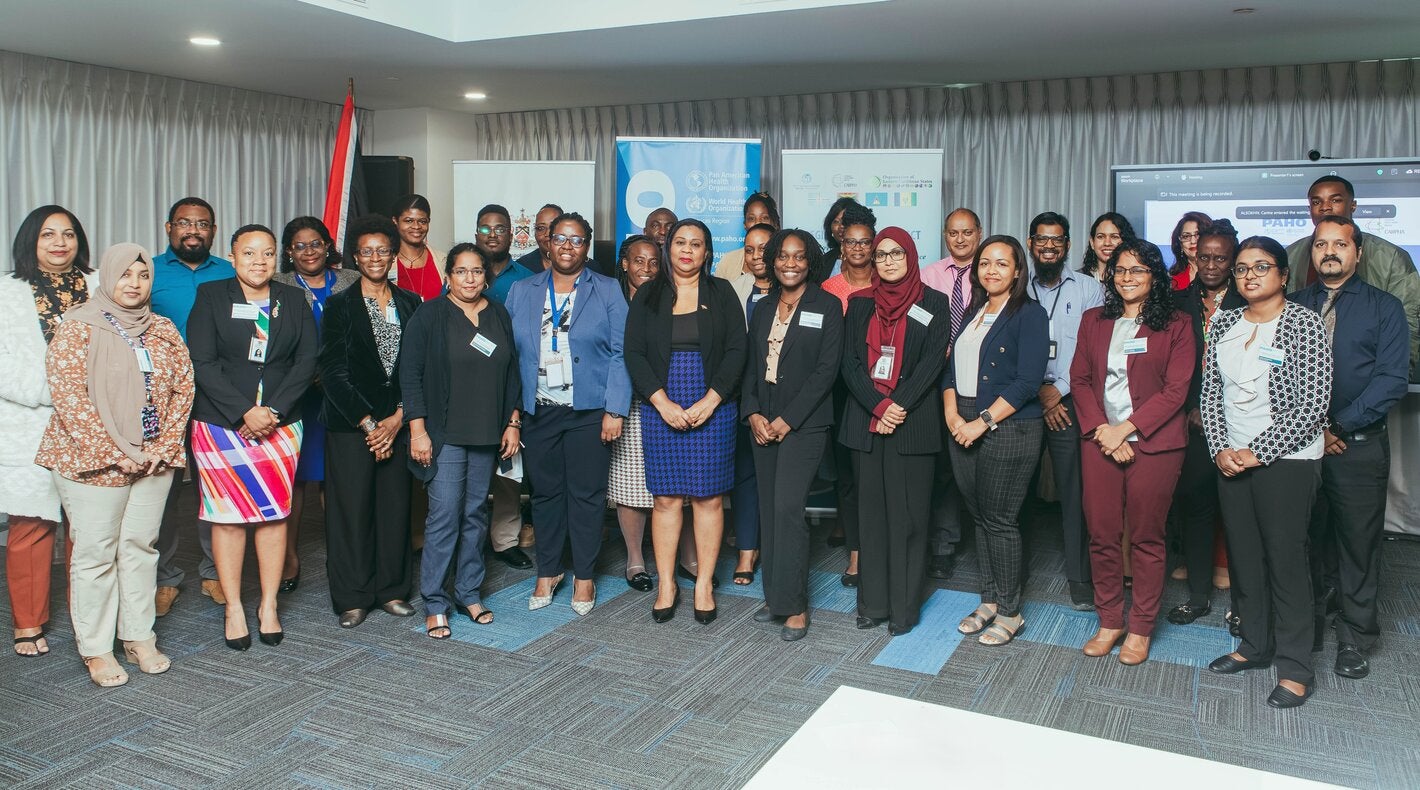
Port of Spain, Trinidad and Tobago, 25 June 2026 (PAHO) – Technical teams from Caribbean countries participated this week in a regional training workshop aimed at strengthening capacities in mortality coding, validation, and data use, as part of ongoing efforts to advance the digital transformation of health information systems and Civil Registration and Vital Statistics (CRVS) systems across the Region.
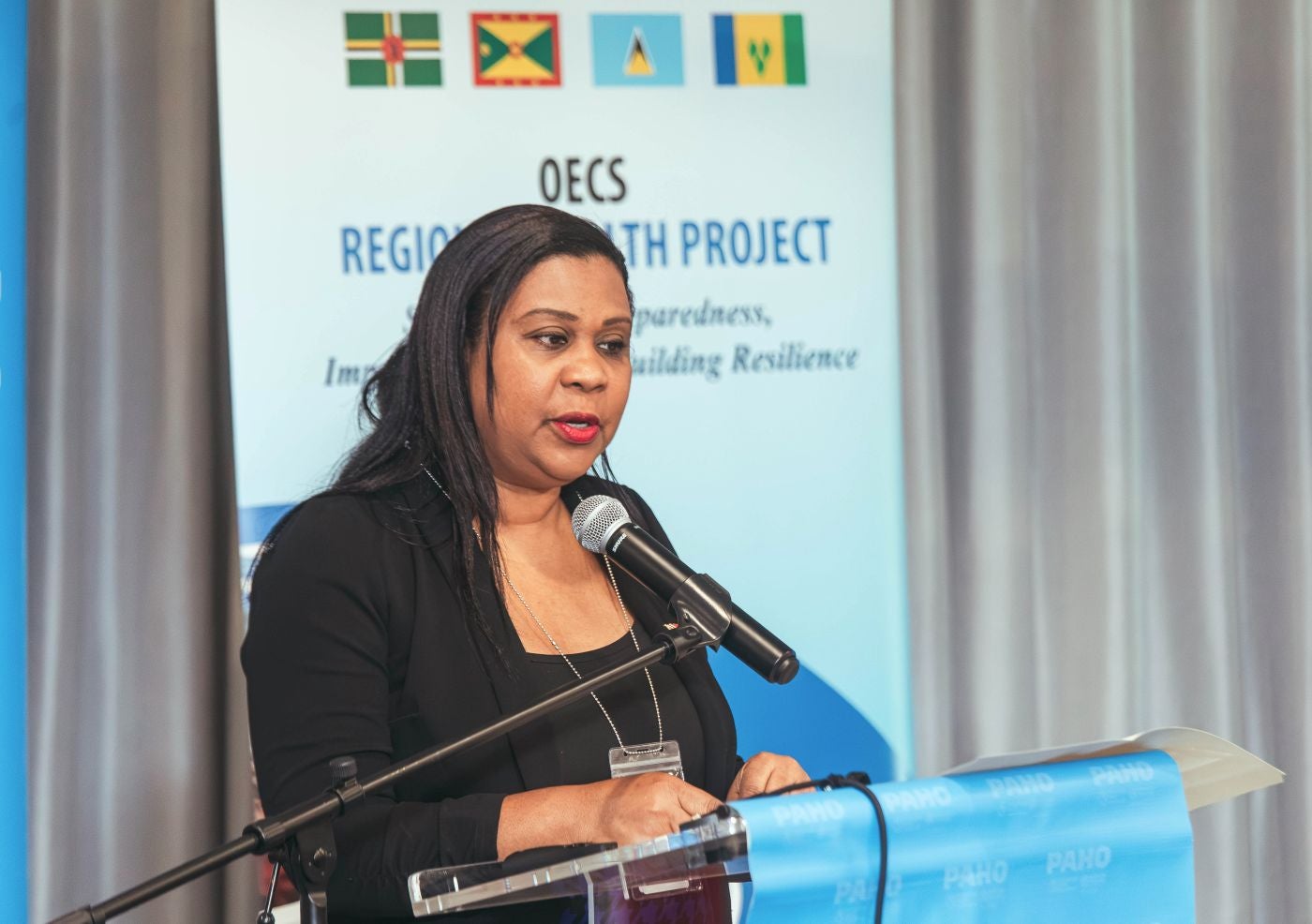
The activity, organized by the Pan American Health Organization (PAHO/WHO) in collaboration with the Caribbean Public Health Agency (CARPHA), brought together health information and public health specialists from across the Caribbean working in health information systems, vital statistics, epidemiology, and mortality coding.
The training took place in Port of Spain, Trinidad and Tobago, from June 23 to 25, with support from Bloomberg Philanthropies Data for Health (D4H) Initiative. The workshop forms part of regional efforts to strengthen Civil Registration and Vital Statistics systems, support ICD-11 implementation, and advance the digital transformation of mortality data capture, certification, coding, and analysis processes.
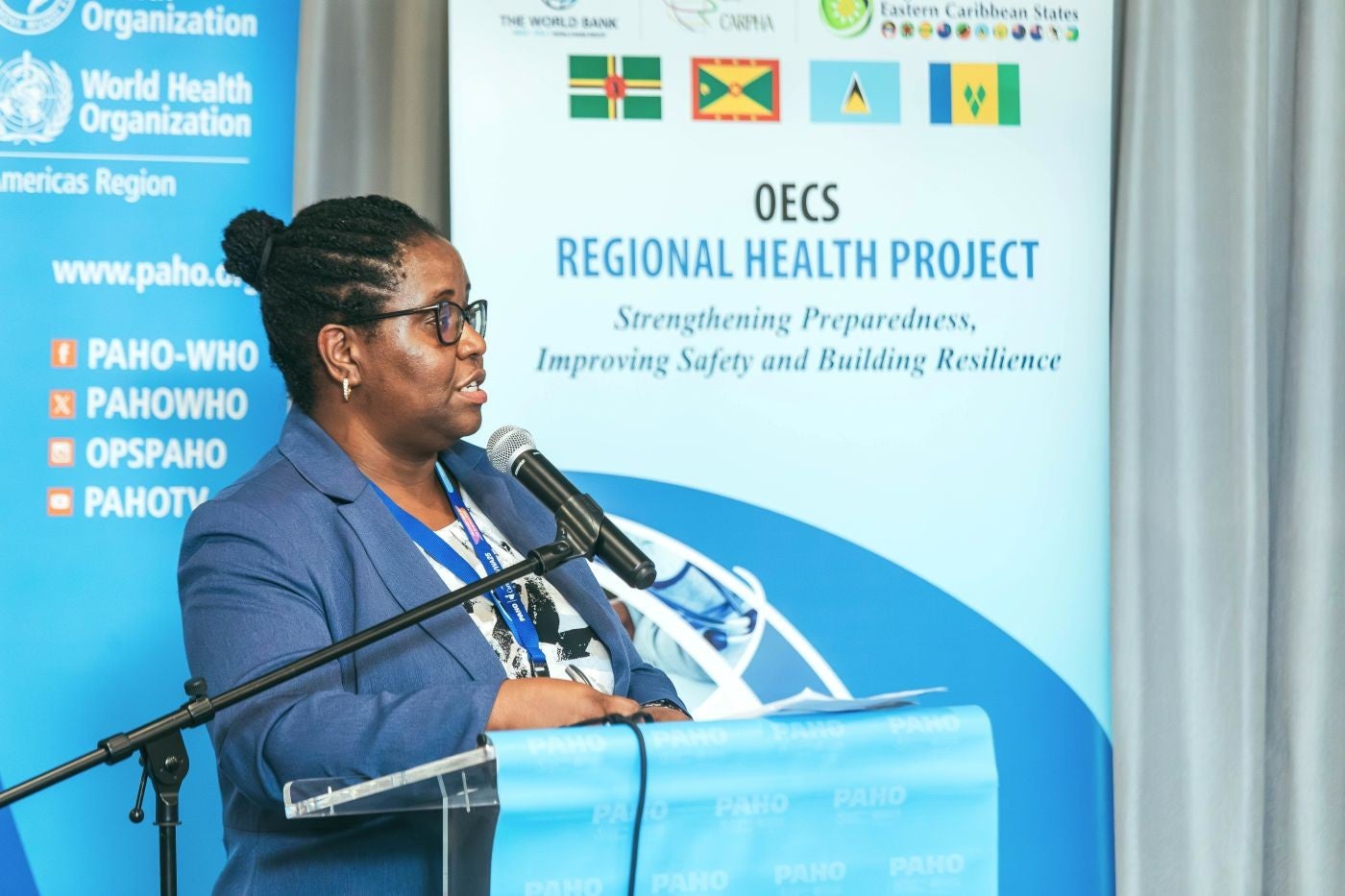
Throughout the workshop, participants worked on end-to-end mortality information workflows, covering the full process from medical certification of cause of death through coding, validation, analysis, and the use of mortality data for public health decision-making.
The training included practical sessions on DHIS2-based mortality workflows, ICD-11 mortality coding rules, validation and interpretation of DORIS outputs, data quality, and the production of national and regional mortality reports. Participants also explored the integration of analytical tools such as ANACoD3 to strengthen the quality and comparability of mortality information.
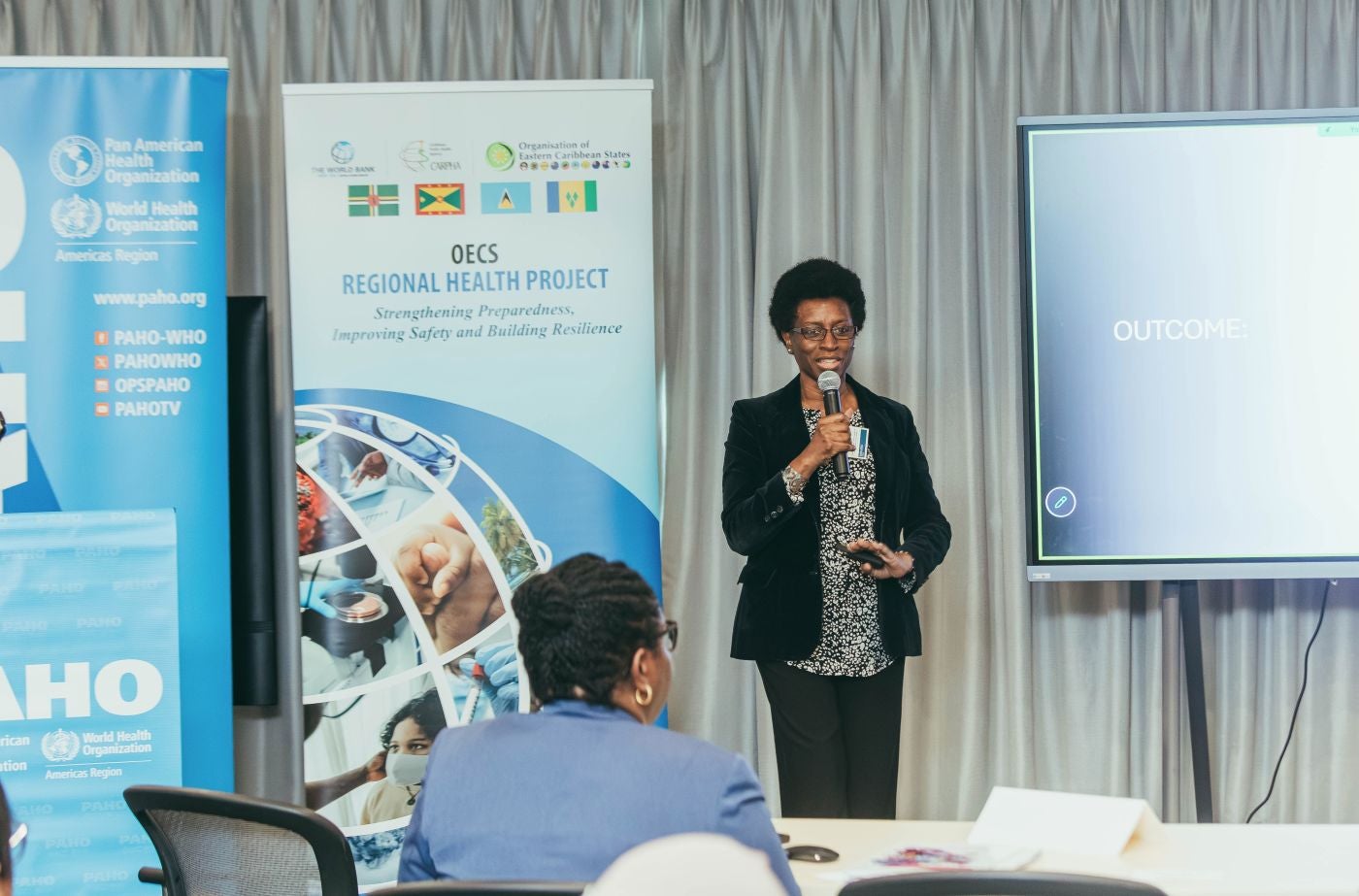
Activities combined technical demonstrations, hands-on exercises, and opportunities for peer exchange, allowing countries to share experiences related to digital death certification, systems integration, and institutional capacity strengthening.

The initiative is aligned with the Caribbean Roadmap for strengthening digital Civil Registration and Vital Statistics systems and the PAHO Plan of Action for Strengthening Information Systems for Health (IS4H) 2030, promoting the development of interoperable systems and the strategic use of data for public policy development.

Through regional initiatives such as this one, PAHO continues to support countries in strengthening technical capacities and advancing more integrated, timely, and effective information systems that contribute to better public health decision-making.