The new platform uses comparable data from 24 countries to identify gaps in childhood cancer diagnosis, treatment and care and guide health investments and policies.
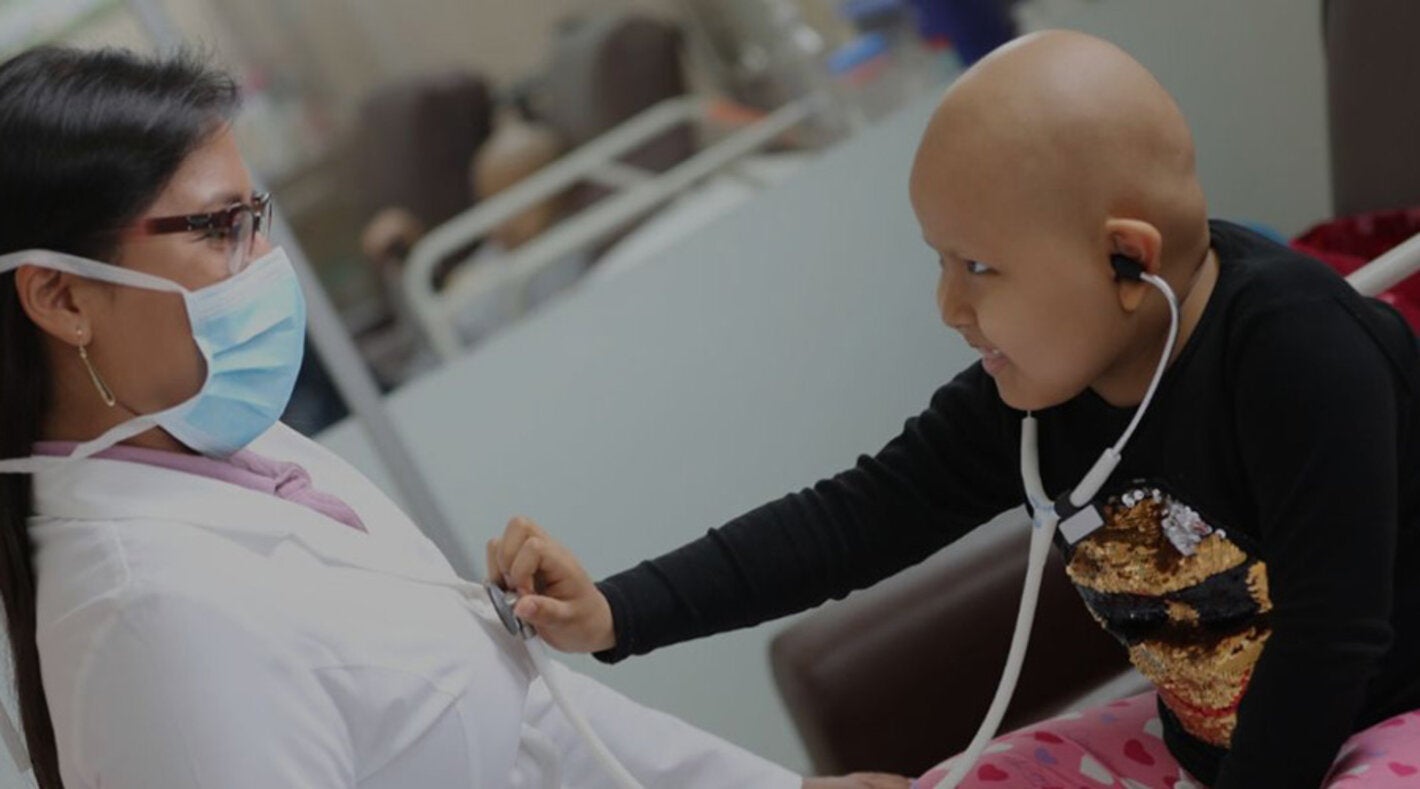
Washington, D.C., 25 September 2026 (PAHO) – Each year, around 30,000 children and adolescents under the age of 19 are diagnosed with cancer in Latin America and the Caribbean, and nearly 10,000 die from the disease. Although many childhood cancers can be cured when detected and treated early, survival rates across the Region range from 35% to 80% due to delays in diagnosis, a lack of specialized care, and limited access to treatment.
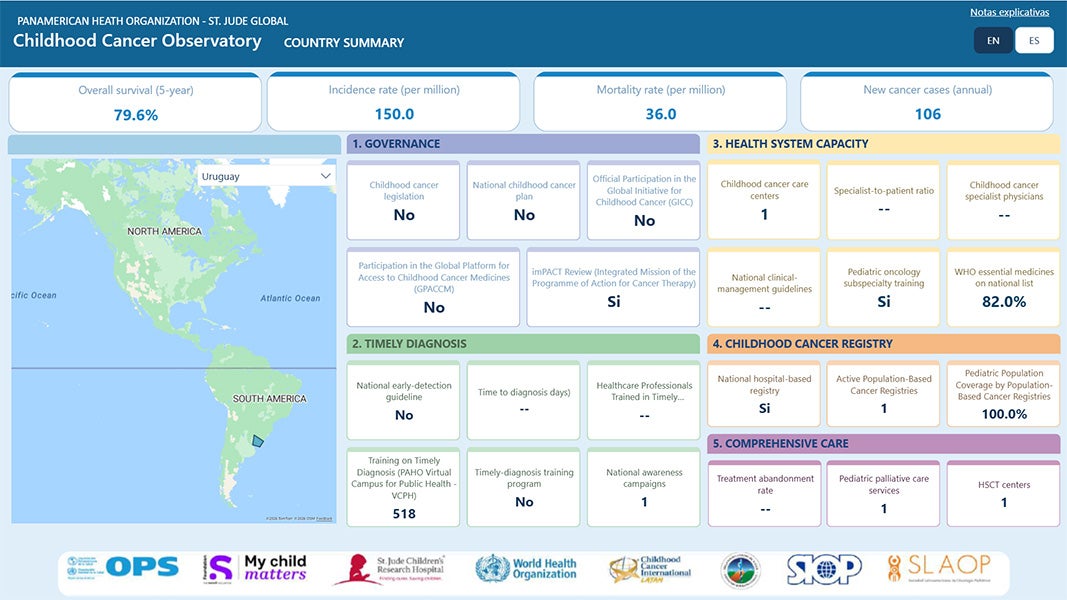
To help countries identify and address these gaps, the Pan American Health Organization (PAHO) today launched the Regional Childhood Cancer Observatory, a new tool that will enable countries to monitor progress, compare indicators, and use standardized data to guide policies, resource allocation, and services aimed at improving care for children and adolescents with cancer.
The launch coincides with Childhood Cancer Awareness Month, which aims to raise awareness of the challenges faced by children and adolescents with cancer and promote action to improve their care and survival.
For the first time, the Observatory brings together comparable information from 24 countries on key areas including timely diagnosis, health system capacity, the availability and coverage of registries, comprehensive care and health outcomes.
Until now, much of this data has been collected unevenly across countries, making it difficult to identify gaps and compare progress at the regional level. The tool will make it possible to identify more precisely where the greatest challenges persist and guide investments and policies to improve childhood cancer survival.
“To improve childhood cancer care, we need to know what is working and where challenges persist,” said Dr. Anselm Hennis, Director of PAHO/WHO’s Department of Noncommunicable Diseases and Mental Health. “The Observatory provides us with a common regional framework to track key indicators and support countries in evidence-based decision-making,” he added.
In 2018, the World Health Organization (WHO), with the support of St. Jude Children’s Research Hospital, launched the Global Initiative for Childhood Cancer (GICC), which aims to achieve at least 60% survival for all children and adolescents with cancer by 2030 and reduce suffering associated with the disease.
In the Americas, PAHO works with countries to implement the global initiative through CureAll Americas, a framework that guides actions to strengthen childhood cancer services, expand access to care, improve diagnosis and treatment, and monitor progress.
From pilot phase to a regional platform
Development of the Observatory began in 2023 with the definition, validation, and consensus-building of 27 indicators to monitor childhood cancer care. An initial pilot phase worked with six countries in the Andean subregion to test the methodology. The countries identified data sources and established a common process for reviewing, harmonizing, and validating data.
Building on this experience, the work was expanded to 18 additional countries in Latin America and the Caribbean, reaching a total of 24. In each country, national authorities, with support from PAHO/WHO country offices, reviewed the prioritized indicators, available data, and their respective sources.
This process helped identify information gaps and resolve methodological issues while laying the groundwork for increasingly standardized and comparable data collection across countries.
Development of the Observatory included technical collaboration from St. Jude Global, a key partner of the Global Initiative for Childhood Cancer in the Americas.
“Improving childhood cancer survival requires knowing what is working and where there are barriers to timely, quality care,” said Carlos Rodríguez-Galindo, Director of St. Jude Global. “Better data allow us to support countries along this path and measure progress.”
Data to inform decisions
The information will be updated periodically through a coordinated process of data collection, review and technical validation involving national authorities, childhood cancer focal points, and PAHO/WHO country offices.
The development of the Observatory has also benefited from the technical support of experts and regional and international organizations, including St. Jude Global, WHO, the International Society of Paediatric Oncology (SIOP), the Latin American Society of Pediatric Oncology (SLAOP), Childhood Cancer International, and the Andean Health Organization–Hipólito Unanue Agreement (ORAS-CONHU). The initial phase in the six countries of the Andean subregion received support from My Child Matters, an initiative of Foundation S.
The selection and definition of the indicators also seek progressive alignment with the global monitoring frameworks of the Global Initiative for Childhood Cancer, helping link progress in countries of the Americas with international efforts to improve childhood cancer survival and the quality of care.