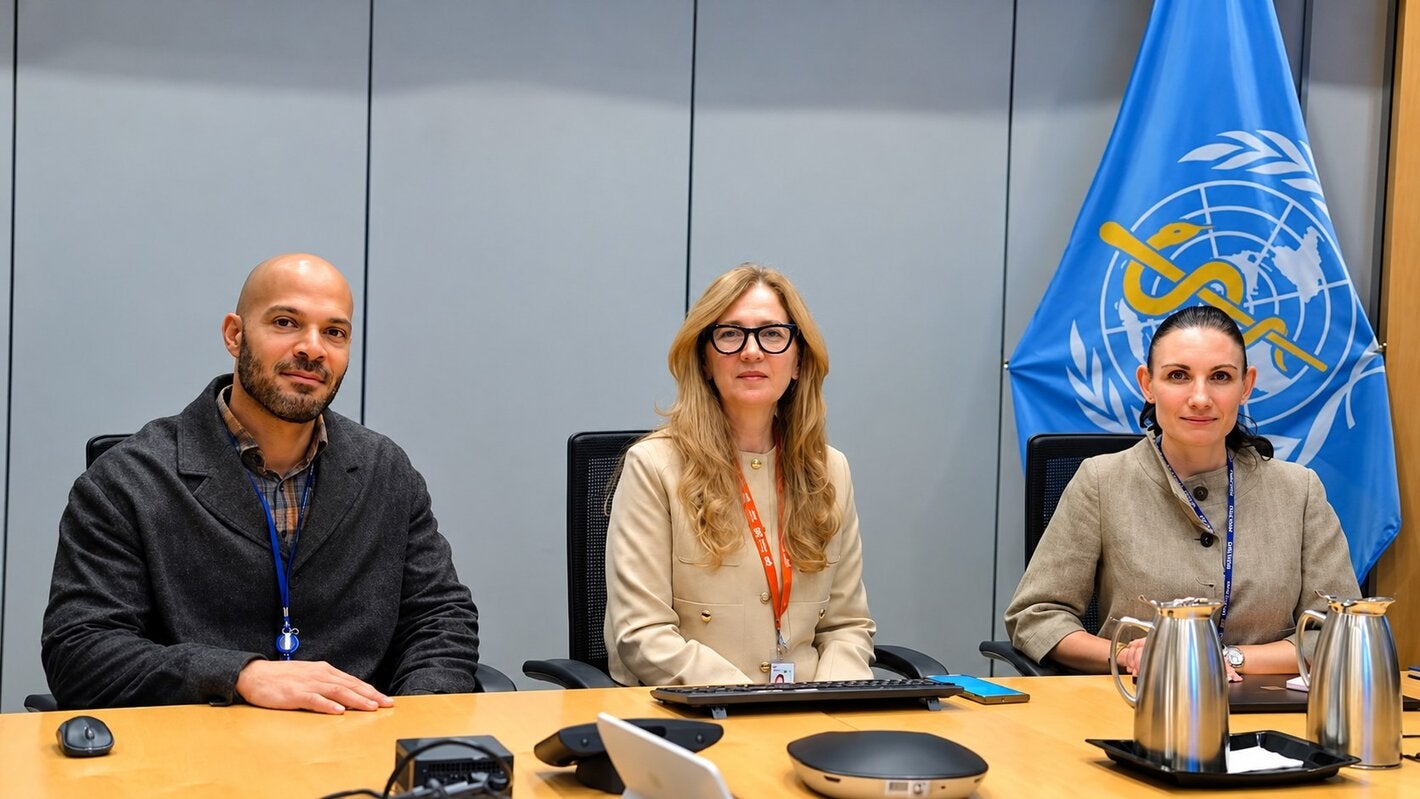
The new resources aim to strengthen the early detection of public health threats through community engagement and support the management of community-generated signals within national surveillance systems.
Washington, D.C., 28 October 2026– The Pan American Health Organization (PAHO) launched a new regional guidance document for implementing community-based event surveillance (CBES) and COMAlerta, a digital tool designed to support its implementation across countries in the Americas. Both resources were introduced during a regional webinar held this week.
These resources aim to strengthen countries’ capacity to detect potential public health threats early by positioning communities as key partners in surveillance and response efforts. By incorporating information generated at the community level, countries can expand the reach of their early warning systems and complement data gathered through traditional surveillance mechanisms.
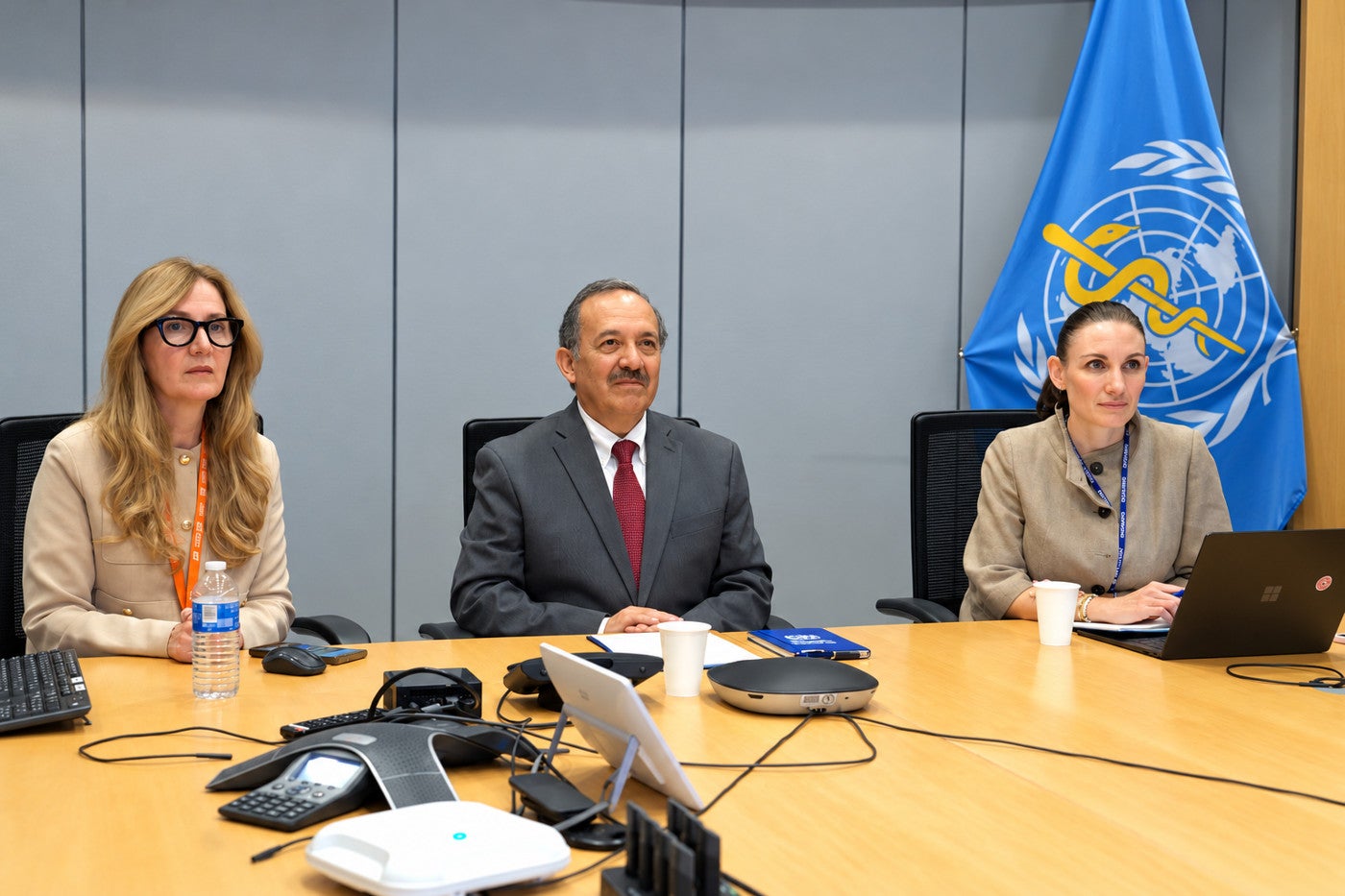
“The experiences of our countries have demonstrated the value of community participation in identifying risks and protecting health. We must continue strengthening community engagement and ensure that signals identified at the community level are rapidly linked to health services and the authorities responsible for verification and response,” said Dr. Ciro Ugarte, Director of PAHO’s Department of Health Emergencies, during the webinar’s opening session.
The Guidance for Implementing Community-Based Event Surveillance for Early Warning and Response to Acute Events and Public Health Emergencies (Available in Spanish), published by PAHO in August 2026, provides technical guidance for establishing or strengthening CBES based on countries’ priorities, capacities, and operational contexts.
During the webinar, participants explored the guidance’s key components and learned about COMAlerta, including how the tool complements the guidance and supports the systematic management of community-generated information. The session also highlighted the technical cooperation opportunities available through PAHO to support national adaptation and implementation.
COMAlerta: Turning community signals into public health action
COMAlerta supports the management of community-generated signals across the different stages of epidemic intelligence, including detection, triage, verification, and risk assessment. The platform can be adapted to national workflows, integrated with existing information systems, and managed under country ownership, ensuring that data remain under national stewardship.
PAHO also presented the technical cooperation modalities available to support Member States in adapting the guidance and implementing COMAlerta, including tool configuration, training of national teams, and technology transfer.
Strengthening epidemic intelligence across the Americas
The launch of the guidance and COMAlerta is part of the implementation of PAHO’s Strategy on Epidemic Intelligence for Strengthening Early Warning of Health Emergencies 2024–2029, which supports countries in strengthening their capacity to detect, verify, and assess public health threats in a timely manner. Both resources contribute to advancing the Strategy’s priorities, particularly by integrating diverse information sources and strengthening collaborative surveillance approaches.
The guidance and COMAlerta were developed through the Pandemic Response Optimization Through Engaged Communities and Territories (PROTECT) project, financed by the Pandemic Fund and implemented by PAHO and the World Bank. The project supports countries in strengthening capacities for prevention, preparedness, and response to health emergencies, including community-based surveillance and early warning systems.
These resources are available to PAHO Member States throughout the Americas as part of the Organization’s ongoing technical cooperation to strengthen national early warning and response systems.