El Salvador, October 26, 2026 (PAHO) — Access to safe water, essential health services, timely medical care, and protection against vector-borne diseases remains a major challenge for vulnerable communities in El Salvador, particularly those affected by El Niño. To address these needs, the Pan American Health Organization (PAHO) is implementing a project with funding from the El Salvador Humanitarian Fund.
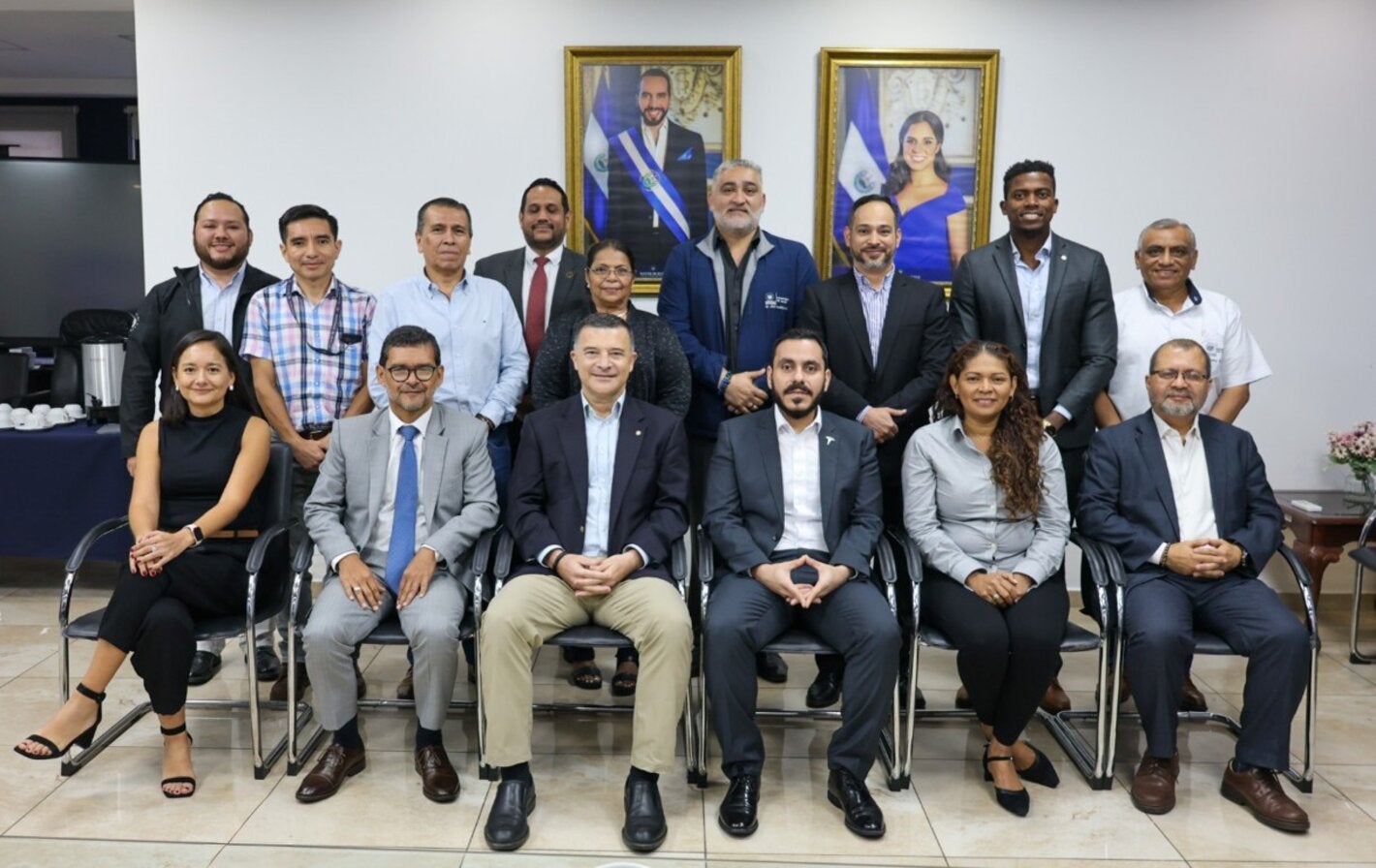
During a meeting with national health authorities, PAHO presented progress on interventions being implemented across 114 health facilities. These efforts aim to improve access to safe water, essential health care, and disease prevention measures for families and communities most exposed to climate-related hazards.
As of October 1, 2026, water supply systems had been rehabilitated at 31 health facilities, and equipment to produce PURIAGUA had been installed at 24 facilities. PURIAGUA is a water disinfectant distributed to families to treat drinking water and disinfect vegetables, helping prevent gastrointestinal illnesses.
Vector-borne disease prevention and control activities have reached 80,401 people, against a target of 85,612. To support these efforts, the project has provided thermal fogging machines, personal protective equipment, fuel for vector control operations, and transportation of supplies to intervention areas.
Essential medical equipment and supplies are also being distributed to 83 health facilities and 550 community health workers. These resources will help equip health personnel and community health workers to provide essential care and support to the populations they serve.
Upcoming activities include completing work on water storage tanks and pumping systems and installing additional equipment to produce PURIAGUA. Community health workers will also receive training in bleeding control techniques to help them provide timely first aid in potentially life-threatening emergencies.
With funding from the El Salvador Humanitarian Fund, PAHO is helping thousands of people affected by El Niño gain access to safe water, disease prevention measures, and timely health care.