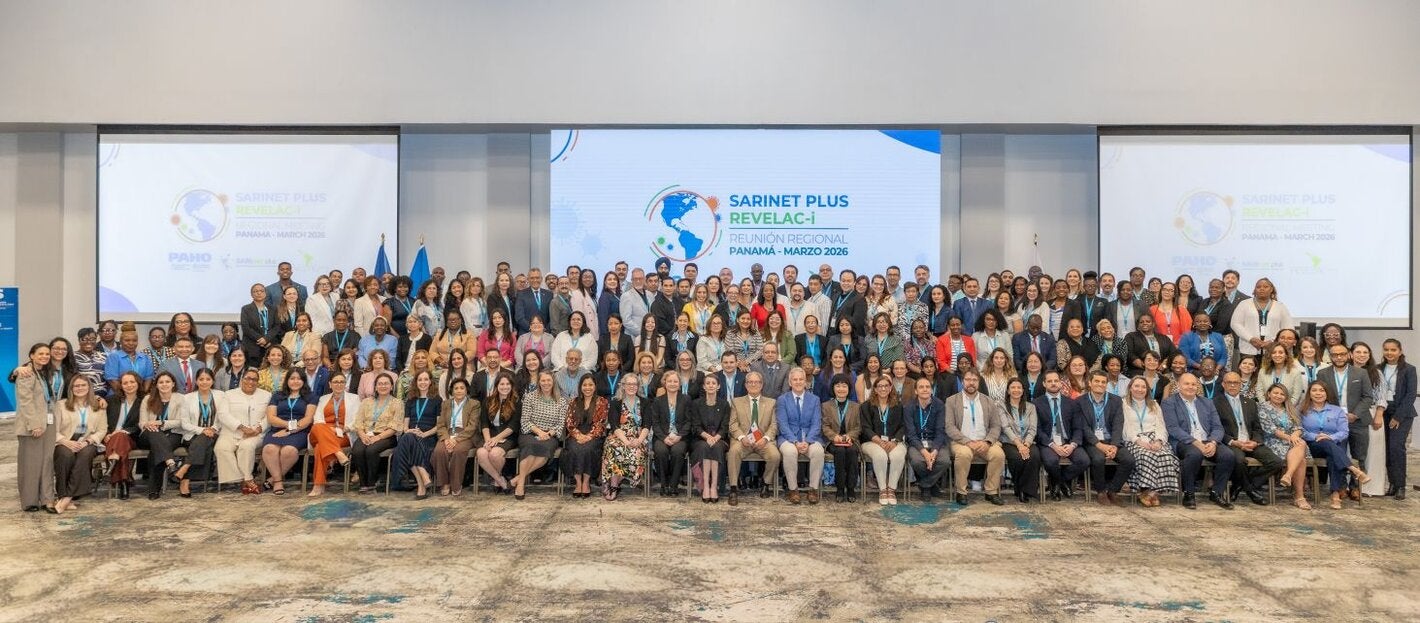
Panama City, March 26, 2026 (PAHO) – The regional meeting of the SARInet plus and REVELAC-i networks brought together 180 participants from 38 countries and territories in the Americas, including experts in epidemiology, laboratory, and immunization, to advance an integrated approach that strengthens surveillance, prevention, and control of respiratory viruses in the region.
The meeting took place in an epidemiological context characterized by the simultaneous circulation of multiple respiratory viruses and the need to strengthen national capabilities in early detection, laboratory diagnosis, genomic sequencing, clinical management, prevention among at-risk groups, and pandemic preparedness.
Within this context, the meeting highlighted the 15th anniversary of the Pandemic Influenza Preparedness Framework (PIP), underscoring its contribution to strengthening the Global Influenza Surveillance and Response System (GISRS) and global cooperation in the face of respiratory threats.
The meeting was structured using a combination of different formats and approaches to foster both technical exchange and collaboration among participants. Presentations and panels alternated, integrating theoretical frameworks and regional guidelines with concrete field experiences presented by the countries. The discussions highlighted the importance of integrating virological, epidemiological, and vaccination coverage data to improve decision-making, including vaccine planning and procurement and addressing vaccine hesitancy.
The agenda included plenary sessions on cross-cutting themes and parallel sessions organized by technical pillars (epidemiology, laboratory, and immunization), which allowed for in-depth exploration of specific aspects without losing sight of the integrated perspective. Additionally, opportunities for socializing and informal interaction were promoted to strengthen a network of professionals who can get to know one another, exchange ideas, and collaborate beyond the meeting.
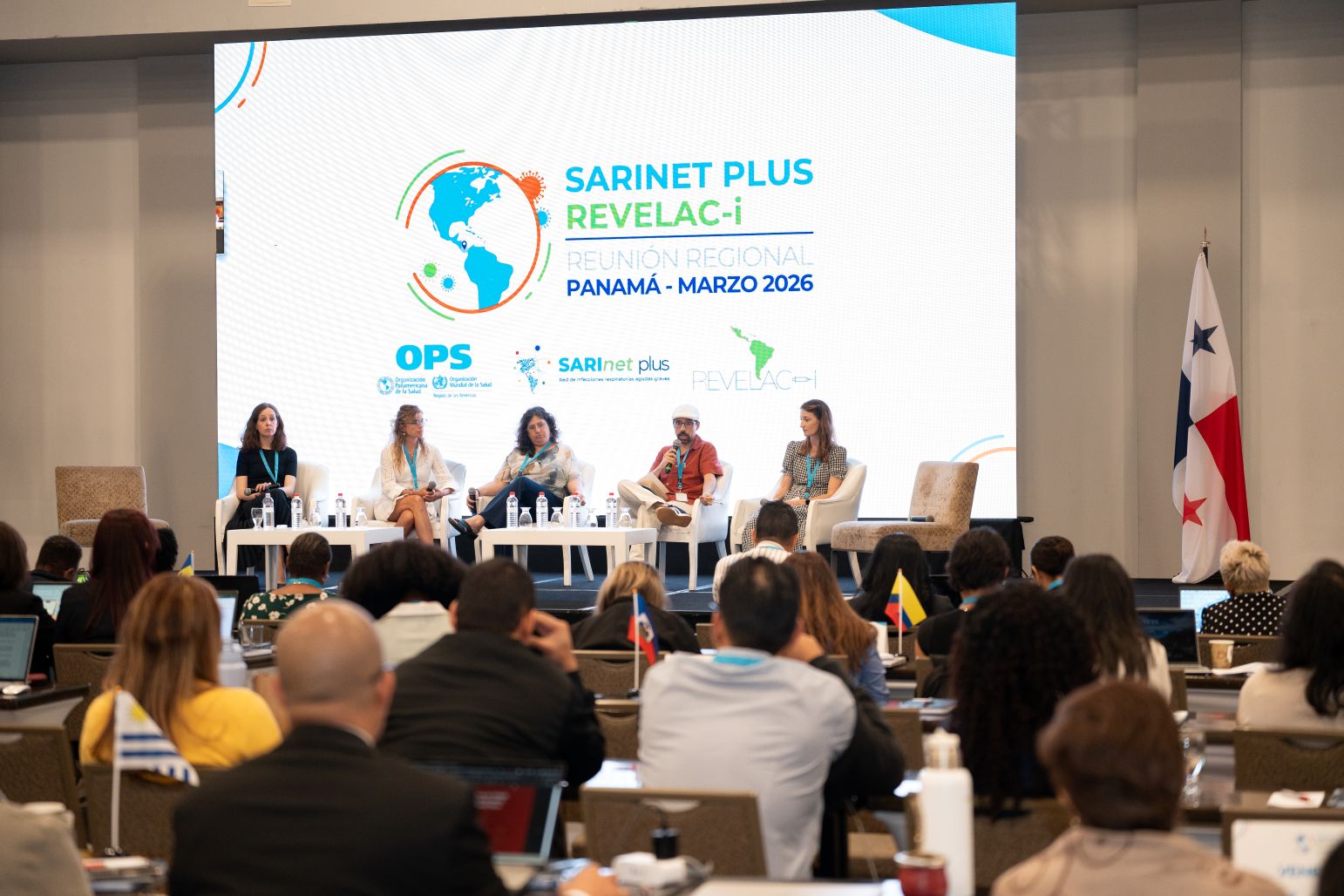
The program also included sessions on pandemic preparedness, intersectoral coordination under the One Health approach, integrated surveillance, digital systems, and operational research. Throughout these sessions, presentations on innovative approaches were highlighted, and participants exchanged experiences, allowing for the sharing of lessons learned and best practices.
Specific sessions were held for the three main respiratory viruses (influenza, RSV, and SARS-CoV-2). Regarding influenza, updates were presented on virological and epidemiological surveillance, the interpretation of data from the 2025–26 season and its use to guide vaccination planning, as well as strategies to strengthen confidence in and uptake of vaccines.
For RSV, advances in surveillance and clinical management were highlighted, along with countries’ experiences in introducing new preventive interventions, especially among priority populations, and the challenges associated with their implementation and monitoring.
Regarding COVID-19, recent patterns of seasonality and severity were reviewed, as well as experiences in post-pandemic surveillance and genomic surveillance of SARS-CoV-2. Collectively, these discussions helped identify challenges and opportunities for consolidating surveillance systems that are more integrated, sustainable, and adapted to the current context.
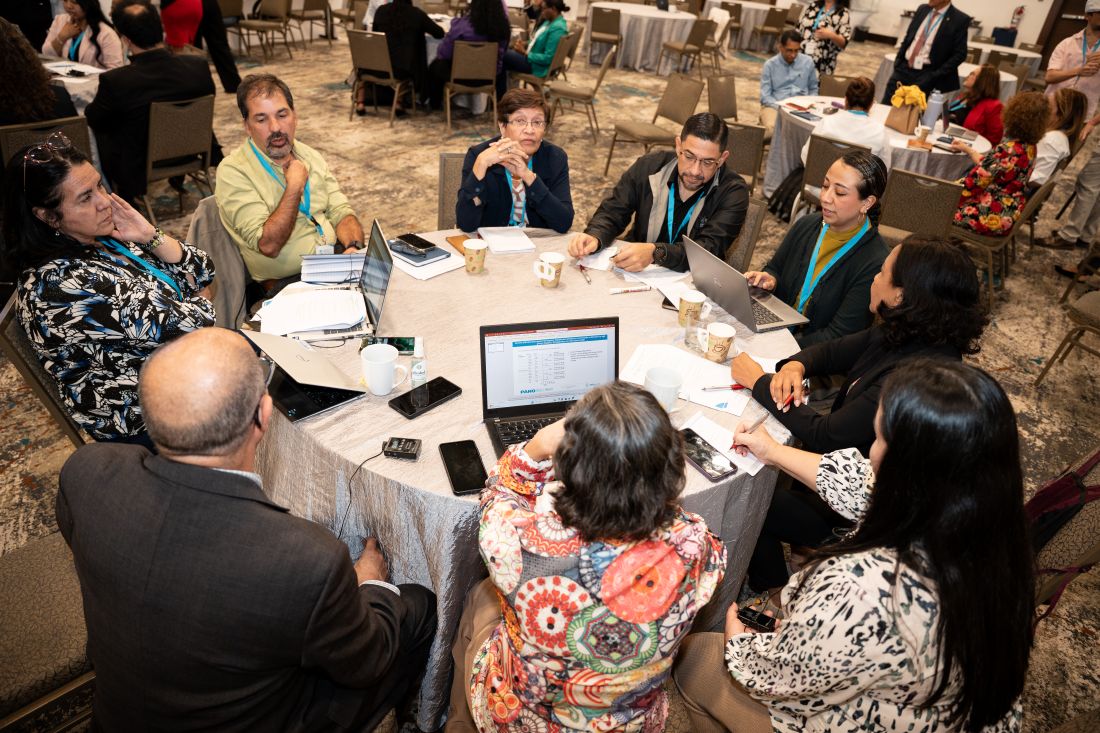
In addition, parallel technical sessions were held on epidemiology, laboratory work, and immunization, featuring practical exercises to strengthen capacities in surveillance, vaccine effectiveness evaluation, and the use of information systems. An exercise on risk communication and community engagement was also conducted to reinforce the need to translate surveillance data and signals into clear, timely, and action-oriented messages.
The meeting concluded with a call to strengthen regional cooperation and continue advancing the integration of technical capacities. The SARInet plus and REVELAC-i networks continue to play a key role in strengthening surveillance, generating evidence, and implementing prevention strategies against respiratory viruses in the Americas.