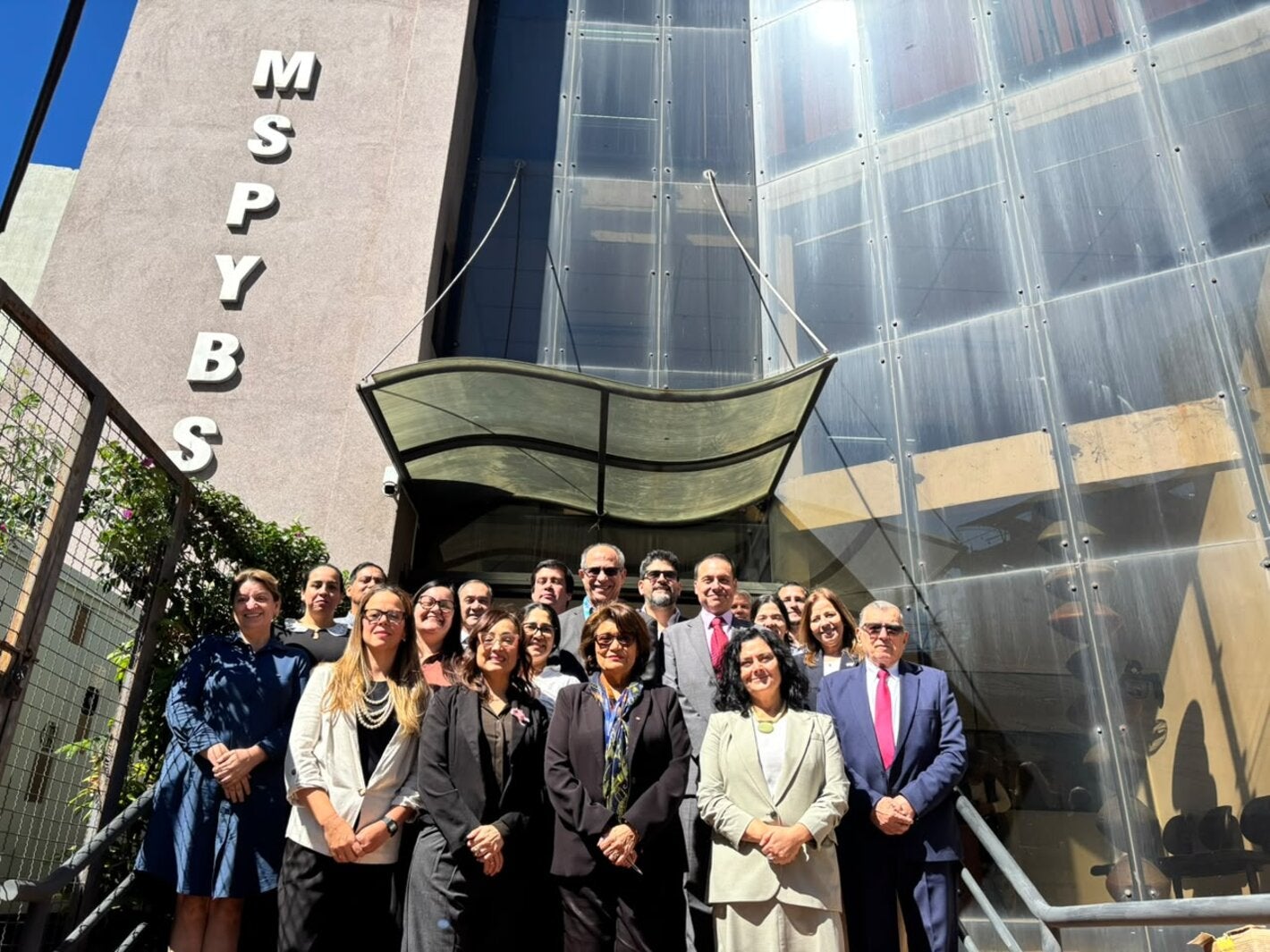
Asunción, October 27, 2026 (PAHO/WHO). Paraguay's Ministry of Public Health and Social Welfare (MSPBS), with technical support from the Pan American Health Organization/World Health Organization (PAHO/WHO), launched a two-week technical mission to assess and strengthen the core capacities required under the International Health Regulations (IHR) at the country's main points of entry, including airports, seaports, and land border crossings.
The initiative brings together national institutions responsible for health, migration, civil aviation, ports, customs, and environmental surveillance to jointly assess existing mechanisms for preventing, detecting, and responding promptly to public health events that could pose risks to Paraguay and the wider region.
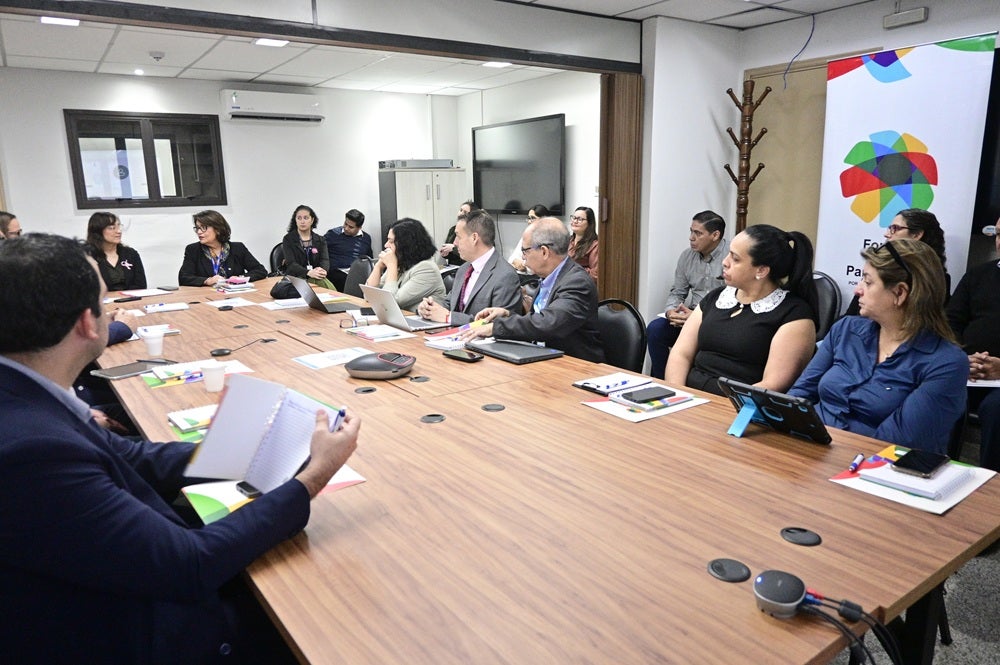
During the opening session, national authorities highlighted that this is the first technical assessment specifically focused on points of entry conducted in Paraguay since the implementation of the IHR. They emphasized that the mission provides an opportunity for joint learning, helping identify strengths, areas for improvement, and priority actions to enhance national health security.
Dr. Haydee Padilla, PAHO/WHO Acting Representative in Paraguay, underscored the strategic importance of points of entry amid increasing cross-border movement of people and goods. She noted that lessons learned from the COVID-19 pandemic and responses to outbreaks such as measles have demonstrated the need for robust protocols, effective interinstitutional coordination, and sustainable capacities to address emerging health threats.
Dr. Andrea Ojeda, Director General of Health Surveillance at the MSPBS, highlighted the growing importance of strengthening points of entry in light of regional integration and logistics development initiatives, including the Bioceanic Corridor, which are expected to significantly increase cross-border movement in the coming years. Against this backdrop, Paraguay is working to strengthen mechanisms that facilitate the safe movement of people and goods while avoiding unnecessary interference with international trade and travel, in accordance with IHR principles.
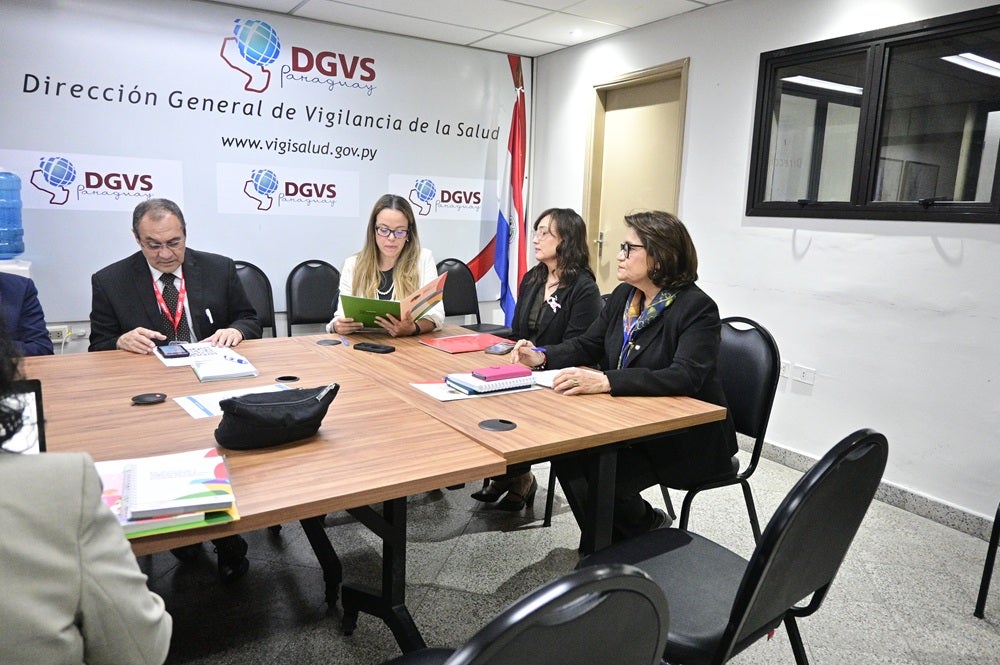
The mission includes technical meetings and field visits to key facilities, including Silvio Pettirossi International Airport, port terminals, and priority border crossings. These activities will provide firsthand insight into operational conditions, assess compliance with IHR core capacity requirements, and identify practical recommendations to strengthen preparedness and response to public health emergencies.
These activities are being carried out under the project “Strengthening Critical Functions for Pandemic Prevention, Preparedness, and Response in Paraguay,” funded by the Pandemic Fund and coordinated by the MSPBS through its Directorate General of Health Surveillance (DGVS).
The mission is expected to produce a jointly agreed assessment of existing capacities and a roadmap outlining priorities, responsibilities, and timelines for strengthening public health risk management at the country's points of entry. These efforts will help build more resilient systems capable of preventing, detecting, and responding to future public health emergencies.
The mission is technically led by Dr. Tamara Mancero, PAHO/WHO Regional Advisor on the International Health Regulations; Javier Rio, an international consultant specializing in points of entry; and Dr. Martín Acosta, Health Emergencies Advisor at the PAHO/WHO Country Office in Paraguay. Conducted in close coordination with national authorities, the mission reaffirms the shared commitment to strengthening health security and protecting public health amid growing regional and international connectivity.