Established in 1951 to help countries combat foot-and-mouth disease, PAHO's Pan American Center for Foot-and-Mouth Disease and Veterinary Public Health (PANAFTOSA) has spent more than seven decades advancing regional cooperation. Its work has helped drive progress toward the eradication of the disease while strengthening the Americas' response to zoonotic diseases, food safety threats, antimicrobial resistance, and emerging health risks.
Rio de Janeiro/Washington, D.C., 27 August 2026 (PANAFTOSA/PAHO) – When the Pan American Center for Foot-and-Mouth Disease and Veterinary Public Health (PANAFTOSA) began operations in 1951, foot-and-mouth disease was a persistent threat to livestock production, trade, and food security across the Americas. Seventy-five years later, nearly 99% of the region's livestock population is located in areas recognized as free of the disease.
As a specialized center of the Pan American Health Organization (PAHO), PANAFTOSA has evolved alongside the region's public health priorities. What began as a response to a devastating livestock disease has grown into a broader effort supporting veterinary public health, zoonotic disease prevention, food safety, antimicrobial resistance, envenomings caused by venomous animals, preparedness for emerging threats, and the application of the One Health approach.
“PANAFTOSA's work has been instrumental in the progress achieved against foot-and-mouth disease in the Americas and in advancing toward the elimination of dog-mediated human rabies, demonstrating that cooperation among countries can deliver tangible and sustainable results,” said PAHO Director Dr. Jarbas Barbosa.
From a regional threat to a historic achievement
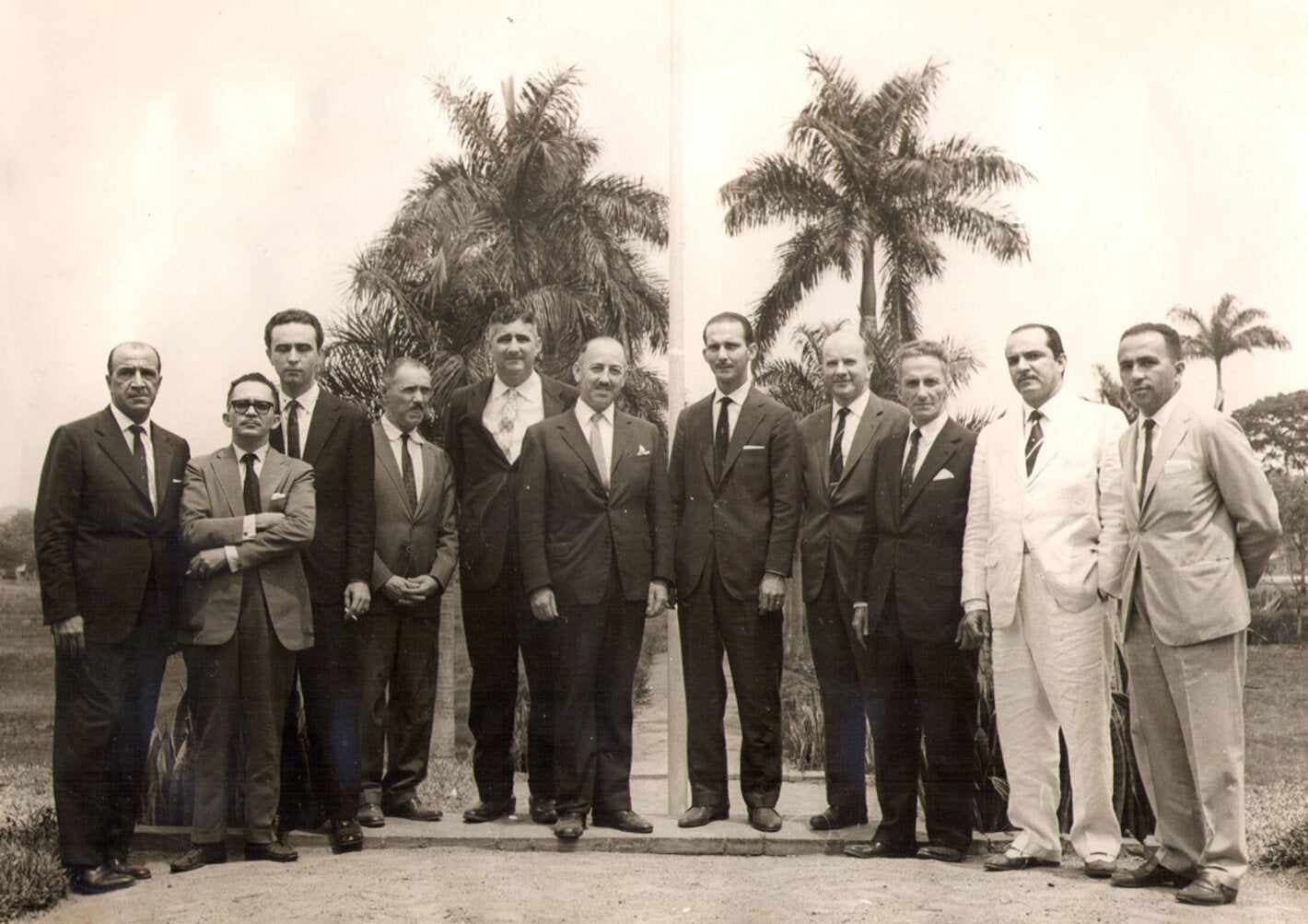
Created on 27 August 1951 through an agreement between the Pan American Sanitary Bureau, the Organization of American States (OAS), and the Government of Brazil, PANAFTOSA was established to support countries in combating foot-and-mouth disease, a highly contagious animal disease that for decades caused major economic and trade losses across the region, particularly in rural communities.
PANAFTOSA's history is closely tied to one of the most successful examples of regional health cooperation in the Americas: the transformation of the region's foot-and-mouth disease landscape. The Center helped strengthen surveillance systems, diagnostic capacity, veterinary services, and regional cooperation networks that enabled countries to work together toward controlling and eliminating the disease.
A major milestone came in 1972 with the creation of the South American Commission for the Fight Against Foot-and-Mouth Disease (COSALFA), which established a permanent platform for technical and political coordination among countries.
This collaboration laid the foundation for the Hemispheric Program for the Eradication of Foot-and-Mouth Disease (PHEFA), adopted by countries across the Americas in 1988 with the goal of eliminating the disease from the continent.
The results are striking. Today, nearly 99% of livestock in the Americas are located in areas officially recognized as free of foot-and-mouth disease.
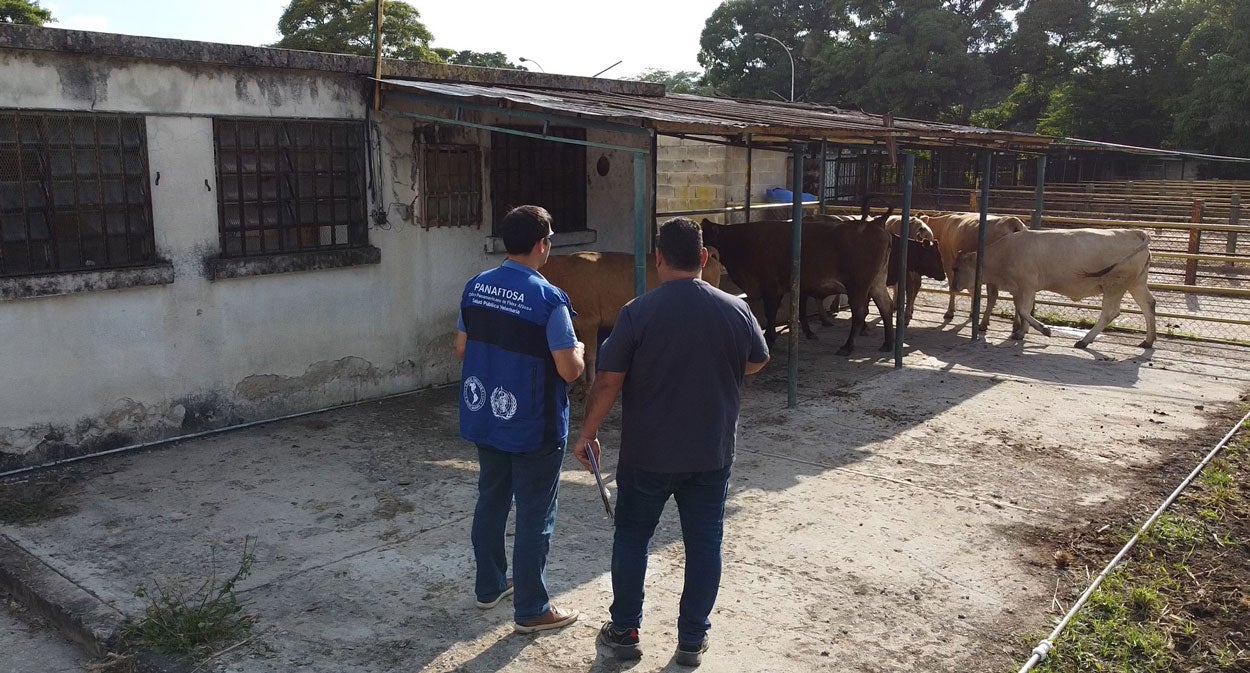
The challenge now is twofold: supporting Venezuela on its path toward recognition as a foot-and-mouth disease-free country while helping countries that have already achieved that status maintain surveillance and response systems capable of rapidly detecting any reintroduction of the virus.
From animal health to public health protection
The regional cooperation model built around foot-and-mouth disease also enabled PANAFTOSA to expand its work into areas where animal, human, and environmental health intersect.
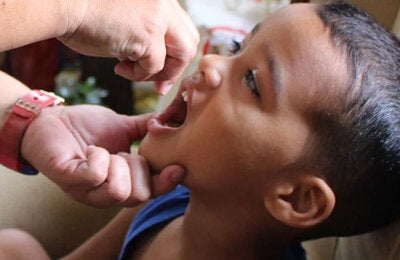
One of the region's most significant achievements has been progress toward the elimination of dog-mediated human rabies. Since 1983, cases in the Americas have declined by 98%.
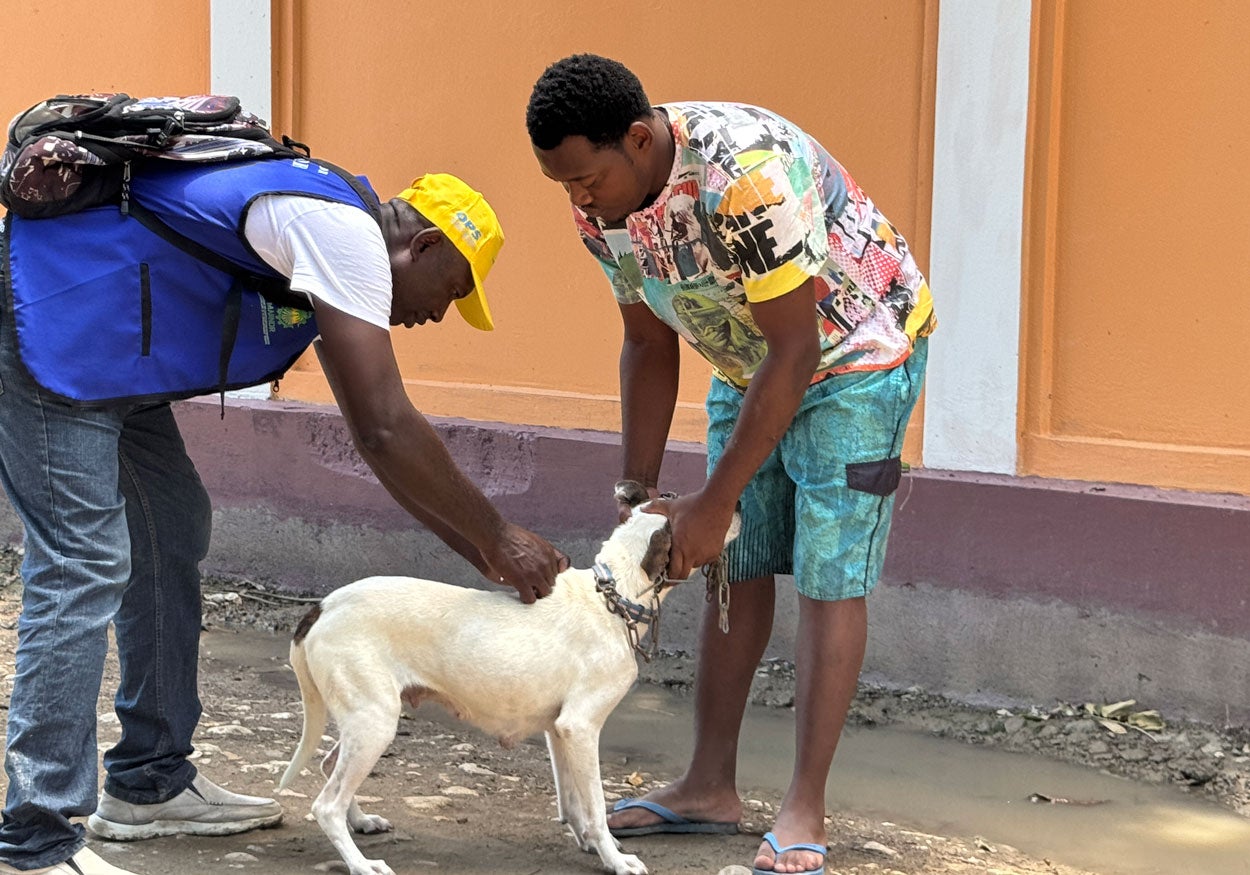
This progress has been driven by sustained investments in mass dog vaccination campaigns, stronger surveillance systems, laboratory diagnosis, and improved access to timely post-exposure prophylaxis.
PANAFTOSA coordinates the Regional Program for the Elimination of Dog-Mediated Human Rabies and supports collaboration among countries through mechanisms such as REDIPRA, the Meeting of Directors of Rabies Programs in the Americas.
The Center also leads the South American Initiative for the Control and Surveillance of Hydatidosis (Cystic Echinococcosis), a parasitic disease that affects both people and animals, focusing on improving surveillance, diagnosis, and prevention across the region.
In addition, PANAFTOSA works with other PAHO programs to strengthen countries' capacities for monitoring diseases in non-human primates, an important tool for preventing yellow fever transmission to humans.
More recently, the Center has expanded its work to support countries in addressing envenomings caused by venomous animals through stronger surveillance, prevention policies, health workforce training, and improved access to antivenoms.
These efforts contribute to PAHO's Disease Elimination Initiative, including the elimination of dog-mediated human rabies and cystic echinococcosis, as well as the eradication of foot-and-mouth disease.
Safer food, stronger systems
The connection between animal and human health extends to the food people eat every day. From meat and dairy products to fruits and vegetables, food safety plays a critical role in preventing illness and protecting public health.
The burden remains substantial. According to World Health Organization (WHO) estimates, 44 million people in the Americas become ill each year from contaminated food, and approximately 78,000 die as a result.
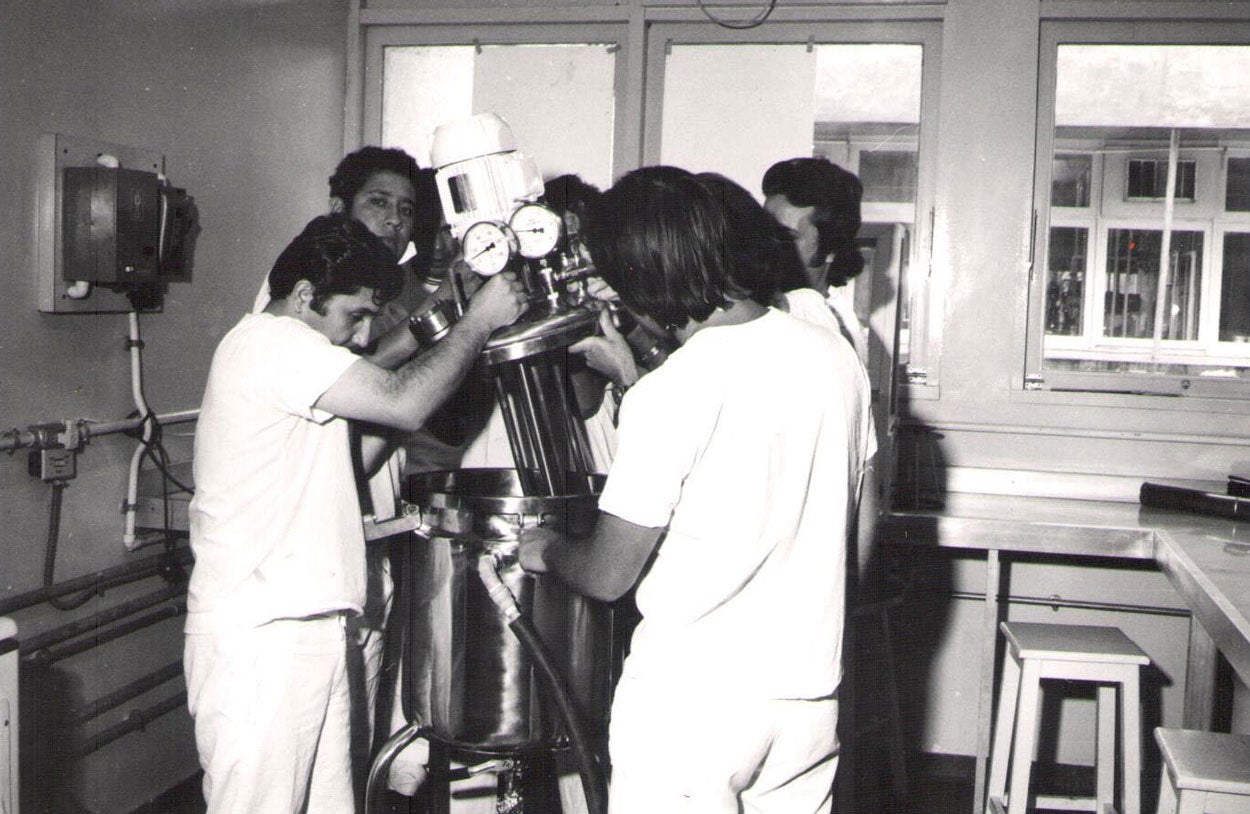
For decades, PANAFTOSA has supported countries in strengthening food safety systems through technical cooperation, training, surveillance, and risk analysis, helping prevent outbreaks and improve response capacity.
Through the Pan American Commission for Food Safety (COPAIA), the Center promotes collaboration between the health and agriculture sectors. It also coordinates the Inter-American Network of Food Analysis Laboratories (RILAA), which supports information sharing and strengthens laboratory capacity across the region.
In recent years, PANAFTOSA has intensified efforts to help countries incorporate risk analysis into food safety policies and regulatory decision-making.
One Health for 21st century challenges
PANAFTOSA's evolution reflects a broader shift in the nature of health threats. Today's risks do not remain within a single sector; they can emerge in animals, spread to people, and be influenced by environmental and social changes.
The recent spread of avian influenza in the Americas has underscored the importance of coordinated action. PANAFTOSA has supported countries through surveillance, risk assessment, laboratory diagnostics, information sharing, and preparedness planning across human, animal, and environmental health sectors.
Antimicrobial resistance is another challenge that requires a One Health approach. The use of antimicrobials and the emergence of resistant microorganisms affect human health, animal health, food production, and the environment, demanding coordinated responses.
“Health threats are becoming increasingly complex and interconnected and require systems capable of anticipating risks, detecting them early, and responding in an integrated manner,” said Dr. Manuel Sánchez Vázquez, Director of PANAFTOSA. “The experience and strong foundation of intersectoral cooperation built by PANAFTOSA over the last 75 years enable us to support countries in developing more resilient systems that are better prepared for current and future challenges.”
Protecting progress through preparedness
While most countries in the Americas have achieved foot-and-mouth disease-free status, the continued circulation of the virus in other parts of the world, combined with the international movement of animals and animal products, means that the risk of reintroduction remains.
Maintaining disease-free status requires more than achieving it in the first place. Countries also need mechanisms to protect and sustain those gains.
To help meet this challenge, PANAFTOSA supported the creation of the Regional Foot-and-Mouth Disease Antigen Bank (BANVACO). The mechanism provides participating countries with rapid access to antigens and emergency vaccines in the event of an outbreak, strengthening regional preparedness and helping safeguard decades of progress toward eradication.
In August 2026, Uruguay formally joined BANVACO as a full member. Brazil, Ecuador, Paraguay, and Uruguay are now full members of the mechanism, while Bolivia participates as an associate member and Peru is in the process of joining.
The science behind preparedness
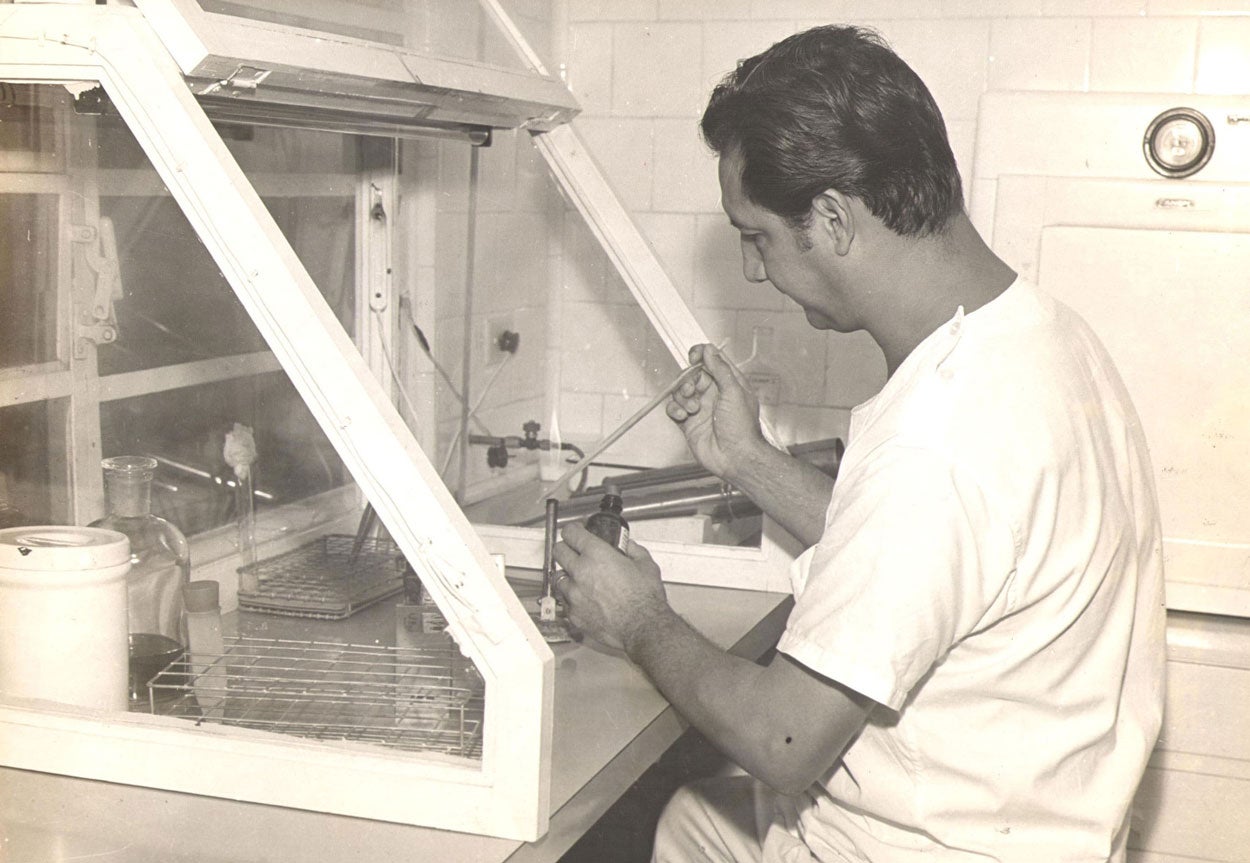
Preparedness begins long before an outbreak occurs. It depends on laboratories that can rapidly detect pathogens, characterize them, and generate the evidence needed to guide public health and veterinary health decisions.
For this reason, PANAFTOSA maintains a Reference Laboratory recognized by the World Organisation for Animal Health (WOAH) for foot-and-mouth disease and vesicular stomatitis. Through this laboratory, the Center supports countries in disease diagnosis, molecular characterization of pathogens, vaccine evaluation, and coordination of the regional network of national animal health laboratories.
The laboratory currently operates in the high-containment facilities of Brazil's Ministry of Agriculture and Livestock (MAPA) in Pedro Leopoldo, Minas Gerais. At the same time, PANAFTOSA is advancing the modernization and expansion of its strategic infrastructure in Duque de Caxias, Rio de Janeiro.
These enhanced capacities will strengthen the support PANAFTOSA provides to countries in diagnostics, applied research, training, and preparedness for health emergencies involving foot-and-mouth disease, other transboundary animal diseases, and zoonoses that can affect health, food security, and livelihoods across the region.
A partnership built in Brazil for the Americas
Since its creation, PANAFTOSA has been based in Brazil, which has played a fundamental role in helping the Center develop scientific and technical capacities that serve the entire region.
Brazil's support as host country has been essential to sustaining the Center's technical, scientific, and cooperation activities and enabling it to fulfill its regional mission.
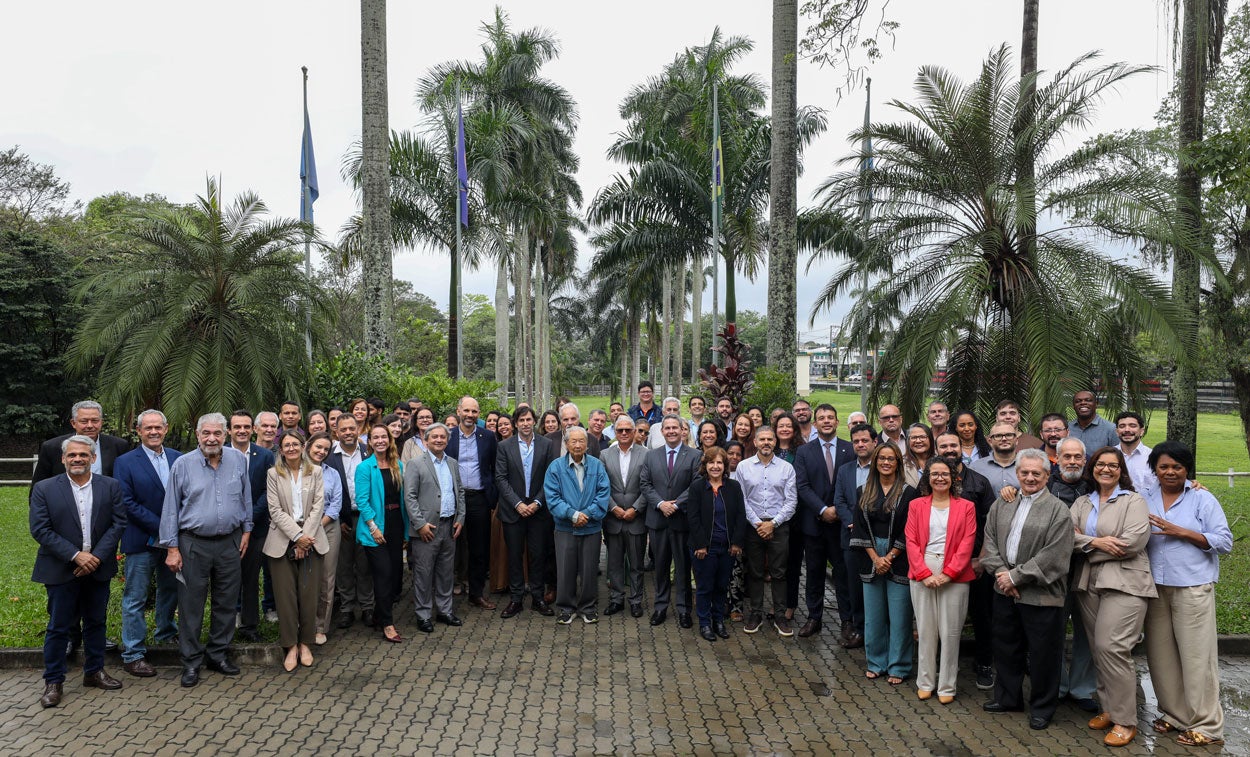
The ceremony commemorating PANAFTOSA's 75th anniversary brought together national authorities, representatives of institutions working in animal and public health, and professionals and collaborators who have contributed to the Center's trajectory. The event was held on 27 August in Duque de Caxias, Rio de Janeiro.
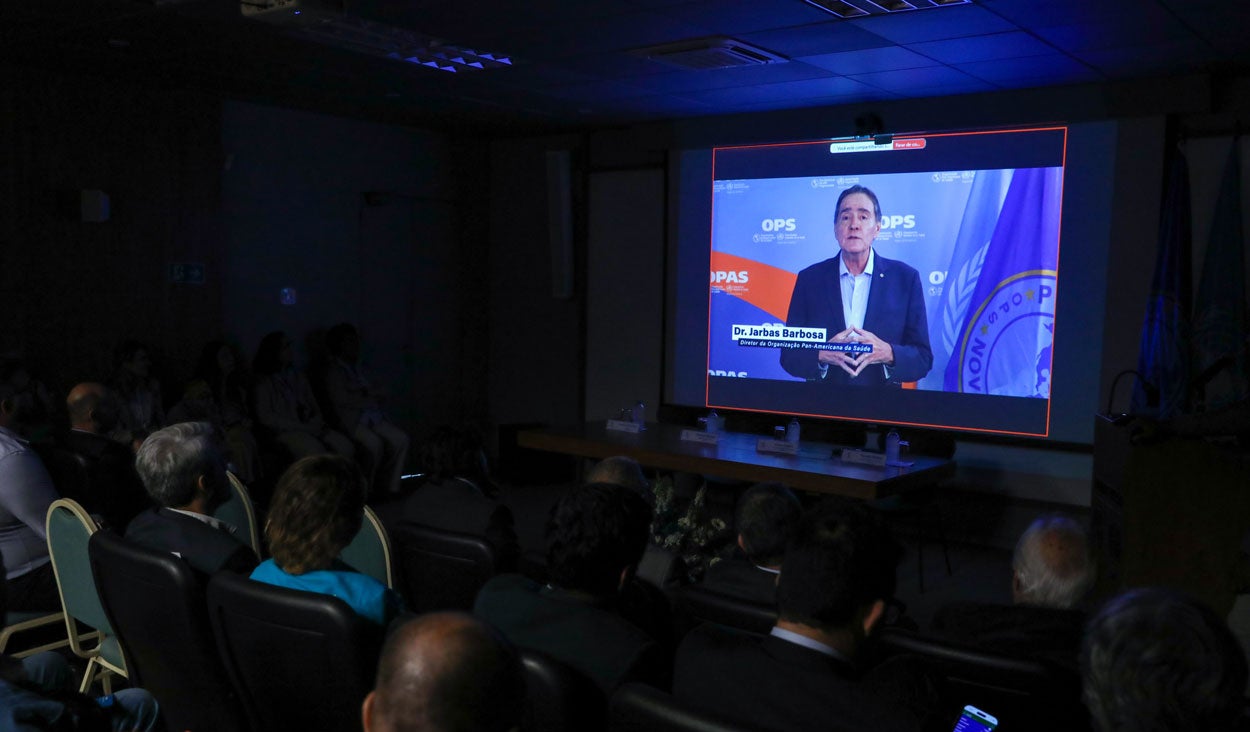
In a video message, PAHO Director Dr. Jarbas Barbosa highlighted Brazil's contribution to the Center's work. "I would like to express my appreciation to the Government of Brazil and the Ministry of Agriculture and Livestock for their continued support in strengthening the Center and helping advance its regional mission," Dr Barbosa said.
Among the participants were representatives of the Brazilian government, PAHO in Brazil, and PANAFTOSA, including Carlos Goulart, Secretary for Agricultural Defense at Brazil's Ministry of Agriculture and Livestock (MAPA); Flávio Dourado, Deputy General Coordinator for Zoonoses and Water- and Foodborne Disease Surveillance at Brazil's Ministry of Health; and Ricardo Mansur, Secretary of Agriculture, Livestock, Fisheries, Food Supply and Interior Development of the State of Rio de Janeiro.
The event highlighted how decades of regional cooperation have transformed the response to animal-borne diseases and contributed to stronger public and veterinary health systems capable of addressing risks that cross the boundaries between people, animals, and the environment.
Seventy-five years after its creation, PANAFTOSA continues to work alongside countries across the Americas to prevent disease, protect hard-won gains, and prepare for future threats.
Its history demonstrates that when risks transcend borders and sectors, sustained cooperation can transform emergency responses into lasting capacities that protect health, trade, and food security.