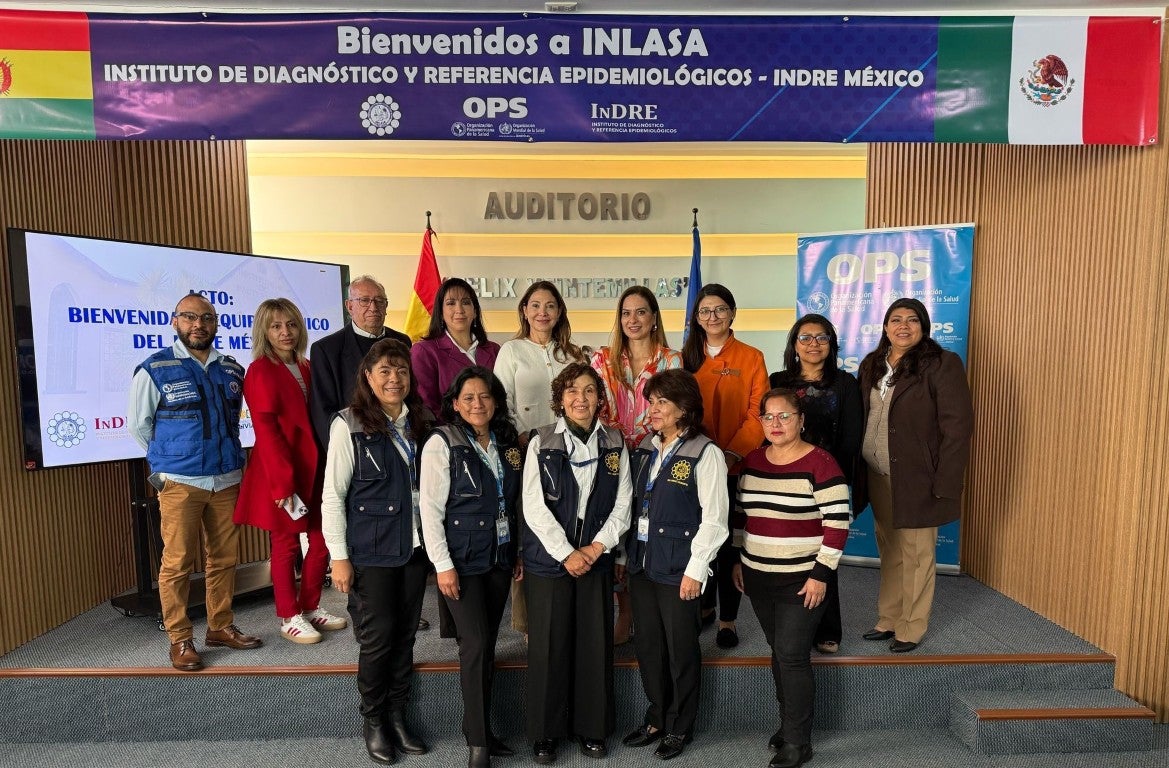
La Paz and Santa Cruz de la Sierra, Bolivia, April 28, 2025 (PAHO)- The reference laboratories, Instituto Nacional de Laboratorios de Salud "Dr. Néstor Morales Villazón" INLASA, in La Paz, and the Centro Nacional de Enfermedades Tropicales CENETROP, in Santa Cruz, obtained recommendations from InDRE/WHO and PAHO to strengthen quality policy and biorisk management, as well as to strengthen capacity to respond to influenza and emerging pathogens with pandemic potential.
After a review process of the technical and operational capacities of reference laboratories in Bolivia, complemented with specialized training in Biosafety and Quality Management for the personnel involved, by experts from the National Institute of Epidemiological Diagnosis and Reference "Dr. Manuel Martínez Báez" (InDRE) of Mexico, WHO Collaborating Centers, together with specialists from the Pan American Health Organization, recommendations for continuous improvement were issued.
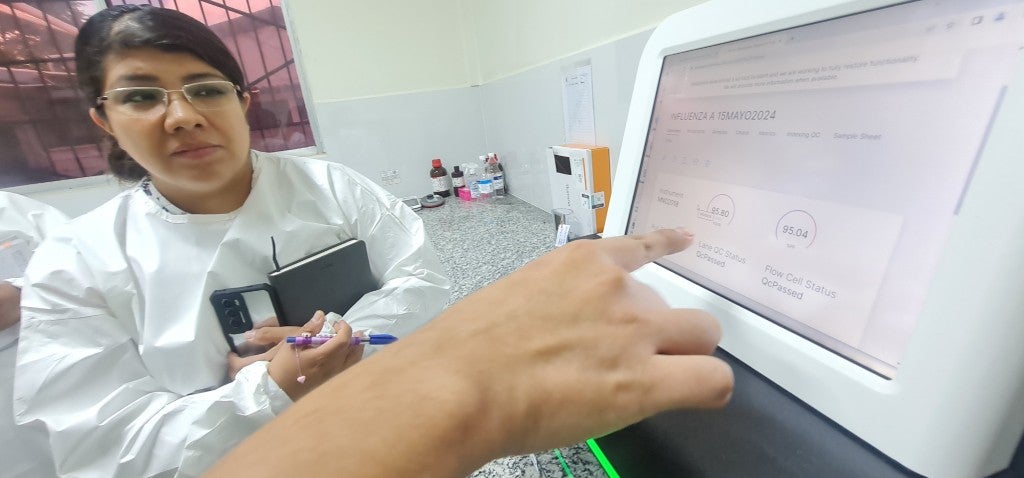
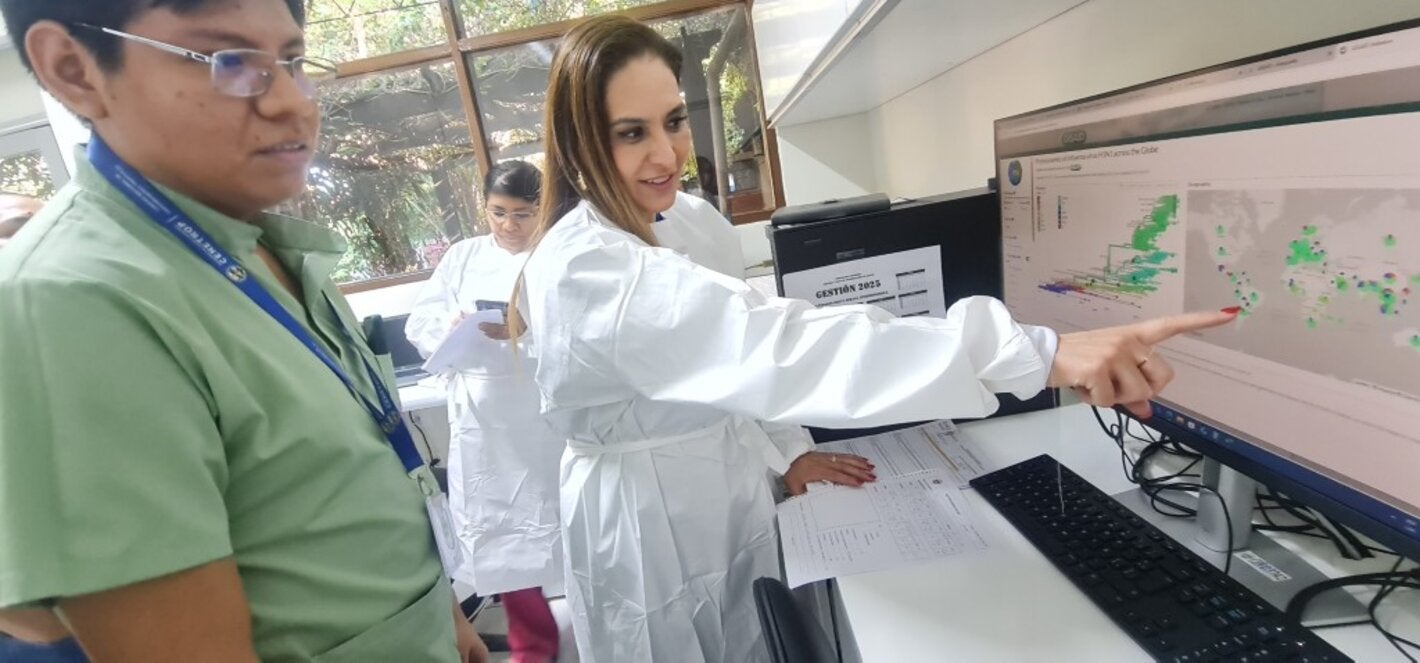
On the other hand, after reviewing the status of current national guidelines to strengthen surveillance of diseases caused by respiratory viruses, as well as conducting a prioritized evaluation of sentinel sites for surveillance of ILI (Influenza-like Illness) and SARI (Severe Acute Respiratory Infection), and to provide an update workshop on virological surveillance of respiratory viruses to the national network of reference laboratories for virological surveillance, PAHO expert Juliana Leite issued recommendations for the installed technical capacity and identified opportunities for improvement in national reference laboratories and capacity building for integrated virological surveillance of influenza and SARS-CoV-2.
These international missions, which took place between April 21 and 25 in Bolivia, sought to strengthen the management system and capacity to respond to influenza and emerging pathogens with pandemic potential, ensuring reliable results, personnel protection and operation under the highest standards of quality and biosafety.
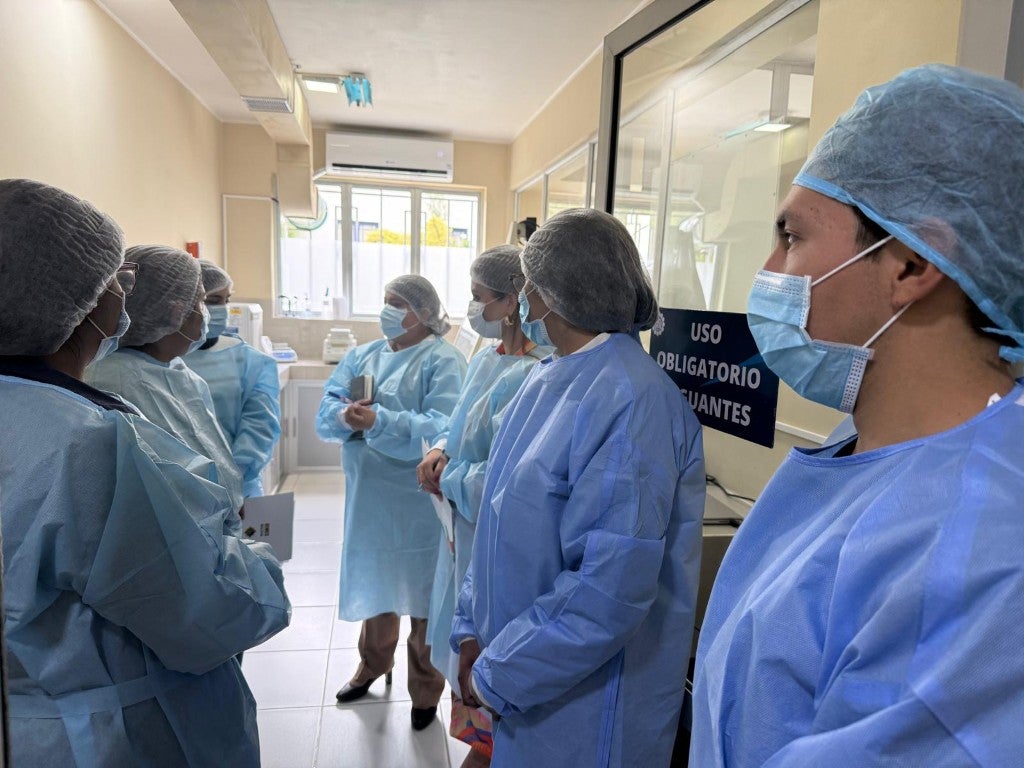
The first visit was to INLASA, at the government headquarters, and then to CENETROP, in Santa Cruz. In both laboratories, the biosafety and quality management components were evaluated by InDRE specialists.
Leite, in Bolivia, and other PAHO experts, connected through virtuality, provided a complete refresher training on surveillance for respiratory diseases, in order to strengthen the national laboratory network in aspects such as genomic surveillance, diagnosis molecular and subtyping, as well as to promote decision making based on reliable data in real time.
The strengthening is part of a series of actions framed within the framework of the Capacity Evaluation and Strengthening of Competencies of Surveillance Personnel and those responsible for Public Health Laboratories of the Plurinational State of Bolivia.
The PAHO/WHO representative, Alma Morales said: "The added value of this meeting is not only in the tools or methodologies that are shared, but in the collective construction of technical confidence, collaboration networks and integrated and sustainable response systems".
"Today more than ever, we understand that preparedness for health emergencies is not an option, but a responsibility. Bolivia is taking firm steps in that direction. And from PAHO/WHO, we reaffirm our commitment to accompany this process with quality technical assistance, with a long-term vision and with the respect that the efforts of each person involved deserve," said the Representative.
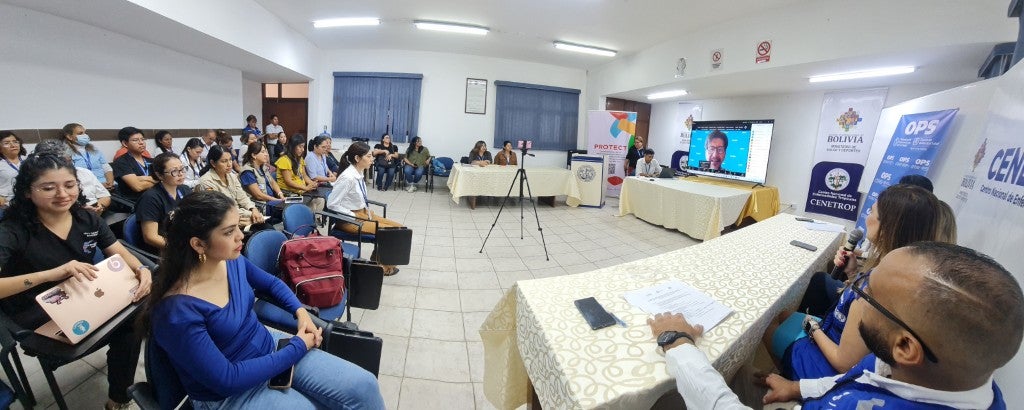
"The experience lived during the COVID-19 pandemic left us with fundamental lessons. One of the most important is the critical need for strengthened laboratories, robust quality management and biosecurity processes, with agile mechanisms for surveillance and data analysis. Health threats remain constant and ever-changing. That is why strengthening technical capacities is a priority," said Alma Morales.
These actions are part of the implementation of the PROTECT project Optimizing Pandemic Response through Engaged Communities and Territories in South America, of which Bolivia is part, and are under the context of the implementation of the Pandemic Influenza Preparedness Plan (PIP).
The series of workshops or trainings are a strategic step and will continue in the following weeks in the country.