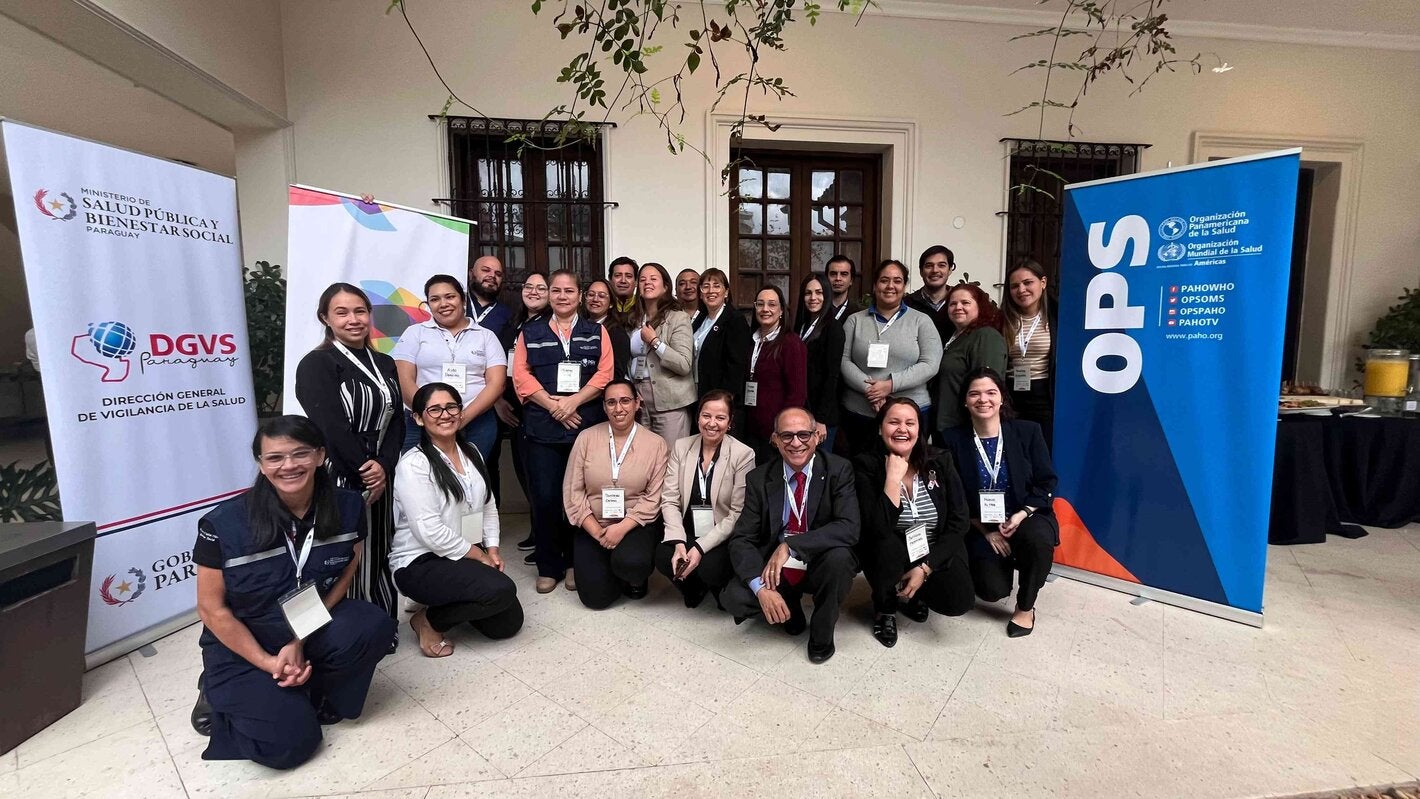
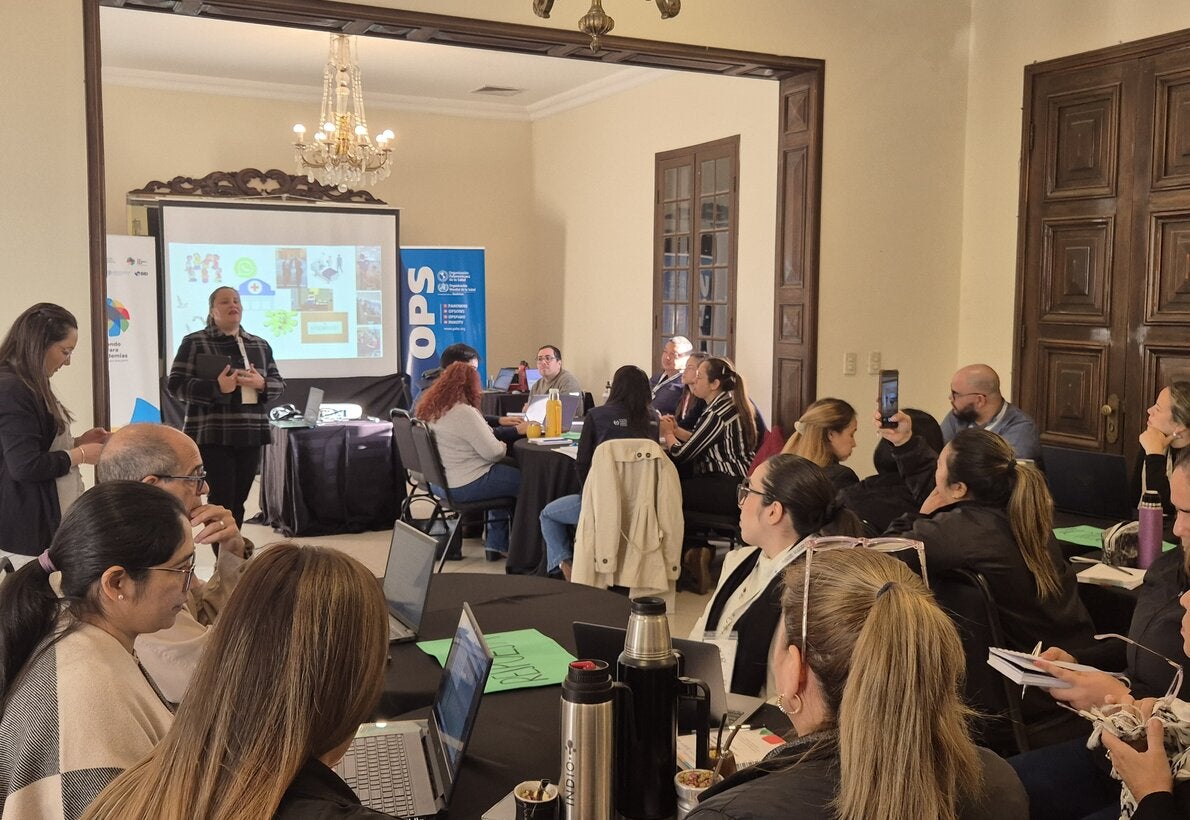
Asunción, May 27, 2025 (PAHO) — Paraguay is strengthening its capacity to respond to outbreaks and other public health threats with the Early Action Review Exercise (EAR), which is based on the innovative 7-1-7 metric. Taking place in Asunción from May 26 to 30, the General Directorate of Health Surveillance (DGVS) of the Ministry of Public Health and Social Welfare (MSPBS) led a workshop that brought together national and international technical teams to evaluate and improve the timeliness of detecting, notifying, and responding to health events.
The workshop, technically supported by the Pan American Health Organization (PAHO/WHO), the 7-1-7 Alliance, and its technical secretariat Resolve to Save Lives (RTSL), is part of the project Strengthening Critical Pandemic Prevention, Preparedness, and Response Functions in Paraguay, funded by the Pandemic Fund and led by the MSPBS.
What is the 7-1-7 metric?
This approach proposes clear guidelines for improving health responses:
- 7 days to detect a public health event,
- 1 day to report it, and
- 7 days to initiate an effective response.
The goal is to identify bottlenecks in surveillance and response systems and, based on that assessment, strengthen coordination among key actors, optimize resources, and make evidence-based decisions.
“This exercise will enable us to quickly identify lessons learned and critical areas for improvement in the detection and containment of health threats,” explained Dr. Andrea Ojeda, Director General of the DGVS.
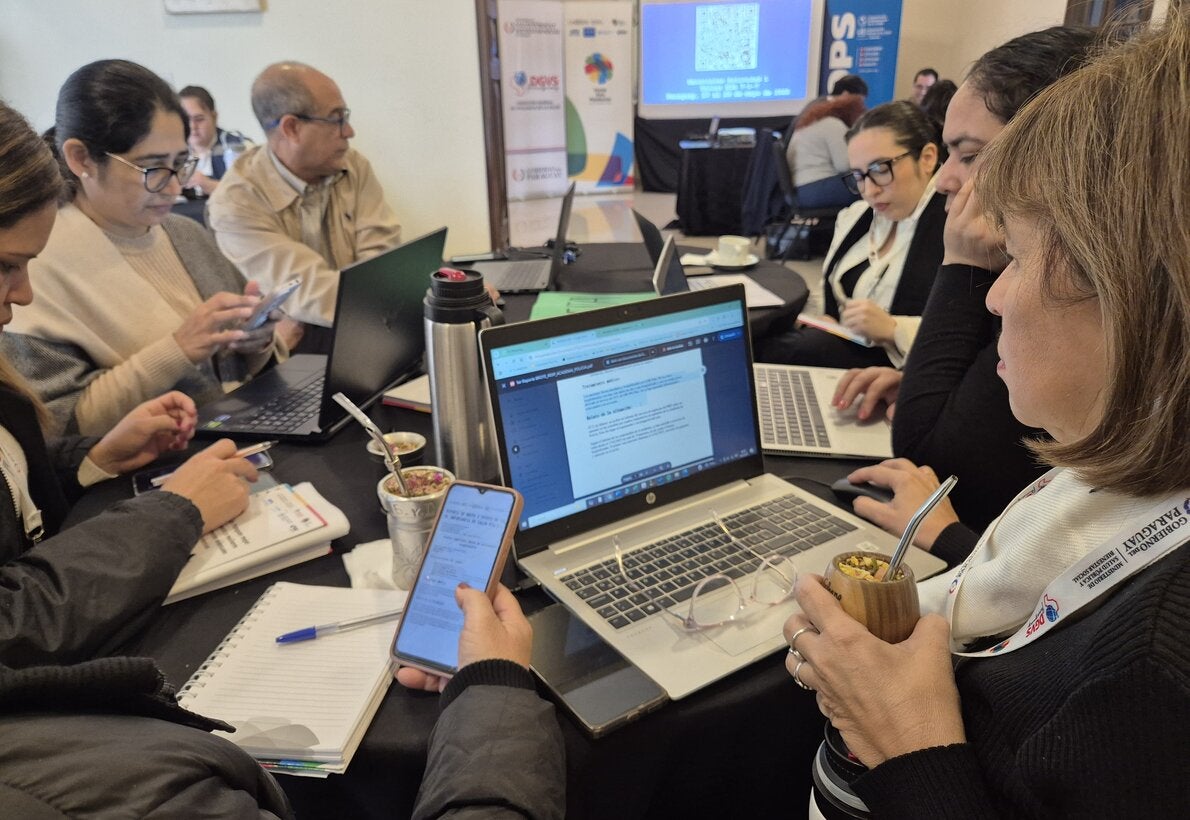
Multisectoral participation
Representatives from different technical areas of the DGVS participated in the workshop, including:
- the National Liaison Center for the International Health Regulations (IHR),
- the Directorate of Surveillance and Response to Public Health Emergencies,
- programs on field epidemiology, immunizations, vector-borne diseases and zoonoses,
- hospital, special, and sentinel surveillance,
- and the National Center for Epidemiological Information, among others.
Technicians from PAHO/WHO, the 7-1-7 Alliance, and RTSL also participated.
Toward more resilient health systems
Beyond evaluating the efficiency of existing systems, the ETA exercise promotes an intersectoral vision based on real data, which is key to addressing future emergencies more effectively and in a timely manner.
For PAHO, strengthening national capacity for rapid and effective response is essential to building safer, more prepared, and more sustainable health systems.
This initiative reaffirms Paraguay's commitment to global health security and to the effective implementation of the International Health Regulations (IHR) through technical cooperation and the use of innovative tools that ultimately save lives.
About the Strengthening Pandemic PPR in Paraguay Project
The Strengthening Pandemic Prevention, Preparedness, and Response project aims to strengthen critical PPR functions to address gaps identified in the 2022 State Party Self-Assessment Annual Report (SPAR) and to reduce the health, social and economic impacts of future pandemics. The gaps relate to early warning, surveillance systems, and preparedness to respond to health emergencies, as reflected in Paraguay’s medium compliance rate of 62% across the 15 International Health Regulations (IHR) core capacities. Its being carried out as a partnership between the Ministry of Public Health and Social Welfare in coordination with four Implementing Entities (IEs) including FAO, the Inter-American Development Bank (IDB), UNICEF, and WHO.