Bridgetown, Barbados, 30 May 2025 (PAHO) — With youth at the helm of planning and execution, the event “Let’s Talk: Bridging the Gap in Youth Mental Health” marked a transformative moment for mental health advocacy in Barbados and the Eastern Caribbean.
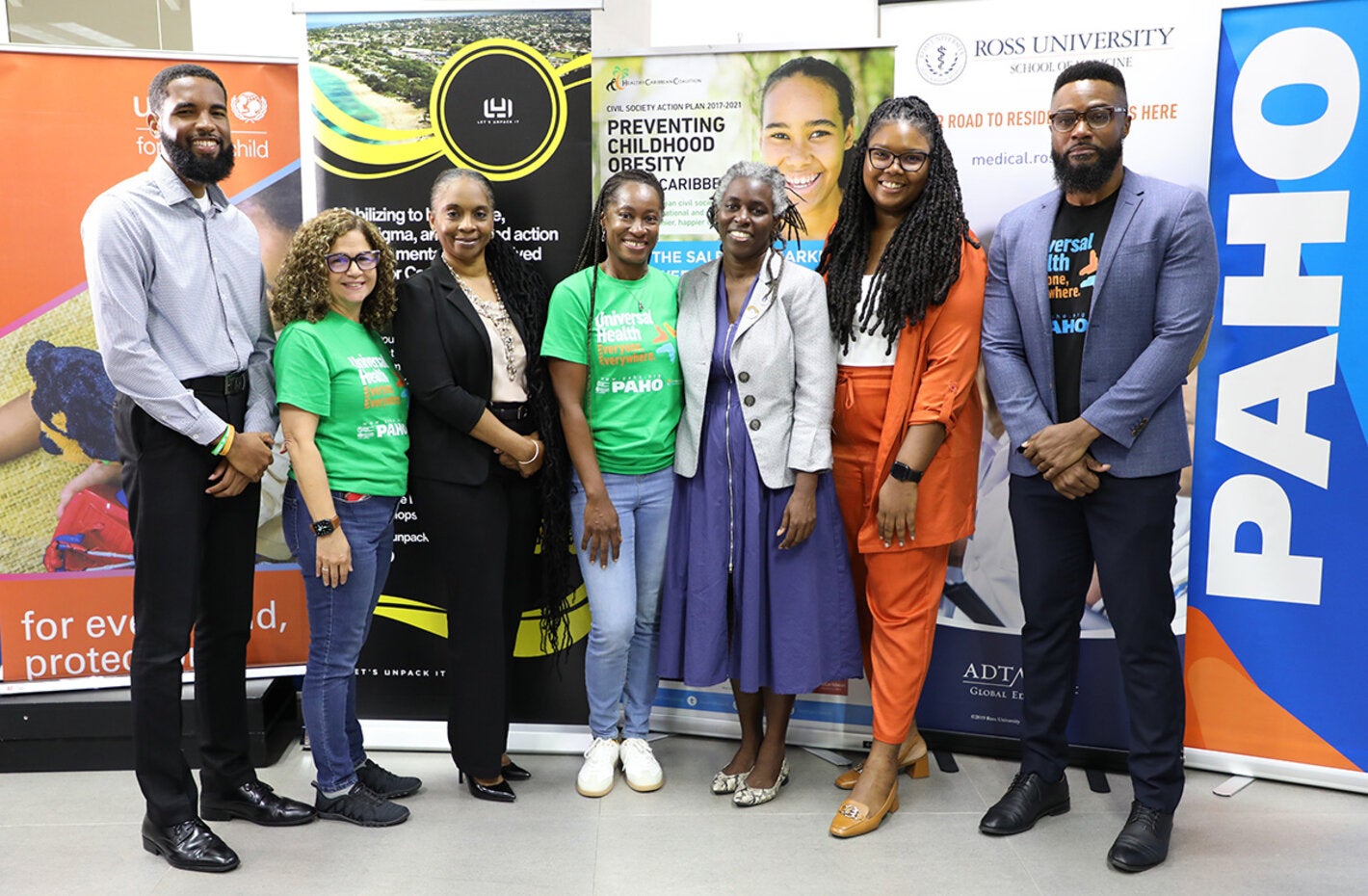
Coordinated by the Pan American Health Organization (PAHO/WHO), in partnership with Ross University School of Medicine, UNICEF, Let’s Unpack It, and Healthy Caribbean Youth, the event underscored a bold new standard for youth-driven health programming in the region.
The forum, held on May 30, 2025, was the result of months of interagency collaboration and, most importantly, dedicated youth leadership. The day was designed by youth, for youth, creating a dynamic and safe space for open dialogue, sharing of lived experiences, and joint problem-solving. The hybrid format allowed dozens of young people to participate virtually alongside in-person attendees, breaking down geographic barriers and reinforcing inclusion.
From Barbados to Dominica to Trinidad and Tobago, youth shared deeply moving stories of navigating mental health challenges, underscoring the urgency of responsive and stigma-free mental health systems. These testimonies elevated the voices of those often unheard, showcasing resilience and the need for authentic representation in shaping mental health policy and services.
Dr. David Johnson, youth mental health advocate and founder of Let’s Unpack It, set the tone in his setting the stage presentation, revealing sobering statistics: “Half of all mental illnesses begin before age 15, and suicide is the leading cause of death among young people aged 15 to 29.” His message resonated with participants and stakeholders alike, driving home the critical need for early intervention and sustained support.
Real conversations, real solutions
Breakout sessions, both virtual and in-person, offered interactive spaces to explore themes such as education and awareness, policy and regulation, and mental health services. Youth participants proposed clear, actionable solutions:
- Involve youth at all levels of mental health policy design and implementation.
- Normalize help-seeking behaviours among young people and their families.
- Train teachers to recognize early signs of mental distress.
- Integrate mental health education into school curricula through HFLE (Health and Family Life Education).
- Expand school counselling services and create transitional housing (“halfway houses”) to support reintegration of individuals living with mental health conditions.
Bertrand Moses, Child Protection Specialist at UNICEF Eastern Caribbean, introduced youthcaribbeanminds.com, an online resource hub tailored for young people, caregivers, and educators—another tangible step toward youth-centered solutions.
Government and partners pledge support
Hon. Davidson Ishmael, Minister of State in the Ministry of Health and Wellness, addressed the gathering with a call to action: “Mental health is a continuum. Everyone experiences challenges, but not everyone copes the same way. We must challenge the stigma, including how we speak about mental health in our homes, schools, and communities.”
PAHO/WHO Representative Dr. Amalia Del Riego emphasized that “there is no health without mental health.” She advocated the use of affirmative language, recognizing its powerful role in fighting stigma and creating inclusive, healing environments.
What’s next: Sustaining the momentum
The event concluded with a shared commitment to advancing youth mental health across Barbados and Eastern Caribbean Countries. The key takeaways, ideas, and lived experiences will form the foundation for a follow-up forum and action plan. Partners pledged to continue collaborating with youth to map existing service gaps and co-design strategies that respond to the real needs of young people.
This forum was a catalyst with youth leading the way, a new chapter in mental health advocacy has begun in the Caribbean. PAHO and its partners remain committed to building on this momentum and ensuring that the region’s young people are empowered to thrive mentally, emotionally, and socially.