Washington, D.C., 31 de Enero 2026.- The Pan American Health Organization (PAHO) has published “Especificaciones técnicas recomendadas por la OPS para la compra de dispositivos automáticos y semiautomáticos de medición de la presión arterial con brazalete”, a guide designed to support procurement process of clinically validated equipment, aiming to strengthen hypertension control in primary health care within the framework of the HEARTS in the Americas Initiative. The new guide is available in Spanish.
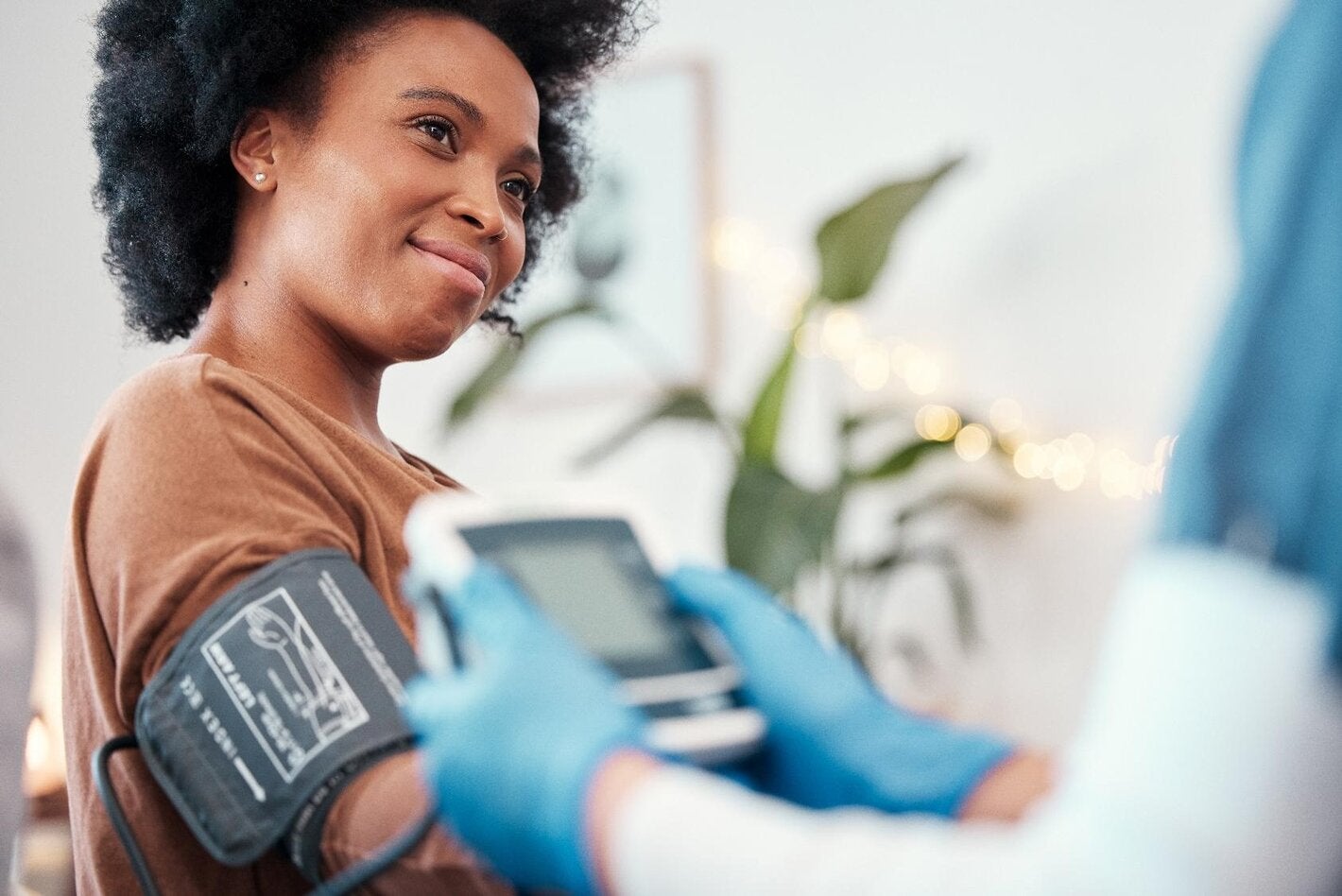
The publication describes four types of devices—semi-automatic, automatic type 1 (home/self-measurement), automatic type 2 (professional), and ambulatory automatic—and summarizes their main features, recommended uses, and advantages, enabling health authorities and public procurement officials to select the equipment best suited to their needs.
The document emphasizes the importance of using clinically validated devices approved by independent entities according to internationally recognized protocols (AAMI/ESH/ISO 810602 or others accepted until December 31, 2025), in order to ensure accurate measurements under real conditions and free from conflicts of interest.
This guide serves as a reference for national and local ministries of health and regulatory bodies, supporting the procurement of these clinically validated devices under favorable regional conditions through the Regional Revolving Funds' current product portfolio for regional scale-up.
This publication complements the set of technical resources to improve blood pressure measurement in primary care, developed as part of the HEARTS in the Americas Initiative. These include the Accurate automated blood pressure measurement virtual course, and downloadable posters and infographics, among other materials.
The new guide was prepared collaboratively by the Department of Innovation, Access to Medicines, and Health Technologies (IMT) and the Department of Noncommunicable Diseases and Mental Health (NMH) through the HEARTS in the Americas Initiative