Washington, D.C., June 4, 2026 (PAHO) — Eleven countries of the Americas came together to review progress achieved during the third year of the Initiative for the Elimination of Trachoma in the Americas, a partnership between the Pan American Health Organization (PAHO) and the Government of Canada. Held virtually on May 27–28, the annual meeting brought together representatives from Bolivia, Brazil, Colombia, Ecuador, El Salvador, Guatemala, Guyana, Mexico, Panama, Paraguay, and Venezuela. Discussions focused on the challenges and opportunities encountered over the past year, with particular emphasis on water, sanitation and hygiene (WASH) and the Facial cleanliness (F) and Environmental improvement (E) components of the SAFE strategy.
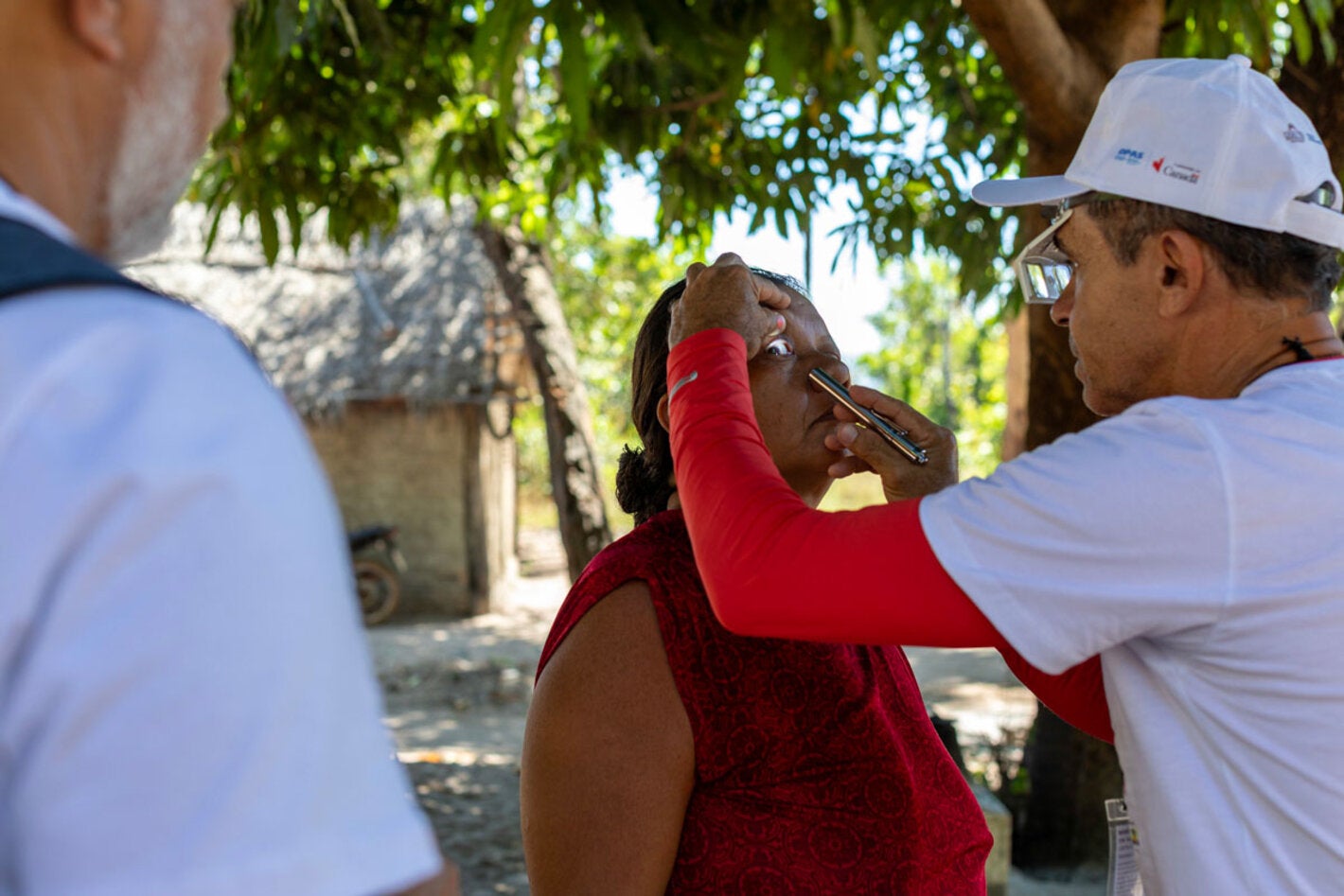
“During this third year of implementation, countries have continued to strengthen efforts to eliminate trachoma through surveys and assessments in priority areas, as well as integrated interventions designed to bring health services closer to Indigenous, rural, and hard-to-reach communities,” said Ana Luciañez, PAHO Regional Advisor on Neglected Tropical Diseases (NTD).
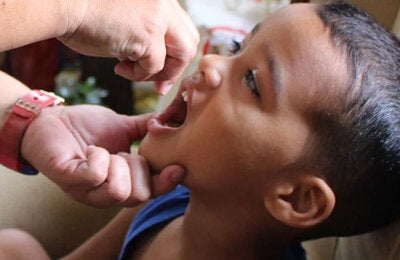
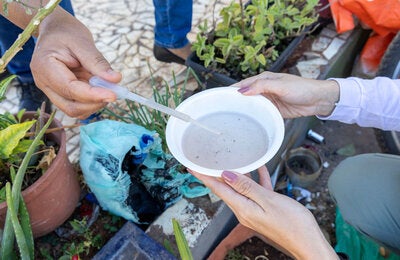
Among the key achievements highlighted were prevalence surveys and other surveillance activities that are generating critical epidemiological evidence to guide interventions, document progress toward elimination, and strengthen local data on WASH-related determinants. Several countries also demonstrated how trachoma elimination activities have served as a platform for delivering additional health services to remote communities, including eye care, vaccination, nutrition services, and hygiene promotion, all during a single outreach visit.
The meeting also underscored the importance of gender and intercultural approaches to strengthen community participation and adapt interventions to local realities. Countries shared experiences implementing knowledge dialogues with Indigenous communities, developing culturally appropriate educational materials, and training health teams to integrate traditional knowledge with public health practices for the prevention and elimination of trachoma and other neglected tropical diseases.
Participants also reviewed priorities for the initiative’s fourth year, including continuing epidemiological assessments and progress monitoring, strengthening implementation of the SAFE strategy, expanding WASH-related actions, and advancing the compilation of evidence required for validation dossiers. Communication was also recognized as a strategic component of the initiative, helping to document and showcase country progress and elimination milestones while sustaining political commitment and public engagement around a shared regional goal.
Trachoma is one of the more than 30 communicable diseases and related conditions targeted by PAHO’s Disease Elimination Initiative for elimination in the Americas by 2030. Results from the third year of implementation demonstrate that countries are moving forward with stronger evidence, integrated approaches, and communities at the center of efforts to eliminate trachoma as a public health problem.