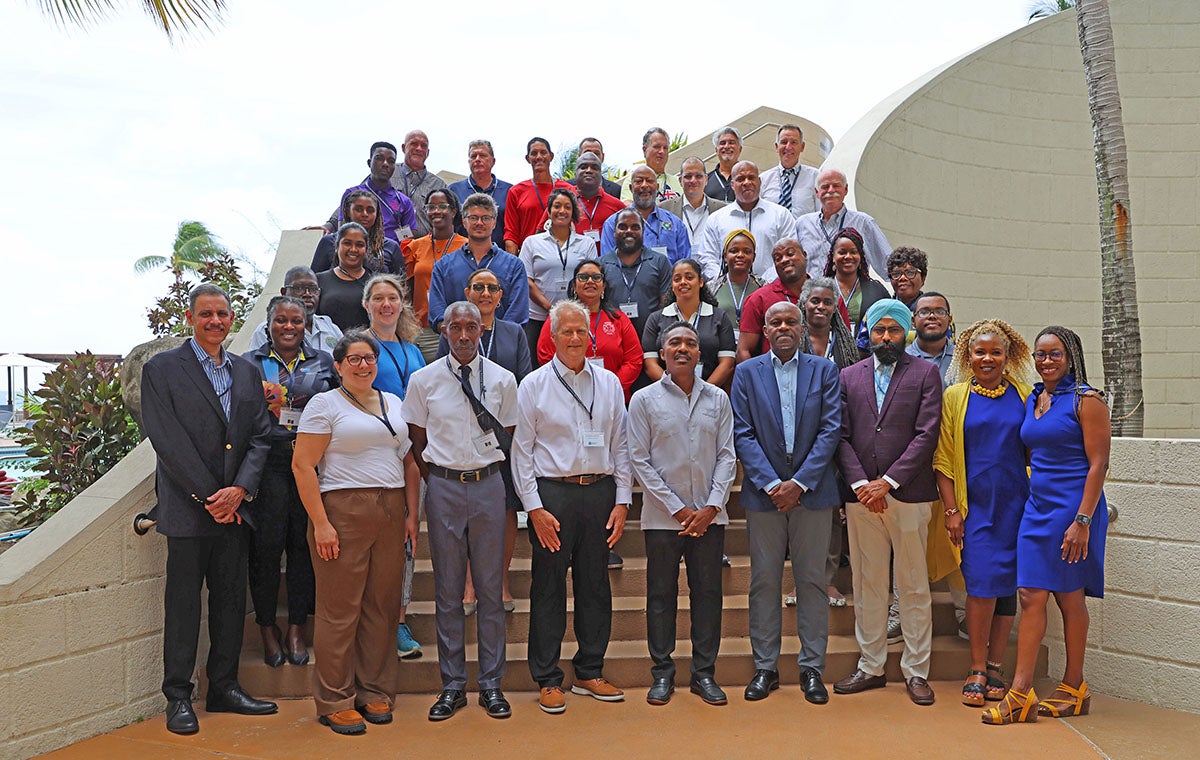
Bridgetown, Barbados, 5 October 2026 (PAHO/WHO) – Representatives from countries and territories across the Caribbean came together in Barbados to strengthen national and regional action to prevent drowning and build safer, more resilient communities.
The Caribbean Community Drowning Prevention Workshop, held from 1–5 October 2026, brought together practitioners, programme administrators, academics and representatives of government agencies and civil society organizations involved in drowning prevention across the region. The workshop was hosted by the Royal Life Saving Society Commonwealth (RLSS) and co-hosted by the World Health Organization (WHO) and the Pan American Health Organization (PAHO) as well as the Royal National Lifeboat Institution.
Drowning remains an important public health concern. Approximately 17,000 people died from drowning in the Region of the Americas in 2021, representing a mortality rate of 1.6 per 100,000 population. Drowning also remains the seventh leading cause of death among children aged 5 to 14 years in the Region. The Non-Latin Caribbean had the highest drowning mortality rate among the subregions of the Americas, at 2.23 deaths per 100,000 population, with some countries experiencing drowning mortality rates several times the regional average
With more than 60 per cent of the Caribbean Community's approximately 19 million people under the age of 30, strengthening prevention efforts can have a significant impact on the health and wellbeing of communities.
Over three days of technical sessions and practical discussions, participants examined existing drowning prevention initiatives, regional drowning data, global guidance and approaches that can be adapted to the realities of Caribbean countries and territories.
The workshop placed particular emphasis on moving from evidence to action. Participants explored how available drowning data can be better used to identify risks and target interventions, while examining opportunities to expand community-based programmes and strengthen collaboration among governments, civil society organizations and other partners.
Discussions addressed a broad range of areas including swimming and lifesaving skills, cardiopulmonary resuscitation (CPR) and first response, community awareness, organizational leadership and governance, safety for fishers and aquatic harvesters, and strengthening community resilience to extreme weather events and disasters.
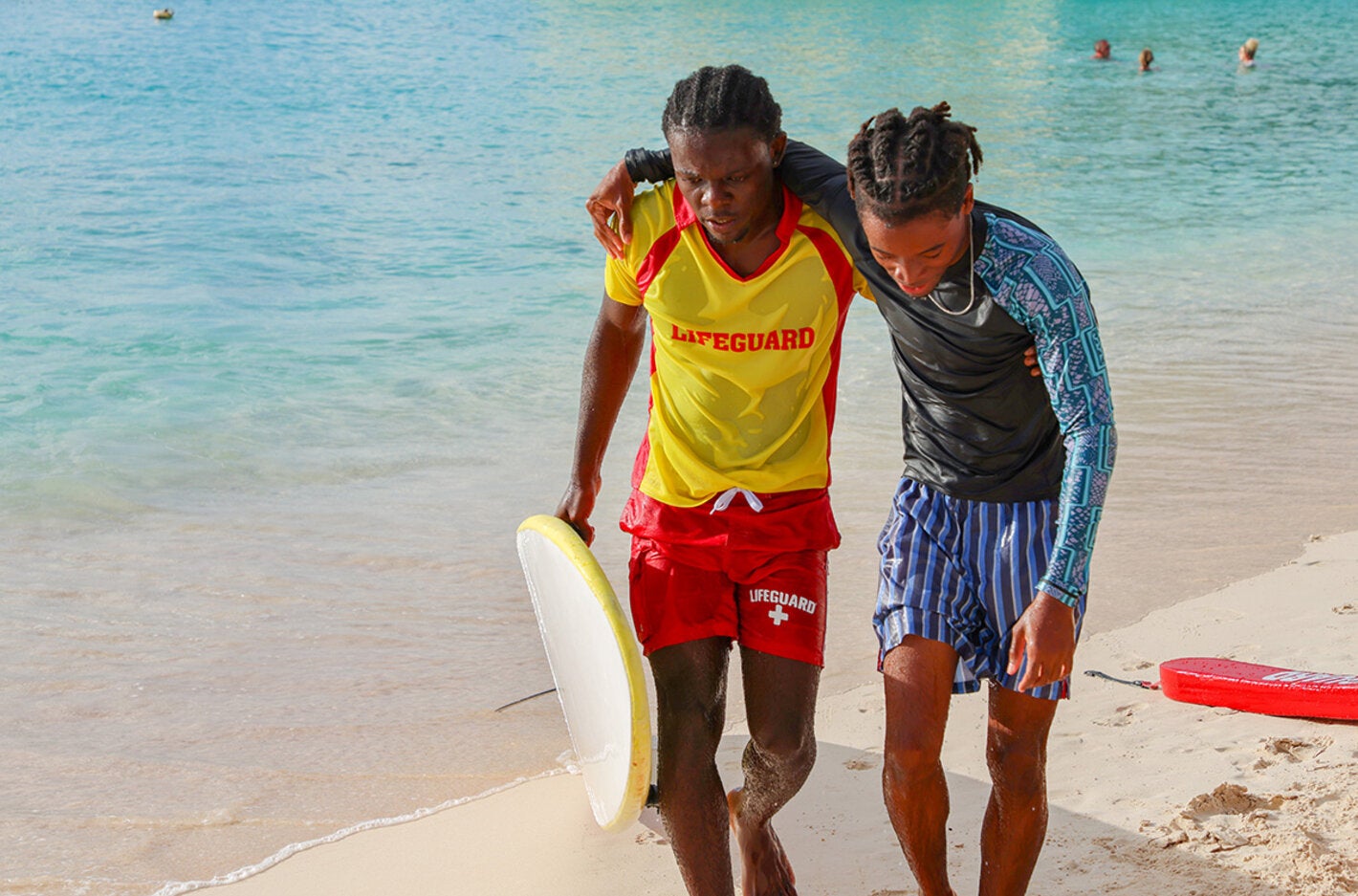
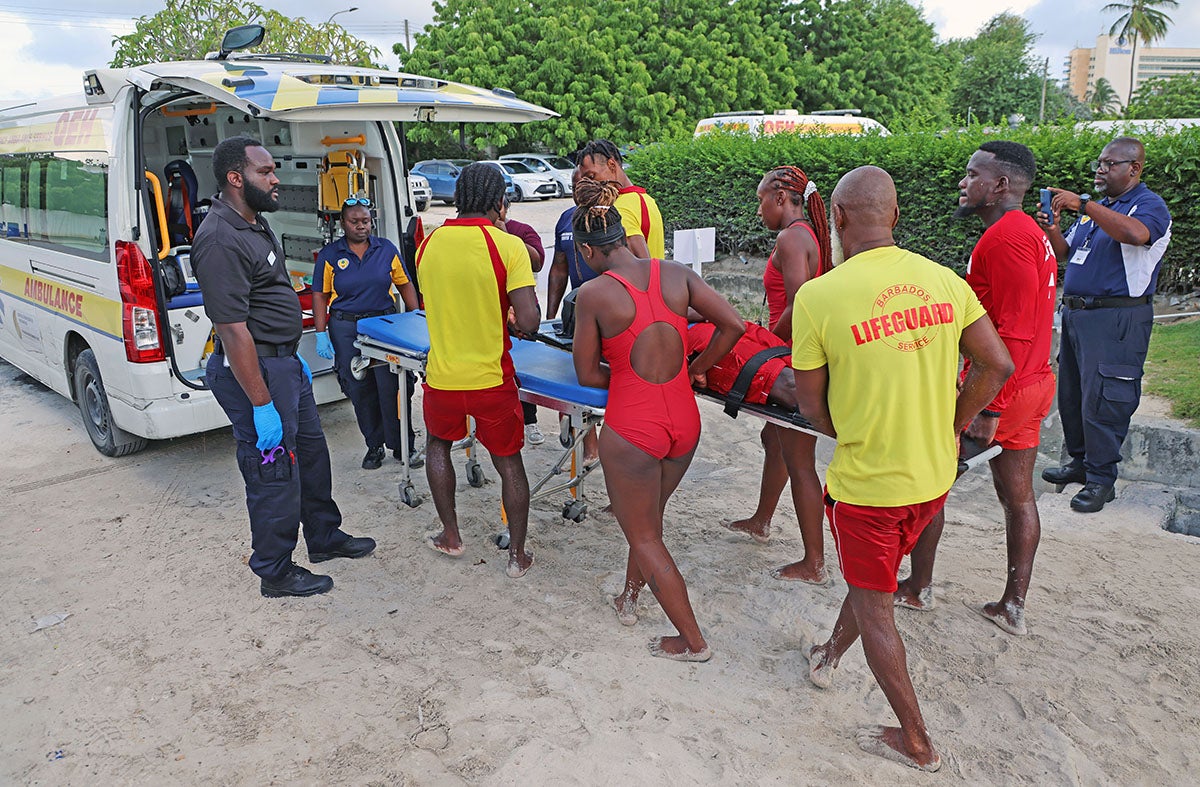
A highlight of the workshop was a practical emergency response drill demonstrating the skills, coordination and collaboration required when responding to a water-related emergency. Participants observed personnel from the Barbados Lifeguard Service, Barbados Coast Guard and ambulance service working together in a simulated response, providing a real-world demonstration of how a well coordination from different sectors and services contribute to saving lives.
Reflecting on the exercise, Dr. Stephen Beerman, Deputy Commonwealth President of the Royal Life Saving Society (RLSS), praised both the skills demonstrated and the coordination among the responding services.
“It was a very efficient and impressive display of skills. There was outstanding collaboration and very good transfer of responsibility and care in each circumstance. It was an outstanding display of the skills of the rescue services available in Barbados,” Dr. Beerman said.
The exercise reinforced an important message from the workshop: effective drowning prevention and response depend not only on individual lifesaving skills, but also on strong coordination among the services and organizations responsible for keeping people safe in and around water.
An important focus of the workshop was supporting participants to translate the discussions into realistic and achievable drowning prevention strategies and actions for their respective countries and territories. Participants also contributed to discussions on national drowning prevention plans and a broader Caribbean Community Drowning Prevention Strategy. Concept Note
“This workshop comes at a particularly important moment for drowning prevention. We have seen significant progress in recognizing drowning as a public health issue, and building the evidence, political commitment, and tools needed to translate these commitments into concrete action. With the Global Strategy for Drowning Prevention 2025–2035, and the new WHO technical guidance, including the PROTECT technical package, we have a clearer path for translating evidence and global commitments into action that respond to Caribbean contexts,” said Dr. Eva Jane Llopis, PAHO/WHO Representative for Barbados and the Eastern Caribbean Countries.
The workshop also highlighted the importance of ensuring that drowning prevention approaches reflect the circumstances of individual communities. Participants considered how programmes can reach populations at greater risk, address inequities and build on existing local knowledge and practices. The public health approach to reducing the number, rates and inequities associated with drowning was a guiding principle throughout the workshop.
Beyond the workshop, a Community of Practice is expected to provide a mechanism for continued learning, collaboration and sharing of good practices among participating countries, territories and organizations.
The Caribbean Community Drowning Prevention Development Workshop was made possible through the financial support from Bloomberg Philanthropies, provided through WHO.