“With Health, We All Win” campaign encourages simple steps to stay safe and enjoy the event
Washington, D.C., June 8, 2026 (PAHO) — The Pan American Health Organization (PAHO) has issued new public health recommendations for travelers and people attending mass gatherings during the 2026 FIFA World Cup™, which will be held in Canada, Mexico, and the United States.
The guidance is part of the “With Health, We All Win” campaign, which promotes healthy habits and preventive measures for those attending matches, celebrations, and other large-scale events both inside and outside stadiums.
A global celebration that also requires care
The World Cup brings together millions of people—not only in stadiums, but also in fan zones, on public transportation, in restaurants, and in other crowded spaces. In these settings, the risk of exposure to infectious diseases, heat-related illnesses, and injuries can increase, making preparation essential.
“The celebration happens both inside and outside the stadiums, but to fully enjoy it, it’s important to take care of yourself and stay informed,” PAHO said as part of the campaign.
Keeping vaccinations up to date
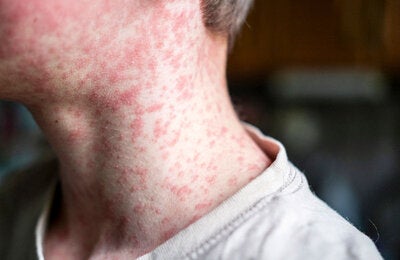
PAHO emphasizes that staying up to date with vaccinations is one of the most important steps before traveling. In particular, it recommends checking protection against measles, given the recent increase in cases in the Region of the Americas, including in all three host countries.
Measles is highly contagious, and the risk of transmission increases in crowded environments. A single infected person can spread the virus to up to 18 unprotected individuals, making settings such as stadiums and fan zones particularly high-risk for those who are not vaccinated.
Travelers are also advised to review other recommended vaccines based on their destination and personal circumstances, including Tdap (tetanus, diphtheria and pertussis), influenza, COVID-19, and hepatitis A and B.
Preparing before travel
PAHO recommends that travelers prepare in advance by assembling a basic health kit, bringing enough medication for the entire trip, and confirming health insurance coverage. Keeping copies of key documents—such as passports, vaccination records, and insurance information—can help avoid delays in case of emergencies.
Adopting healthy habits before departure, including getting enough rest, eating a balanced diet, and staying physically active, can also help travelers better cope with the demands of the event.
Risks associated with mass gatherings
Large gatherings can increase exposure to respiratory infections, foodborne diseases, heat, and injuries. To reduce these risks, PAHO recommends simple preventive actions such as frequent handwashing, drinking safe water, choosing properly cooked foods, and ensuring proper ventilation in enclosed spaces.
High temperatures during the summer months also increase the risk of dehydration and heat-related illness. Staying hydrated, seeking shade, and limiting activity during the hottest hours of the day are key measures for staying safe.
In crowded environments, PAHO also advises staying aware of one’s surroundings, avoiding heavily congested areas, and identifying exit routes when entering or leaving venues.
Mosquitoes, sexual health, and other recommendations
In some host cities, particularly in Mexico, mosquitoes can transmit diseases such as dengue, Zika, and chikungunya. Travelers are encouraged to use insect repellent and wear protective clothing.
PAHO also highlights the importance of protecting against sexually transmitted infections during travel, including the correct use of condoms. In addition, avoiding alcohol consumption can help reduce risks, as alcohol can worsen dehydration and affect judgment in crowded or high-temperature settings.
Reliable information and early care during travel
PAHO encourages travelers to rely on official sources for health information, especially during large events when misinformation can spread quickly.
Anyone experiencing symptoms such as fever, rash, or difficulty breathing should seek medical care and inform health professionals about recent travel and attendance at event venues to help guide diagnosis.
After returning home: monitoring and early action
PAHO also recommends staying alert to symptoms after returning home, as some infections may appear days after exposure.
For example, measles symptoms typically appear 7 to 14 days after exposure, while diseases such as dengue, Zika, or mpox may develop within a similar timeframe.
If symptoms such as fever, rash, or respiratory issues occur, individuals should seek medical care promptly and inform health professionals about their recent travel and participation in mass events.
Acting early allows for timely treatment and helps reduce the risk of transmission to others.
Through this campaign, PAHO underscores that health during mass gatherings is a shared responsibility. Simple personal actions—such as being up to date with vaccines, staying hydrated, and seeking care early—help protect both individuals and the wider community.