The Region has recorded its highest number of confirmed measles cases in 22 years, while the public health risk associated with measles remains very high due to ongoing outbreaks, immunity gaps, and increased population mobility.
Washington, D.C., 8 August 2026 (PAHO) – In a new Epidemiological Alert, the Pan American Health Organization (PAHO) called on countries across the Americas to strengthen vaccination, surveillance and rapid outbreak response measures amid rising measles cases across the Region. The call comes as measles transmission remains active in several countries and the Americas records its highest number of confirmed cases in more than two decades.
As of epidemiological week 28 of 2026, ending on 18 July, countries and territories in the Americas had reported 47,459 confirmed measles cases. A total of 44 deaths have been reported in three countries. The number of cases is more than three times higher than the total reported during all of 2025, when 15,011 confirmed cases and 32 deaths were documented. Guatemala, Mexico, the United States and Peru account for 95% of confirmed cases reported so far this year.
Although some of the Region's largest outbreaks have recently shown signs of slowing, transmission remains active in several countries. A public health risk assessment published this week by PAHO continues to classify the public health risk associated with measles in the Americas as very high. This classification is based on ongoing outbreaks, suboptimal vaccination coverage, the accumulation of susceptible individuals, and increased mobility linked to international travel and mass gatherings, factors that facilitate the importation and spread of the virus within and between countries.
The assessment also highlights the increase in measles-related deaths reported in 2026 compared with 2025, the detection of cases in new geographic areas, and the disproportionate impact of outbreaks on populations facing barriers to healthcare, including Indigenous communities and groups with low vaccination coverage.
"Measles leaves no room for complacency. We know how to stop it: achieving high vaccination coverage, detecting suspected cases early, and responding rapidly to interrupt chains of transmission," said Daniel Salas, Executive Manager of PAHO's Special Program for Comprehensive Immunization. "Every outbreak exposes immunity gaps that must be urgently addressed, particularly among children, under-vaccinated communities, and populations with limited access to health services."
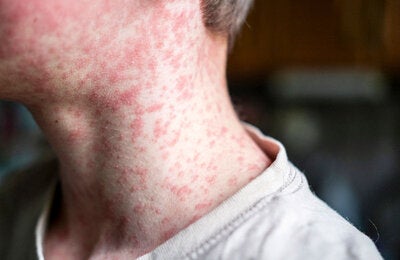
Measles is one of the world's most contagious diseases. It spreads through the air when an infected person breathes, coughs or sneezes. The disease can cause fever, cough, runny nose, conjunctivitis and rash, and may lead to serious complications including pneumonia, encephalitis, blindness and death. Vaccination remains the most effective way to prevent infection and stop transmission.
According to PAHO's epidemiological alert, Guatemala has reported 30,371 confirmed cases and 26 deaths, the largest number of cases reported in the Region this year. It is followed by Mexico with 12,255 cases and 17 deaths, the United States with 2,260 cases, Peru with 1,277 cases, and Canada with 1,107 cases.
The number of confirmed cases reported in 2026 is the highest recorded in the Americas since 2004, the highest level observed in the Region in the past 22 years.
The regional situation reflects a broader global resurgence of the disease. According to World Health Organization (WHO) data, 186,168 measles cases had been reported worldwide by July 2026, representing a 12% increase compared with the same period in 2025.
PAHO warned that young children not yet eligible for their first vaccine dose, unvaccinated or under-vaccinated individuals, Indigenous communities, migrants, displaced populations, and other groups facing barriers to healthcare remain at increased risk of severe disease and death.
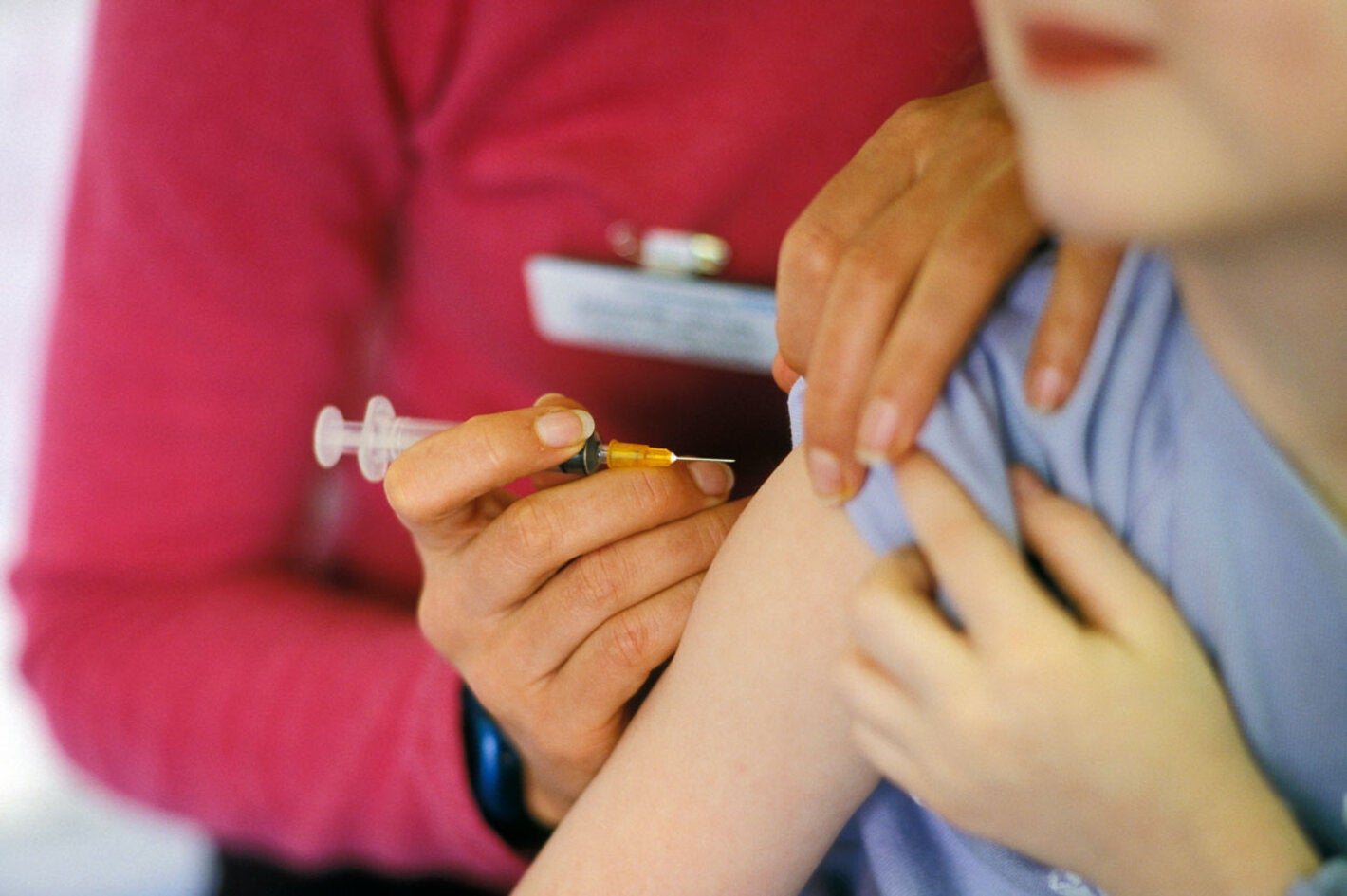
The Organization reiterated that achieving and maintaining at least 95% coverage with two doses of measles-containing vaccine is essential to interrupt transmission, protect vulnerable populations, and support efforts to restore the Region's measles elimination status.
PAHO continues to provide technical cooperation to countries to strengthen surveillance, accelerate vaccination efforts, improve outbreak preparedness and response, and reinforce risk communication, particularly in areas with ongoing transmission and significant immunity gaps.