
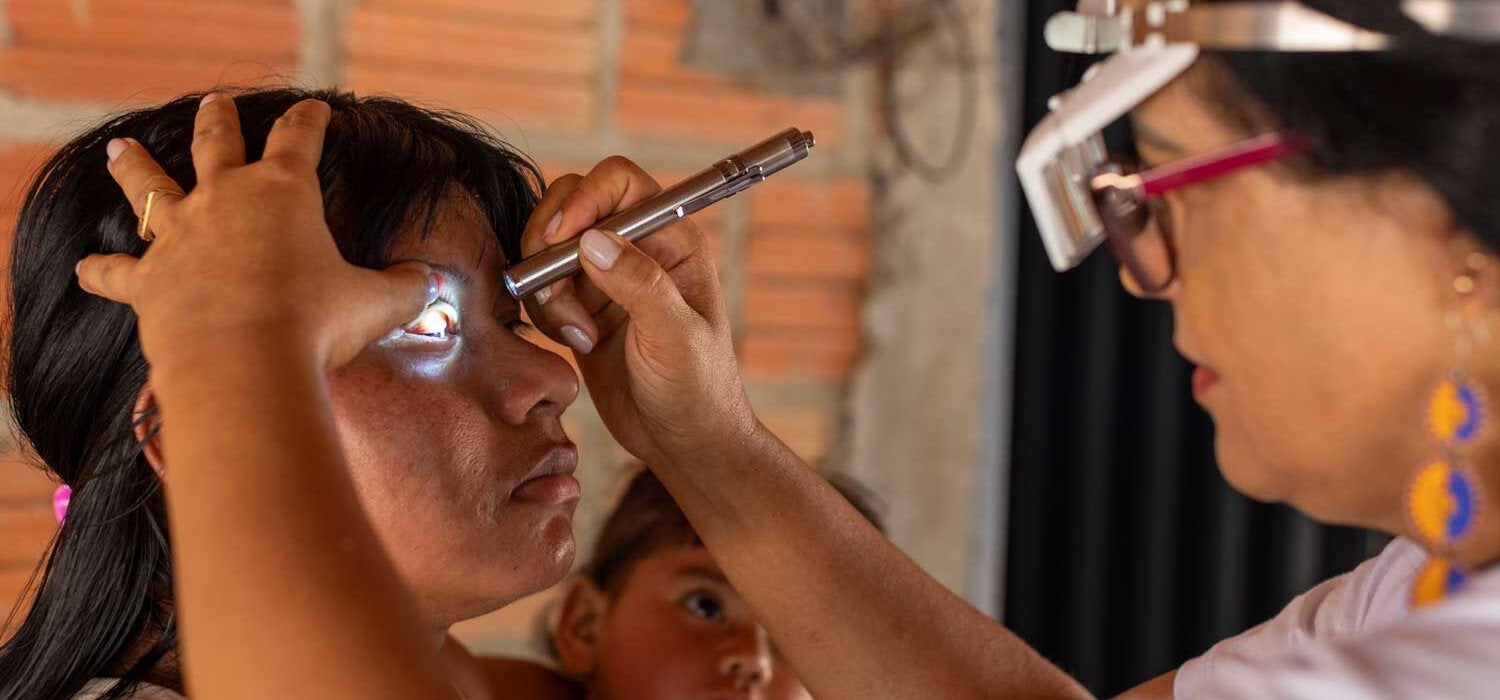
Brasília, September 9, 2025 (PAHO) — Brazil continues to make progress toward the elimination of trachoma, one of the leading infectious causes of blindness worldwide. As part of this process, between July and August, health teams conducted active case-finding in indigenous communities in the state of Tocantins, in the North region of Brazil. Pilot activities took place in the Funil village of the Xerente people, in the municipality of Tocantinópolis, as part of the project to eliminate trachoma as a public health problem in the Americas carried out by the Pan American Health Organization (PAHO) and the Government of Canada in 10 countries across the Region.
According to Daniela Vaz Ferreira Gómez, a technical consultant with the Brazilian Ministry of Health Secretariat for Health Surveillance, the experience involved communities that had been left out of previous nationwide surveys. "This unit of analysis [Tocantins] was initially excluded from the nationwide survey because it was a population that had already received mass treatment, so we would have had to adopt another methodology, but since more than two years have now passed since mass treatment was carried out, it was included in the proposal of this project."
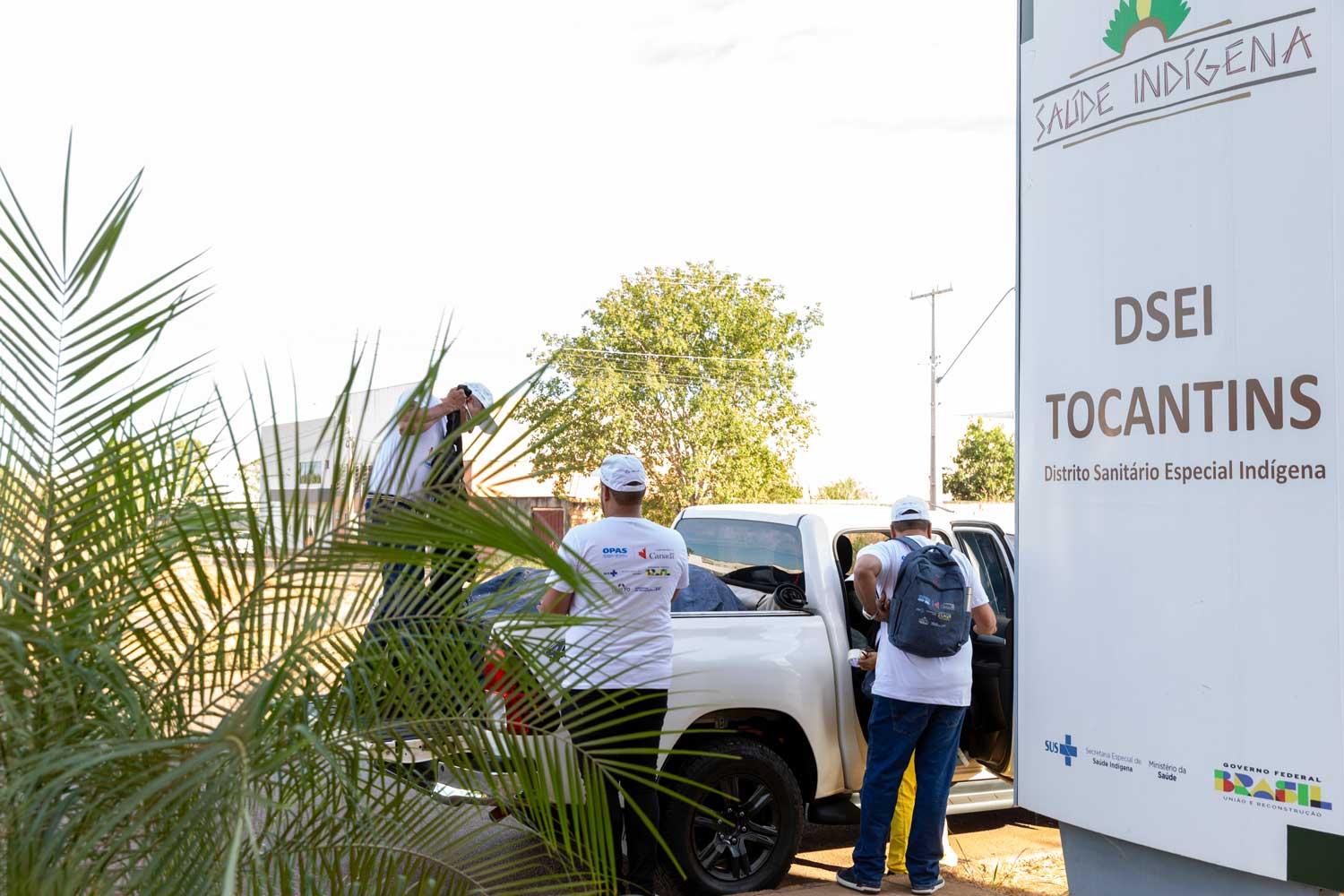
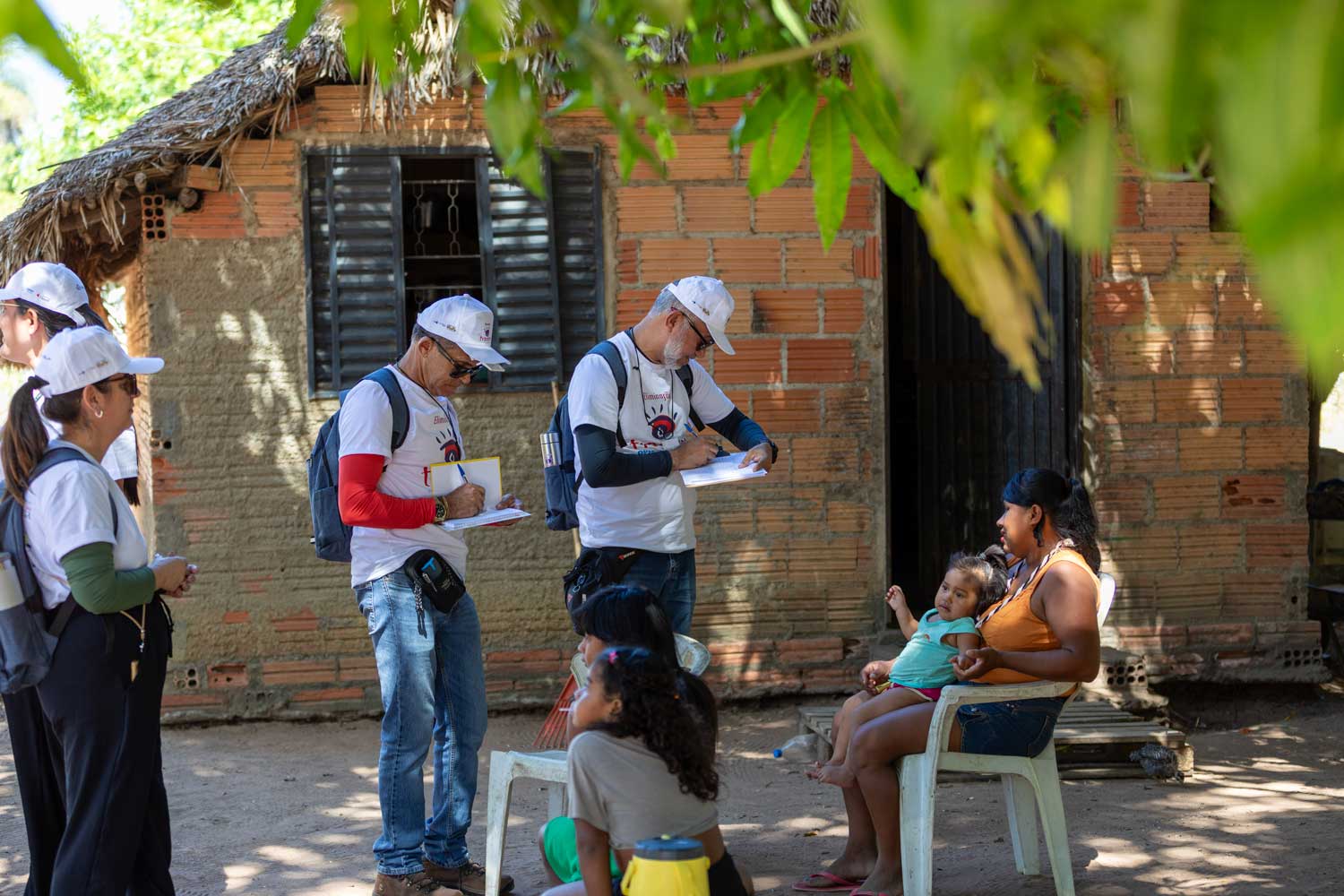
For the active case-finding activity, health teams were deployed in the field for about 20 days to examine, treat, and provide guidance the population. The pilot project in the Xerente community marked the beginning of the second phase of the project. "There was a first [phase]. Once we got those results, we found that some localities had a higher prevalence. Now, the activity has come back to expand that sample," explained nurse Leiderlan Dias Gama, the project’s focal point in the Special Indigenous Health District (DSEI) of Tocantins.
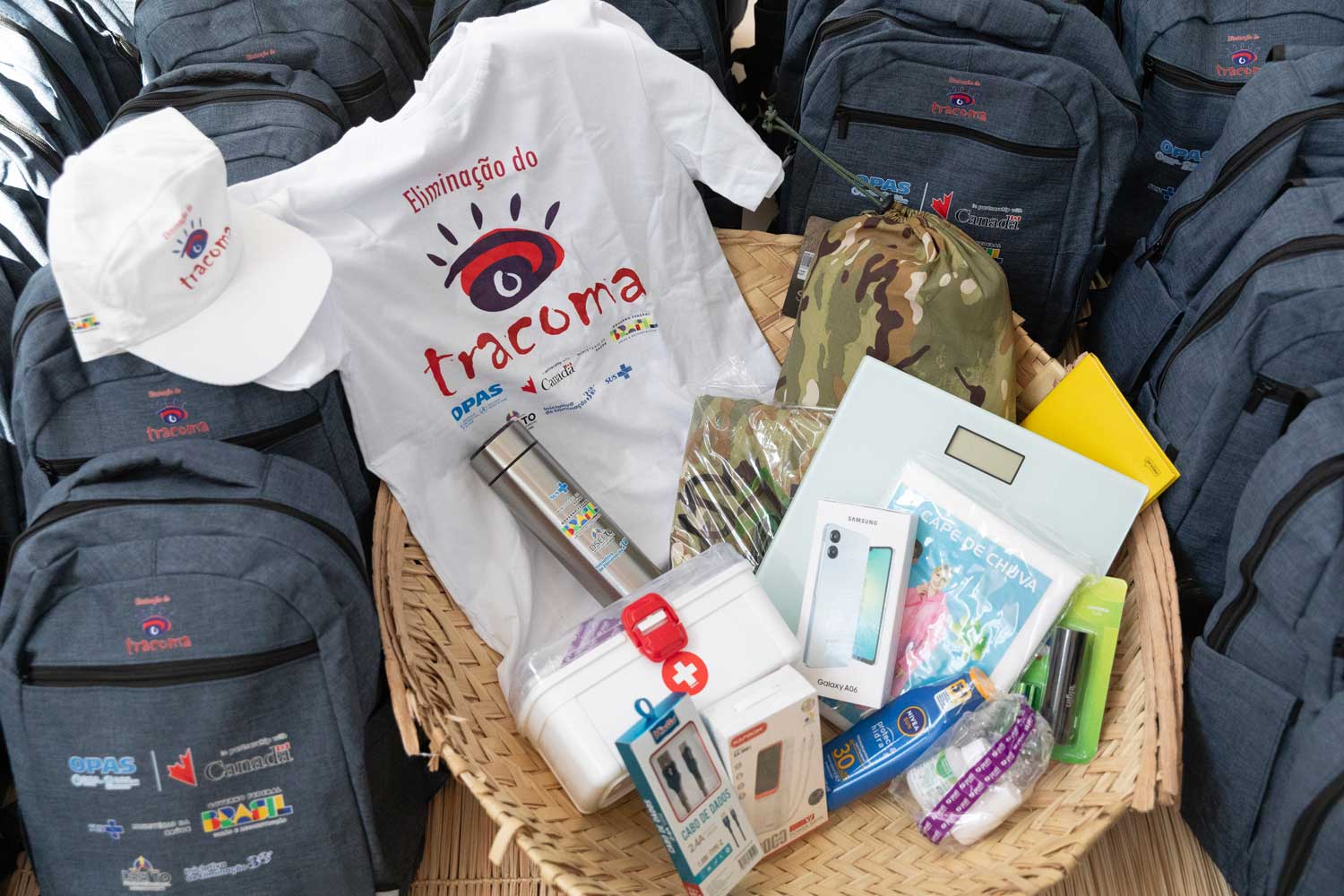
Field work was carried out by three teams, each composed of four members: a driver, an examiner, a scribe, and an Indigenous health agent. The team members received support kits containing basic field equipment, protective equipment, data recording supplies, and medication. Among the items were scales to weigh children and calculate the proper dose of azithromycin, a medication provided by the Ministry of Health within the framework of its Trachoma Program.
The examinations conducted during active case-finding allow identification both of the initial signs of trachoma and of more severe cases of the disease. Biologist Vanusa Alves, a technician with the Tocantins State Department of Health who joined the mission as an examiner, gave a detailed description of the assessment: "we perform an examination focused on the upper part of the eye to identify follicles, which characterize follicular trachoma. For trichiasis, we will also examine the eye itself, checking whether any eyelash is touching the cornea."
The community's perception also demonstrates the impact of the initiative. Chief Elson Xerente recalls that, years ago, before the first activities were carried out in the region, trachoma was practically unknown among its residents. "We in the community didn't know what trachoma was, nor what problem it caused here." It was only after they came to do their field work that we began to understand."
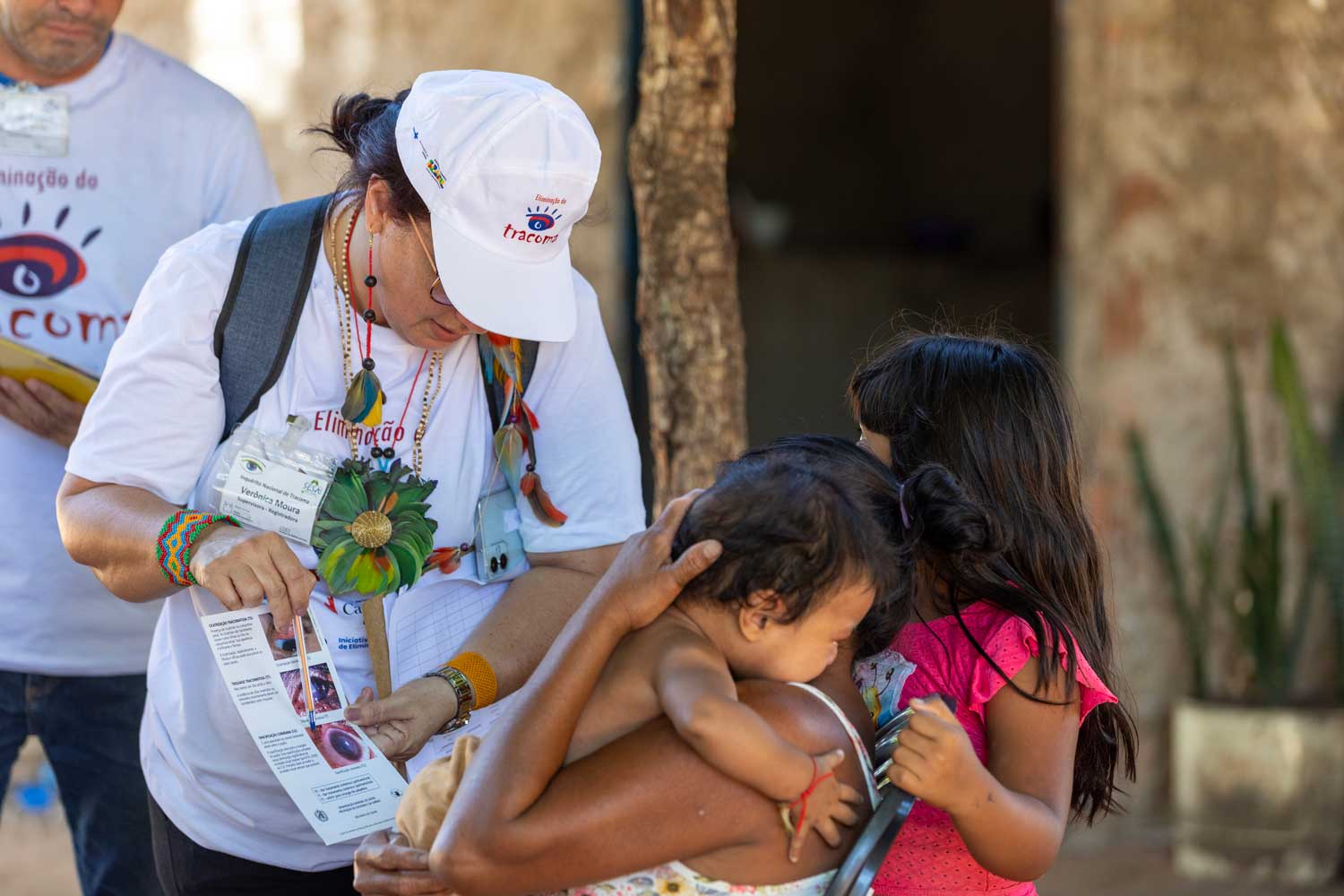
Trachoma is on the list of more than 30 communicable diseases and related conditions targeted by PAHO for elimination by 2030, as part of its Diseases Elimination Initiative. Sheila Rodovalho, PAHO/WHO Technical Officer for Malaria and Neglected Infectious Diseases, believes Brazil has great potential to achieve this goal. "In addition to PAHO’s Disease Elimination Initiative, the country has the Healthy Brazil Program, established by a presidential decree, which targets 14 diseases—including trachoma—for elimination by 2030."
The expert also notes that the project strengthens such national efforts. It "stands out for adopting an approach that goes beyond the elimination of trachoma, taking into account gender and interculturality."
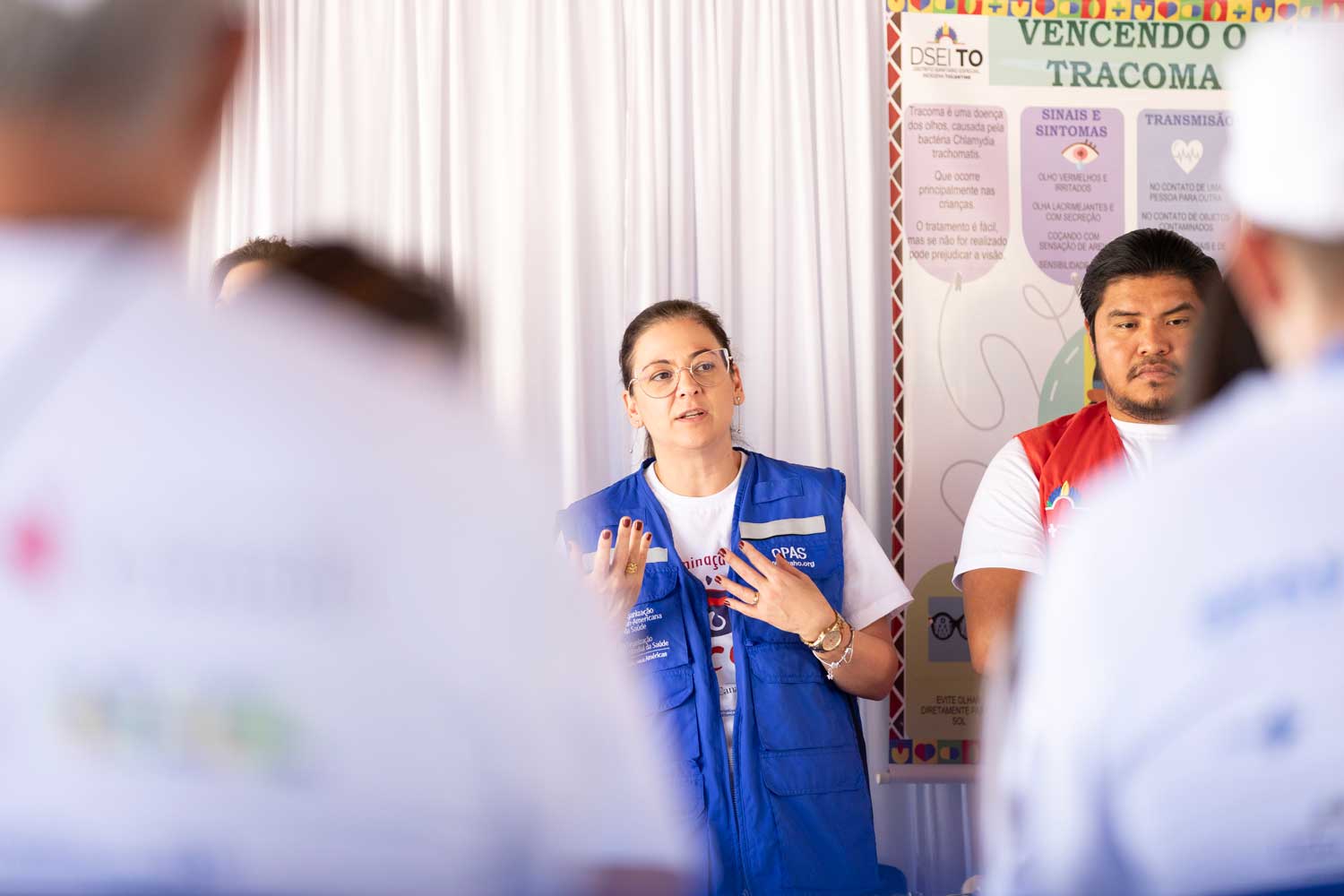
The alignment between local, national, and regional strategies was also highlighted by the Tocantins State Superintendent for Health Surveillance, Perciliana Joaquina Bezerra de Carvalho. "Our expectation is, really, that we can make an actual contribution to the elimination of trachoma not only in our territory, but in the country as a whole."
Trachoma is an eye infection transmitted by direct contact with the ocular and nasal secretions of infected individuals. It can lead to blindness if left untreated, and is considered a public health problem in 40 countries. In the Region of the Americas, it is endemic in rural and remote areas of Brazil, Colombia, Guatemala, and Peru, where about 5.6 million people are at risk; women and children are disproportionately affected.
Elimination actions follow the PAHO/WHO-endorsed SAFE strategy (Surgery, Antibiotics, Facial cleanliness, and Environmental improvement), which consists of surgery for trichiasis, antibiotic therapy (azithromycin) to treat Chlamydia trachomatis infection, promotion of facial hygiene, and improvement of environmental conditions to reduce person-to-person transmission.
Learn more: