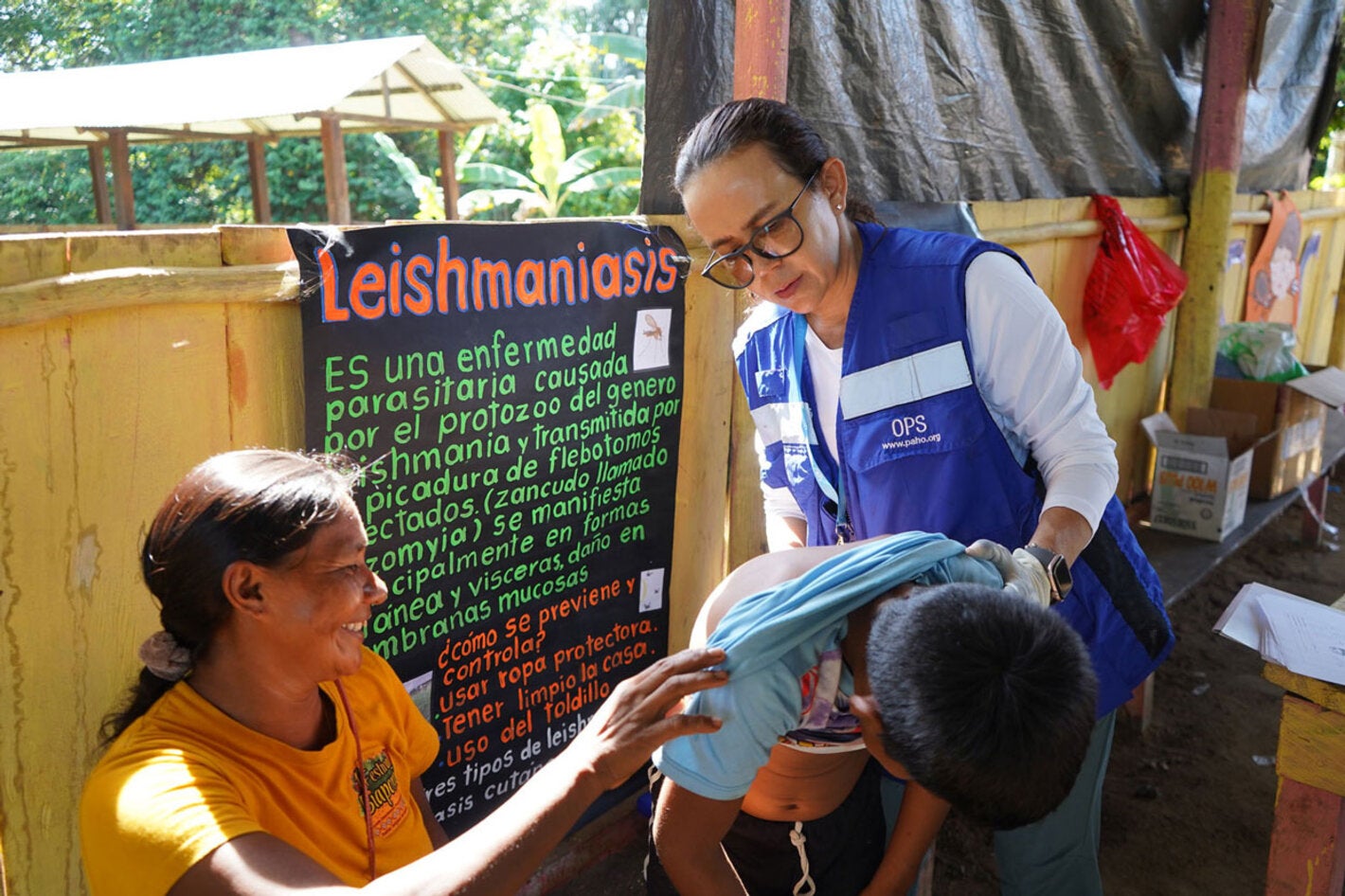
By combining river and air transport, health teams delivered eye care, disease screening and other essential health services to remote Indigenous communities in Colombia's Vaupés department through an integrated approach to care.
— July 2026 —

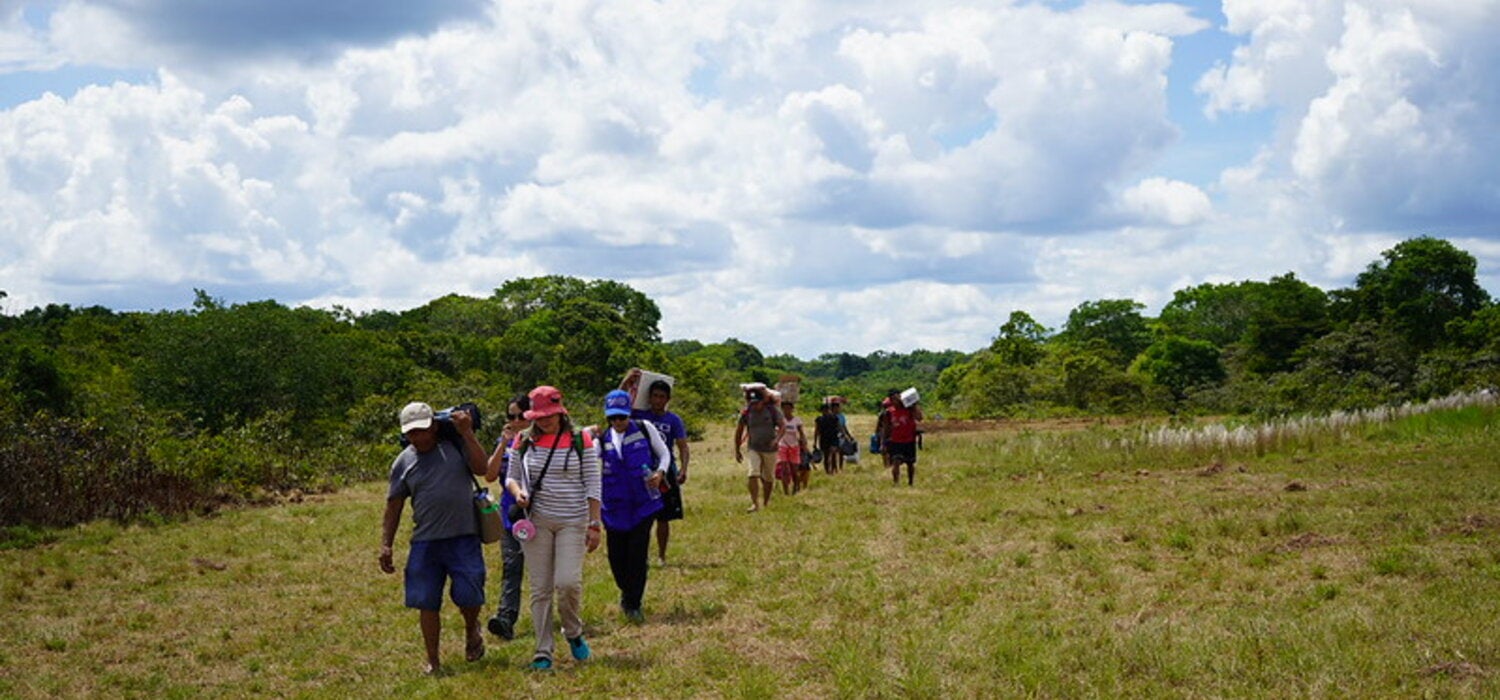
By combining river and air transport, health teams delivered eye care, disease screening and other essential health services to remote Indigenous communities in Colombia's Vaupés department through an integrated approach to care.
— July 2026 —
William spends much of his day fishing along the Yapú River. Over time, he began to notice that simple tasks—such as threading a fishing hook—were taking him longer and longer. Sometimes, he would spend hours trying.
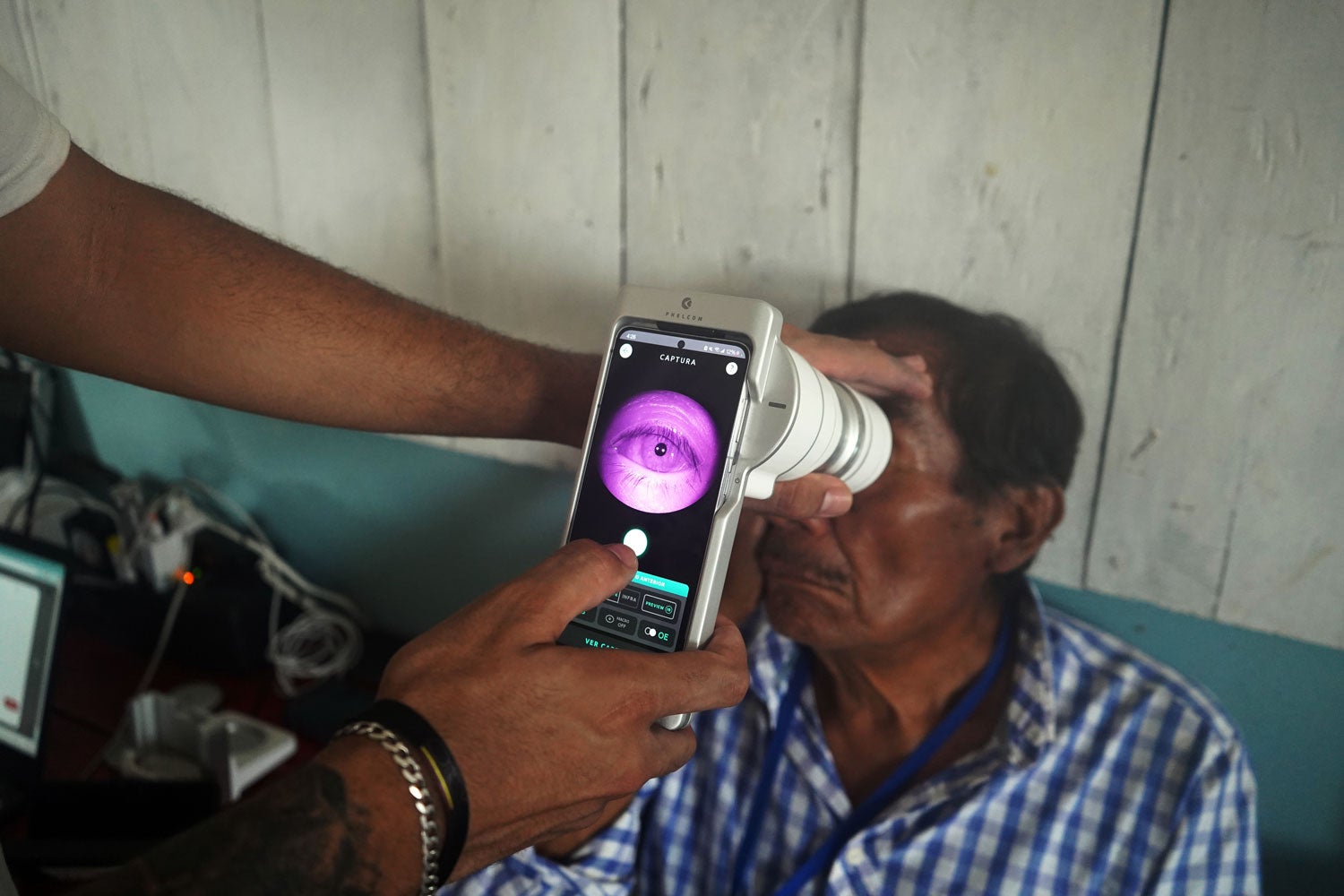
Under the Colombian Amazon sun, William squints as he looks at the small device a doctor is holding in front of him. Bright sunlight has always caused him discomfort, he says. “When the sun is very strong, my eyes start to close,” William explains.
Today, for the first time in his life, a specialist is assessing his vision.
To receive specialized care, people living in riverside communities normally need to travel long distances by boat and, in many cases, combine the journey with air transportation to reach Mitú, the capital of Vaupés in southeastern Colombia. The cost and complexity of the trip often lead people to delay seeking care—or never seek care at all.
This time, however, it was the health team that came to them.
Located along the banks of the Yapú River, the community received a visit from optometrists and ophthalmologists equipped with portable devices capable of assessing refractive errors, measuring eye pressure, and capturing retinal images within minutes. For many residents, it was the first eye examination of their lives.
William’s assessment was part of a health mission organized by the Pan American Health Organization (PAHO) in partnership with GoodVision, which facilitates access to eyeglasses; Aldeia em Foco, which works with Indigenous communities in the Amazon; and the Vaupés Departmental Health Secretariat.
The mission brought essential health services closer to Indigenous communities along the Yapú River and forms part of an integrated approach promoted by PAHO to address multiple health needs among people in situations of vulnerability.
Vaupés is home to approximately 27,000 people, nearly 95% of whom belong to Indigenous Peoples. Most residents live in remote rural communities where distance, high logistical costs, and limited health infrastructure make access to health services difficult.
Life here is closely linked to the forest and the rivers, which provide food and livelihoods. At the same time, this proximity also exposes communities to diseases transmitted by insects and parasites. Under these conditions, it is not uncommon for the same person to face malaria, neglected skin diseases, and vision problems simultaneously.
“People’s needs are not limited to a single disease. In these areas, different diseases and health needs overlap,” explains Dr. Sandra Talero, PAHO Technical Officer for Neglected Tropical Diseases. “That is why we cannot arrive with just one program or focus on a single disease. We need an approach that responds to people’s needs in an integrated way,” she adds.
In these riverside communities, where fish is one of the main sources of food, progressive vision loss has tangible consequences. Everyday activities such as threading a fishing hook can become difficult, affecting both independence and daily livelihoods.
For William, those challenges had become part of his routine. What seemed like a minor problem was increasingly affecting an activity essential to his everyday life.
Images captured during the examination are uploaded to a telemedicine platform, where specialists review them and, in some cases, use artificial intelligence tools to support their assessment.
“For someone like William, traveling to the city for an eye examination can be a costly and difficult process,” explains ophthalmologist Juan Manuel Rodríguez. “With these technologies, we can examine people right here and determine who needs to be referred and transported for specialized care.”
Following his assessment, William received eyeglasses to help correct his vision. The benefit is immediate and practical: he can once again carry out everyday tasks—such as preparing his fishing gear—without having to leave his territory to obtain specialized care.
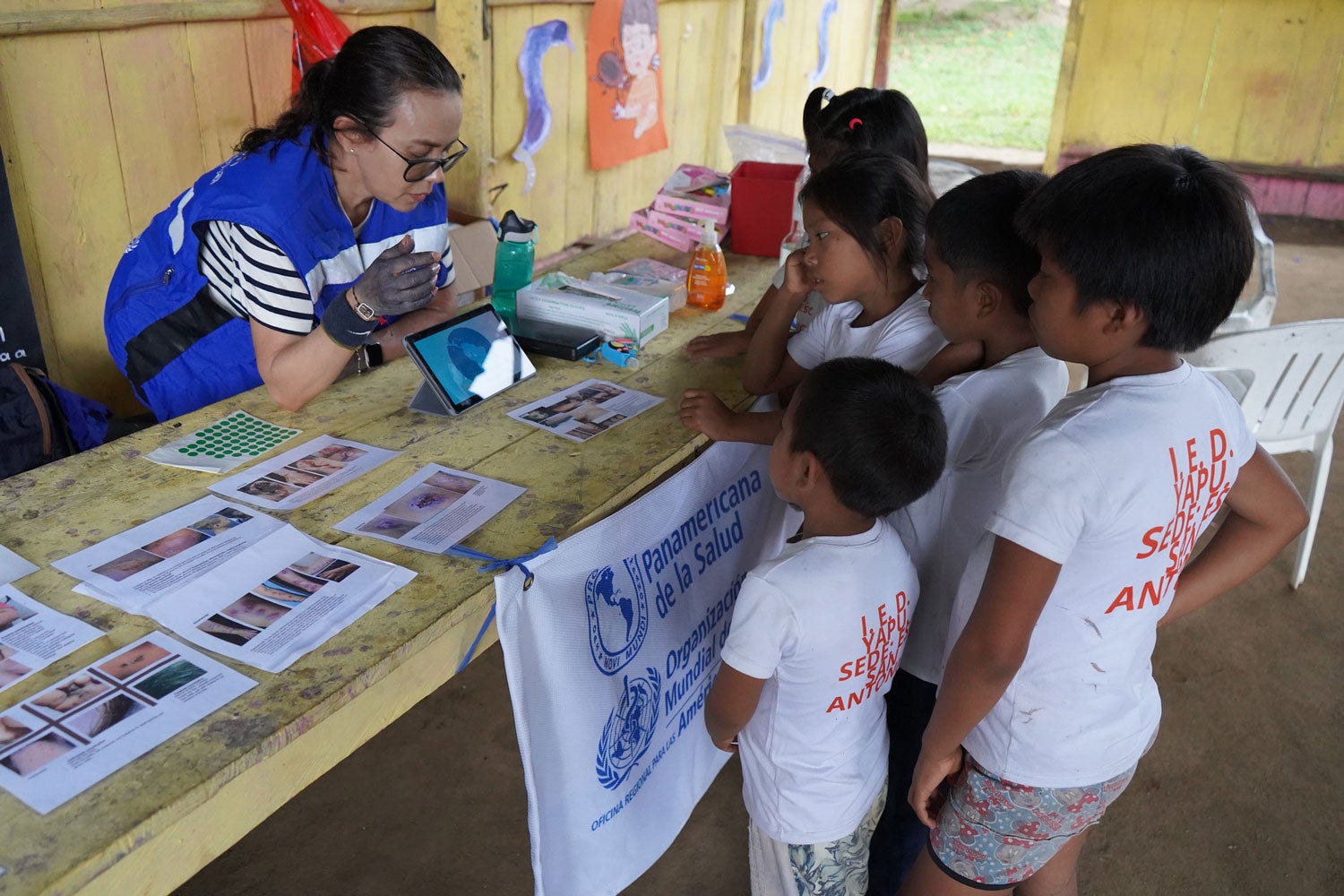
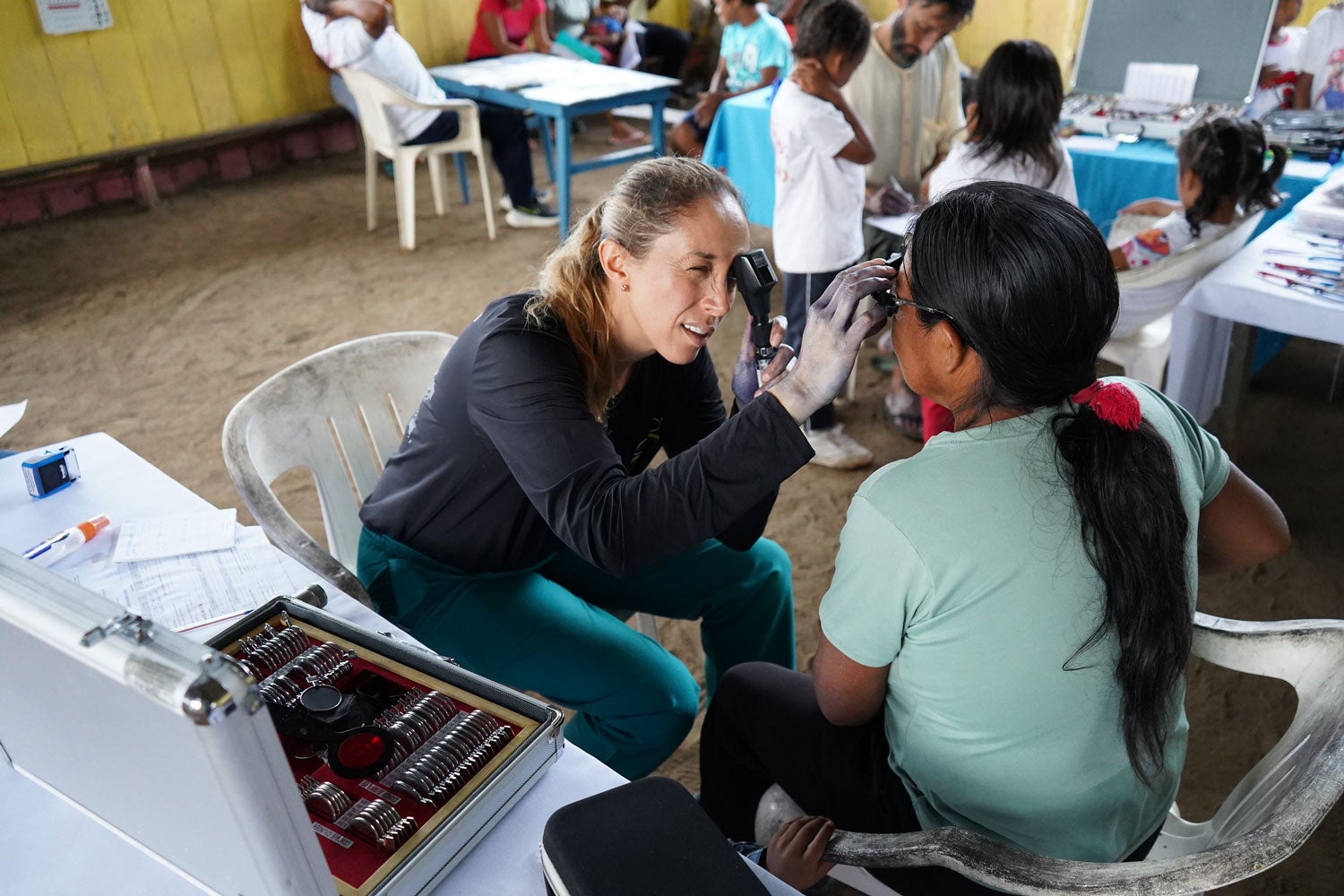
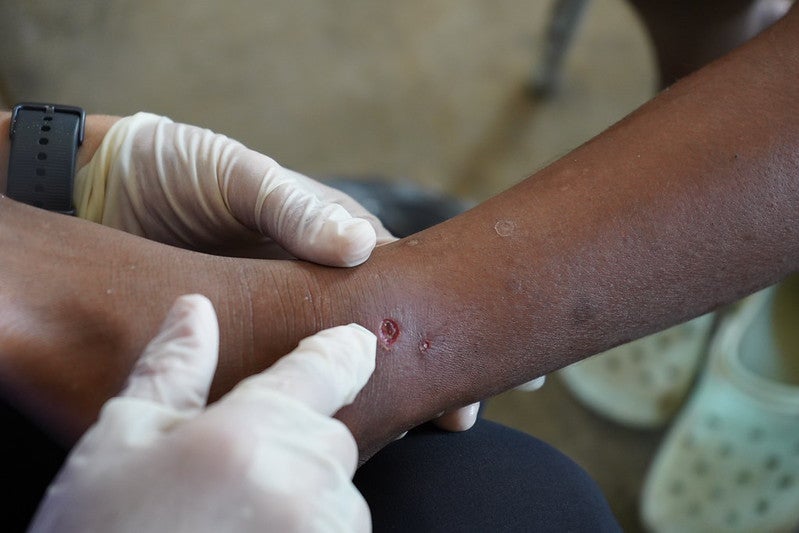
In each community, the mission set up temporary health stations to provide eye health assessments and screenings for cutaneous leishmaniasis and Chagas disease, two parasitic diseases that disproportionately affect rural communities with limited access to health services.
During the mission, 409 people received care. Health teams conducted 371 ophthalmological and optometric evaluations, and 169 people received eyeglasses donated by GoodVision to correct vision problems.
The teams also identified 24 suspected cases or scars of cutaneous leishmaniasis, a disease transmitted by sand flies, small insects commonly found in forested areas.
In addition, seven people tested positive on rapid tests for Chagas disease and were referred for diagnostic confirmation and clinical follow-up.
The mission also established three community malaria diagnostic points, strengthening disease surveillance and improving timely access to treatment.
The intervention in Vaupés is among the first large-scale initiatives to implement this type of integrated approach. Building on a previous experience in Leticia, southern Colombia, it served as an expanded pilot to test coordination among different health programs and the simultaneous delivery of multiple interventions in the field.
Lessons learned in logistics, institutional coordination, and community engagement are already informing new missions planned in Guyana, Panama, and Ecuador this year.
Trachoma, malaria, and Chagas disease are among the conditions included in PAHO’s Disease Elimination Initiative, which aims to eliminate more than 30 communicable diseases and related conditions by 2030.
For William, however, the impact is much more immediate.
Being able to see better means regaining small but essential parts of daily life that he had begun to think were lost.
The goal now is to ensure that this type of care does not depend solely on occasional missions. Health authorities and PAHO are working to consolidate this integrated model of care by strengthening primary health care and local capacities so that communities themselves can identify risks, know where to seek help, and activate a timely response.
As the boat departs and continues its journey along the Yapú River, it leaves behind more than a day of health services. It leaves behind improved access to diagnosis, eyeglasses, treatment and follow-up for a range of health conditions.
It also leaves behind a different way of responding to the needs of communities historically underserved by health services—one in which multiple interventions are delivered through a single visit, close to where people live.