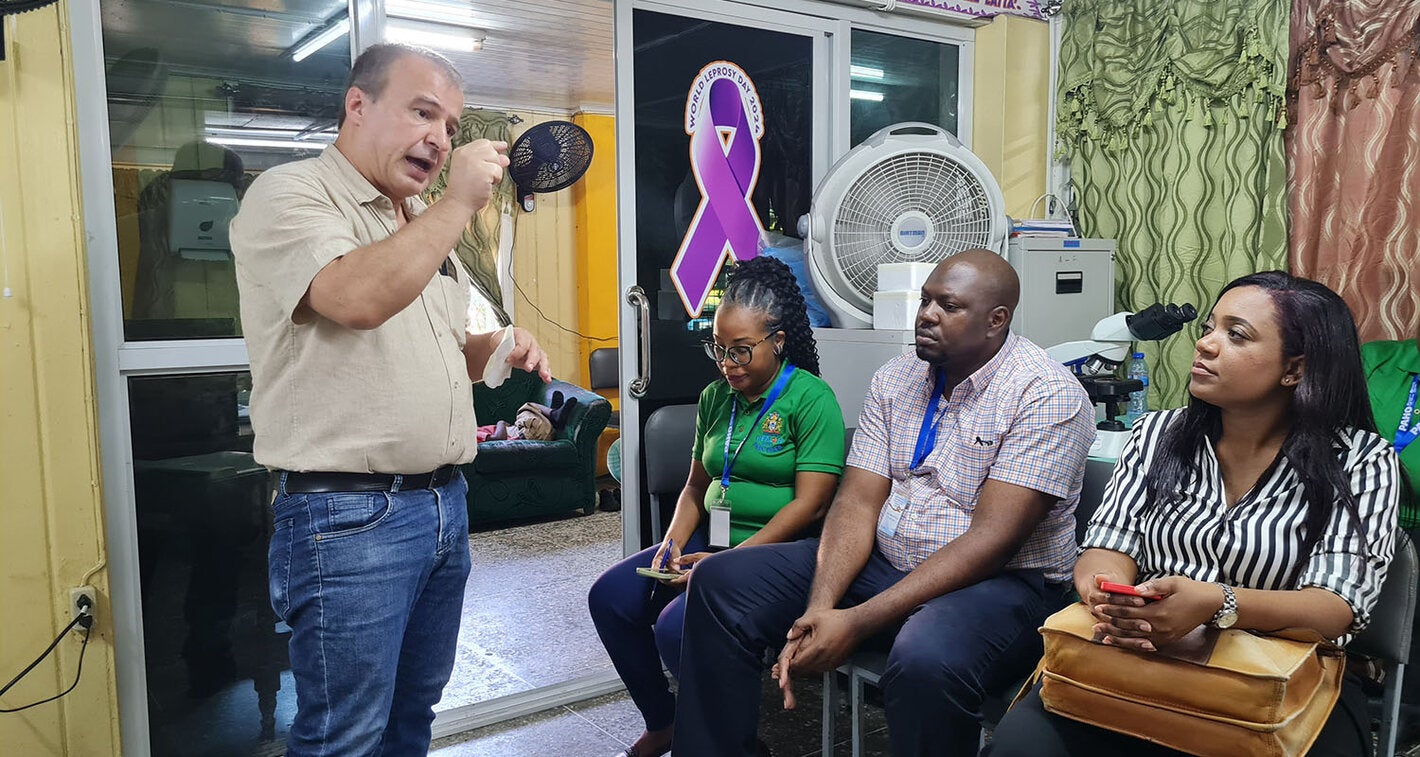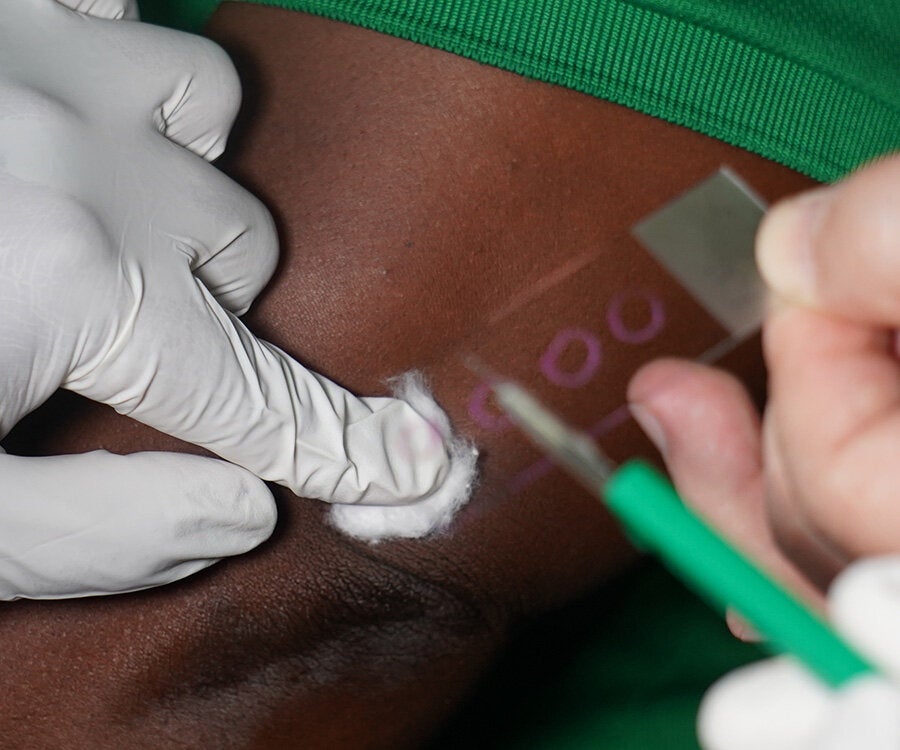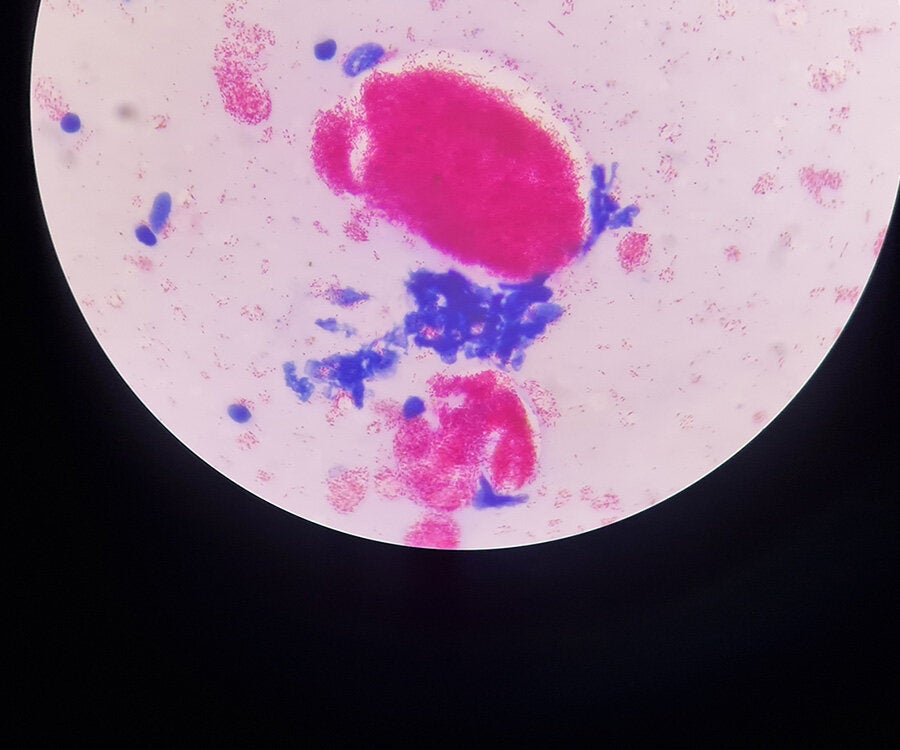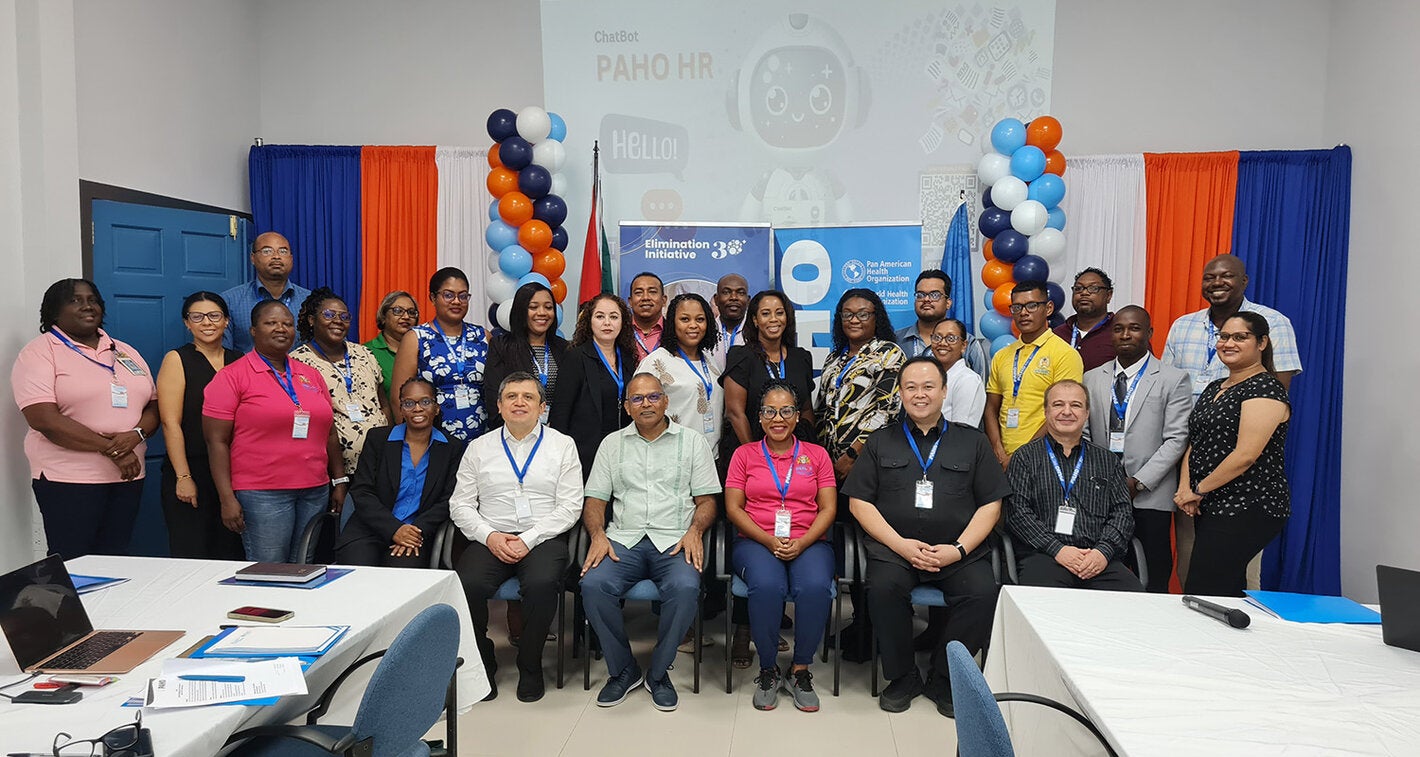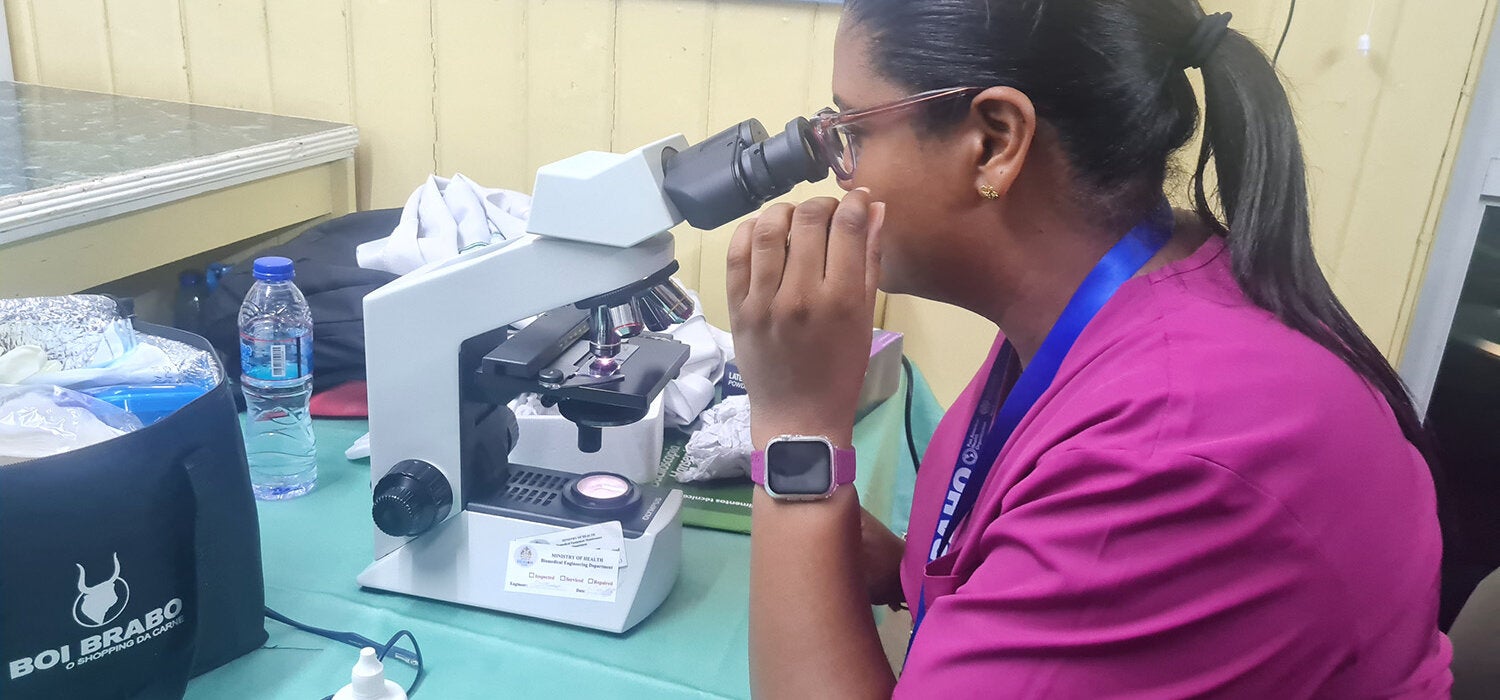
In Guyana, where fewer than 30 new leprosy cases are reported each year, consistent surveillance is telling a hopeful story: Even with low numbers of reported cases, the work is far from over.
— January 2026 —
Guyana has long shifted away from the days when people affected by leprosy were isolated in leprosariums. Today, Guyana is committed to early detection, surveillance, community outreach and actions that reduce disability and stigma. The detection of cases in pediatric populations indicates that transmission still occurs, and the identification of cases with disability highlights the need to continue strengthening case detection efforts.
To stay ahead, the Pan American Health Organization (PAHO) is supporting Member States in the Caribbean to strengthen their leprosy programs: early case detection, contact tracing, and the effort to reduce stigma.
Leprosy, also known as Hansen’s disease, is caused by the bacterium Mycobacterium leprae and is one of the world’s neglected tropical diseases (NTDs)—a group of preventable and treatable conditions that continue to affect millions of people, particularly those living in poverty and with limited access to health services.
One of humanity’s oldest diseases, leprosy remains deeply intertwined with stigma and social isolation. As the world commemorates World Leprosy Day on January 25, the global health community renews its commitment to ending leprosy through early diagnosis, timely treatment, and the protection of dignity and rights for all.