July 2025
Joaquina Portillo is an indigenous elderly resident from the rural community of Rio Verde, Department of Canindeyú, Northeast Paraguay. She recently attended an outpatient care day hosted in her community and was very pleased with the comprehensive care that she and her family received.
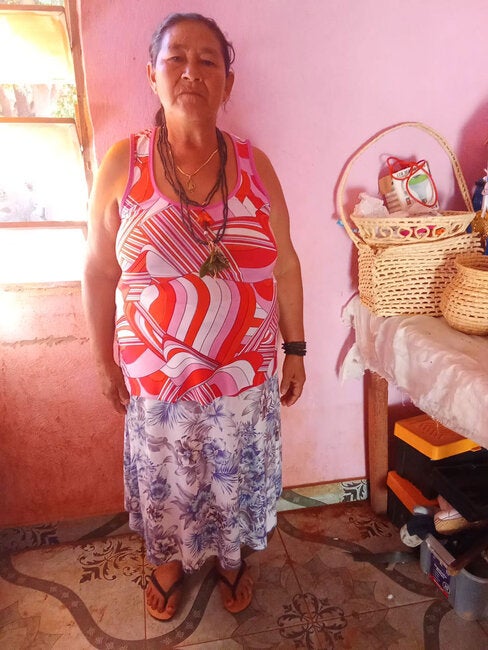
“I came with my whole family. We have several ailments, but the main one is the flu. We are very happy, they treated us all very well,” said Joaquina.
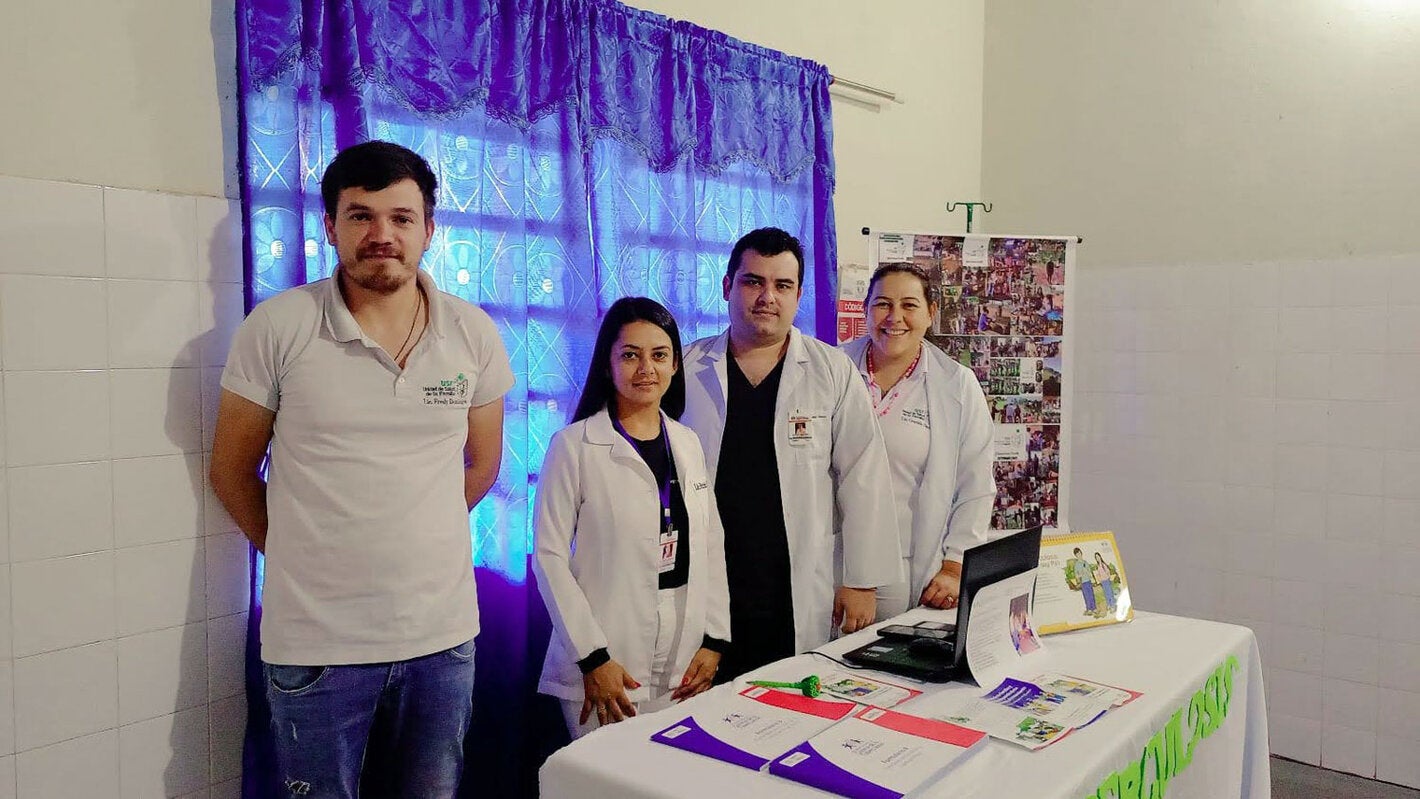
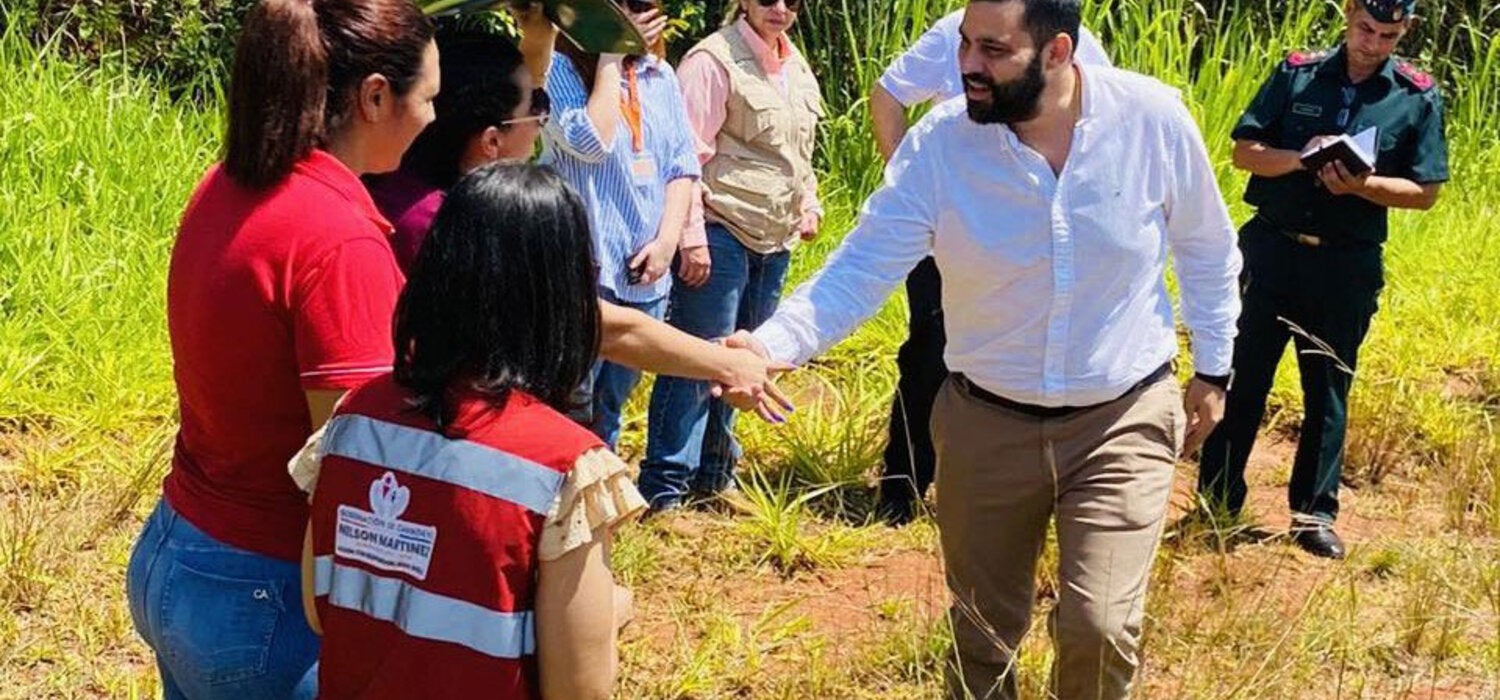
The outpatient care day, one of many held locally, promotes dialogue between health care providers and indigenous and rural communities about intercultural care and provides a range of health services through outreach activities. This activity was part of a broader project called Expanding Access to and Quality of Primary Health Care and Integrated Health Services in the XIV Health Region - Canindeyú, Paraguay, from 2023 - 2025.
Canindeyú is a historically marginalized department in Paraguay with a long history of insecurity, localized political problems, and limited presence of national authorities. With 133 indigenous communities, the Department of Canindeyú has second largest number of indigenous communities in the country.
The IV National Indigenous Census 2022 showed that about 88% of the indigenous population in Paraguay lives in rural areas, many of which are difficult to access. This in turn makes it difficult for health teams to reach them and provide timely care. Most homes have dirt floors and only 25% have running water. Although 77% of communities receive services from a Family Health Unit, effective use varies significantly. Communities in the Western region, for example, have greater coverage of indigenous health promoters than those in the Eastern region where Canindeyú is located. Home births are predominant, and care by indigenous midwives remains common. As a result, the country's indigenous population faces a significant prevalence of infectious and poverty-related diseases such as tuberculosis. At the same time, some studies show that the indigenous population faces a growing burden of chronic non-communicable diseases (NCDs), with high rates of high blood pressure, diabetes, and obesity.