Resources to manage false information about vaccines
Get your answers to the most common myths about immunizations and vaccines.
Myth: Vaccines cause autism.
Explanation
There are no detailed studies demonstrating a relationship between any vaccines and autism or autism spectrum disorders. This misinformation comes from a study that has already been conclusively disproven and removed from the journal in which it was published. Since then, hundreds of well-designed studies have confirmed that there is no risk of developing autism from vaccination.
Some people continue to spread this misinformation because it benefits them: they might be making money by selling or promoting products meant to “replace” vaccines or they might be looking to boost their engagement online. Other people feel they can’t trust the scientists, doctors, and authorities who all overwhelmingly agree that vaccines don’t cause autism.
Remember: There is no link between vaccines and autism!
Myth: Giving too many vaccines at once can overwhelm the immune system – it's better to space shots out.
Explanation
Receiving more than one vaccine at the same time has been shown to have no negative effect on your body’s defenses against infection. Consider how many pathogens (germs) we interact with daily – our immune systems are built to handle a lot!
Additionally, the vaccine schedule has been carefully planned by scientists and doctors to ensure that each person gets the maximum protection from vaccines before they’re most at risk for diseases.
For example, babies receive their first vaccine against tetanus, diphtheria, and pertussis right around the time the protection they get from their mothers’ antibodies before they’re born fades. Not following the recommended vaccine schedule can put children at risk for suffering from dangerous diseases. There are also many advantages to receiving several vaccines at the same time: fewer visits to the clinic; more opportunity to complete the recommended doses on time; and fewer injections when using combined vaccines, like MMR, which offers protection against mumps, measles and rubella.
You can speak to your health care provider about managing common mild side effects from vaccines, such as pain at the injection site.
Remember: Follow the recommended vaccine schedule to ensure you have maximum protection from deadly diseases!
Myth: “Natural” immunity is better than immunity from vaccines.
Explanation
Vaccines train our immune systems to fight disease without the potential harmful effects of the diseases themselves, including serious illness, hospitalization, long-term effects and death. Our immune systems produce antibodies against viruses or bacteria when they come into contact with these pathogens, whether this is “naturally” or after receiving a vaccine.
Vaccination carries a very minor risk, but contracting a vaccine-preventable disease is much riskier and can cause serious illness and death.
Additionally, allowing diseases to spread could cause millions of deaths and cause even more people to live with the long-lasting effects of these diseases.
Remember: Vaccines teach your body to fight disease without the serious risks that come with contracting a vaccine-preventable disease.
Myth: We don’t need vaccines because vaccine-preventable diseases are so rare.
Explanation
You should receive all recommended vaccines in your country. Thanks to vaccination, many diseases have become rare or have been eliminated in the Americas. However, the viruses and bacteria causing them continue to circulate in some parts of the world and do not respect borders. As a result, they can infect anyone who is not protected.
Remember: Vaccine-preventable diseases can be imported from other countries and can cause outbreaks among unvaccinated members of your community. Stay up to date with your vaccines to be protected.
Myth: I don’t need vaccines because I have a healthy diet/take vitamins/exercise.
Explanation
Vaccines are the most effective and lowest risk way to build immunity against vaccine-preventable diseases. Although a balanced diet and exercise are an important part of being healthy, they alone will not protect you from infection from diseases like polio, measles, and whooping cough.
Taking vitamins or supplements will also not prevent infection by vaccine-preventable diseases. If someone is telling you otherwise, stop to consider why they might be encouraging alternatives to vaccination: do they profit off the supplements or vitamins? Are they trying to increase their engagement online? Consult your health care provider or a trusted health authority if you have questions about your health.
Remember: There is no replacement for the protection given by vaccination!
Myth: Vaccines contain dangerous, toxic ingredients.
Explanation
While the ingredients in the labels of vaccines can look intimidating, (e.g. mercury, aluminum, and formaldehyde) they are usually found naturally in the body, the food we eat, and the environment around us - for example, in tuna. The amounts in vaccines are very small and will not poison or harm the body.
Additionally, vaccines are tested and go through rigorous and lengthy scientific trials, as well as certification processes with WHO and national regulatory agencies to ensure that they are safe and effective.
Remember: Vaccines are rigorously tested to ensure they´re safe. They will not poison your body.
Myth: Vaccines remain in your body forever and cause harmful long-term effects.
Explanation
Our bodies process and clear vaccines in anywhere from a few hours to a few weeks after vaccination, depending on the vaccine. Some people might experience mild short-term side effects to vaccination, including pain at the injection site, low-grade fever, malaise, or rash. Although they may be uncomfortable for a short period of time, they are not serious and mean the immune system is practicing how it will fight the virus or bacteria if exposed.
Remember: There is a serious risk of long-term effects from vaccine-preventable diseases like measles and polio. Vaccines don’t stay in our bodies for a long time.
Myth: Vaccines aren’t necessary if you have clean water and wash your hands often.
Explanation
While better hygiene, hand washing and clean water help protect people from some infectious diseases, many others can spread through other means, such as through the air, regardless of how clean a person or their surroundings are. It is also impossible to keep your hands and surroundings completely germ-free!
If people are not vaccinated against diseases we have managed to control, such as polio and measles, these will quickly reappear.
Remember: Good hygiene and access to clean water will help you stay healthy, but they don’t replace vaccination, which protects us from diseases that can also spread in other ways.
Myth: Vaccine-preventable diseases are just an unfortunate part of life.
Explanation
Vaccine-preventable diseases such as measles, mumps and rubella are serious and can lead to severe complications in both children and adults, including pneumonia, inflammation of the brain, blindness, diarrhea, ear infections, congenital rubella syndrome (if a person becomes infected with rubella in early pregnancy), and death. All these diseases and suffering can be prevented with vaccination. Failure to vaccinate against these diseases leaves us unnecessarily vulnerable.
Remember: Choosing to skip vaccination in favor of getting a disease is always extremely risky and can even be deadly.
Myth: Vaccines contain microchips that can track people.
Explanation
Absolutely no vaccines – including the vaccines against COVID-19 – contain any microchips, including ones that would let governments or any other entities in power track people.
Remember: Vaccines are developed and used to keep people healthy, not to track them.
Myth: Pregnant people should never be vaccinated.
Explanation
Not only can pregnant people get vaccinated against several vaccine-preventable diseases, such as influenza, tetanus, pertussis, and hepatitis B, it is also extremely important that they do so to protect themselves and their babies from disease and complications.
Some vaccines, such as the MMR and chickenpox vaccine, should not be given to pregnant people, but could be given before or after pregnancy. Pregnant people are encouraged to ask their health care providers at their prenatal checkups about what vaccines they need and when.
Remember: Pregnant people should consult their healthcare providers about which vaccines they need when.
Myth: Teens who are vaccinated against HPV engage in more risky sexual behavior than peers who are not vaccinated.
Explanation
Multiple studies have shown that girls who are vaccinated against HPV are not more likely to engage in sexual activity at an earlier age.
Remember: HPV vaccination protects against cervical cancer and warts, but it does not make teens engage in risky behaviors.
Combating false information on vaccines
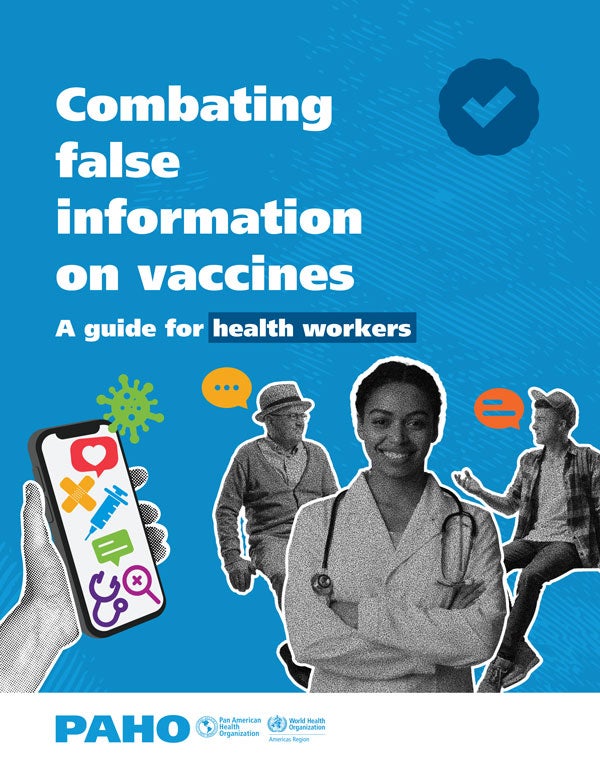
| The document "Combating False Information on Vaccines: A Guide for Health Workers" is designed to help health workers address vaccine misinformation. It begins by defining misinformation and explaining why it spreads rapidly, often due to its emotional appeal and simplistic explanations. The guide identifies common sources of vaccine misinformation, including influential individuals who profit from spreading false information. The document outlines strategies for combating misinformation, emphasizing the importance of health workers as trusted sources. It provides tips for identifying misinformation online, such as checking URLs, dates, and author credentials, and recognizing tactics like evoking strong emotions or pushing conspiracy theories. Two main approaches to fighting misinformation are discussed: prebunking and debunking. Prebunking involves warning individuals about potential misinformation before they encounter it, while debunking aims to correct false information after it has been consumed. The guide offers practical examples for both methods. Additionally, the document highlights the role of health workers in supporting peers and patients to trust immunization. It suggests being kind, nonjudgmental, and transparent when addressing concerns, and using motivational interviewing techniques to understand and respond to patients' doubts. Overall, the guide emphasizes the critical role of health workers in maintaining trust in vaccines and provides comprehensive strategies to identify, address, and prevent the spread of vaccine misinformation in clinical and community settings. The guide is a valuable resource for health workers to enhance their ability to combat vaccine misinformation, support informed decision-making, and promote trust in vaccines within their communities, and it addresses a pressing issue with practical solutions, supports trusted health workers, and ultimately aims to protect public health by promoting accurate information and trust in vaccines. |
| The document "Combating False Information on Vaccines: A Guide for EPI Managers" is designed to help Expanded Program on Immunization (EPI) managers address vaccine misinformation. It begins by defining misinformation and explaining why it spreads rapidly, often due to its emotional appeal and simplistic explanations. The guide identifies common sources of vaccine misinformation, including influential individuals who profit from spreading false information. The document outlines strategies for combating misinformation, emphasizing the importance of EPI managers as trusted sources. It provides tips for identifying misinformation online, such as checking URLs, dates, and author credentials, and recognizing tactics like evoking strong emotions or pushing conspiracy theories. Two main approaches to fighting misinformation are discussed: prebunking and debunking. Prebunking involves warning individuals about potential misinformation before they encounter it, while debunking aims to correct false information after it has been consumed. The guide offers practical examples for both methods. Additionally, the document highlights the role of EPI managers in supporting health workers to trust immunization. It suggests being kind, nonjudgmental, and transparent when addressing concerns, and using motivational interviewing techniques to understand and respond to health workers' doubts. The guide also emphasizes the importance of creating a supportive environment for health workers, promoting pro-vaccine norms, and providing continuing education on vaccines. Overall, the guide aims to help EPI managers maintain trust in vaccines and provides comprehensive strategies to identify, address, and prevent the spread of vaccine misinformation in clinical and community settings. This document is necessary to equip EPI managers with the knowledge and tools to combat vaccine misinformation, support their teams, and promote trust in vaccines, ultimately protecting public health. |
| False information about vaccines and vaccination – whether it is spread intentionally (known as disinformation) or not (known as misinformation) – poses a serious threat to public health in the Americas. Multiple studies have shown that exposure to vaccine-related misinformation can shake population trust in the Expanded Program on Immunization (EPI) and negatively impact individuals’ attitudes and intentions toward vaccination, even among individuals who have previously been vaccinated. Unsurprisingly, misinformation that implies vaccination causes harm and that sounds scientifically credible has shown to be more likely to deter individuals from intending to get vaccinated. Fighting back against science deniers and their misinformation is a critical part of maintaining trust in immunization and protecting populations from a variety of vaccine-preventable diseases (VPDs). Critical in this fight are understanding how and why misinformation spreads; which approaches can be employed to combat it, both before and after people have been exposed; and rebuilding trust in immunization after it has been shaken. Ministry of Health risk communication and community engagement (RCCE) teams face a daunting task in staying abreast of misinformation, so they are able to monitor it and take decisive action to combat it when needed. By collaborating at the national, district, and local levels with a variety of partners – including health workers (HW), who have been repeatedly shown to be the most trusted source of information on vaccines and vaccination – RCCE teams can use several different approaches to equip their audiences with the tools and knowledge to resist misinformation. |
| The document "Combating False Information on Vaccines: A Guide for Educators" aims to help educators address vaccine misinformation. It begins by defining misinformation and explaining why it spreads rapidly, often due to its emotional appeal and simplistic explanations. The guide identifies common sources of vaccine misinformation, including influential individuals who profit from spreading false information. The document outlines strategies for combating misinformation, emphasizing the importance of educators as trusted sources. It provides tips for identifying misinformation online, such as checking URLs, dates, and author credentials, and recognizing tactics like evoking strong emotions or pushing conspiracy theories. Two main approaches to fighting misinformation are discussed: prebunking and debunking. Prebunking involves warning individuals about potential misinformation before they encounter it, while debunking aims to correct false information after it has been consumed. The guide offers practical examples for both methods. Additionally, the document highlights the role of educators in supporting students and their families to trust immunization. It suggests being kind, nonjudgmental, and transparent when addressing concerns, and using motivational interviewing techniques to understand and respond to students' doubts. The guide also includes lesson plan ideas and video discussion questions to help educators integrate these strategies into their classrooms. Overall, the guide emphasizes the critical role of educators in maintaining trust in vaccines and provides comprehensive strategies to identify, address, and prevent the spread of vaccine misinformation in educational settings. It provides educators with the knowledge and tools to identify and combat vaccine misinformation effectively. This is crucial as educators are trusted sources of information and can influence students and their families positively. |
| Journalists play a critical role in keeping the public up to date on information they need to be healthy, including staying current on their vaccines. Along with health workers, the media is one of the most trusted sources the public have for scientific information; journalists help shape perceptions, attitudes, and even behaviors. This document aims to support journalists, regardless of their medium, to accurately cover stories related to vaccines and vaccination. Journalists play a critical role in keeping the public up to date on information they need to be healthy, including staying current on their vaccines. Along with health workers, the media is one of the most trusted sources the public have for scientific information; journalists help shape perceptions, attitudes, and even behaviors. While misinformation about vaccination is as old as vaccines themselves, its more recent explosion, especially on social media, has caused concern for health professionals and scientists. Studies have demonstrated that even brief exposure to vaccine misinformation can negatively impact individuals’ attitudes and intentions toward vaccination, even among people who have previously been vaccinated. As vaccination coverage rates fall, populations are left exposed to deadly vaccine-preventable diseases (VPDs) like measles, pertussis (whooping cough), polio, tetanus, and others. Keeping people healthy and protected from VPDs requires collaboration across sectors, especially in the face of vaccine misinformation. For this reason, PAHO has created this document for media professionals covering vaccination, which covers bias and balance, norms and perceptions, and tips on other related topics, as well as additional resources for further information. |
| Have you seen or heard something about vaccines online that has made you do a double take? There is no shortage of vaccine misinformation out there, from wild conspiracy theories to small pieces of the truth that have been distorted or blown out of proportion. What is true though, is that the overwhelming majority of scientists and medical experts agree that vaccines are safe and effective, and that not being vaccinated puts you and your loved ones at risk of deadly diseases that could start to make an appearance again if not enough people are vaccinated. Because even a brief exposure to misinformation about vaccines can impact a person’s decision to get vaccinated, it is important that we all do our part to stop its spread. As a content creator on social media, you can learn tips and tricks on how to spot misinformation and share them with your followers. By doing so, you will be making the world a healthier and safer place – and who does not want that? |
Videos
Social media
Dra. Pau: All you need to know about vaccines (in Spanish)