• measles vaccination

Measles

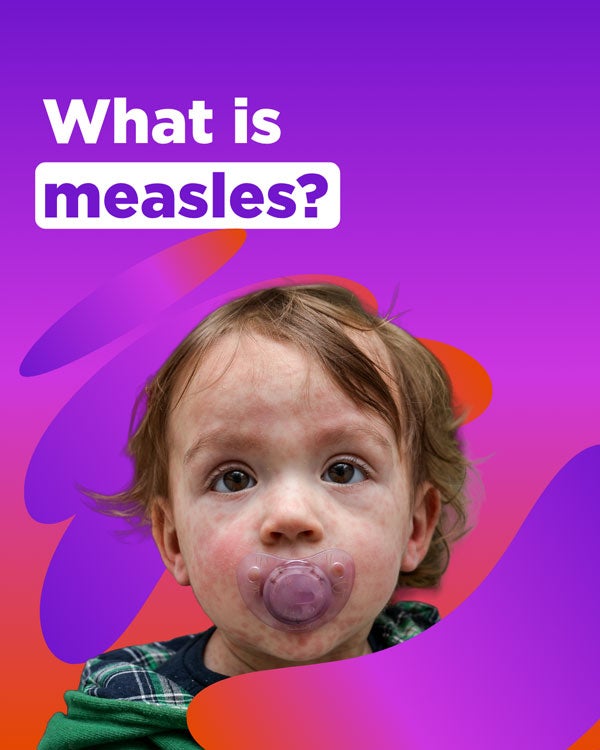
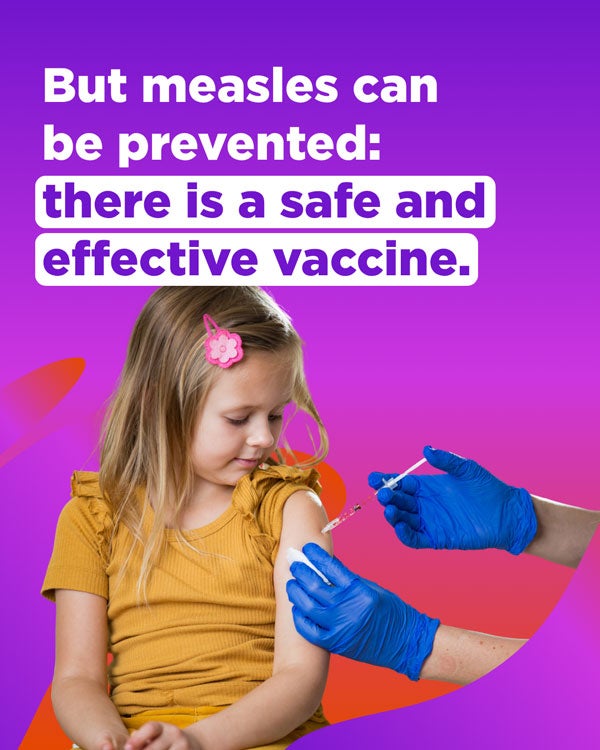
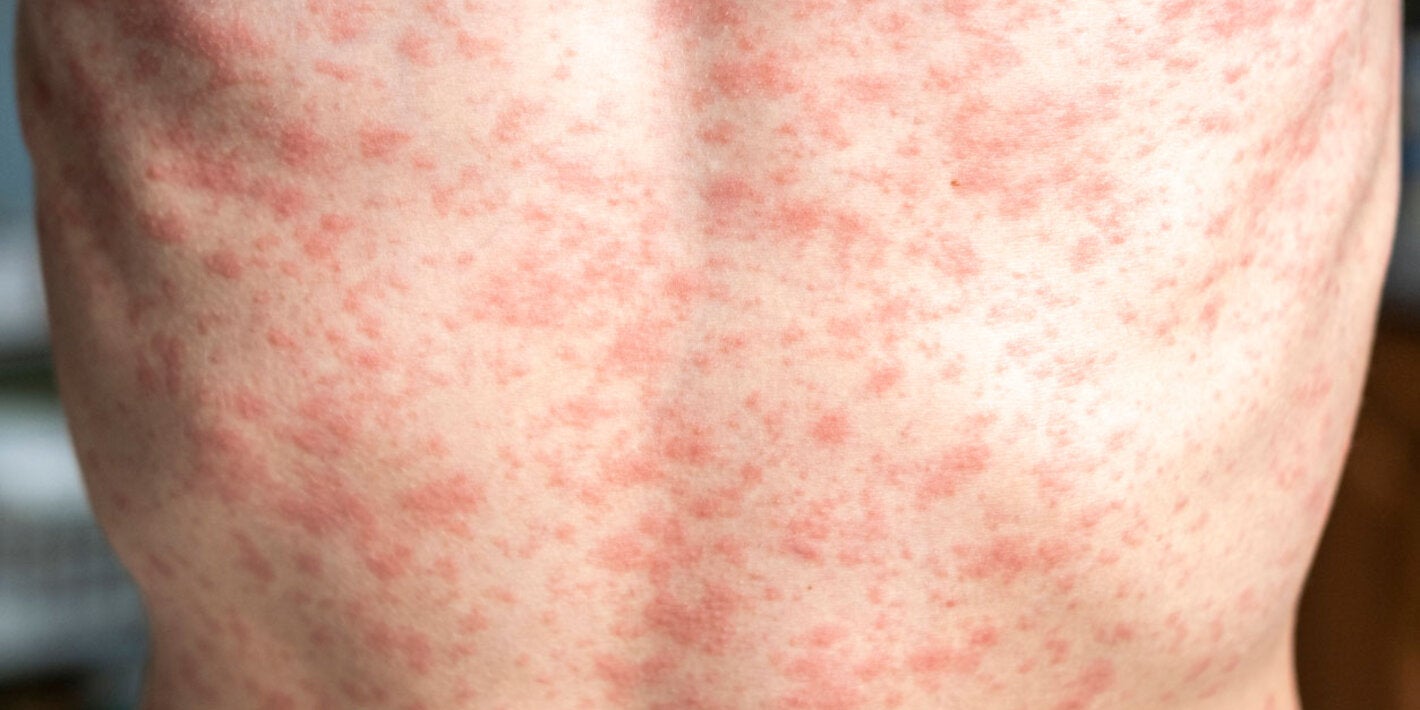
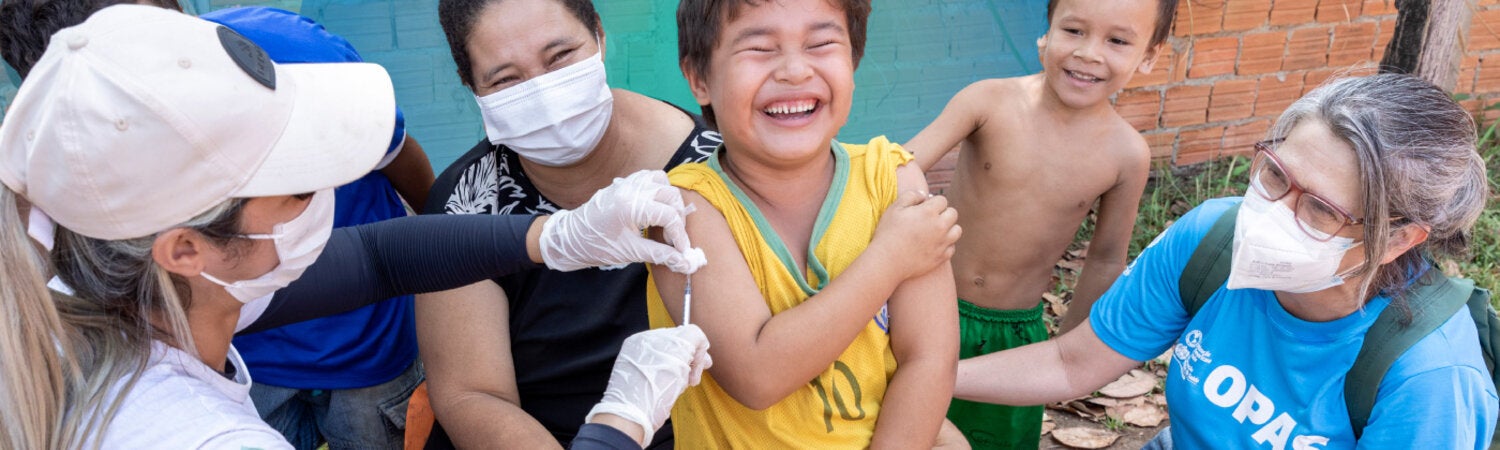
Measles is a highly contagious viral disease, which affects mostly children. It is transmitted via droplets from the nose, mouth, or throat of infected persons. Initial symptoms, which usually appear 10-12 days after infection, include high fever, runny nose, bloodshot eyes, and tiny white spots on the inside of the mouth. Several days later, a rash develops, starting on the face and upper neck and gradually spreading downwards. There is no specific treatment for measles and most people recover within 2-3 weeks. However, particularly in malnourished children and people with reduced immunity, measles can cause serious complications, including blindness, encephalitis, severe diarrhea, ear infection, and pneumonia. Measles can be prevented by immunization.

urgency icon
465 confirmed cases of measles in 2024 and 12,318 cases by the end of October 2025 in the Americas
measles icon
Between 2000 and 2023, the measles vaccine alone prevented 6.2 millions deaths in the Americas, and 93.7 million worldwide since 1974
measles vaccine best investment
Measles immunization in 94 low and middle income countries yielded a return of US$ 76.5 for every US$ 1 invested in vaccination
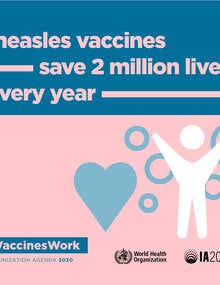
measles vaccine saves lives
Between 2000 and 2023, the global mortality rate declined by 83%, thanks in part to measles vaccination activities
measles vaccine on a shield
It is estimated that measles vaccines helped prevent 60 million deaths between 2000 and 2023 worldwide
WHO logo English

WHO position papers on Measles vaccine

View more

measles vaccine

Measles, Rubella and Congenital Rubella Syndrome (CRS) Country Profiles

View more

  • Measles is a very contagious viral disease that especially affects children and can cause severe health problems, including severe diarrhea, ear infections, blindness, pneumonia, and encephalitis (swelling of the brain). Some of these complications can lead to death.
  • At the global level, measles continues to be one of the leading causes of death among young children, despite the fact that there is a safe and effective vaccine to prevent it. There is no specific antiviral treatment against the measles virus.
  • Serious cases are especially frequent in malnourished young children, especially those whose immune systems are weakened. In populations with high levels of malnutrition and inadequate health care, measles can kill in up to 10% of cases.
  • Measles is transmitted by airborne droplets from the nose, mouth, or throat of an infected person. The virus can stay active and contagious in the air or on surfaces for two hours.
  • Symptoms tend to be high fever, runny nose, cough, red and watery eyes, small white spots on the inside of the cheeks, and widespread rash all over the body.
  • Before widespread vaccination began in 1980, measles caused 2.6 million deaths a year throughout the world, 12,000 of them in the Americas.
  • Between 1970 and 1979, Latin American countries reported about 220,000 cases of measles a year.
 

Meet the Measles and Rubella Elimination Regional Monitoring and Re-Verification Commission

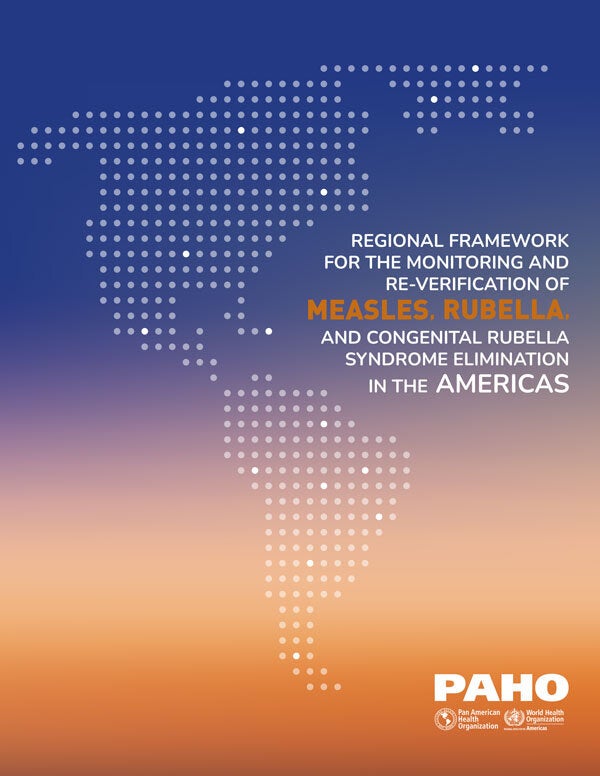
The Regional Verification Commission (RVC), an independent body of public health experts appointed by the Pan American Health Organization (PAHO), is responsible for monitoring the verification and re-verification of the elimination of measles, rubella, and congenital rubella syndrome (CRS) in countries across the Americas. Additionally, the RVC assesses PAHO’s Director regarding general and specific recommendations and status changes for any country or the entire region. Read more +


The first sign of measles is usually a high fever, which begins about 10 to 12 days after exposure to the virus, and lasts 4 to 7 days. A runny nose, a cough, red and watery eyes, and small white spots inside the cheeks can develop in the initial stage.

After several days, a rash erupts, usually on the face and upper neck. Over about 3 days, the rash spreads, eventually reaching the hands and feet. The rash lasts for 5 to 6 days, and then fades. On average, the rash occurs 14 days after exposure to the virus (within a range of 7 to 18 days).

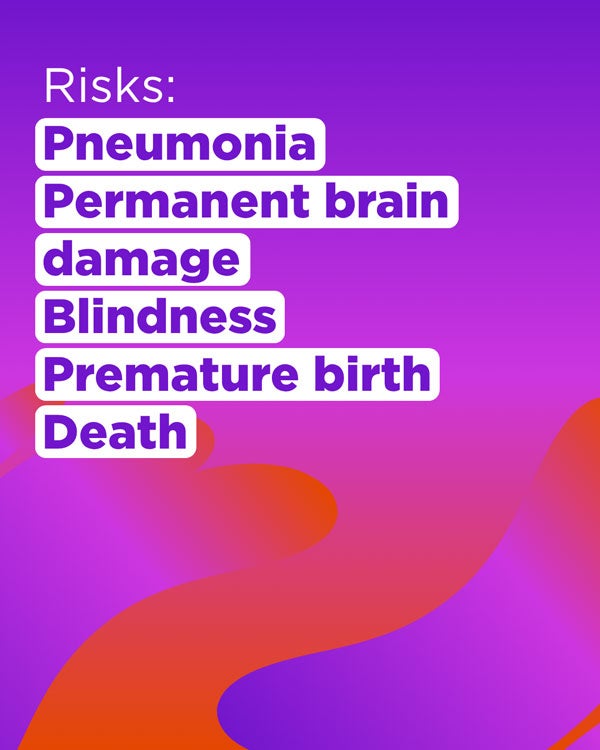
Most measles-related deaths are caused by complications associated with the disease. Serious complications are more common in children under the age of 5, or adults over the age of 30. The most serious complications include blindness, encephalitis (an infection that causes brain swelling), severe diarrhoea and related dehydration, ear infections, or severe respiratory infections such as pneumonia. Severe measles is more likely among poorly nourished young children, especially those with insufficient vitamin A, or whose immune systems have been weakened by HIV/AIDS or other diseases.

In populations with high levels of malnutrition, particularly vitamin A deficiency, and a lack of adequate health care, about 3-6%, of measles cases result in death, and in displaced groups, up to 30% of cases result in death. Women infected while pregnant are also at risk of severe complications and the pregnancy may end in miscarriage or preterm delivery. People who recover from measles are immune for the rest of their lives.

Unvaccinated young children are at highest risk of measles and its complications, including death. Unvaccinated pregnant women are also at risk. Any non-immune person (who has not been vaccinated or was vaccinated but did not develop immunity) can become infected.
Measles is still common in many developing countries - particularly in parts of Africa and Asia. The overwhelming majority (more than 95%) of measles deaths occur in countries with low per capita incomes and weak health infrastructures.
Measles outbreaks can be particularly deadly in countries experiencing or recovering from a natural disaster or conflict. Damage to health infrastructure and health services interrupts routine immunization, and overcrowding in residential camps greatly increases the risk of infection.

The highly contagious virus is spread by coughing and sneezing, close personal contact or direct contact with infected nasal or throat secretions.
The virus remains active and contagious in the air or on infected surfaces for up to 2 hours. It can be transmitted by an infected person from 4 days prior to the onset of the rash to 4 days after the rash erupts.
Measles outbreaks can result in epidemics that cause many deaths, especially among young, malnourished children. In countries where measles has been largely eliminated, cases imported from other countries remain an important source of infection.

No specific antiviral treatment exists for measles virus.
Severe complications from measles can be avoided through supportive care that ensures good nutrition, adequate fluid intake and treatment of dehydration with WHO-recommended oral rehydration solution. This solution replaces fluids and other essential elements that are lost through diarrhoea or vomiting. Antibiotics should be prescribed to treat eye and ear infections, and pneumonia.
All children diagnosed with measles should receive two doses of vitamin A supplements, given 24 hours apart. This treatment restores low vitamin A levels during measles that occur even in well-nourished children and can help prevent eye damage and blindness. Vitamin A supplements have been shown to reduce the number of deaths from measles by 50%.

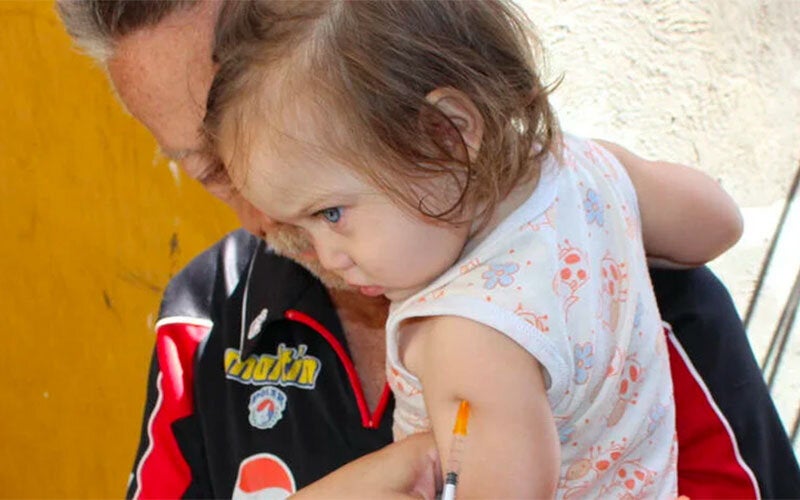
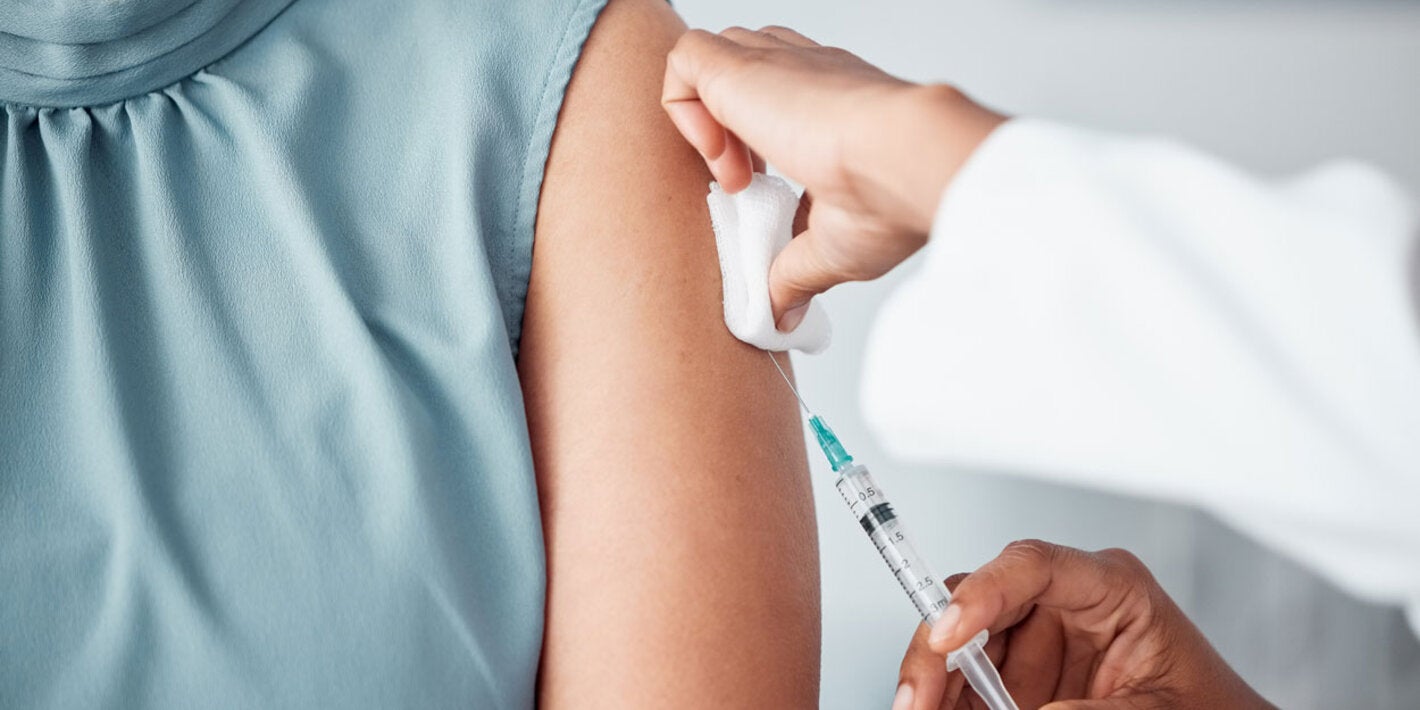
Routine measles vaccination for children, combined with mass immunization campaigns in countries with high case and death rates, are key public health strategies to reduce global measles deaths. The measles vaccine has been in use for over 50 years. It is safe, effective and inexpensive. It costs approximately $1 US dollar to immunize a child against measles.
The measles vaccine is often incorporated with rubella and/or mumps vaccines. It is equally effective in the single or combined form. Adding rubella to measles vaccine increases the cost only slightly, and allows for shared delivery and administration costs.
In 2016, about 85% of the world's children received 1 dose of measles vaccine by their first birthday through routine health services - up from 72% in 2000. Two doses of the vaccine are recommended to ensure immunity and prevent outbreaks, as about 15% of vaccinated children fail to develop immunity from the first dose.

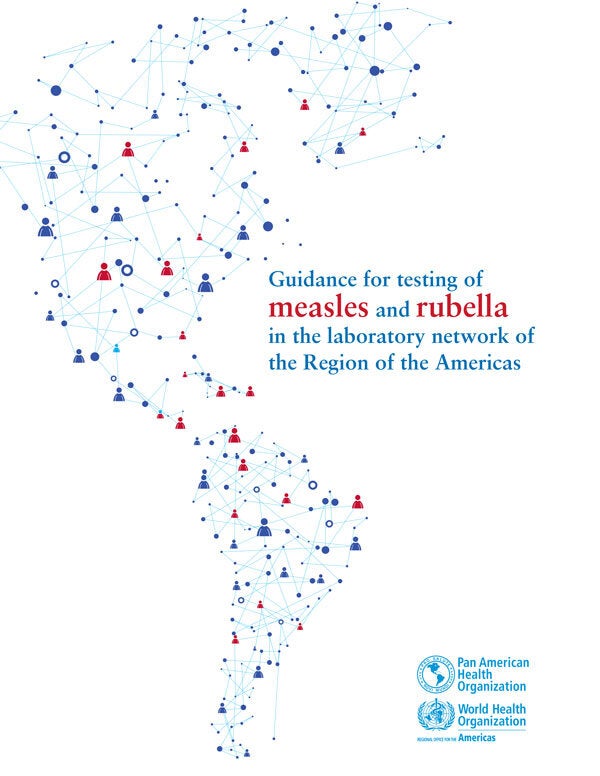
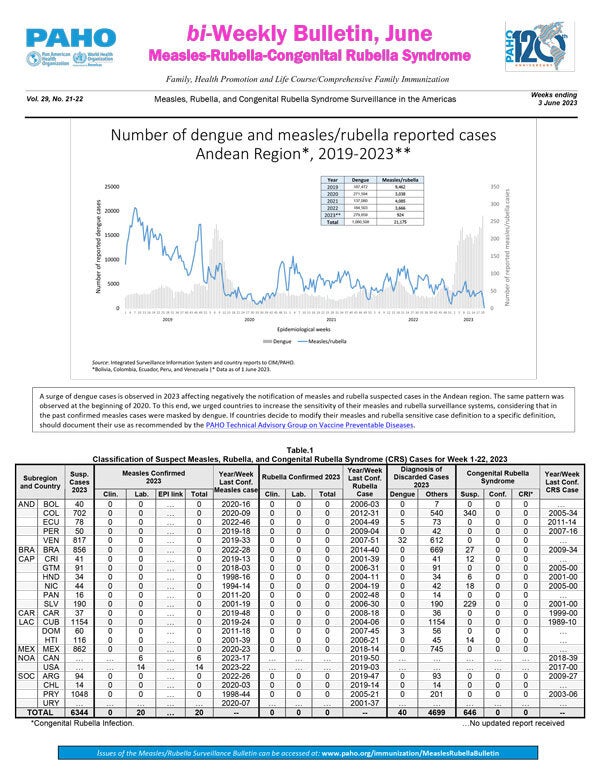
Measles surveillance is critical to measuring progress toward the goal of measles eradication in the Americas and to identifying problems. Activities necessary to develop priority, to improve the quality of measles surveillance throughout the Region include the following:

  • All suspected measles cases should be investigated within 48 hours of onset of the disease, and a serum sample should be collected from the patient upon first contact with the health service. This sample should be collected within 30 days of the appearance of the rash to be considered adequate;
  • To monitor progress toward measles eradication, all countries should provide weekly data to the regional measles eradication monitoring system (MEMS);
  • Each country should submit its monitoring system to objective and periodic evaluations using the standardized evaluation protocol developed by PAHO. Countries should work constantly to improve the quality of the notification system;
  • Virological surveillance and molecular epidemiology can provide important information to an eradication program. Appropriate clinical specimens for virus isolation should be obtained from each measles transmission chain, especially all sporadic cases and approximately 5 to 10 cases from each outbreak. Urine, which is the most practical specimen to collect for the isolation of measles virus, should be obtained
  • within 7 days following the appearance of the rash and sent to a reference laboratory capable of isolating the measles virus;
  • In all countries, measles and rubella surveillance should be integrated.

The measles eradication and rubella control/elimination programs should use the following standardized case definitions, revised from PAHO's Measles Eradication Field Guide, 1999; the WHO Recommended Surveillance Standards from the 2nd.; Ed., June 1999; and the latest Measles Elimination Field Guide, Second Edition, 2005.

  • Suspected measles case: any  patient  in  whom  a  health care provider suspects the possibility of measles.
  • Suspected rubella case: any  patient  in  whom  a  health care provider suspects the possibility of rubella. In suspected measles or rubella cases, a serum sample should be collected from the patient upon initial contact with the health provider.  This sample must be collected within 30 days of rash onset to be considered adequate.
  • Laboratory-confirmed case: a  suspected  measles  or rubella case that after complete investigation is:
  1. Confirmed as either measles or rubella using commercially  available  enzyme  immunoassays  (EIA)  for measles or for rubella IgM antibodies, and/or
  2. Confirmed  by  isolation  of  measles  or  rubella  virus and/or
  3. Epidemiologically  linked  to  another  laboratory-confirmed case (the epidemiological link is established if any contact between the suspected case and the laboratory-confirmed case has occurred anytime during the month prior to rash onset).
  • Clinically-confirmed case: a suspected measles or rubella case that is not completely investigated for any reason. This could include: patients that died before the investigation  was  complete,  patients  lost  to  follow-up,  or patients without adequate specimens submitted for laboratory analysis.
  • Discarded: a suspected measles or rubella case that has been  completely  investigated,  including  an  adequate blood specimen, which lacks serologic evidence of  infection, has no virus isolated, and does not have epidemiological link to a laboratory-confirmed case. If laboratory results  indicate  another  viral  infection  compatible  with the clinical symptoms,  such as dengue, the case should be discarded as well.
  • Imported Measles Case: a confirmed measles case in a person who traveled to another country with documented measles circulation during the possible exposure period (7-18 days prior to rash onset). The possibility of local exposure must be ruled out through careful investigation.

Testing of rubella and dengue suspected cases for measles:

Blood samples from all rubella suspected cases that are IgM negative for rubella should be tested for measles within 24 hours. Blood samples from at least 10% of the dengue suspected cases with rash that are IgM negative for dengue should be regularly tested for measles. In the case of laboratory-confirmed rubella or dengue outbreaks, the total number of samples that are negative for either rubella or dengue might be overwhelming. In such a case, the surveillance team, in conjunction with the laboratory, should decide which samples to test for measles.

Investigation and reporting:

  • The reporting system must cover health facilities, private practitioners, hospitals and laboratories and have at least one reporting source for every geopolitical unit;
  • Written material should be provided to all health personnel describing their responsibilities and how to report cases, collect samples and send them for laboratory confirmation;
  • Investigation of all suspected cases should take place within 48 hours of rash onset. It should include:
    • Filling the case report form,
    • Investigation of contacts of the suspected case to determine if other cases have occurred,
    • Taking blood samples and samples for viral isolation (usually urine) from all sporadic cases and from 5-10 cases from each outbreak.
  • Weekly reporting of data, even in the absence of cases, is critical;
  • Timely feedback to all participants of the surveillance system, keeping them informed of where and when cases are occurring, is essential;
  • The reporting system must be monitored monthly using the surveillance indicators;
  • Cooperation from the private medical community by reporting suspected cases to the system is essential for all surveillance efforts.

Case-based data (to be linked using the unique identifier to specimen-based data for analysis): (I) unique identifier; (II) geographical area (district and province); (III) name; (IV) date of birth; (V) date of rash onset; (VI) date of notification; (VII) date of case investigation; (VIII) date of specimen collection; (IX) date when specimens were sent to the laboratory; (X) number of doses of measles-containing vaccine received; (XI) date of last doses of measles-containing vaccine; (XII) if source of infection was identified; (XIII) results of serology; (XIV) results of viral isolation; (XV) final classification; (XVI) name of investigator. See attached Measles-Rubella case report form.

Specimen-based data (to be linked to case-based data for analysis): (I) unique identifier (MESS number when available); (II) specimen number; (III) date of rash onset; (IV) date of blood (or urine, or nasopharyngeal secretion) specimen collection; (V) date specimen sent to laboratory; (VI) date specimen received in laboratory (VII) results of serology; (VIII) results of viral isolation.

In 2012, the M&R Initiative launched a new Global Measles and Rubella Strategic Plan which covers the period 2012-2020. The Plan provides clear strategies for country immunization managers, working with domestic and international partners, to achieve the 2015 and 2020 measles and rubella control and elimination goals.

By the end of 2015 the plan aims:

  • to reduce global measles deaths by at least 95% compared with 2000 levels
  • to achieve regional measles and rubella/congenital rubella syndrome (CRS) elimination goals.

By the end of 2020 the plan aims:

  • to achieve measles and rubella elimination in at least 5 WHO regions.

Based on current trends of measles vaccination coverage and incidence and the report from the mid-term strategy review, the WHO Strategic Advisory Group of Experts on Immunization (SAGE) concluded that the 2015 global milestones and measles elimination goals were not achieved because immunization coverage gaps persist. SAGE recommends an increased focus on improving immunization and surveillance systems in general to ensure that the gains made thus far in measles control can be sustained.
WHO will continue to strengthen the global laboratory network to ensure timely diagnosis of measles and track international spread of the measles viruses to allow more coordinated approach in targeting vaccination activities and reduce measles deaths from this vaccine-preventable disease.

  • % of notification sites that report timely each week
  • % of suspected reported cases investigated within 48 hours following the onset of the rash
  • % of suspicious cases with full investigation form
  • % of suspected cases with blood sample obtained within 30 days of the onset of the rash (however, when outbreaks occur, cases epidemiologically linked to the laboratory-confirmed case are confirmed without the need for blood sampling)
  • % of suspected cases with blood sample obtained within 30 days of the onset of the rash (however, when outbreaks occur, cases epidemiologically linked to the laboratory-confirmed case are confirmed without the need for blood sampling)
  • Monitor the circulation of measles/rubella virus (in an eradication process, a case should be considered an outbreak);
  • Detect and investigate outbreaks to ensure appropriate case management and determine the reasons for their occurrence. The necessary steps should be taken to identify the sources of measles virus introduction, transmission models and specific risk factors for measles;
  • Monitor routine immunization coverage in all municipalities and focus efforts on high-risk municipalities (those where vaccination coverage is less than 95%) to plan screening operations and other immunization activities;
  • Identify when the next follow-up campaign should be conducted;
  • Monitor survaillance performance using standard indicators and strengthen monitoring in areas with poor performance;
  • Provide evidence to allow certification that a site is measles-free. 

Documents

Social media collection
measles vaccine saves lives
Download140.75 KB
measles vaccine saves lives
Download103.42 KB
measles vaccine saves lives
Download130.07 KB
measles vaccine saves lives
Download173.89 KB
measles vaccine saves lives
Download154.93 KB
measles vaccine saves lives
Download83.79 KB


Latest news

Documents

Communication Materials

Epidemiological Updates and Alerts

Mandates and Strategies

All

More information