Research is essential to advance health and reduce inequities. Health research is an essential public health function that enables the discovery of cures for diseases, as well as safe and effective diagnostic tests, vaccines, and public health interventions. Research is also necessary to understand the causes or determinants of health problems and the challenges faced when implementing proven interventions. The role of research in advancing health equity cannot be overstated. Populations in low-income settings and low- and middle-income countries experience distinct health problems and needs. Research is necessary to address those specific problems and needs, and thus effectively address pervasive inequities.
- Research for health is a strategic investment, not a cost. It improves health outcomes, drives innovation, and generates economic and social benefits.
- The COVID-19 pandemic demonstrated the critical value of research. Scientific and research capacity is essential for preparedness, response, and recovery in health emergencies.
- The Region of the Americas has made significant progress in research for health. However, major challenges remain in funding, institutional capacity, governance, and regional collaboration
- Scientific evidence must be translated into action. Research has the greatest impact when findings are integrated into health policies, programs, and practice.
- National research systems require continuous strengthening. Sustained investment, regional cooperation, and capacity building are essential to improve health outcomes.
- Ethics, transparency, and community engagement are fundamental to high-quality research. Public trust is critical for the success and legitimacy of research activities.
In 2009, the Pan American Health Organization (PAHO) adopted the Policy on Research for Health to guide the Organization’s technical cooperation concerning health research. The policy aims to promote the generation of relevant, ethical, and high-quality research, which entails strengthening research governance, standards, and competencies and fostering the dissemination and use of research findings to advance health.
The Region continues to face insufficient investment in research, as well as inequalities in infrastructure, technical capacity, and specialized human resources across countries. PAHO identifies key challenges in strengthening national research systems, expanding regional collaboration, integrating emerging technologies, and ensuring that scientific evidence is more effectively translated into health policies and action.
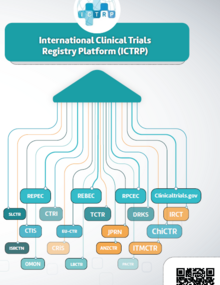
As part of its most recent initiatives, PAHO launched the Clinical Trial Accelerator, a regional platform aimed at improving the quality, efficiency, and impact of clinical trials in the Americas. This initiative includes the Portal of Clinical Trials of the Americas, the Regional forum of clinical trial regulators, and REGIA - Regulations for Research in the Americas, with the goal of strengthening national capacities, fostering regional collaboration, enhancing research transparency, and improving preparedness for future health emergencies.
PAHO also advances the generation and use of evidence for decision-making through the development of national and regional research agendas, evidence maps, research roadmaps, and knowledge translation tools such as BIGG-REC and BIGGMAP. In addition, the Organization strengthens evidence-informed policymaking through regional networks such as the Evidence-Informed Policy Network (EVIPNet) and the Health Technology Assessment Network of the Americas (RedETSA), promoting collaboration among countries and institutions.