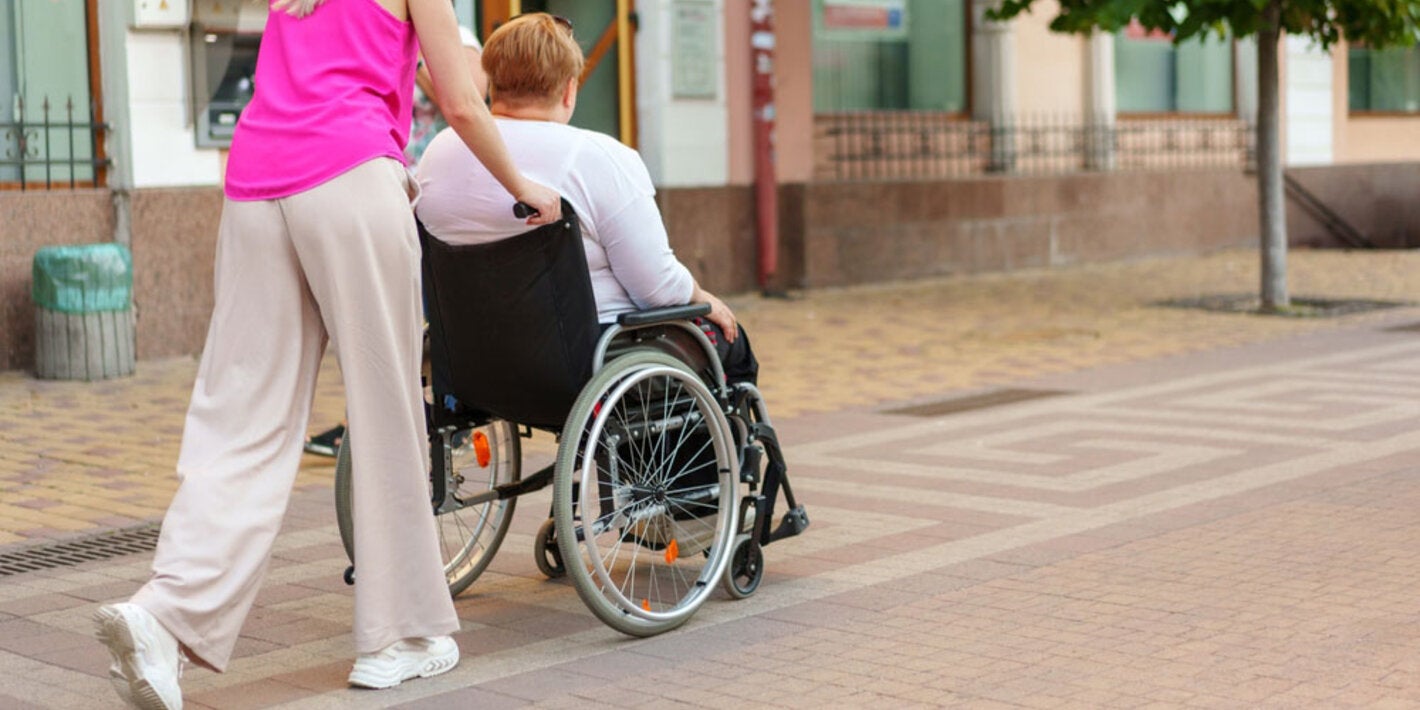
• Older women with head band
    Factors associated with intimate partner and sexual violence occur at individual, family, community and wider society levels.

The United Nations defines violence against women as "any act of gender-based violence that results in, or is likely to result in, physical, sexual, or mental harm or suffering to women, including threats of such acts, coercion or arbitrary deprivation of liberty, whether occurring in public or in private life."

Intimate partner violence refers to behavior by an intimate partner or ex-partner that causes physical, sexual or psychological harm, including physical aggression, sexual coercion, psychological abuse, and controlling behaviors.

Sexual violence is "any sexual act, attempt to obtain a sexual act, or other act directed against a person’s sexuality using coercion, by any person regardless of their relationship to the victim, in any setting. It includes rape, defined as the physically forced or otherwise coerced penetration of the vulva or anus with a penis, another body part, or object."

The health sector can play a vital role in responding to and preventing violence against women and girls. This role includes helping to identify abuse early, providing survivors with care and support, and referring women to appropriate  and informed services within and outside the health system.

The health sector must also work in collaboration with other sectors and stakeholders to prevent violence from ever taking place.  And as the public health approach to prevention clearly stipulates, the first step in preventing violence is to understand it and the health sector has a key role in helping us to measure and understand violence against women.

  • Violence against women – particularly intimate partner violence and sexual violence – is a major public health problem and a violation of women's human rights. Violence negatively affects women’s physical, mental, sexual, and reproductive health.
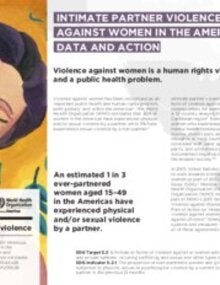
  • Estimates published by WHO indicate that about 1 in 3 women in the Americas have experienced either physical and/or sexual intimate partner violence or non-partner sexual violence in their lifetime.
  • Intimate partner violence is the most common form of violence against women. Globally, as many as 38% of murders of women are committed by a male intimate partner.
  • Men are more likely to perpetrate violence if they have low education, a history of child maltreatment, exposure to domestic violence against their mothers, harmful use of alcohol, unequal gender norms including attitudes accepting of violence, and a sense of entitlement over women.
  • Women are more likely to experience intimate partner violence if they have low education, exposure to mothers being abused by a partner, abuse during childhood, and attitudes accepting violence, male privilege, and women’s subordinate status.
  • Situations of conflict, post-conflict and displacement may exacerbate existing violence, such as by intimate partners, as well as and non-partner sexual violence, and may also lead to new forms of violence against women.

PAHO/WHO has a long history of working to improve prevention and response to violence against women and girls.

Below are four priority areas for violence prevention in the region:

  1. Improving the scope, quality, dissemination, and use of data on violence against women and girls for evidence-based policy and programming.
  2. Strengthening capacity for preventing violence against women and girls.
  3. Improving the health sector response to violence against women and girls.
  4. Supporting the development and revision of national policies and plans on violence prevention and response, including specific policies and plans for addressing violence against women and girls.
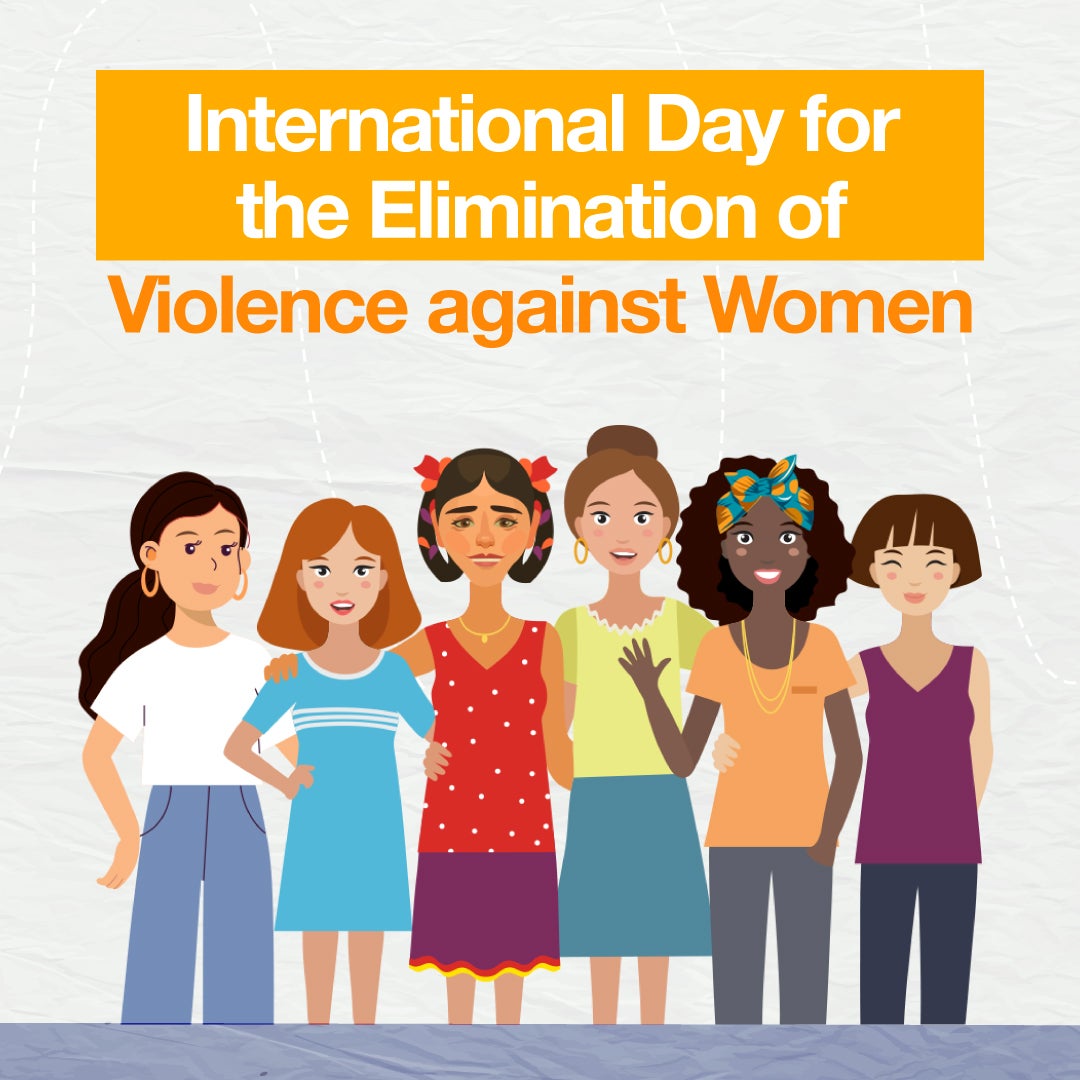
 

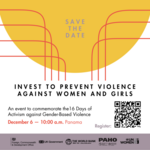
The International Day for the Elimination of Violence against Women and the 16 Days of Activism are opportunities to raise awareness about the health and social consequences of violence against women and strengthen our commitment to collective action.


Violence can be prevented, and we all have a role to play! Join us in this fight.
 

CAMPAIGN WEBSITE

Subscribe to PAHO´s email list to receive the Newsletter on noncommunicable diseases and mental health, as well as invitations to webinars and other activities.

SUBSCRIBE

FROM DATA TO ACTION

New PAHO/WHO Estimates on the Prevalence of Violence Against Women (2000–2023) 


Violence against women and girls is a serious and persistent problem in the Americas 

  • 1 in 3 women in the Region aged 15 and above has experienced physical or sexual violence in their lives.
  • Intimate partner violence is the most common form of violence against women.
  • 1 in 4 women aged 15-49 has experienced physical or sexual violence by an intimate partner at least once in her life.
  • 1 in 8 women aged 15-49 has experienced sexual violence perpetrated by someone other than a partner at least once in her life.  

ACCESS THE REGIONAL ESTIMATES

  • They will help governments, researchers, and practitioners to better understand the scale of the problem, track progress and strengthen prevention and response strategies.

  • They represent the most comprehensive study on the prevalence of violence against women, including data from 168 countries and areas for intimate partner violence and 140 for non-partner sexual violence globally. 

  • They have been produced by WHO on behalf of United Nations Inter Agency Working Group on Violence Against Women Estimates and Data (VAW-IAWGED) to monitor progress on Sustainable Development Goal (SDG) target 5.2. 

  • They will facilitate monitoring of PAHO’s Strategic Plan 2026-2031

Click here to access the WHO Global Database on the Prevalence of Violence Against Women (data not available yet). 

  • In the Americas, 29 countries and territories have new estimates on violence against women for the period 2000-2023 (either on intimate partner violence or non-partner sexual violence or both). While the availability of data is increasing, we need to continue improving data quality and coverage, including available data on other forms of violence against women and specific population groups. 

  • The sources of information are nationally and/or sub-nationally representative population-based surveys that measure the prevalence of violence against women, either through a dedicated survey or through a module included within broader surveys.

  • In line with WHO’s quality standards for data production and publication, the estimates benefited from a country consultation process during which focal points and experts from countries were able to review the methodology and suggest other data sources.  

Click here to read the WHO report on the estimates and access related materials. 

  • The estimates underline the urgency for action across the Region. The consequences of violence on the health and wellbeing of women, their children and communities remain dire and long-lasting– from physical injuries to mental health problems, such as depression, increased risk of sexually transmitted infections, unintended pregnancies, noncommunicable diseases to femicide. 

  • Figures have remained largely unchanged in the last two decades. Progress in reducing intimate partner violence has been very slow, with only a 0.2% annual decline globally.

  • We stand at a crossroads shaped by opposing forces. Progress in violence prevention has accelerated through greater awareness, stronger policies, better data, and growing evidence on what works. Yet, violence is being fuelled by the crises of our time— from climate disasters and armed conflict to displacement, social inequality, the lingering effects of COVID-19, and broader backlash against gender equality. To break this impasse, we must protect hard-won gains and sustain investments in evidence-based prevention that match the scale of the challenge. 

  • Preventing violence requires concerted and sustained action across different sectors of government and civil society, informed by the best available evidence on what works to prevent violence against all women and girls.

Click here to read more about the interagency RESPECT framework to prevent violence against women and girls in all its forms.  

  • Identify violence early in health services

  • Listen to survivors, validate their experiences, and provide first-line support (also known as LIVES).

  • Provide quality care and improve the physical and mental health of survivors, including timely post-rape care.

  • Document cases to strengthen available data on violence prevention and response.

  • Promote zero tolerance for all forms of violence and collaborate with other sectors and organizations to prevent it. 

Click here to learn more about LIVES. 

PAHO collaborates with countries in the Region and other international partners to promote the strategic use of data for decision-making, support the development and revision of prevention policies and approaches based on the latest evidence of what works, strengthen the health system capacity to respond to survivors of violence and facilitate regional dialogue and the exchange of learning across countries and organizations to support the scale-up of effective interventions.

Click here to read more about what PAHO is doing. 

Join us for From Data to Action: Launch of the new estimates on the prevalence of violence against women in the Americas: https://www.paho.org/en/events/launch-new-estimates-prevalence-violence-against-women-americas  

OUR WORK

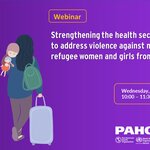
Project: Strengthening health system responses to violence against migrant and refugee women and girls

Learn morE ABOUT THIS PROJECT

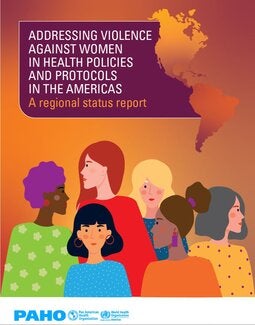
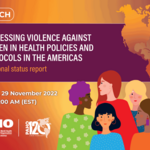
Addressing violence against women in health policies and protocols in the Americas: A regional status report

Access the report

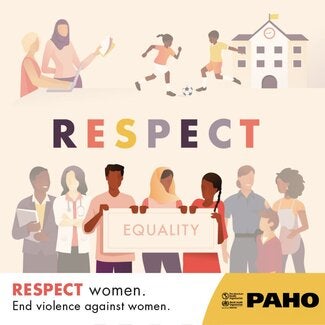
RESPECT: Seven Strategies for Preventing Violence Against Women

Visit the RESPECT web

 Training Resources for Health Workers

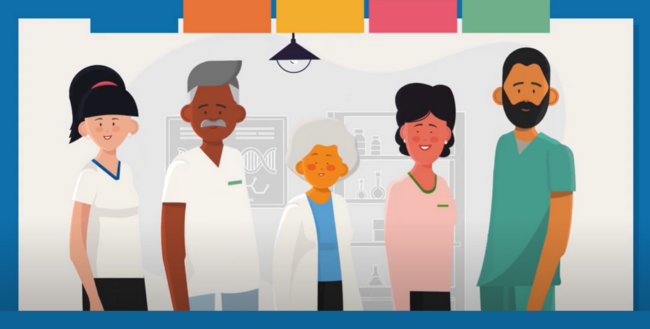
The health system has a vital role to play in responding to and preventing violence against women, and very often, health personnel are the frontline of the response. When health workers can identify at-risk groups early, provide them with quality care, and tailor support to their specific needs and preferences, they make a big difference in the health and well-being of women and girls in all their diversity. Therefore, it is critical that health personnel are trained in what it means to provide a quality response, including frontline support (LIVES).

click here to access the resources

Latest news

Documents

Communication Materials

Mandates and Strategies

All

Events

More information