• banner web tabaco

Towards a Smoke-Free and Emission-Free Latin America

This new PAHO initiative aims to lay the groundwork to assess the feasibility of achieving a smoke-free and emissions-free Latin America.

This initiative aims to advance the implementation of smoke-free and emission-free environments (SFEs) across Latin America, in line with the WHO Framework Convention on Tobacco Control (WHO FCTC), particularly relevant for States Parties to the treaty, and aligned with the protection of the highest attainable standard of health, as recognized in other international and national legal mandates and instruments. 

In practice, the initiative will consist of a sequence of missions, meetings, workshops, and reports carried out in collaboration with the respective Ministries of Health, to identify viable actions and opportunities to garner the support needed. 
What Does a Smoke-Free Environment Policy Entail? 

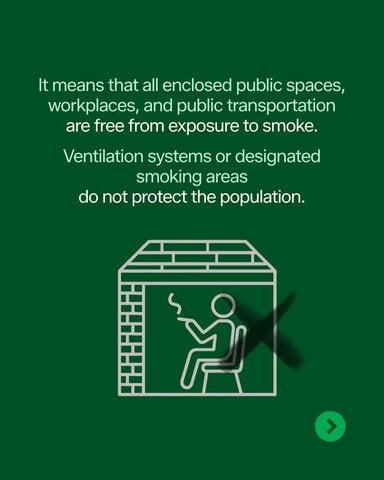
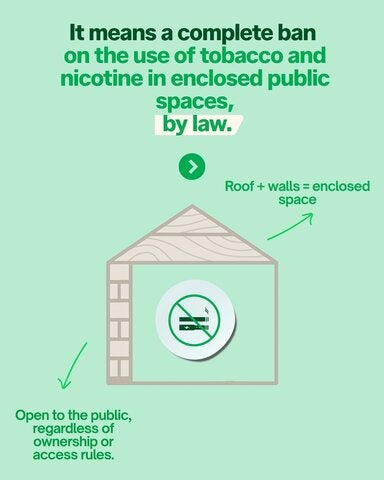
Comprehensive smoke-free policies require that all indoor public places, all indoor workplaces, and all public transport be free from exposure to tobacco smoke. The ban on smoking should be absolute to create a comprehensively smoke-free environment. Other approaches, including ventilation, air filtration, and the use of designated smoking rooms, have repeatedly been shown to be ineffective, and conclusive evidence exists that engineering approaches do not protect against exposure to tobacco smoke. 

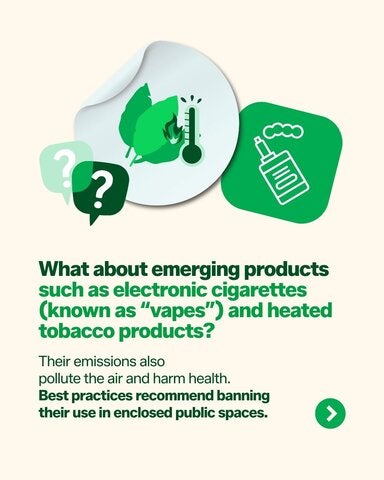
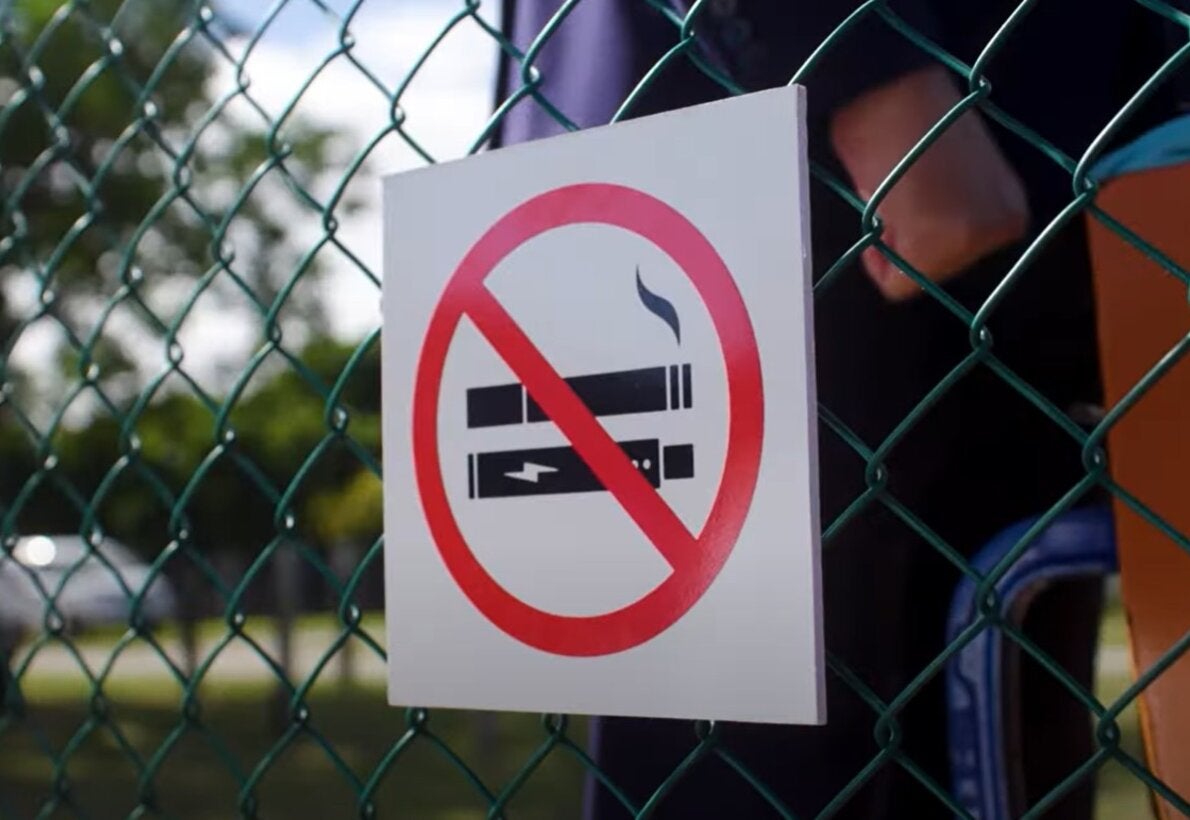
Currently, best practices and international consensus recommend including emerging products in these policies, which are becoming increasingly popular in the markets, such as electronic cigarettes (also known as 'vapes') and heated tobacco products (actual tobacco products). The substances released by the consumption of these emerging products are known as emissions or aerosols.

Backed by Scientific Evidence 

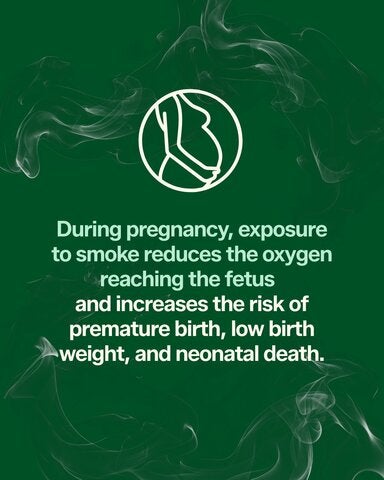
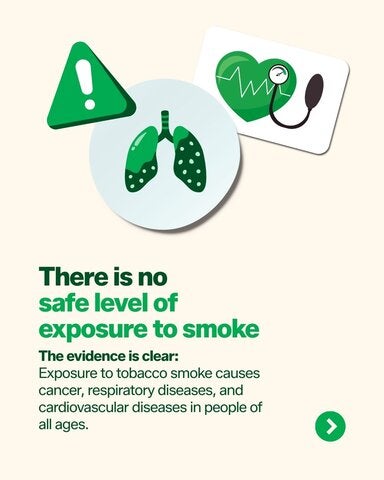
Scientific evidence supporting SFEs is strong and clear: there is no safe level of exposure to tobacco smoke, and exposure causes cancer and serious respiratory and cardiovascular diseases in children, adolescents, and adults, often leading to death. 
     
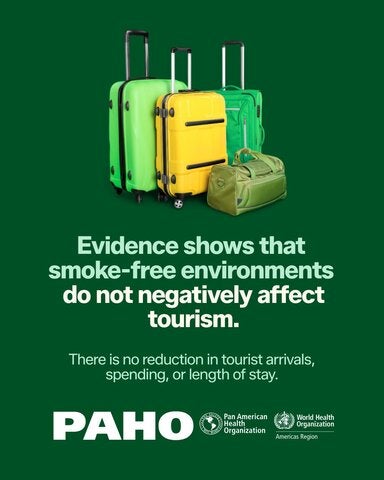
Smoke-free environments in indoor public spaces are among the most cost-effective interventions. There is robust multidisciplinary evidence supporting this public policy, including perspectives from health, economics, environment, society support, and legal. In contrast, common opposing arguments—such as the alleged negative impact on tourism—have been refuted by scientific evidence and experiences from countries in the region and worldwide. 
     
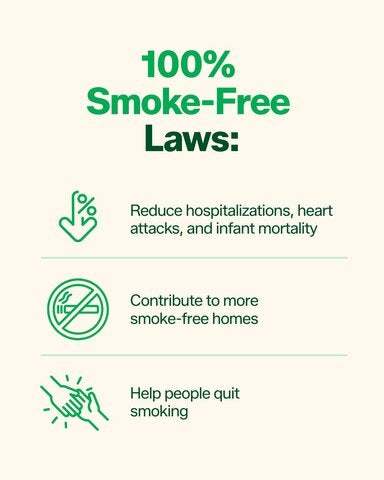
It is important to emphasize that establishing 100% smoke-free environments is a regulation aimed at protecting third parties from the harms of tobacco smoke exposure. In this context, the State has justified grounds to intervene to ensure every person’s right to enjoy the highest attainable standard of health. 

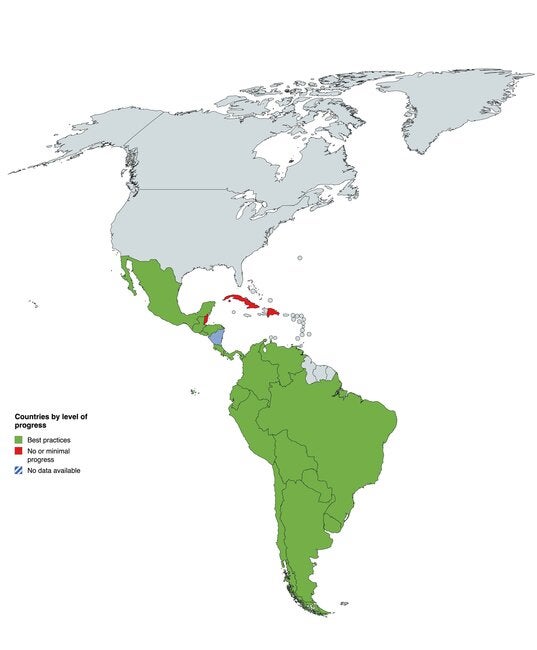
Map of the Americas for smoke-free environments


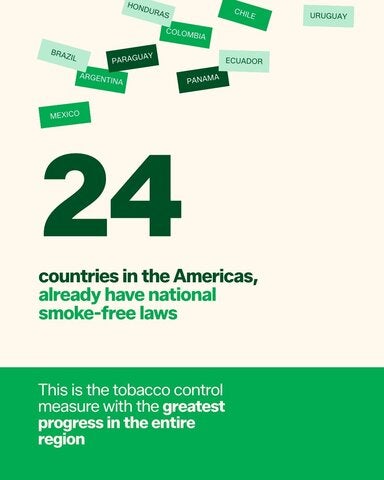
In the Americas, 24 Member States have adopted national-level SFE laws following WHO criteria and aligned with WHO FCTC Article 8 and its Guidelines. Specifically in Latin America, 16 out of 20 countries have implemented this legislation (see map). This continues to be the most advanced measure in the Region in terms of the number of countries implementing it.

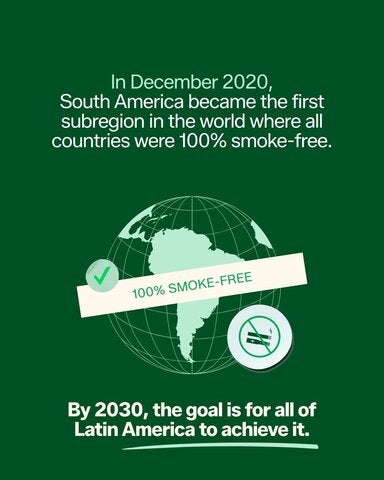
In December 2020, South America became the first subregion in the world to achieve 100% SFE in all Member States. This milestone represents a decisive step towards a smoke-free Latin America and reaffirms the commitment made by Member States as early as 2001, when the PAHO Directing Council adopted a Resolution urging progress toward a smoke-free Region. 


Mandates and Global Response

The WHO FCTC entered into force in 2005. Article 8 of the FCTC recognizes that “scientific evidence has unequivocally established that exposure to tobacco smoke causes death, disease and disability,” and requires that each Party “adopt and implement effective measures to provide protection from tobacco smoke in indoor workplaces, public transport, indoor public places, and, as appropriate, other public places.” In 2007, the Guidelines for Implementation of Article 8 were adopted to support Parties in fulfilling their obligations and to define essential elements of effective legislation. These were the first implementation guidelines adopted for any FCTC article. 
     
In 2008, the WHO launched MPOWER—a package of six proven policies for effective tobacco control. One of the most effective elements is “P” for “Protect people from tobacco smoke through smoke-free laws,” which is the cornerstone of this initiative. 
     
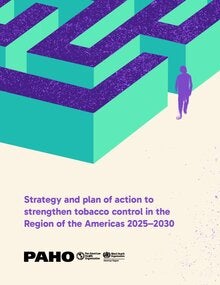
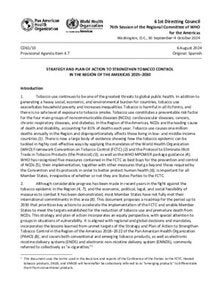
This measure has also been included in regional and global mandates. Notably, it was incorporated in the Strategy and Plan of Action to Strengthen Tobacco Control in the Region of the Americas 2025–2030, approved in October 2024 by all PAHO Member States. Strategic Line 1 of this Strategy aims to increase the number of countries with national laws that ensure 100% smoke-free indoor public places, workplaces, and public transportation, targeting at least 30 countries (baseline: 24). It also includes the need to address novel and emerging tobacco products in regulatory frameworks. Thus, the Strategy encourages the continued implementation of cost-effective tobacco control measures while addressing new challenges and reinforcing Member States’ commitment to tobacco control and emerging issues. 

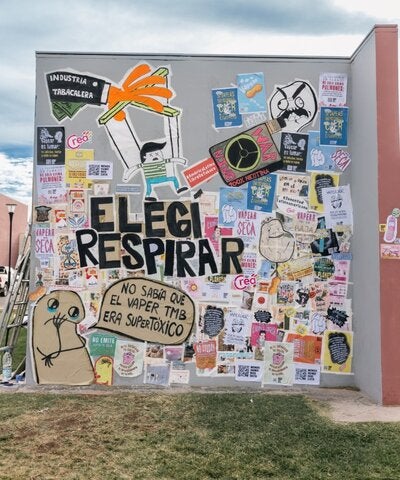
Counter-advertising action led by youth in the Region, highlighting the urgency of addressing electronic cigarette use to protect the right to breathe clean air.

Multimedia

Día Mundial Sin Tabaco: Productos seductores, intenciones perversas.
Video play Icon
Día Mundial Sin Tabaco: Productos seductores, intenciones perversas.
hablemos de salud
Video play Icon
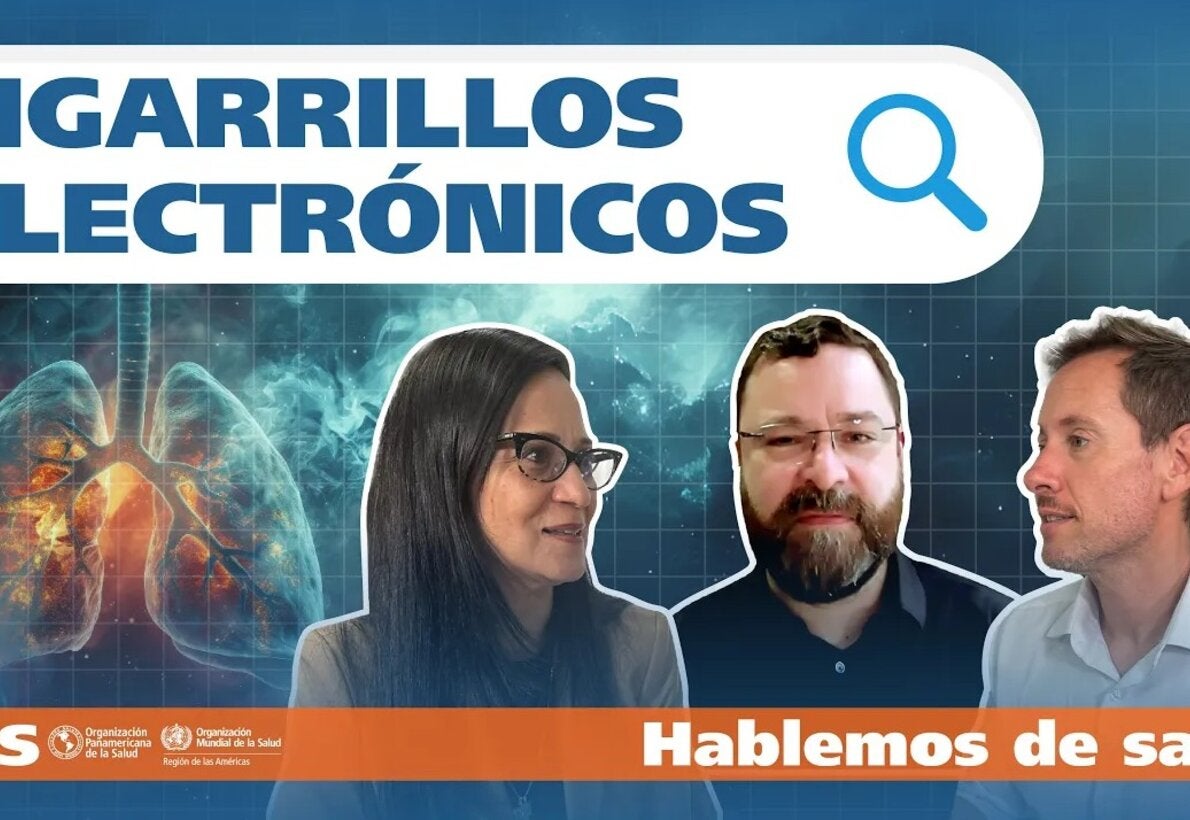
Hablemos de Salud Ep. 5 - CIGARRILLOS ELECTRÓNICOS al descubierto

News

Mandates and Strategies